
His Holiday Table Has Both Kuromame and Baklava on It. The Hilo Pilot-Researcher-Roboticist Is Going to Jeju.
One of 42 public high school students selected for the 2026 Hawaiʻi Sister-State Study Tours.
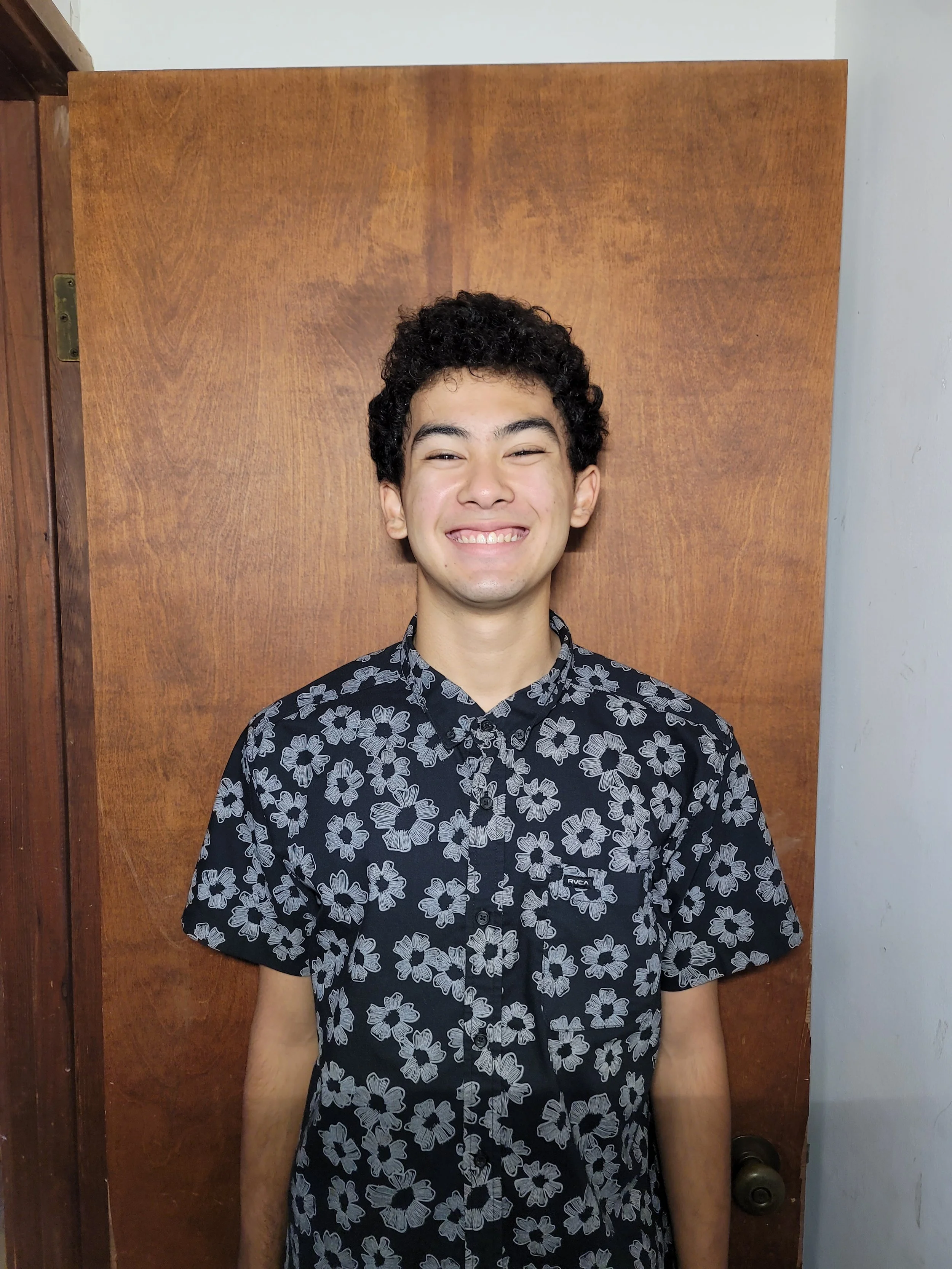
Student Snapshot
Name: Noor Shehata
Preferred Name: Noor
School: Hilo High School
Grade: 11th
Home Community: Upper Kaumana, Hilo, Hawaiʻi Island — he names it specifically: lush forest, rivers, a stream above his house where he caught fish and shrimp with a net as a kid. That stream is where his love of nature began.
Delegation: Jeju Island
Travel Dates: March 14–25/26, 2026
Focus Interests / Extracurriculars: Mechaneers Robotics Team 27180A — lead designer and co-builder (VEX V5); 1st on island last season, qualified for states; in middle school: 1st on island, 2nd at states, competed at world level; Kenyan K. Beals Robotics Center volunteer — Saturday workshops, 170+ hours, teaches elementary and middle schoolers STEM; tennis — 8+ years, 3rd at BIIF states last year, coached younger players who chose Hilo High specifically to play on his team; GVS attendee; club officer; fish keeping, breeding, and selling to local stores (simulates natural environments in aquariums; built four aquariums for two teachers); pottery; licensed solo pilot — 45+ hours logged, working toward ATP certification; three-year melon fly (Bactrocera cucurbitae) climate research; Japanese exchange program (stayed with a Japanese student, attended school in Heian-kyō/Kyoto); elementary school trip to Japan (attended school for 2 weeks); Japanese passport holder; fluent Japanese speaker
Career Aspirations: Airline Transport Pilot — ATP certification; already has 45+ hours logged and can fly solo; this is the most unusual and specific aviation career aspiration in this cohort and one of the most concrete career trajectories of any student
Why They Were Selected
Noor grew up in Upper Kaumana catching fish in a stream above his house, then started breeding them in simulated natural environments and selling them to local stores. He spent three years researching the melon fly at different temperatures, found that a 2°C global temperature rise would accelerate its growth rate by 156.5%, and developed a cold-shock protocol to slow it. He can fly a plane solo. He's also a robotics world competitor who designed a pincer mechanism inspired by the Staghorn Beetle. He was home alone when the email arrived, and he started cheering and yelling. He is one of the most scientifically accomplished students in this entire cohort — and he grew up in a house where baklava and nishime were both on the table.
What They're Excited About
Being home alone when the notification arrived; heart racing as he opened the PDF; cheering and yelling; gratitude; traveling to a place he's never been; wanting to swim; seeing the work of people improving their communities — he specifically cites the Kanazawa University professor's Abu Dhabi recycling app presentation as the kind of thing he wants to experience in person
He Was Home Alone in Upper Kaumana When the Email Arrived. His Heart Started Racing. He Opened the PDF. Then He Started Cheering.
Noor Shehata was alone at his house in Upper Kaumana when the PAAC notification came through. His heart began to race as he opened it. He found the attached PDF. He read far enough to know. And then, by himself in a house surrounded by forest and rivers above Hilo, he started cheering and yelling. The Hilo High junior — robotics world competitor, licensed solo pilot, three-year climate researcher — is going to Jeju Island.
Noor grew up in Upper Kaumana catching fish and shrimp in the stream above his house with a net. That stream became aquariums he now designs to simulate natural environments, fish he breeds and sells to local stores, and four tanks he built for his science teachers at school. It also became three years of melon fly research — finding that a 2°C global temperature rise would increase the pest's growth rate by 156.5%, then developing a cold-shock protocol to slow it. Between all of that, he logs hours toward his ATP pilot certification (45+ hours, already flying solo), leads his VEX robotics team as head designer (1st on the island, states qualifier, world competitor in middle school), volunteers 170+ hours at the Kenyan K. Beals Robotics Center teaching younger kids on Saturdays, and coaches the tennis players who chose Hilo High specifically because they wanted to play on the same team as him. His mother is Japanese. His father is Egyptian. His holiday table has both kuromame and baklava on it.
Noor was selected because he already knows the most important thing about bringing ideas home: you can't copy and paste. He learned it in robotics — designing a pincer mechanism from the Staghorn Beetle taught him that solutions have to be adapted to fit the problem, not transferred wholesale. When a Kanazawa University professor visited his marine science class and described a recycling app from Abu Dhabi that converts plastic bottles into bus rides, he didn't just take notes. He wrote in his application that he wished he could see that kind of work in person. Going to Jeju is how he does that.
"For holidays like Christmas, New Year's, or Thanksgiving, we eat Baklava and rice wrapped in grape leaves with relatives, or on New Year's Day, we eat Kuromame and Nishime with friends... The people that I share these dishes with have shaped me as a person." — Noor Shehata, Hilo High School, Class of 2027
When Noor comes home to Upper Kaumana from Jeju, he'll return the same way he always does — with something specific, something he's already thinking about how to adapt. For a community in Hilo that has been shaped by every culture that ever arrived on this island, that instinct is exactly right.
