
A Familiar Place: 2026 Ilocos Norte & Ilocos Sur Sister-State Study Tour

Thirteen public school students from Hawaiʻi traveled to the Philippines as ambassadors. They came home understanding that they had never really been strangers there.
The lei hadn't been planned.
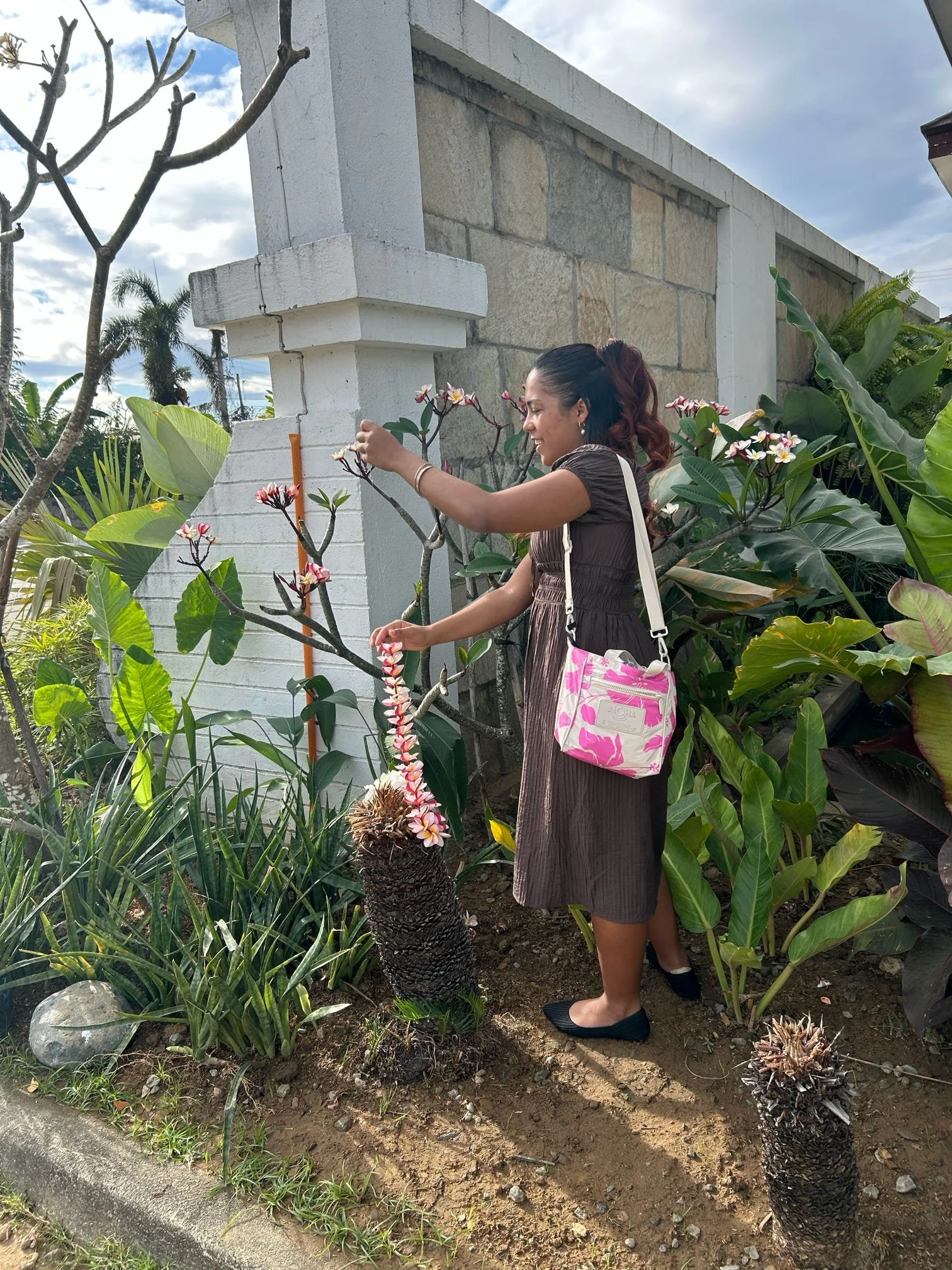
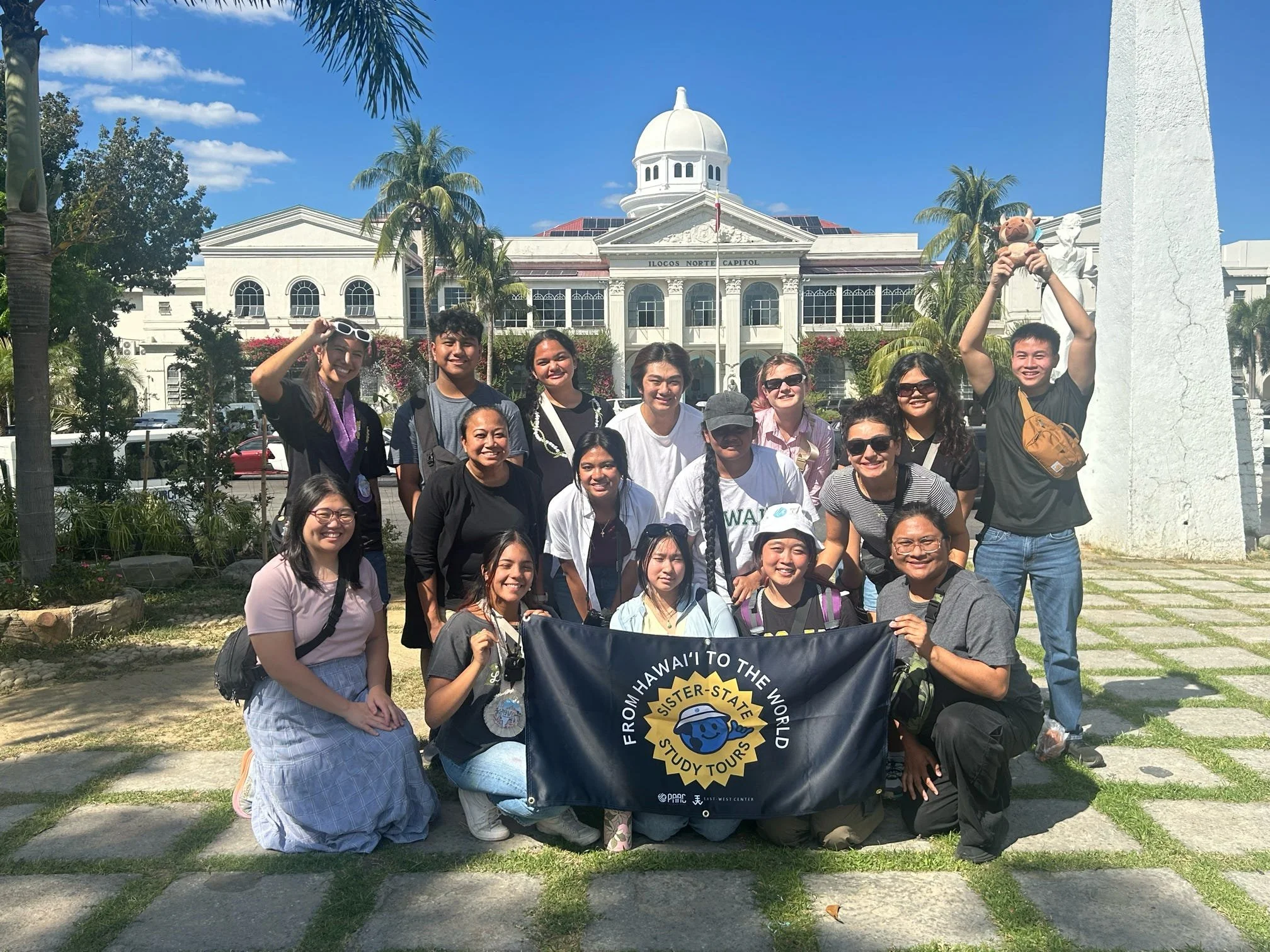
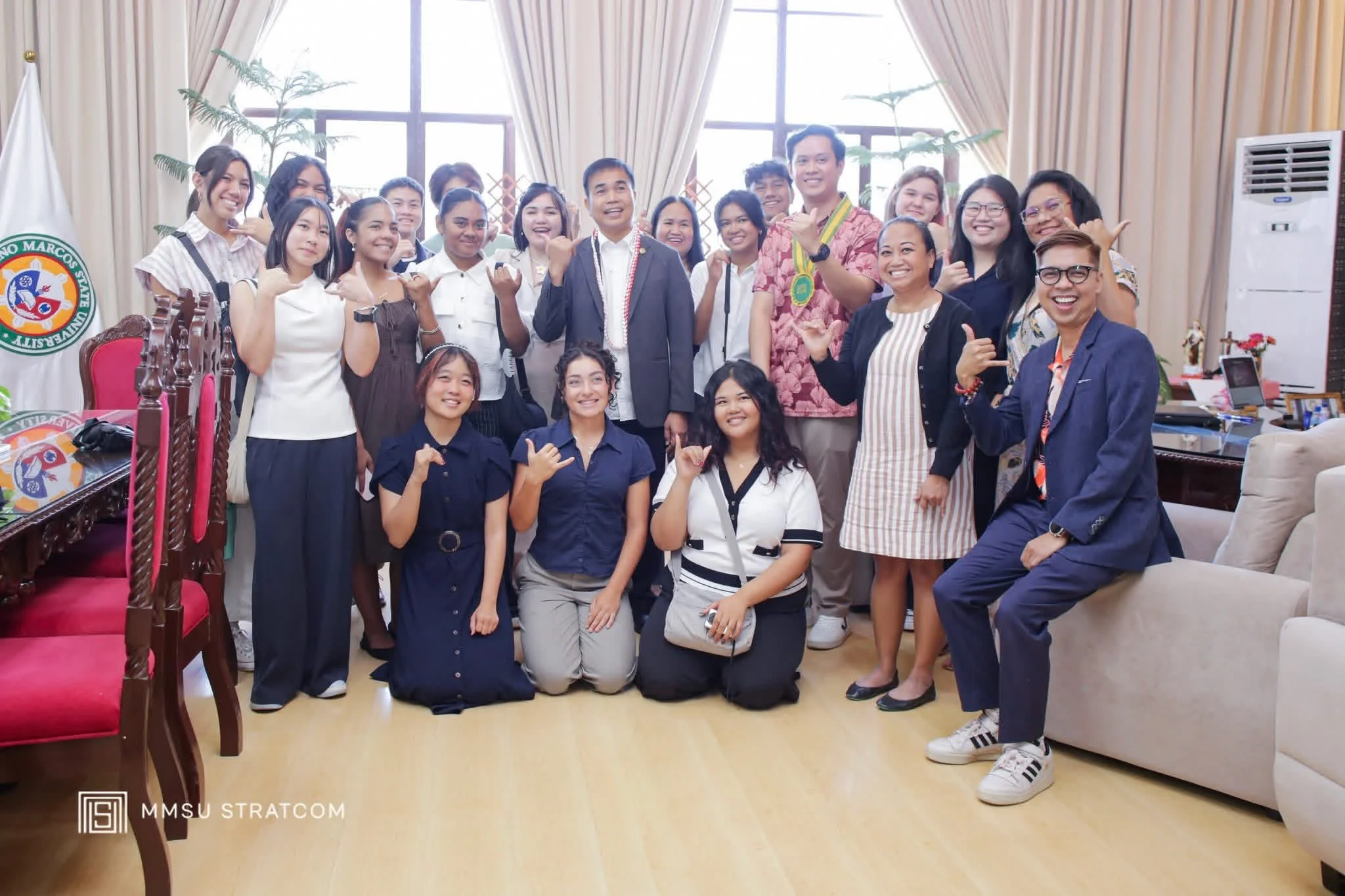
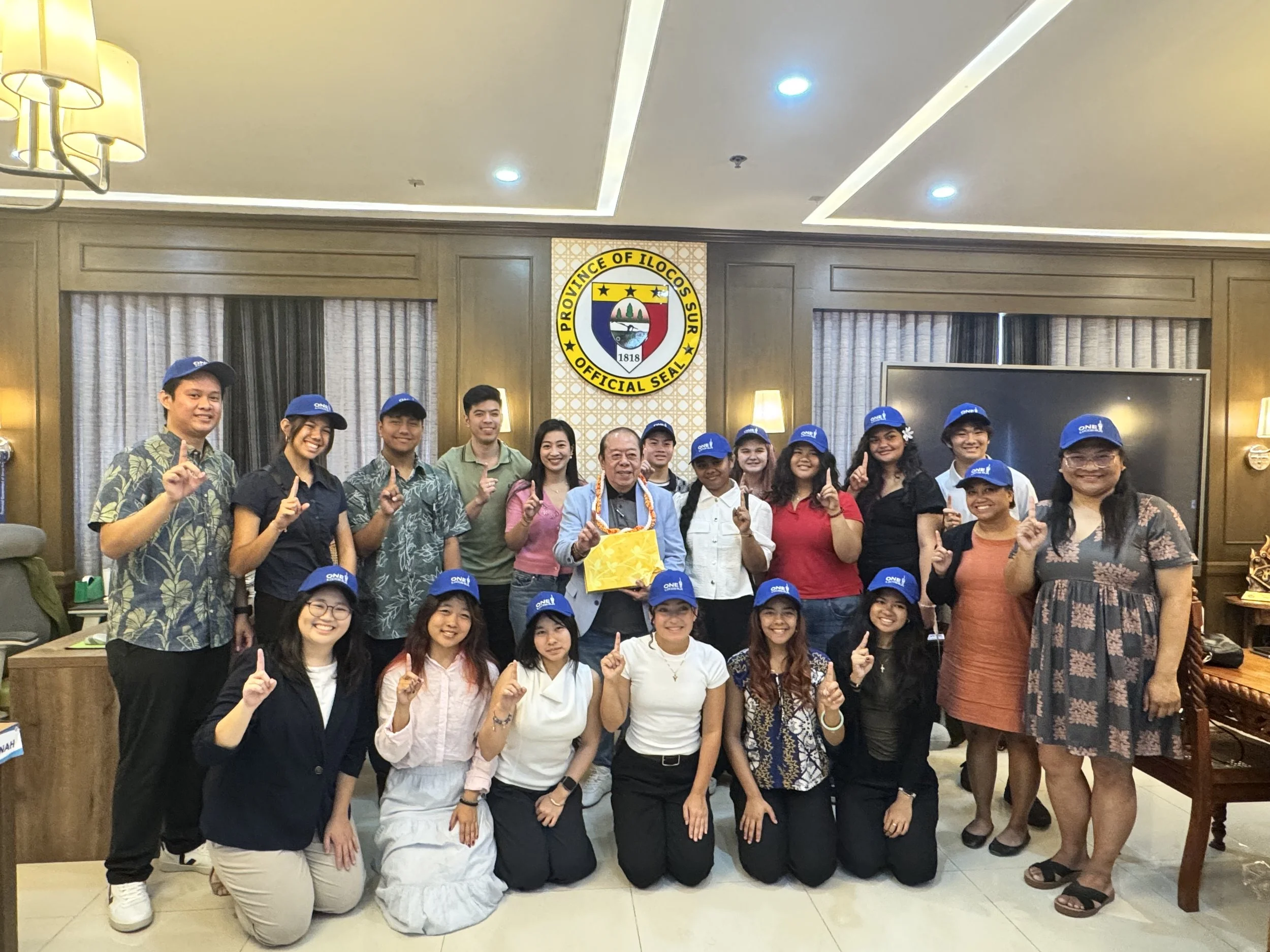
Kapualani Ruiz-Hyde of James B. Castle High School had spent the days before the delegation met Governor Cecilia Araneta Marcos doing what she always did when she wanted to say something that mattered: she made something. On the morning of the visit, she walked into the meeting at the Ilocos Norte capitol building with a lei she had assembled herself, crossed the room, and placed it over the governor's shoulders.
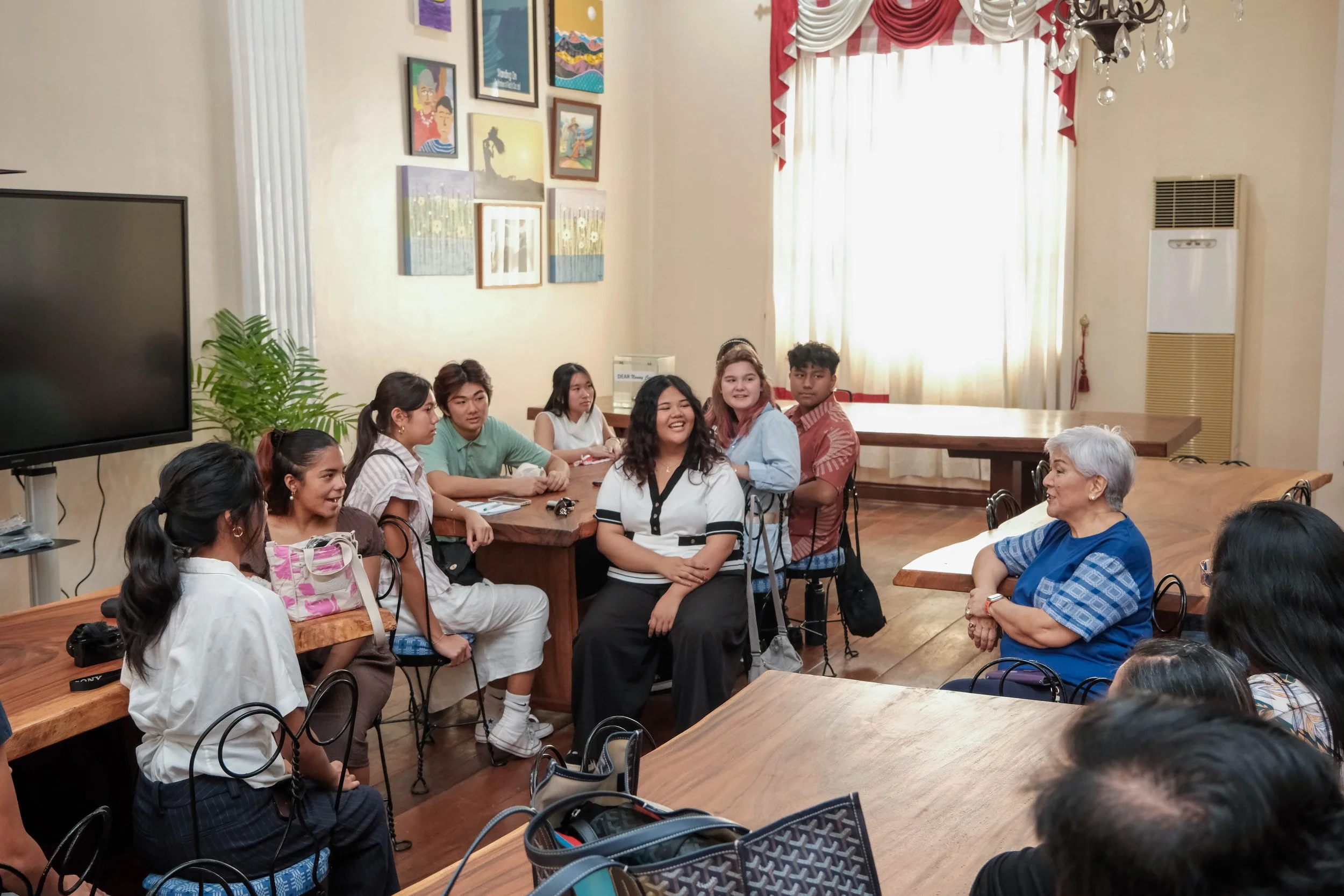
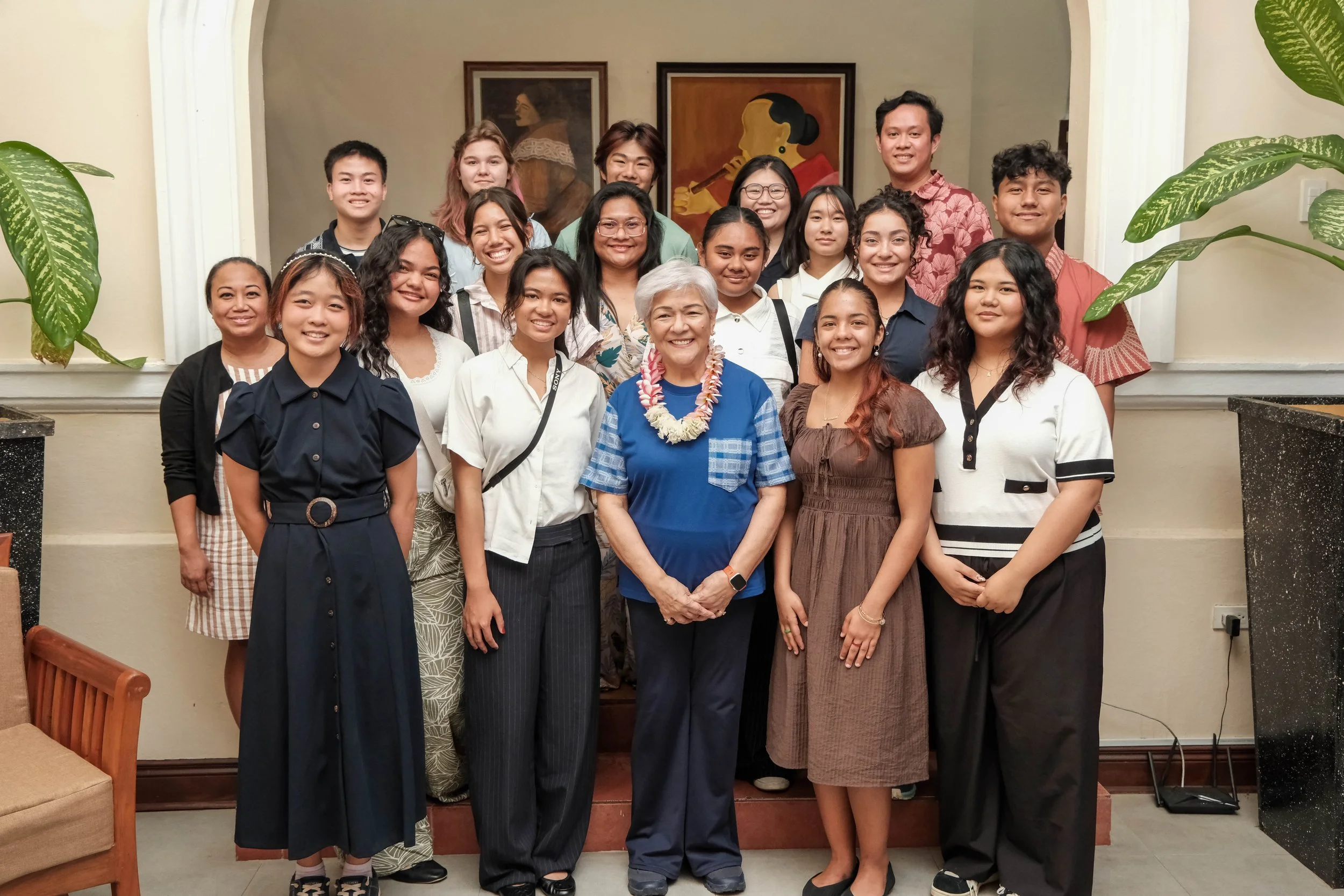
The governor paused. She touched it. And then she asked questions — about the students, about where they'd come from, about Hawaiʻi. She mentioned Lahaina. Gabriel Akima of Lahainaluna High School, who had evacuated during the fires, watched her bring it up unprompted and understood something in that moment about what Sister-State relationships actually mean when they're working: not protocol, not diplomacy at arm's length, but a governor of Ilocos Norte asking about his hometown because so many of her people had been there, were still there, were still grieving.
"80% of all Filipinos in Hawaiʻi are Ilocano," Gabriel wrote that evening. The statistic had appeared in his orientation materials. Standing in that room, he felt it differently.
Before They Ever Boarded a Plane
The 2026 Sister-State Study Tours did not begin in March. They began, in many ways, in February — at a two-day orientation at Chaminade University on Oʻahu, where forty-two public high school students from across the state gathered before spring travel to three of Hawaiʻi's Sister-State destinations: Ilocos Norte and Ilocos Sur in the Philippines, Jeju Island in South Korea, and Okinawa in Japan.
This was the largest student ambassador program in PAAC's history. The 2025 pilot had sent fourteen students abroad. The 2026 cohort grew to forty-two, each one representing their public high school — students from Lānaʻi, from Kohala, from Hilo's east side and Maui's remote coasts — paying no more than $500 for the full experience through a partnership between PAAC and the East-West Center. That cost cap changed everything about who could say yes.
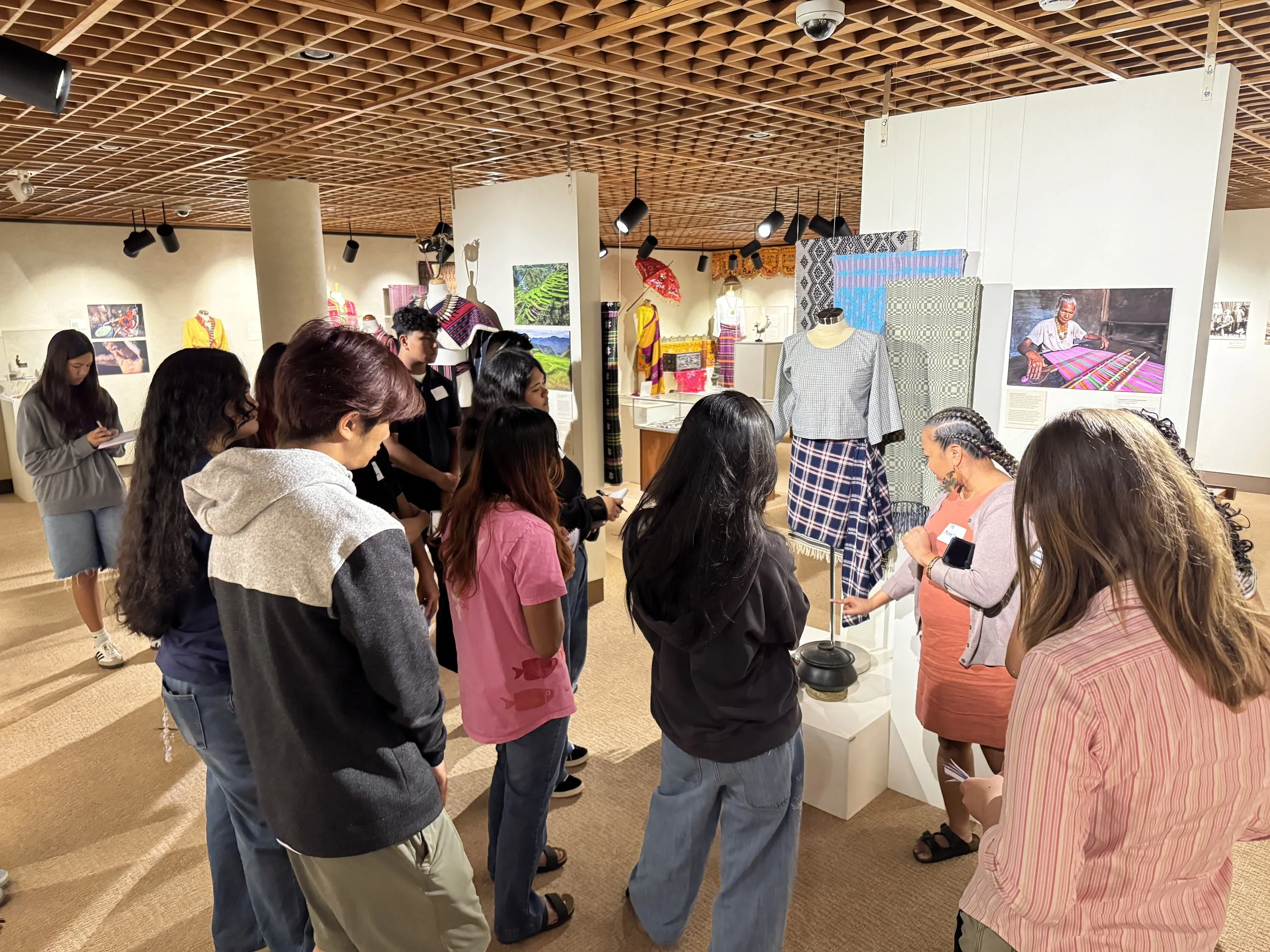
The Ilocos delegation spent orientation at the East-West Center's Kulturang Makulay gallery, standing before displays of Inabel weaving — the prized textile tradition of the Ilocos region — and began to understand that the place they were traveling to wasn't distant. Lakeisha Quitog of Waipahu High School, who is Ilocano and grew up in the community around her, stood in that gallery and found herself thinking about her own ancestors. Angela Querubin of Kauaʻi High School stopped in front of a contemporary gown that fused Filipino butterfly sleeves with a Hawaiian maile lei design — two cultures held inside a single garment — and felt something she hadn't expected: a longing to be more in touch with the culture she had grown up taking for granted.
Their community panel brought in voices who understood that the relationship between Hawaiʻi and the Ilocos was not a diplomatic abstraction. It ran through families. It ran through the plantation fields, through the Sakadas who had worked them, through the balikbayan boxes sent home across the Pacific for generations.
By the time the students boarded for Manila, they were already carrying something.
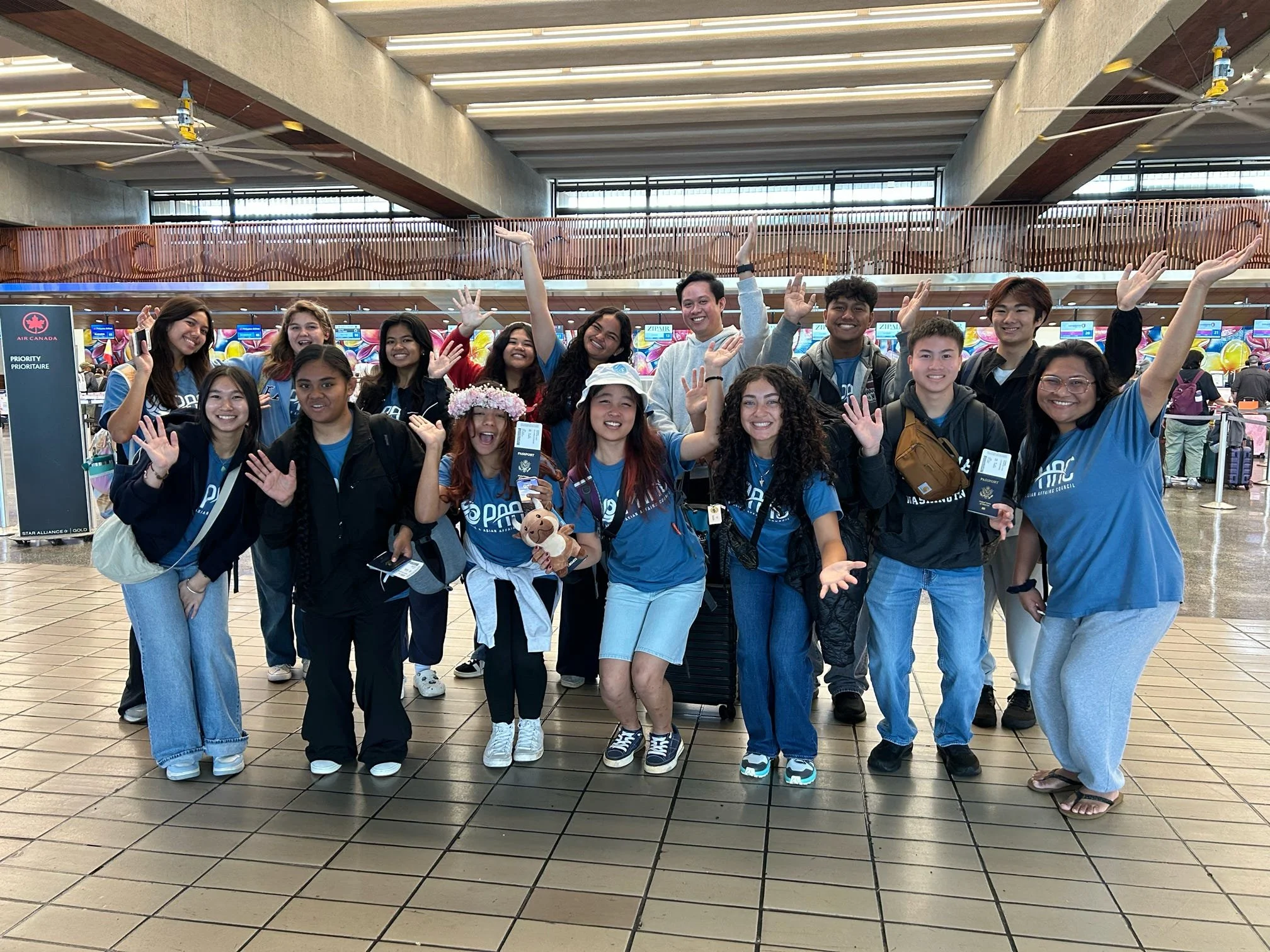

Thirteen Students. Two Provinces. Twelve Days.
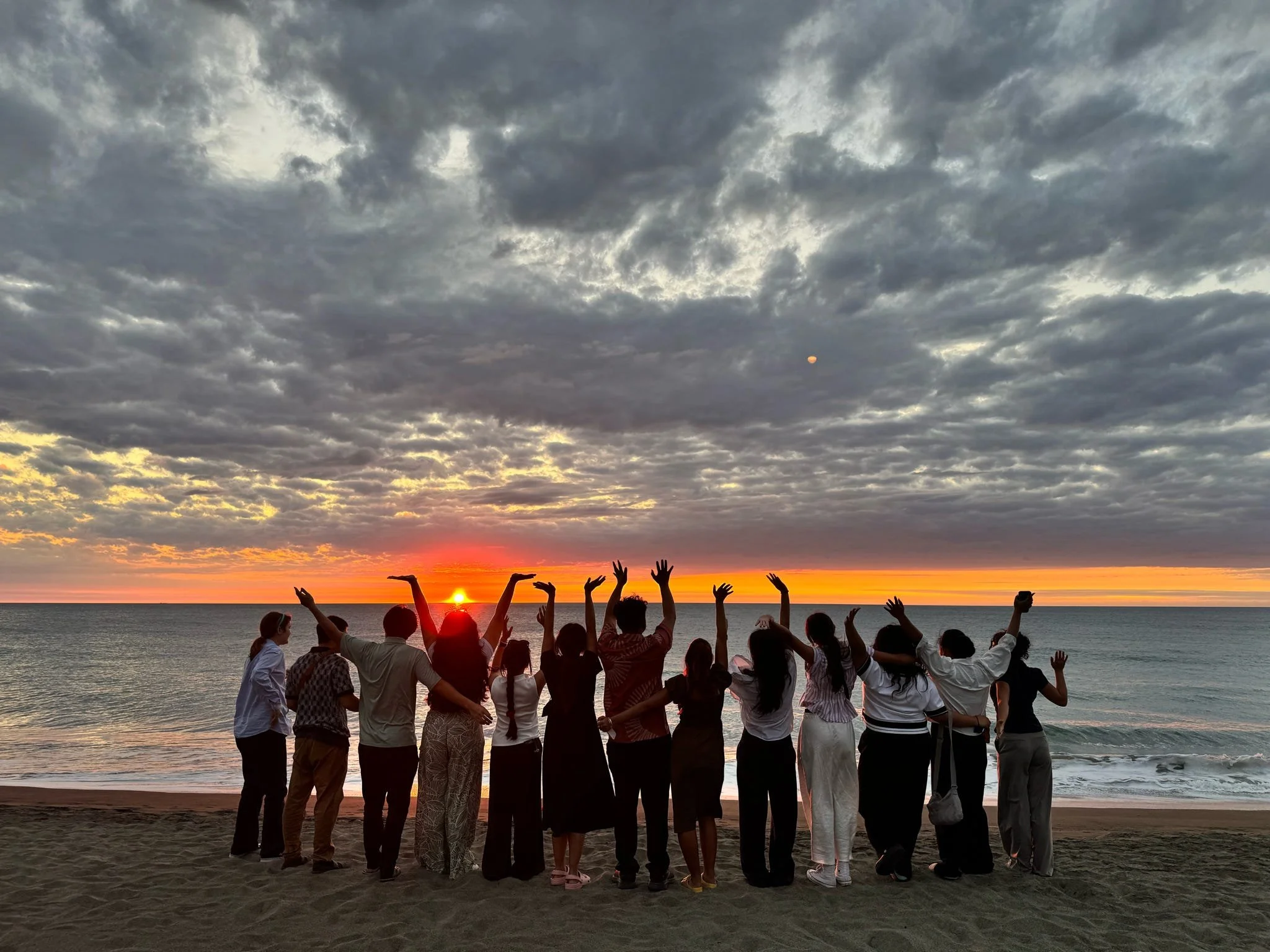
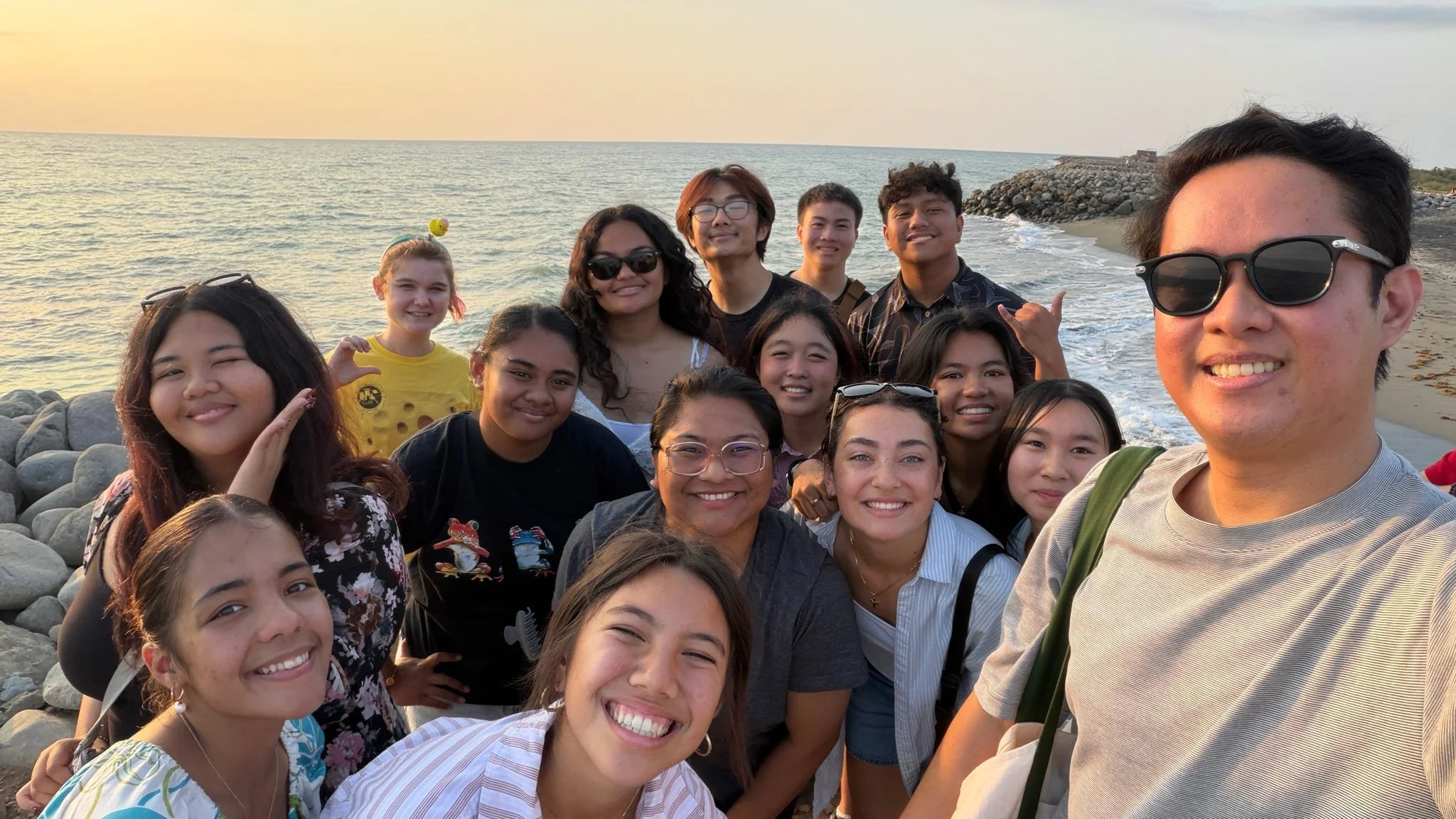
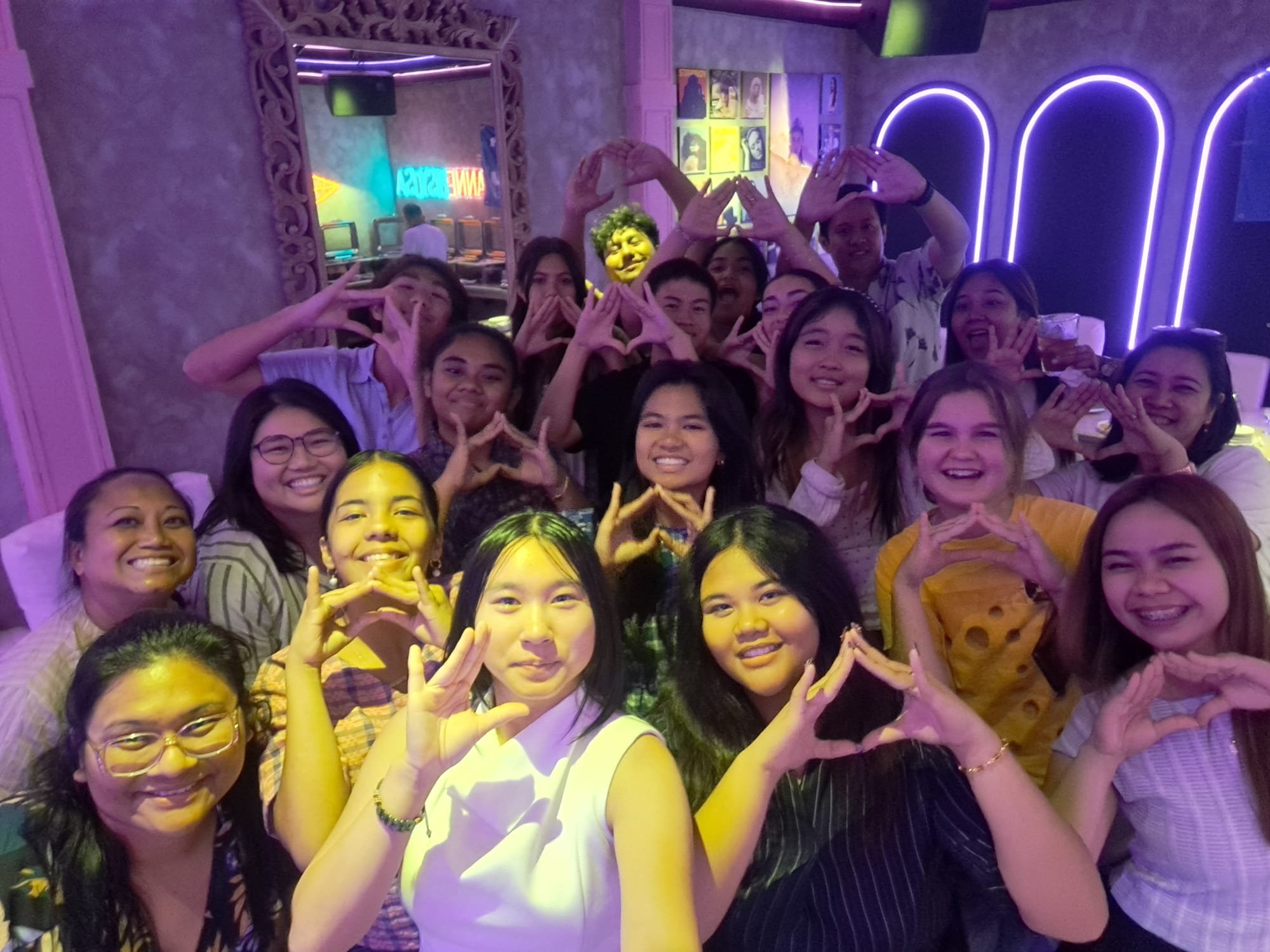
In March, thirteen students representing schools across six islands departed as Hawaiʻi's 2026 Ilocos ambassadors.
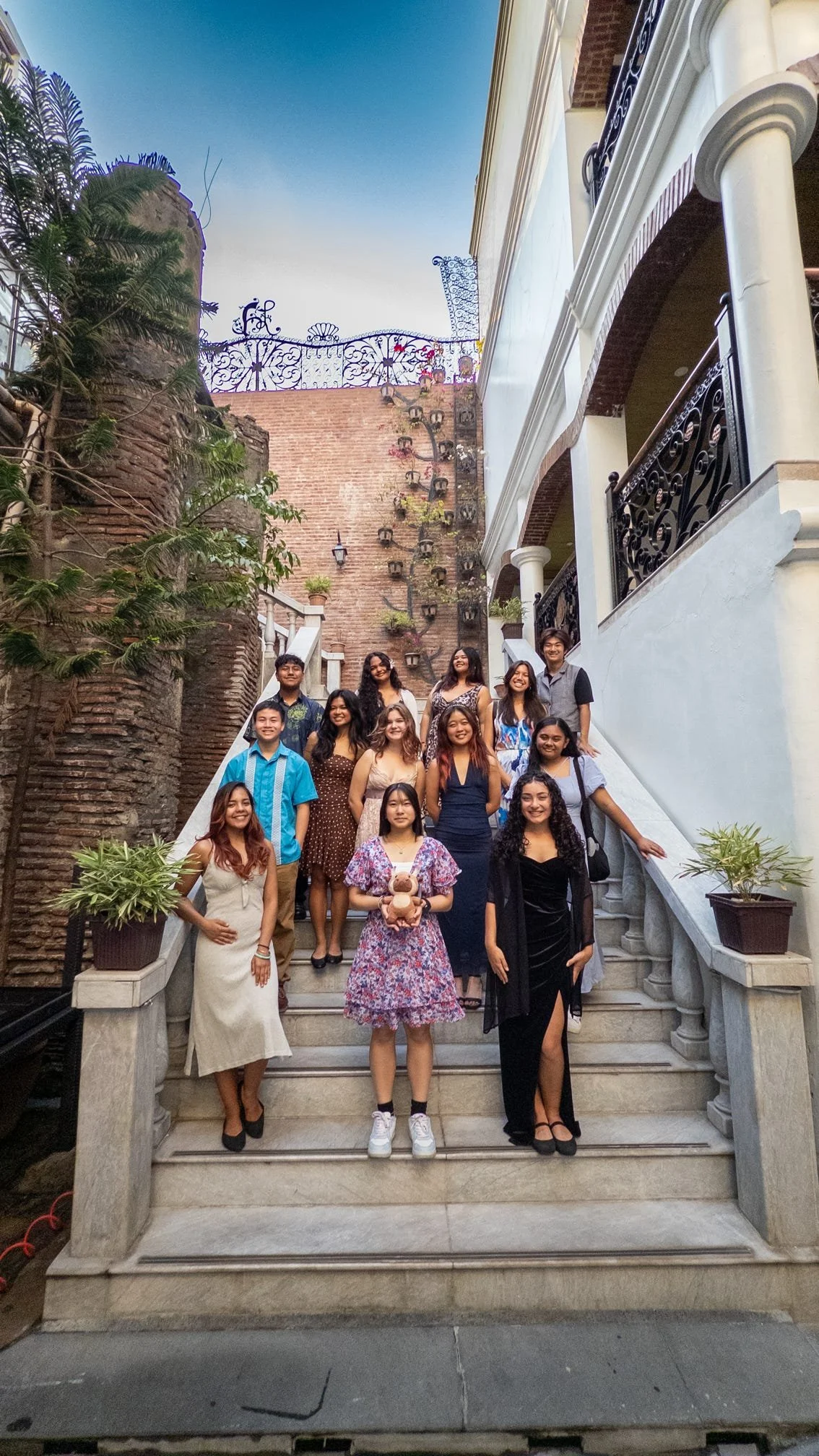
They were Agnes Margaret Watt of Kūlanihākoʻi High School. Angela Querubin of Kauaʻi High School. Cade Goya of Waiākea High School. Gabriel Akima of Lahainaluna High School. Hailey Hadley of Kapaʻa High School. Hunter Lee of Pāhoa High and Intermediate School. Julia Bowman of Kealakehe High School. Julie Matsumoto of Mililani High School. Kapualani Ruiz-Hyde of James B. Castle High School. Lakeisha Quitog of Waipahu High School. Olivia Barth of ʻAiea High School. Yinyi Chen of Kalani High School. Zoe Fernandez of Kaiser High School.
Thirteen students. Thirteen schools. One delegation.
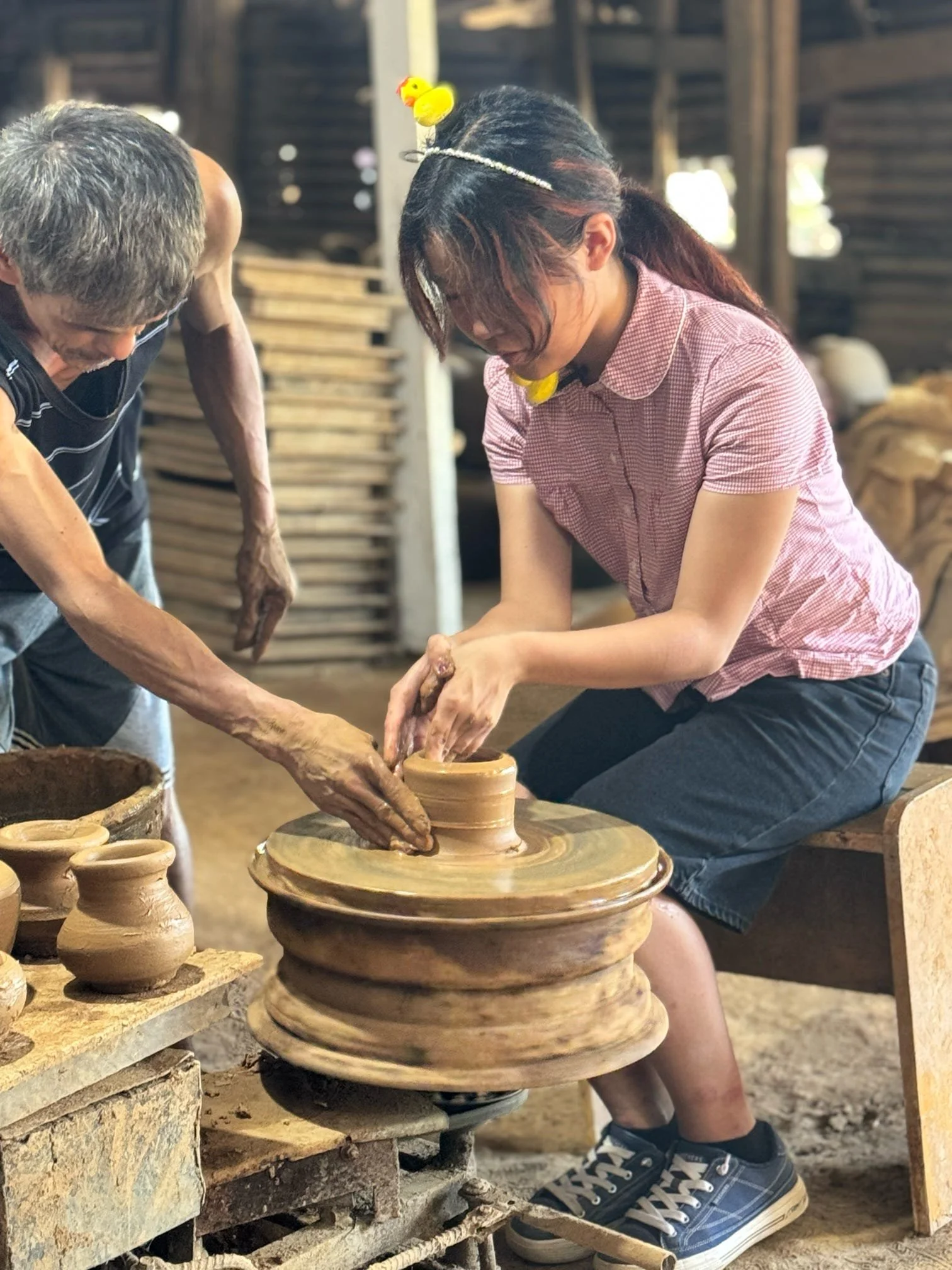
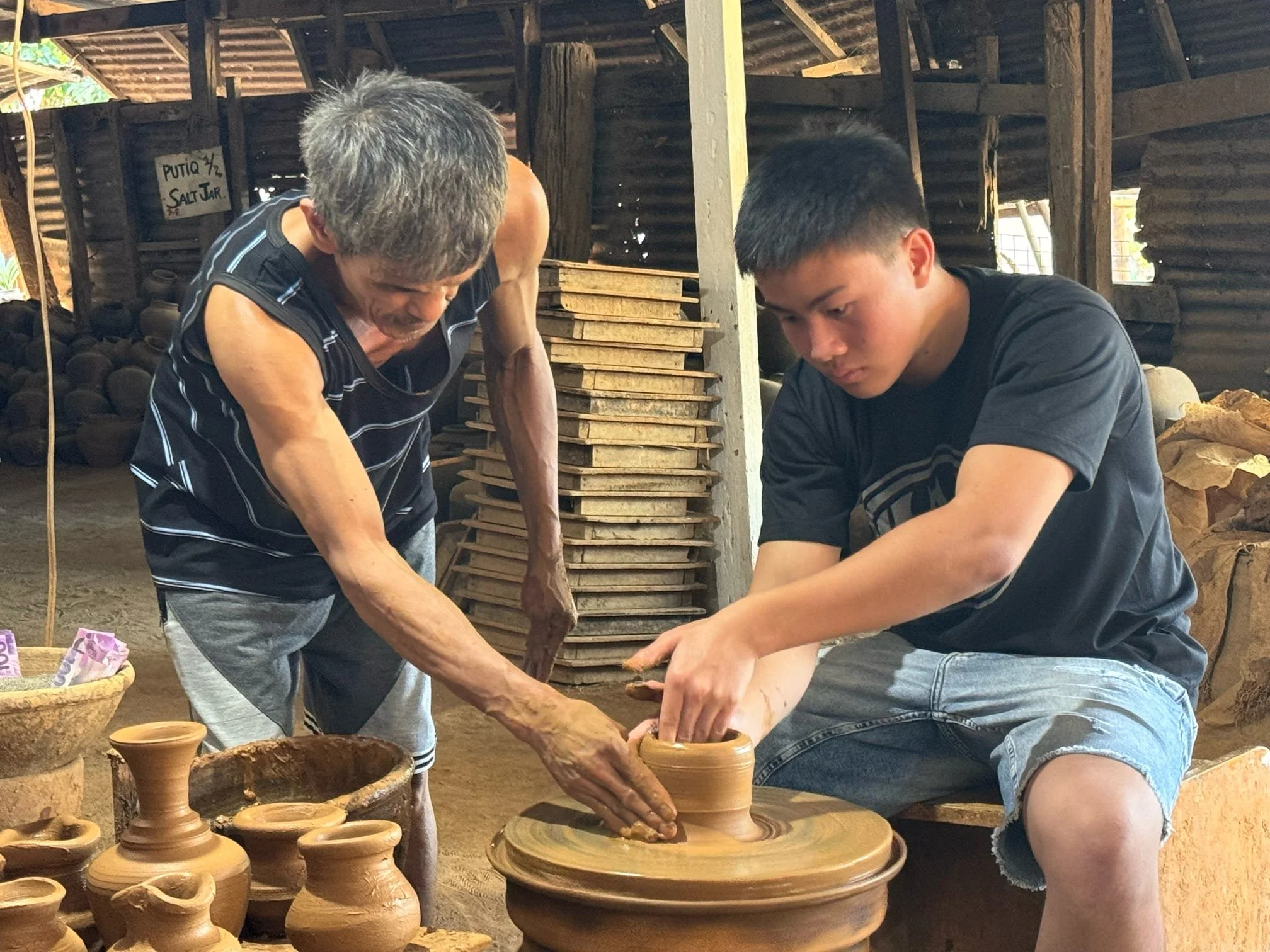
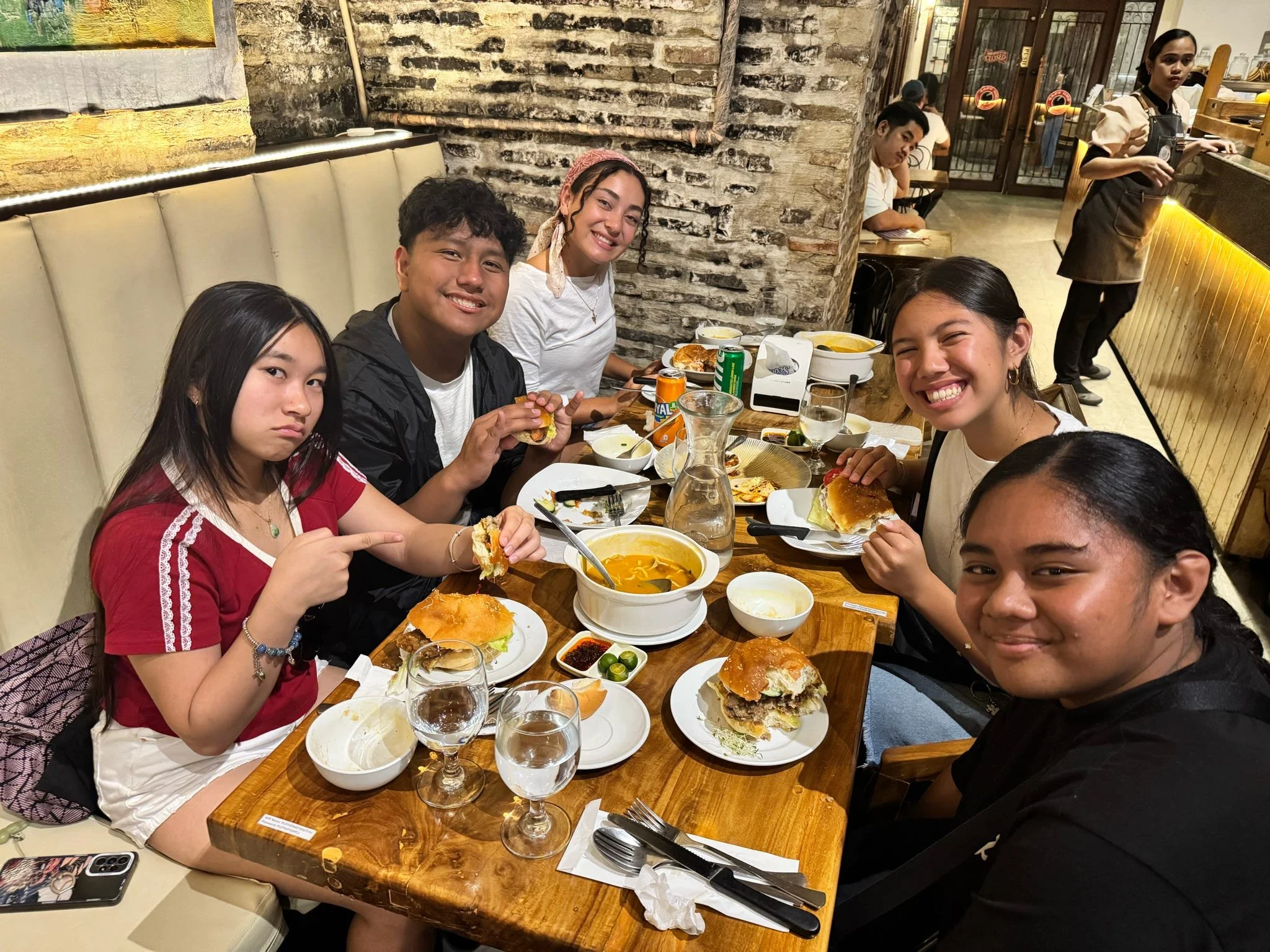
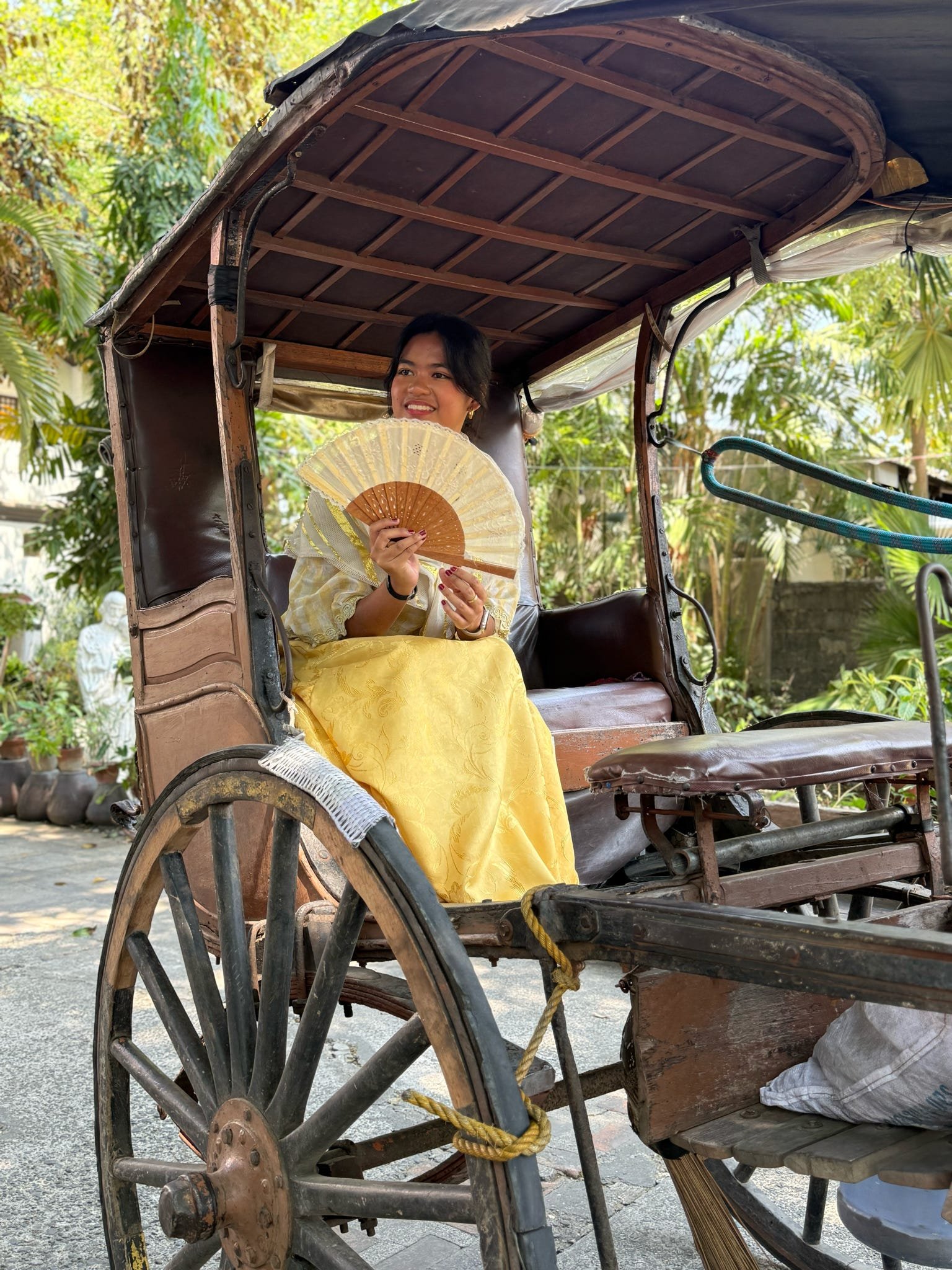
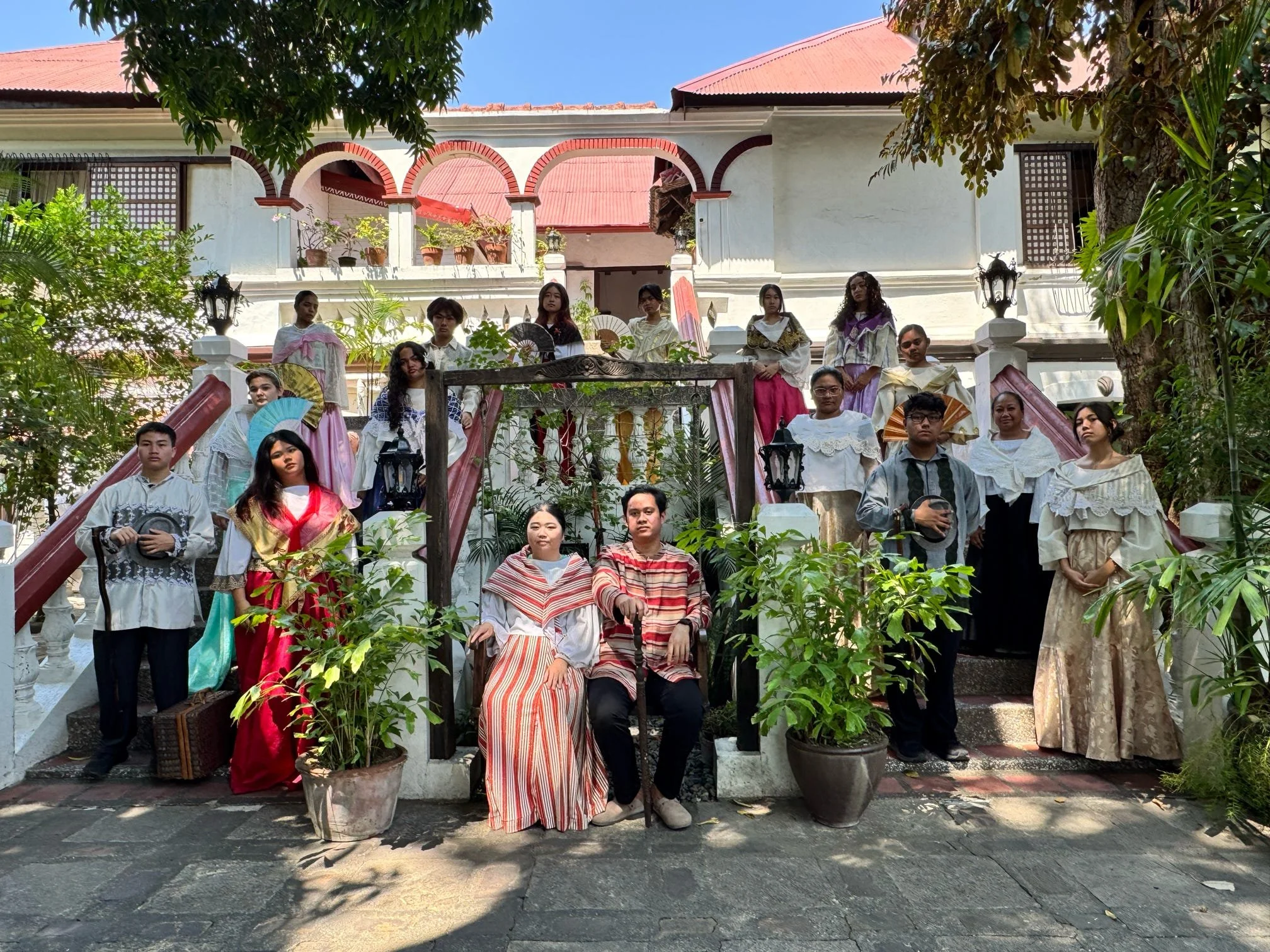
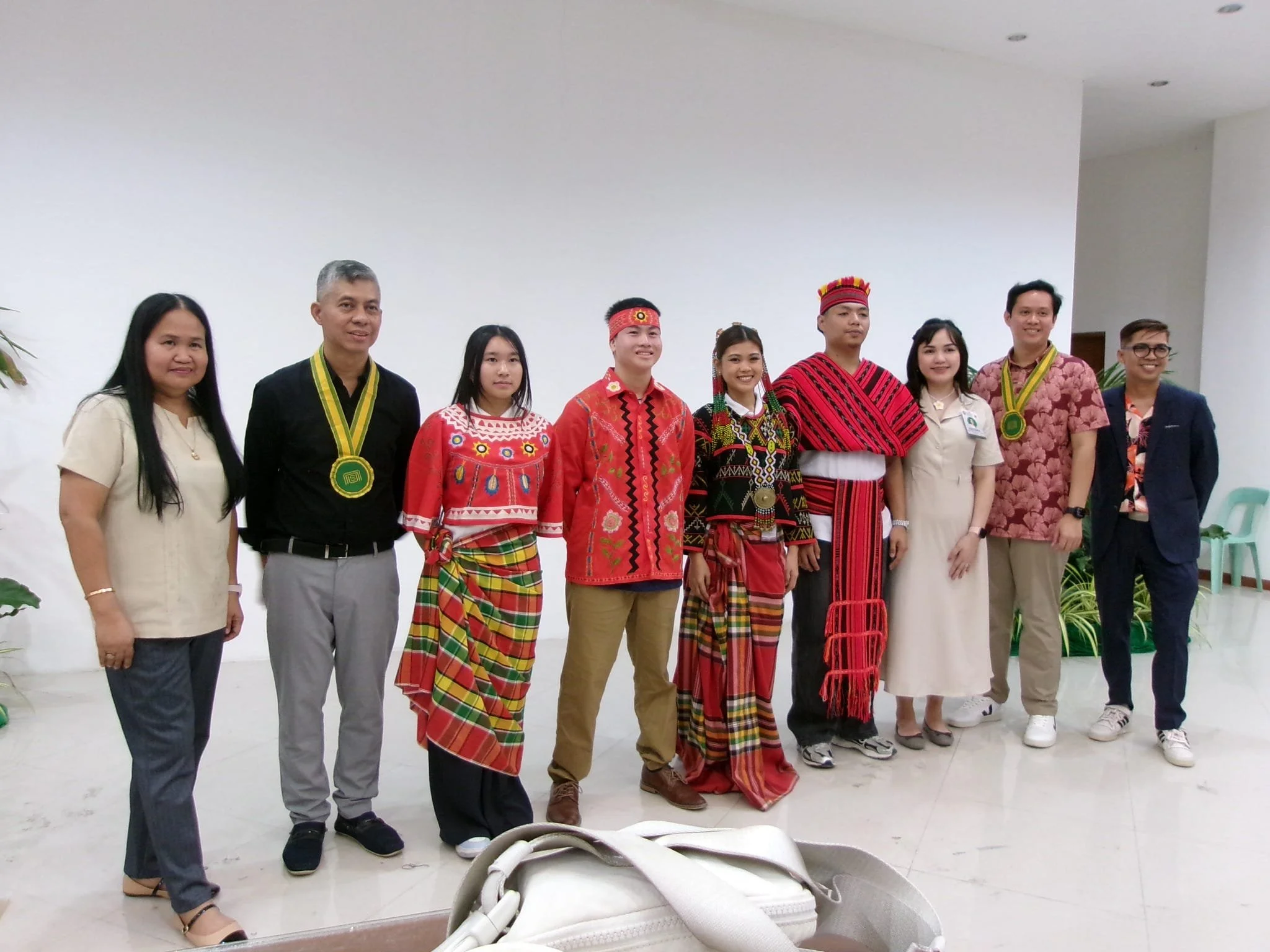
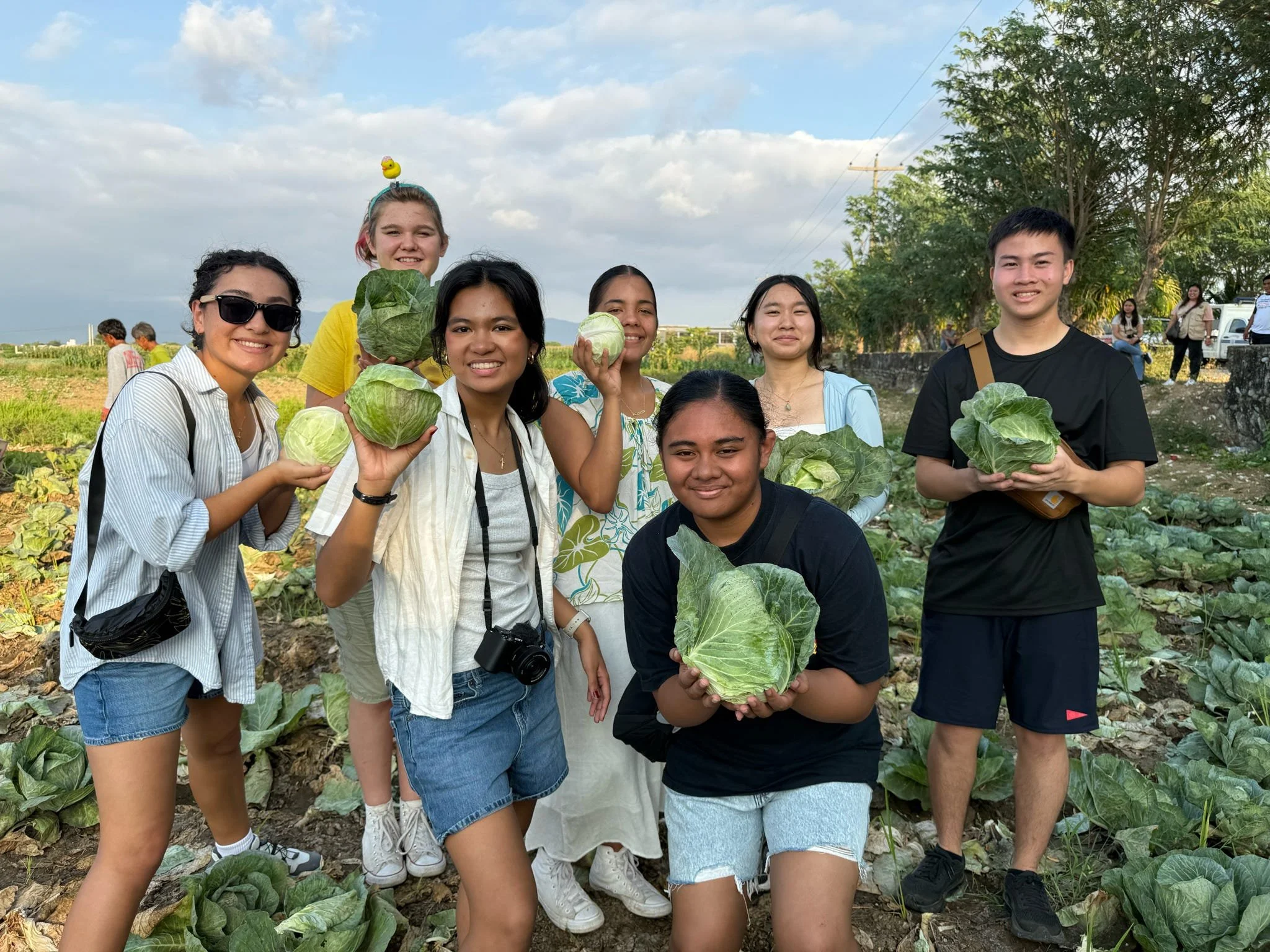
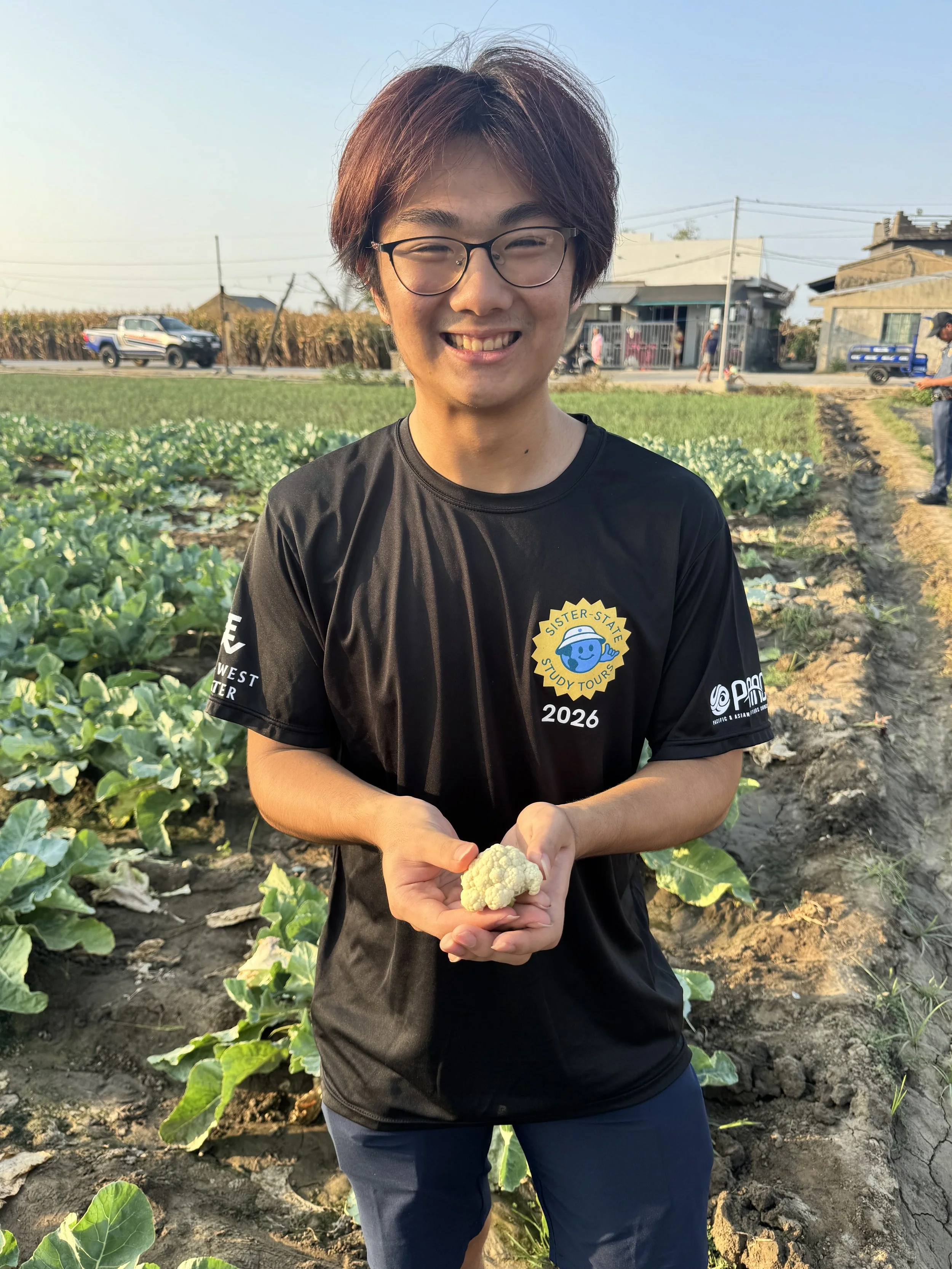
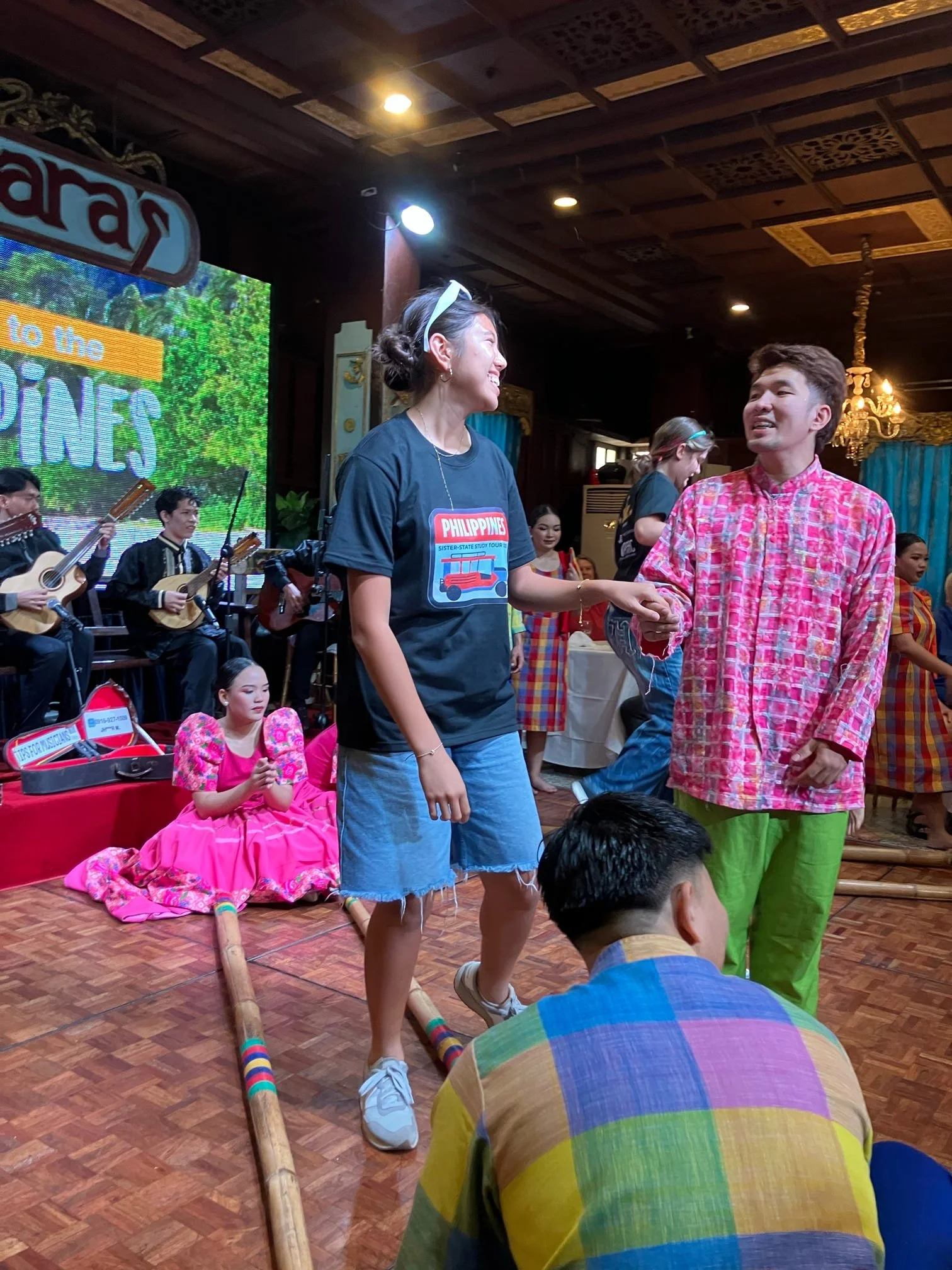
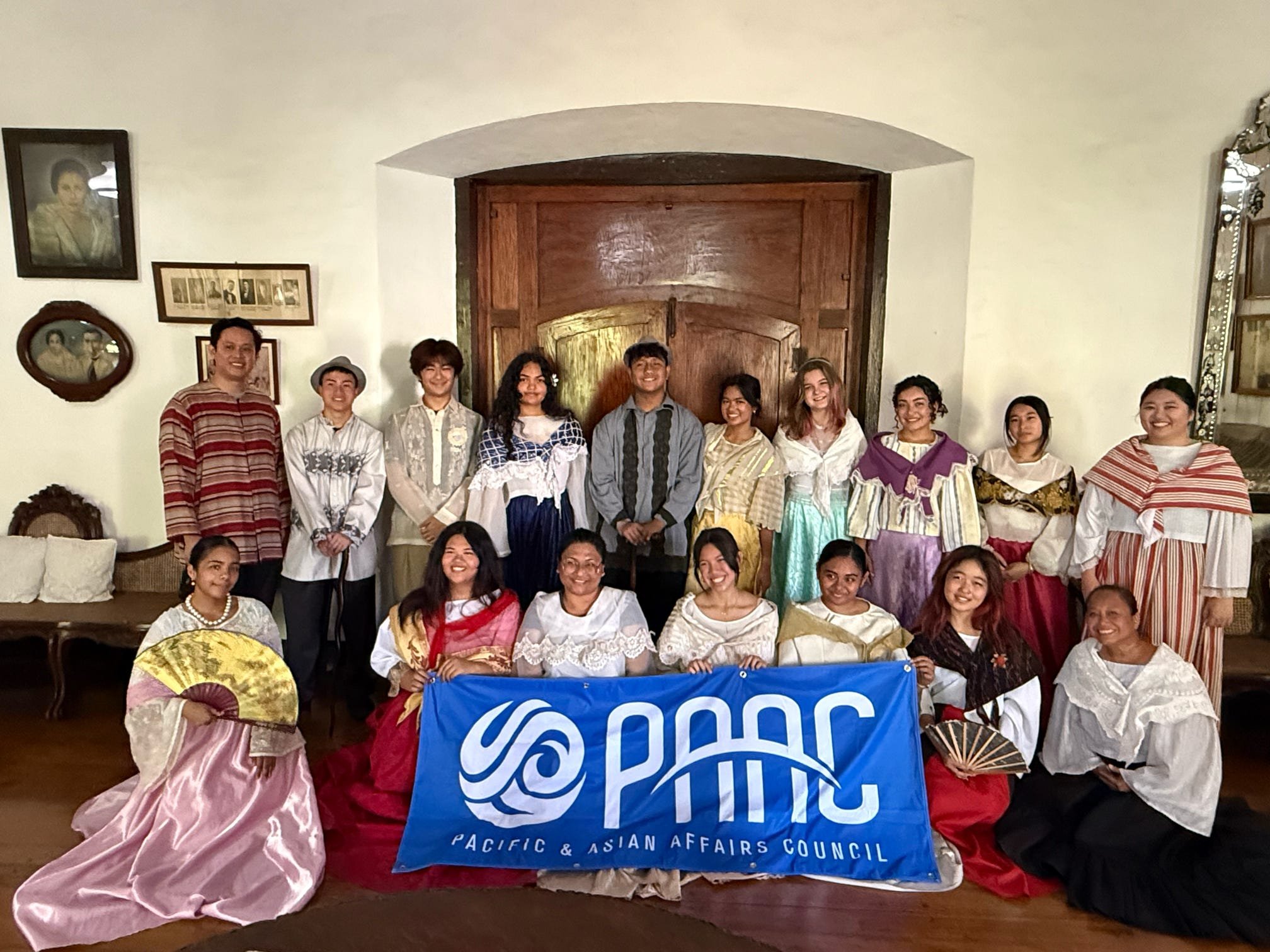
They moved, over the next twelve days, through colonial churches and weaving workshops, government offices and high school courtyards, a pottery factory that may be the last of its kind in the Philippines, rice fields and market stalls, a UNESCO-protected cobblestone street, and a museum in Manila where a floor-to-ceiling mural traced the full arc of Filipino history from pre-colonial life to modern independence. They were welcomed by both provincial governors, attended schools from college campuses to elementary-through-high-school programs, and wore Filipiniana at Villa Angela arriving by calesa, a horse-drawn carriage that nobody had told them they'd love as much as they did.
What the Churches Know
The first full day in Ilocos Norte was the walking kind — through the streets of Laoag, past the tobacco monopoly monument and the colonial capitol, toward the bell tower that appears to be sinking into the earth. It isn't sinking. The roads have simply risen around it, paved higher over generations, until the entrance sits well below street level. Hailey Hadley of Kapaʻa High School stood looking at it and wrote about the meaning that arrived sideways, through architecture: "Without the explanation behind it I wouldn't have even thought that this painting has such a deep story and message that it's trying to convey. This is why I'll try to look between the lines."
That instinct — to look between the lines — would serve them well all week.
At Museo Ilocos Norte, they encountered Juan Luna's Parisian Life for the first time. Their guide explained what most visitors never notice: the outline of the Philippine Islands traced in the curve of the woman's body, a nation encoded in a painting made far from home. Zoe Fernandez of Kaiser High School thought about it for days afterward. "It truly helps someone appreciate art and look for its deep and intricate meanings," she wrote. "I believe that this skill is good to have because it helps you learn more about simple — or intricate — topics."
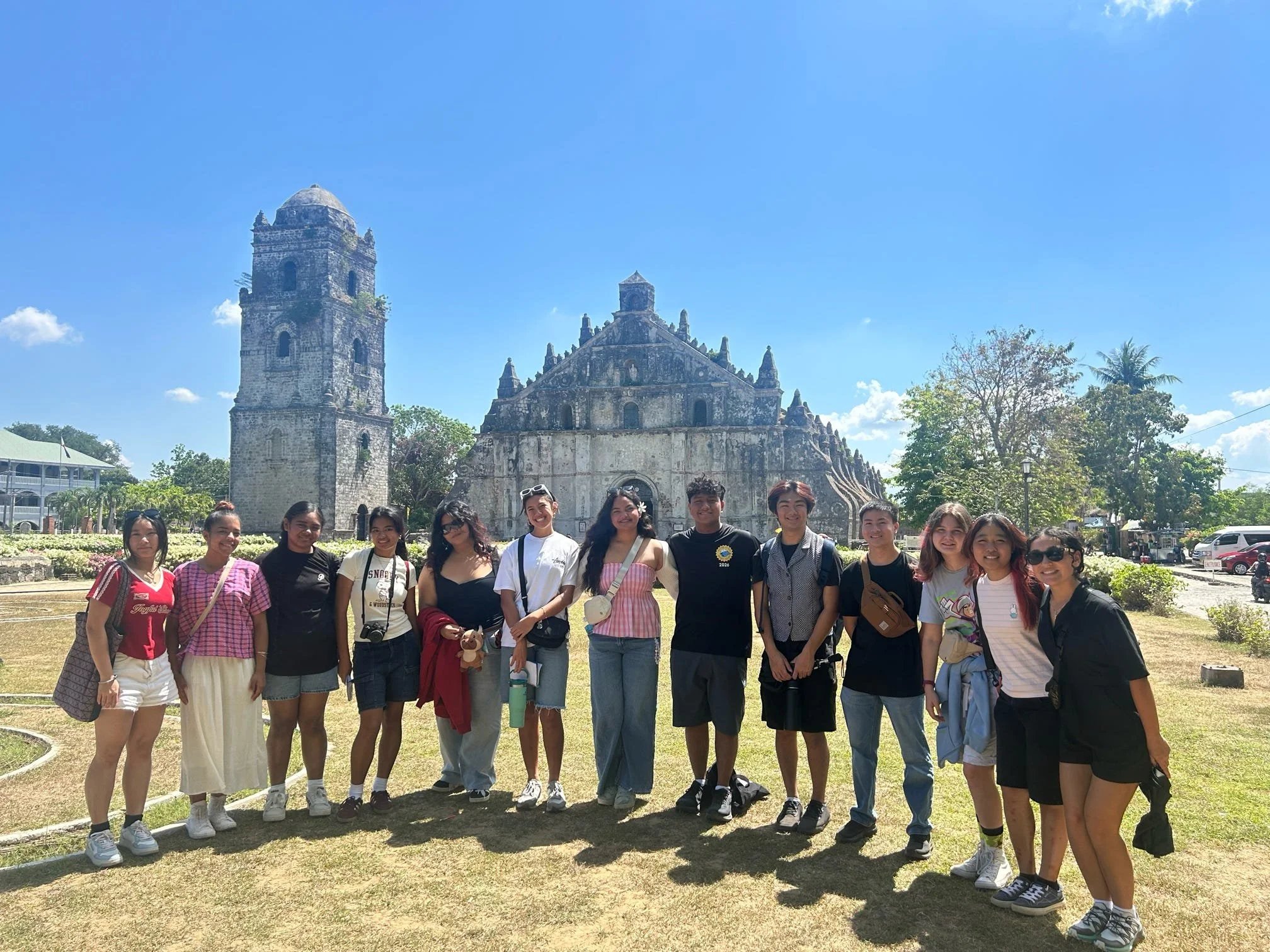
Paoay Church arrived on day three, and it stopped everyone. The structure has stood since 1710. Built not from stone but from coral carried thirteen kilometers from the seawall. Bound together not with cement but with a mortar made from egg whites, lime, and sugarcane juice. The builders knew earthquakes were coming — the massive lateral buttresses that flank the church like outstretched arms were designed to absorb shock, to crack deliberately and save the walls. The bell tower was positioned apart from the church on purpose: too top-heavy to survive a major tremor connected to the main structure, so they separated it and trusted that both would stand.
Zoe, who loves both cooking and architecture, could not stop talking about the egg whites. Two of her passions had found each other in a single building. Julie Matsumoto wrote about standing inside and feeling, for the first time in her life, the particular way stone carries history differently than any photograph can: "I will never forget the courage that the revolutionaries experienced to stand against a superpower like Spain, and especially the way that these events can still apply today."
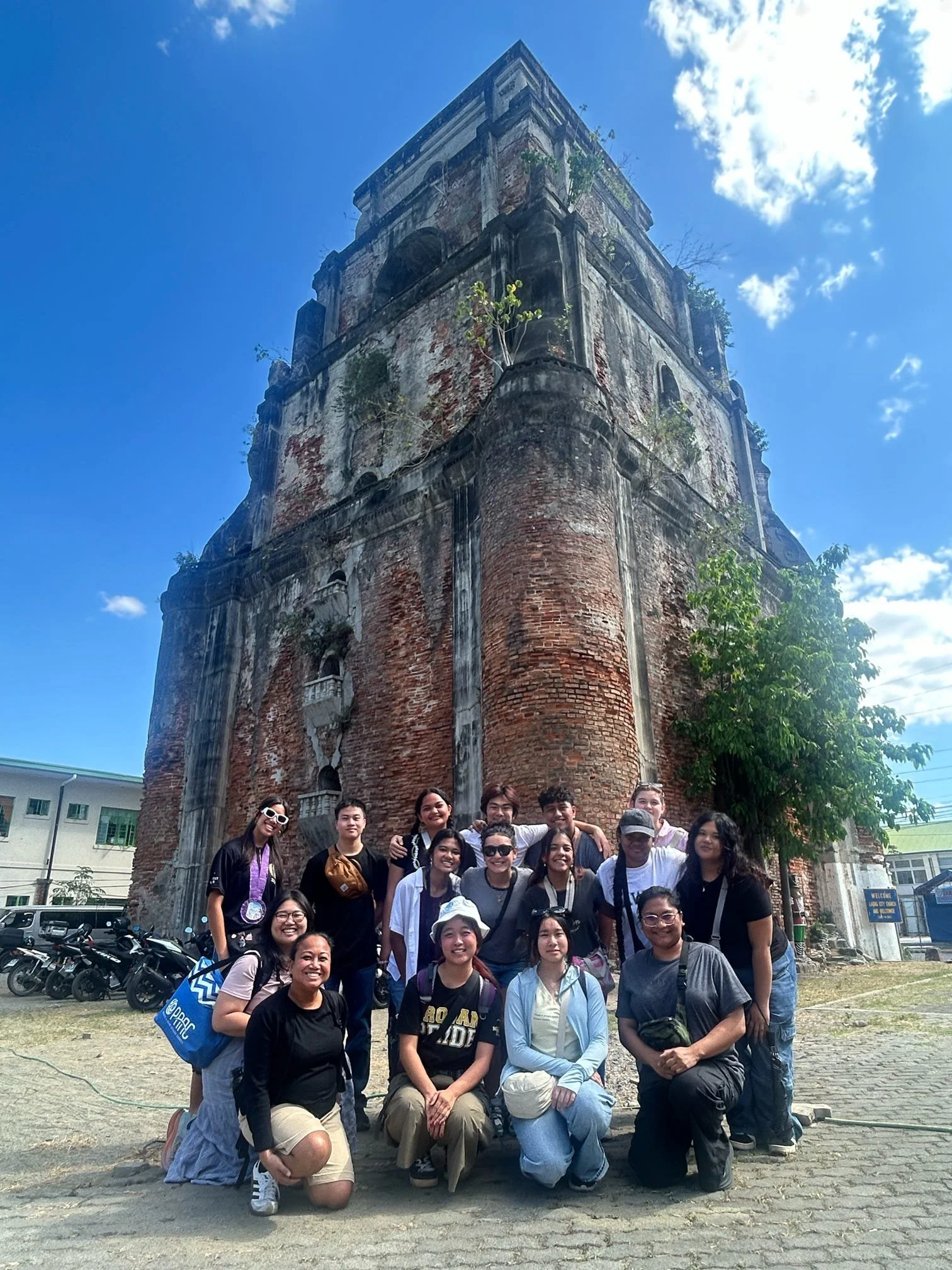
What Manong Bernard's House Contained
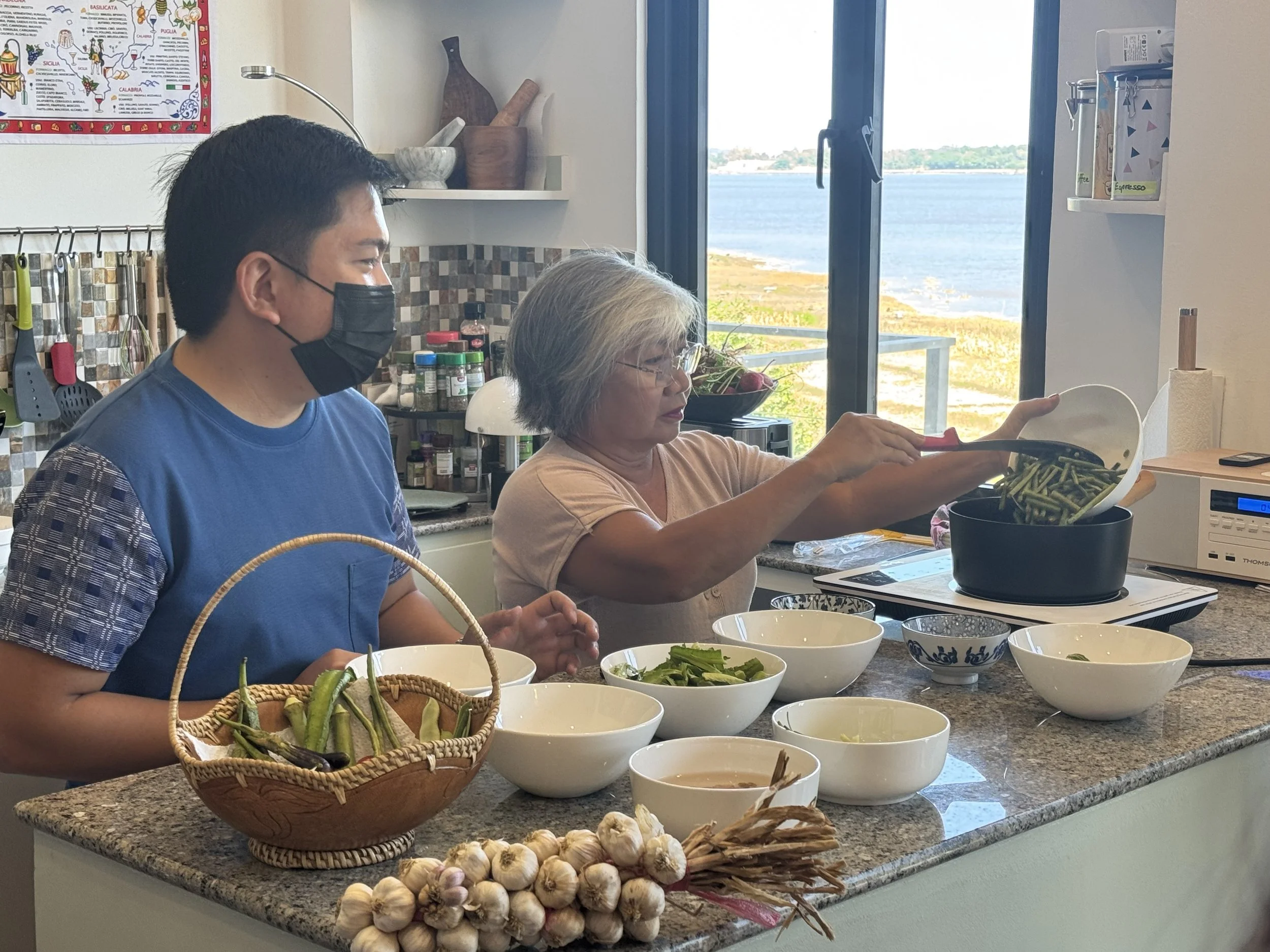
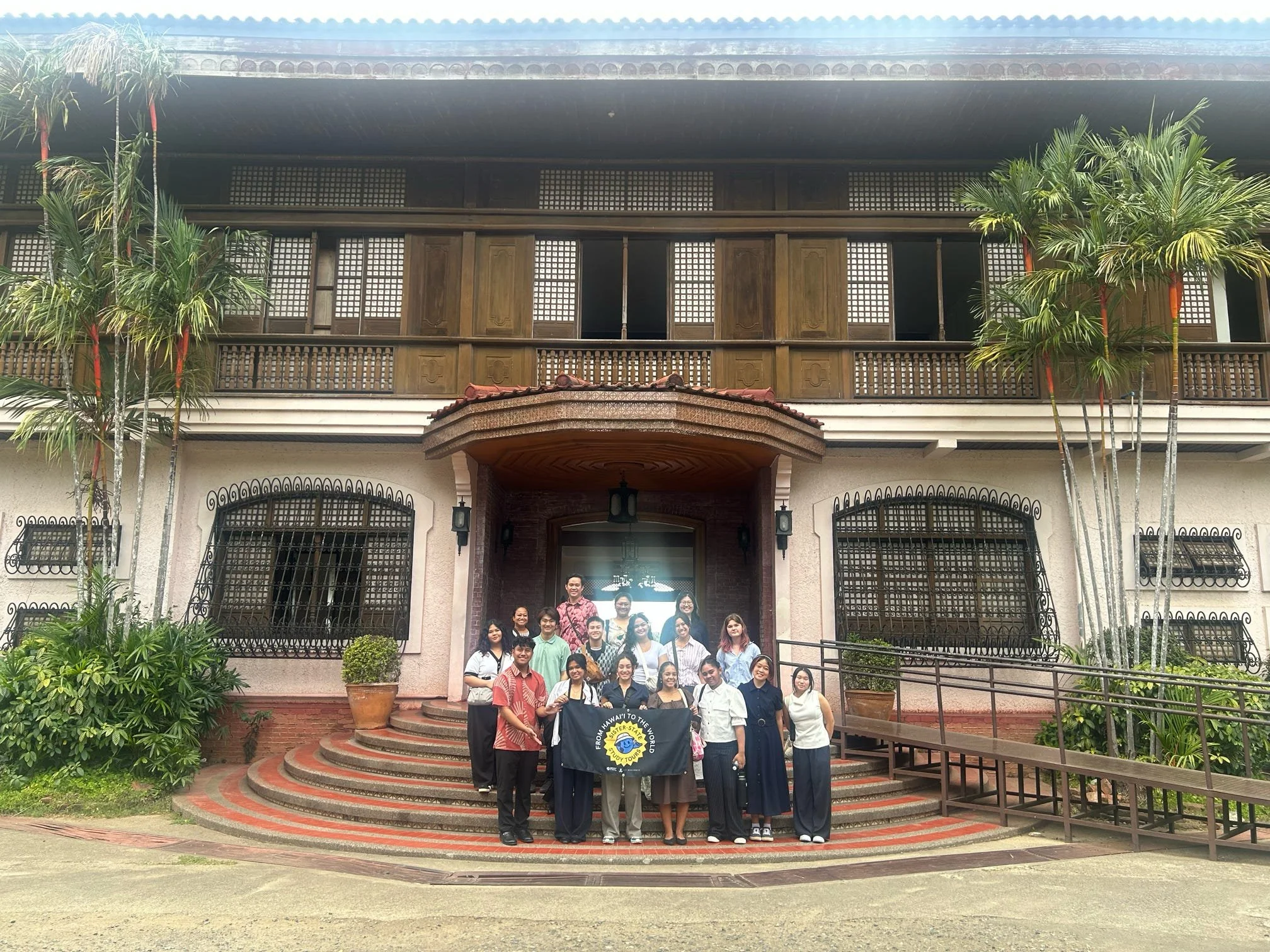
Near Paoay Lake, the delegation visited the home of Bernard Joseph Esposo Guerrero — cultural practitioner, historian, the delegation's on-the-ground guide — and encountered something that no itinerary could have fully anticipated.
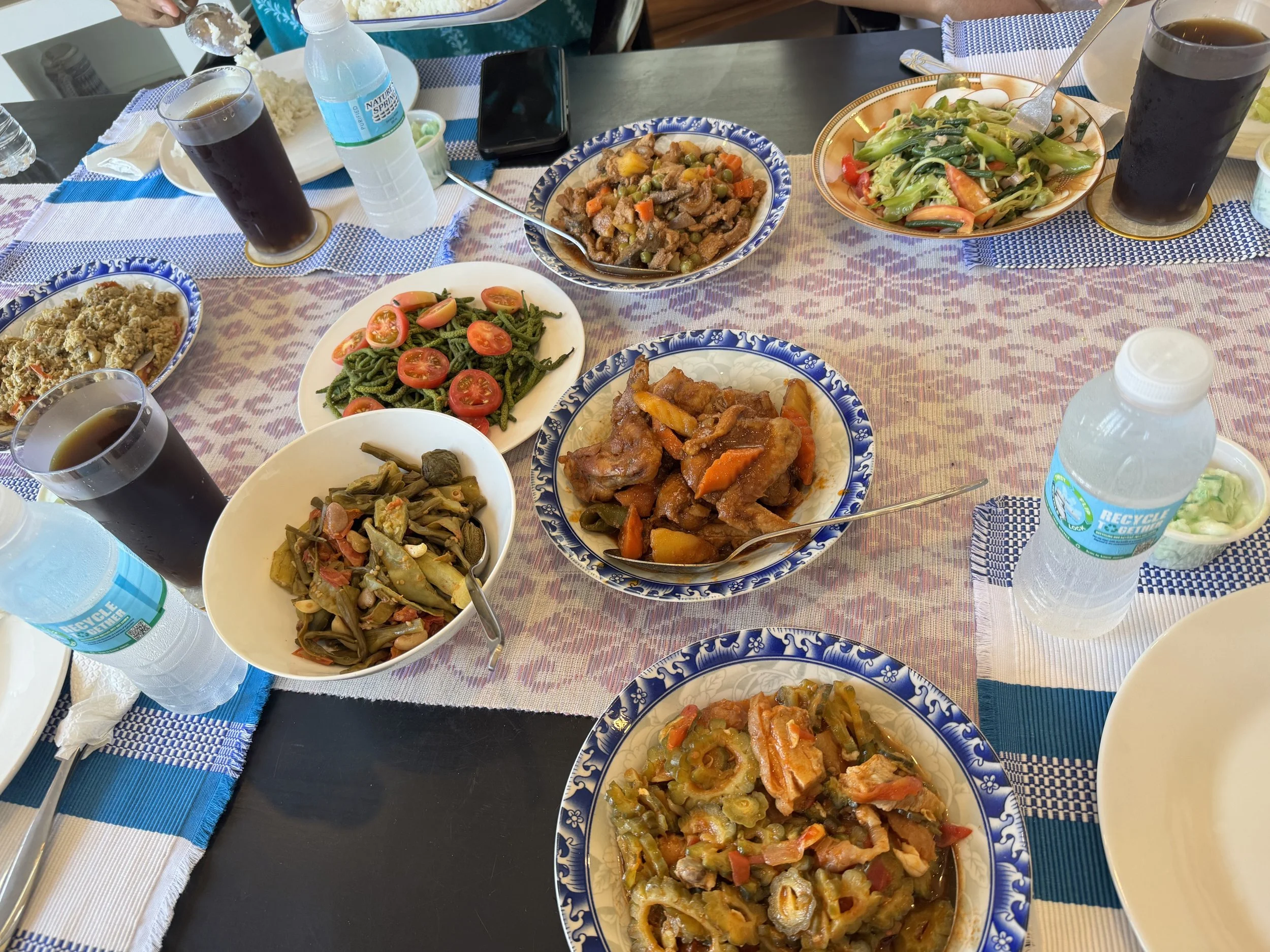
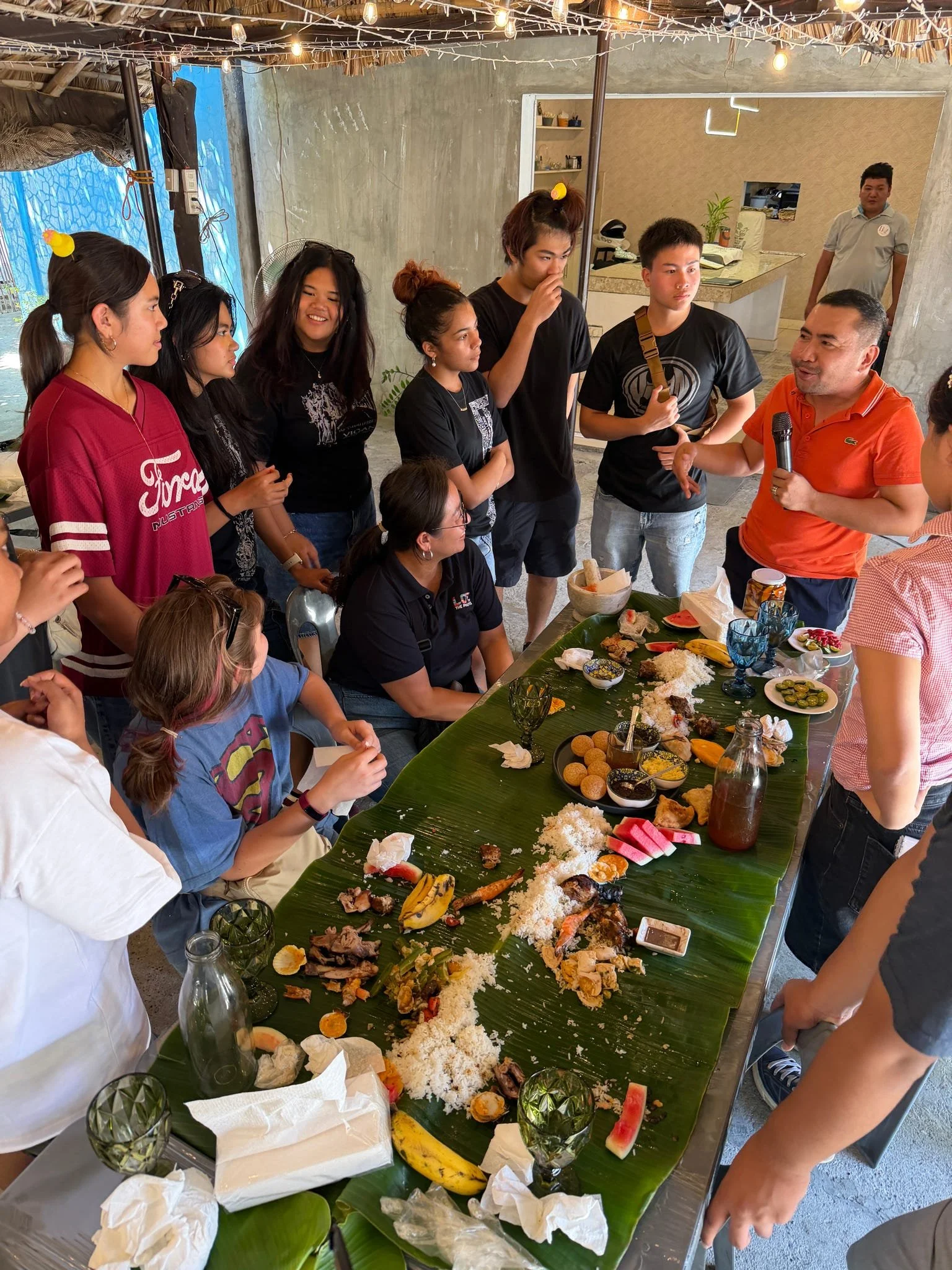
Manong Bernard had been collecting for decades. His house held textiles acquired from Ilocano royalty, pre-colonial artifacts, ceramics that traced the long thread of Chinese trade influence through the islands, and documentation of dying cultural practices that he had spent much of his adult life attempting to preserve. His mother was in the kitchen. She made pinakbet for them while they were there. A performer recited dalot — the traditional Ilocano oral poetry form — while everyone listened.
Aggie Watt of Kūlanihākoʻi High School wrote: "SO AWESOME." Cade Goya, who had arrived with some skepticism about whether twelve days could really change anything, wrote that it was "unforgettable." Julie Matsumoto found in that house what she had been trying to name all week: "The aloha in that house reminded me why I came."
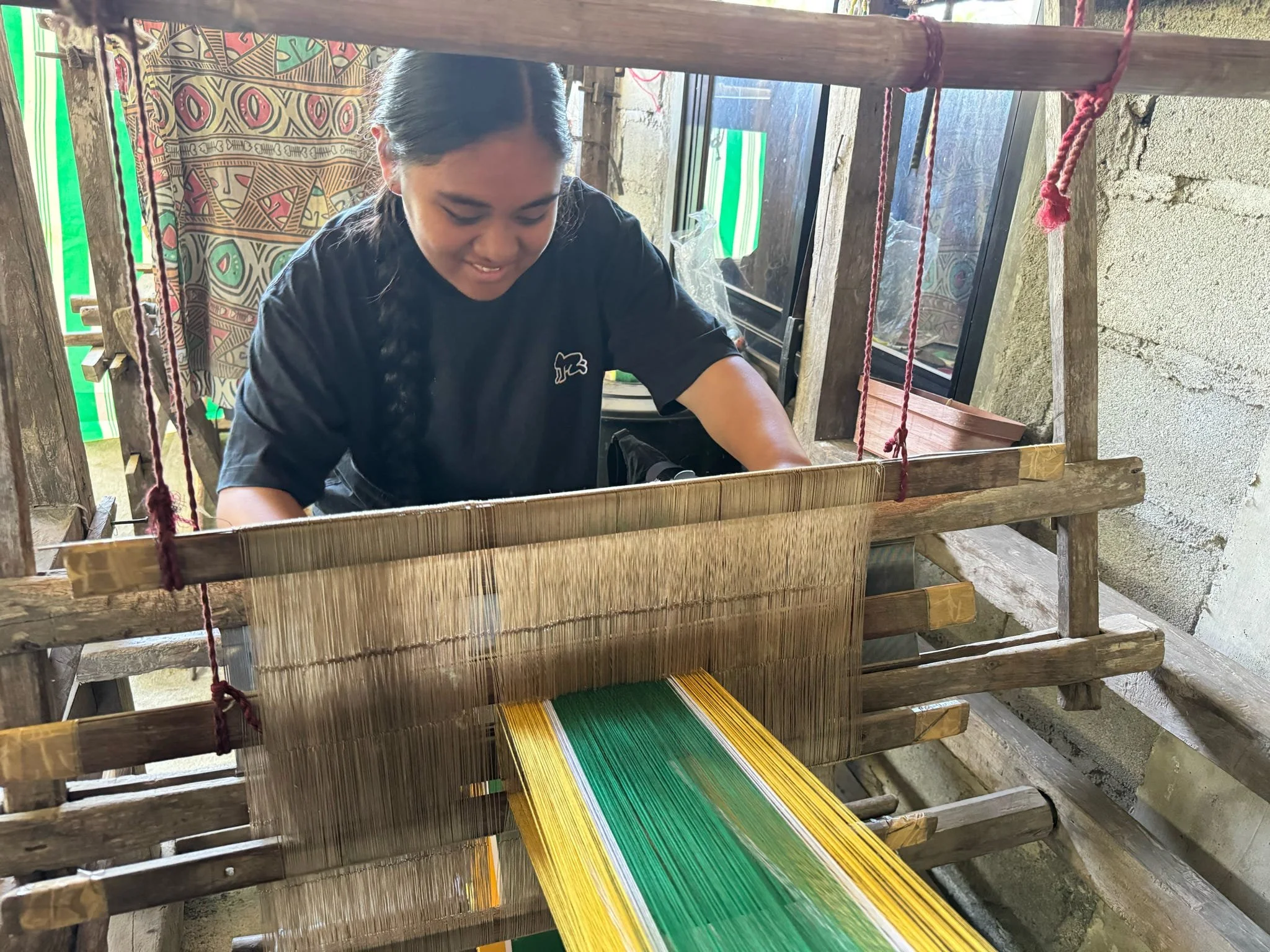
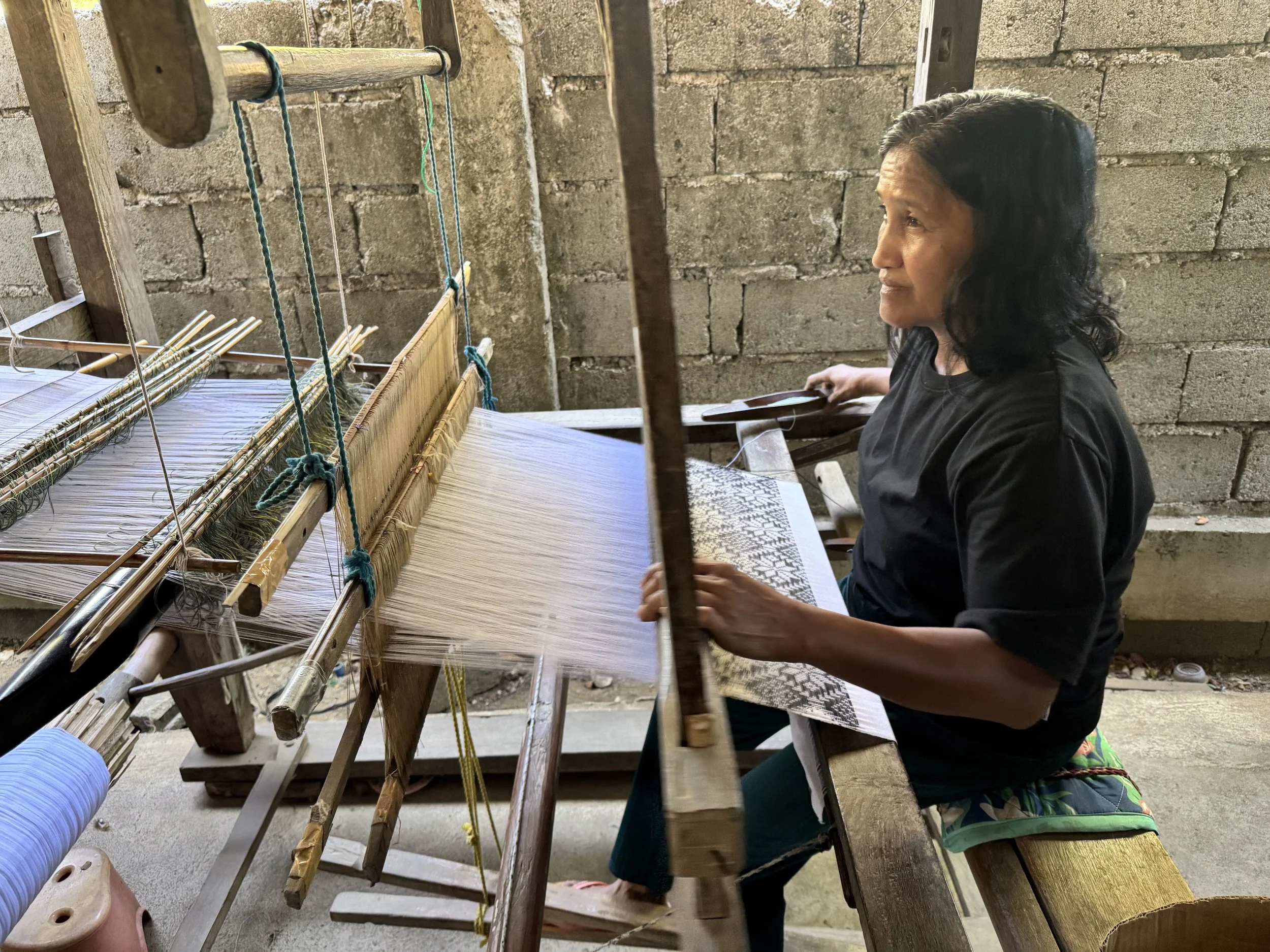
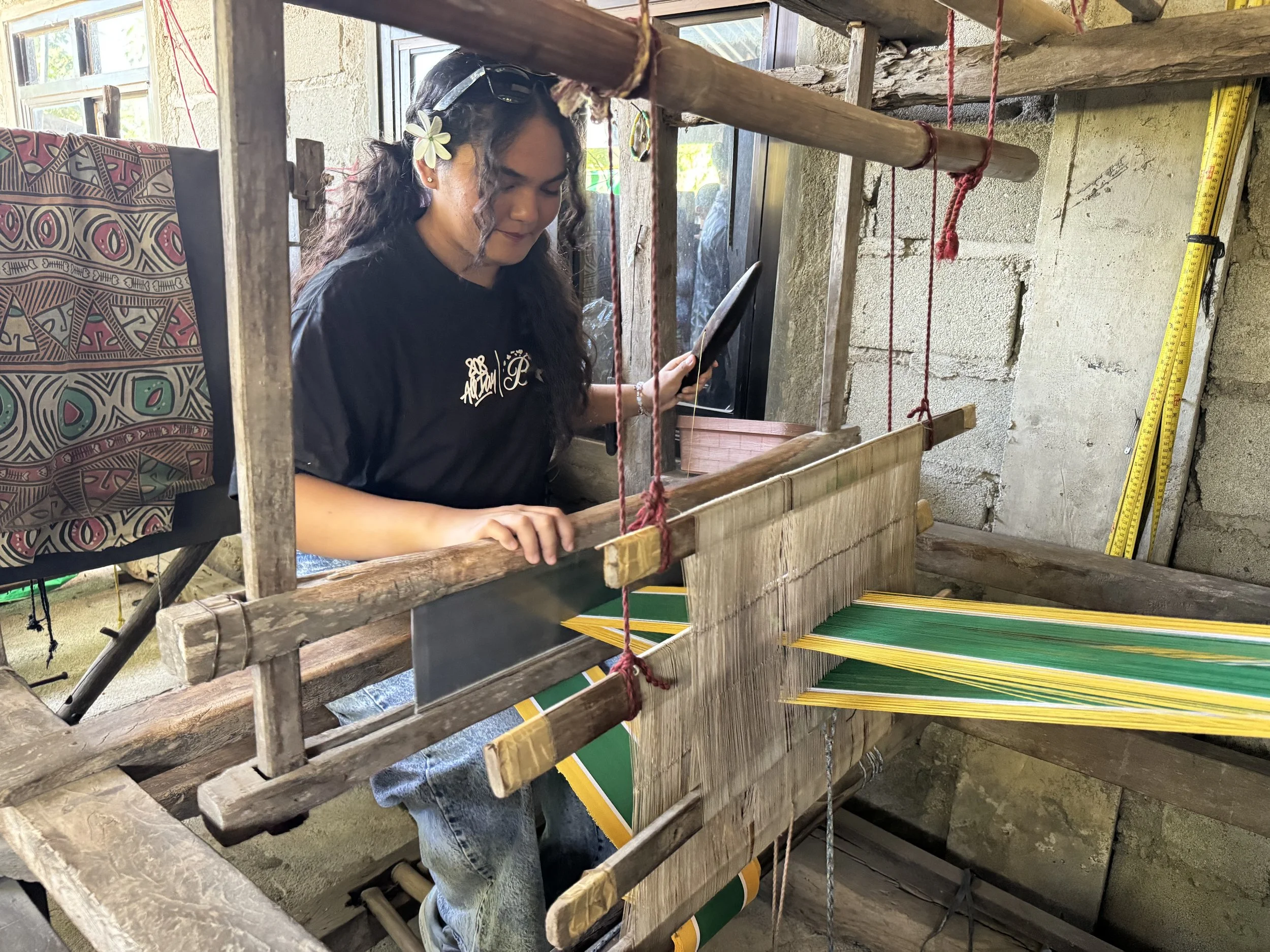
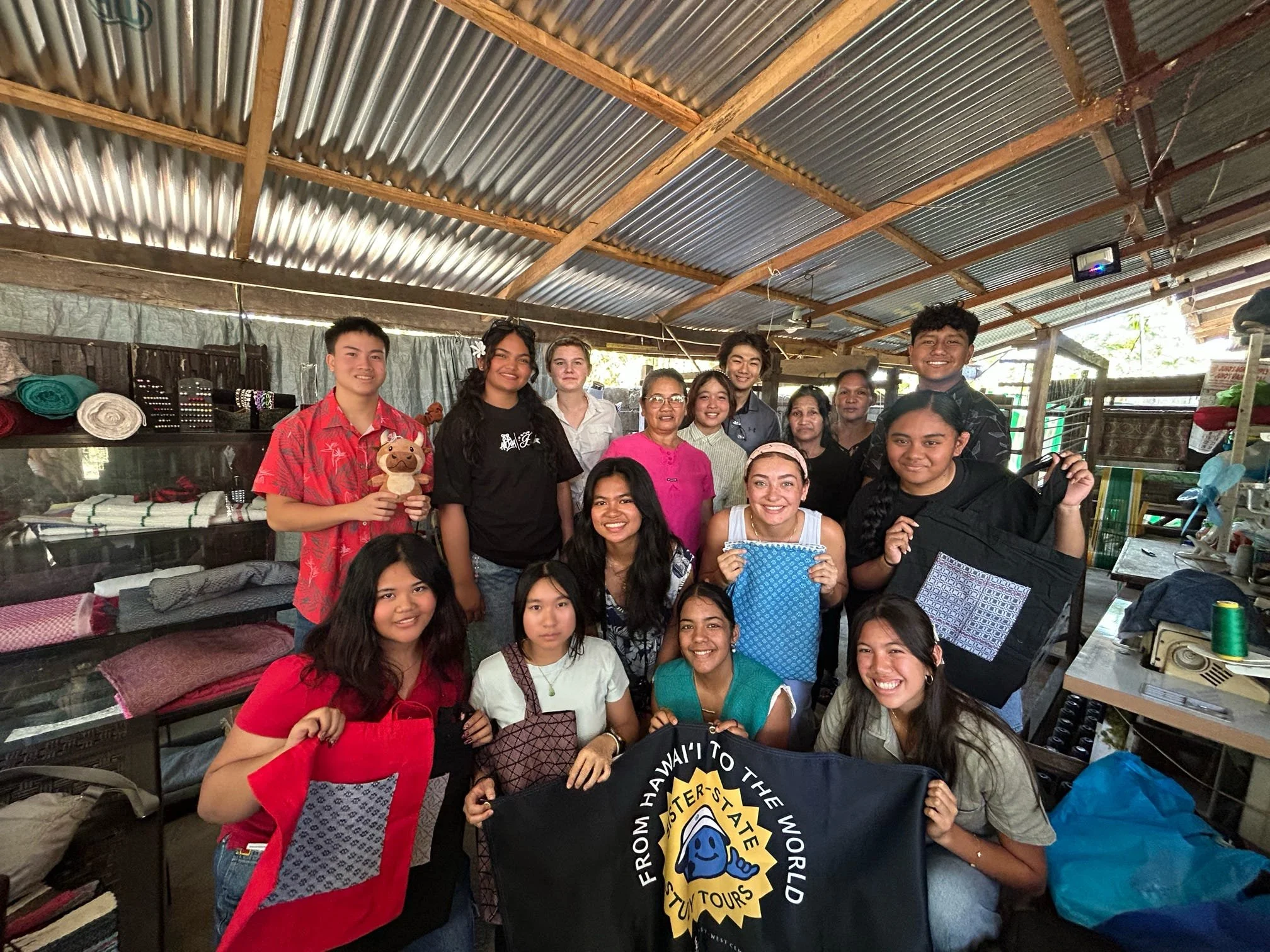
The visit had been preceded by a stop at the local weavers — women who sit at traditional looms for hours each day, producing Inabel textiles one painstaking inch at a time, paid a fraction of what their work is worth. The fastest weaver, working the simplest stripe pattern, can produce three yards a day. The most intricate design, sinukitan, yields perhaps one yard. The students had stood at the loom and tried. The loom required their full bodies — feet, hands, weight, timing. After sixty seconds, they understood something that no explanation could have delivered.
Hailey, who bought a textile from the weavers and learned the name of the woman who made it, wrote: "I've found a new appreciation for the people who actually take the time to make things that are so meaningful for others." Lakeisha, who had been thinking about cultural preservation since the orientation, sat across from Mang Leoni, Mang Susan, and Mang Oliva and listened to their stories about declining demand, about looms sold during the pandemic, about the quiet determination to keep weaving anyway. She came home with a book on Ilokano history and a set of questions she is still working through.
The School That Played Drums
Ask anyone in the cohort what they'll carry longest, and the answer nearly always loops back to Paoay National High School.
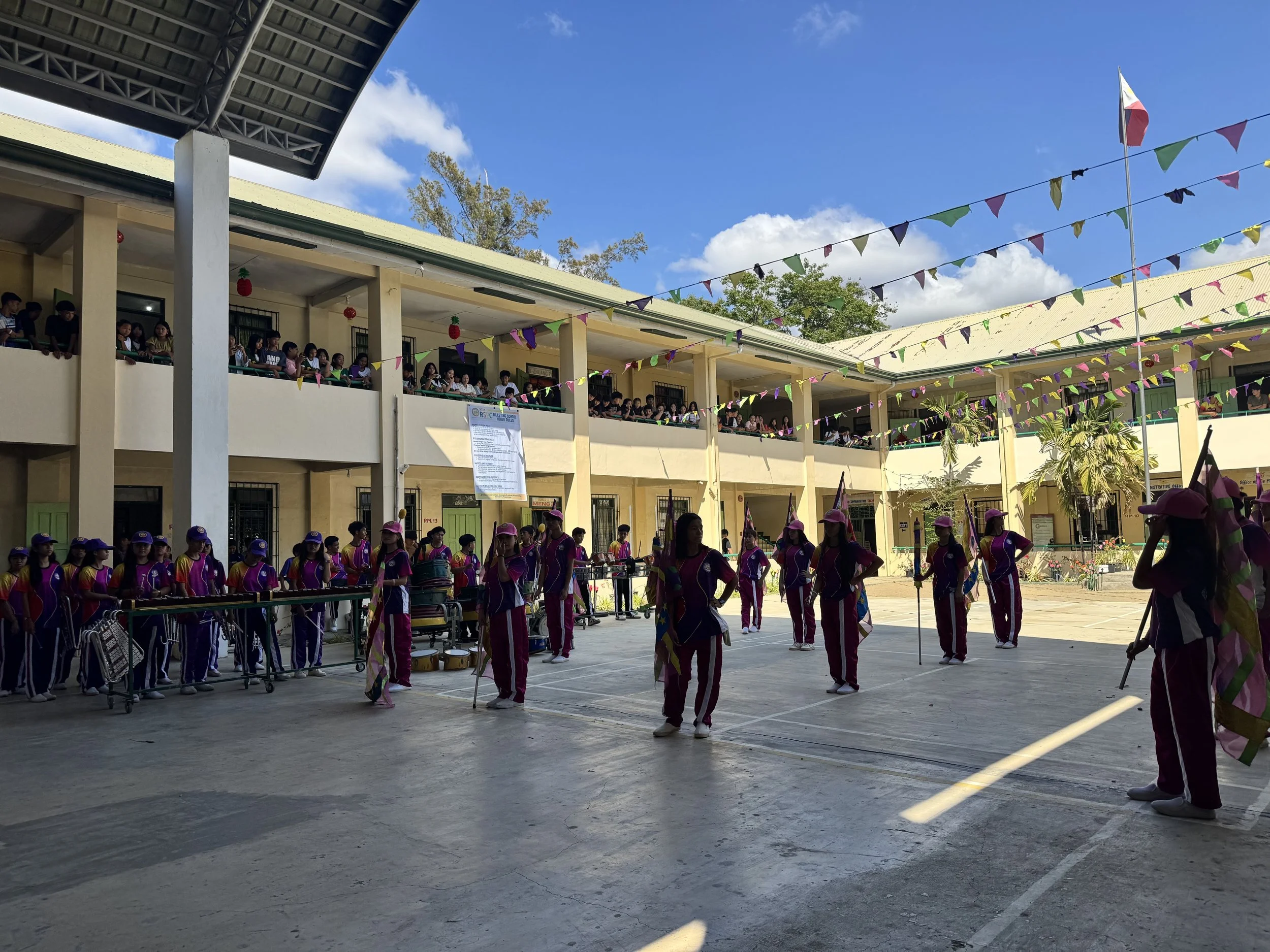
The delegation approached the school to find a full marching band and color guard performing in the courtyard — students their own age, in formation, giving everything to a welcome for people they had never met. Gabriel Akima wrote that he felt aloha thousands of miles from home. Hunter Lee of Pāhoa High got chicken skin. He had not known what to expect. When the energy hit him, his only response was to try to match it.
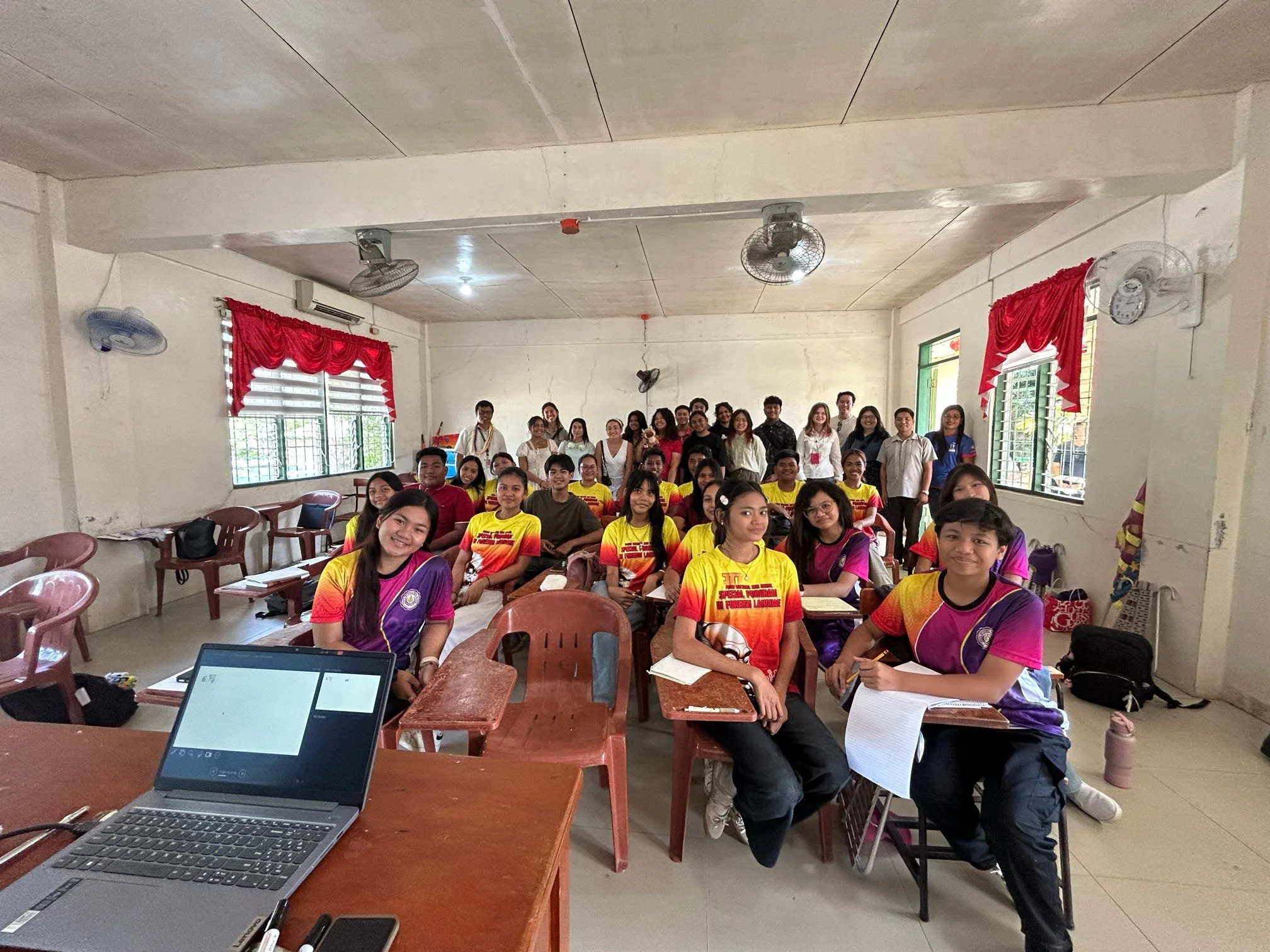
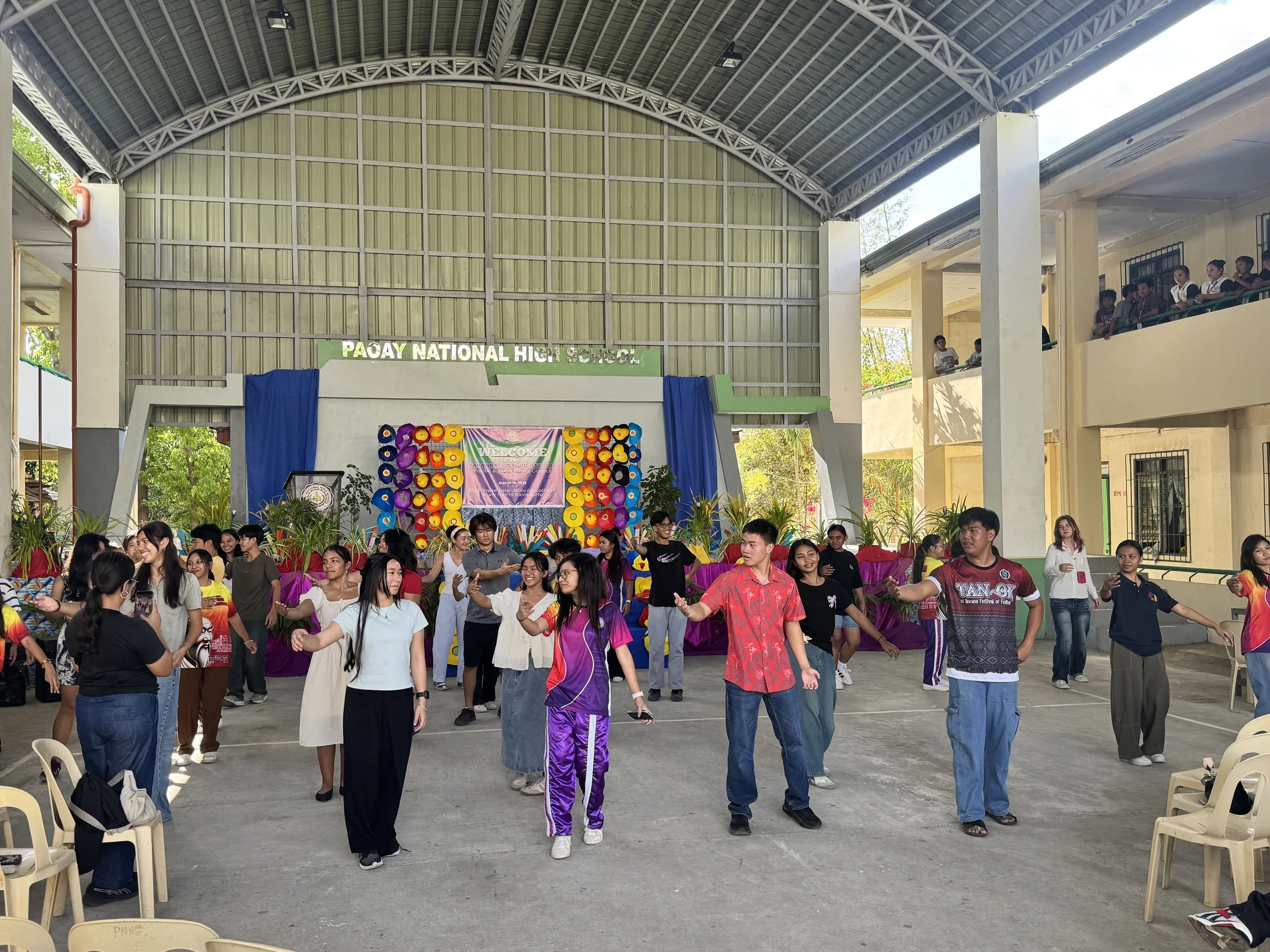
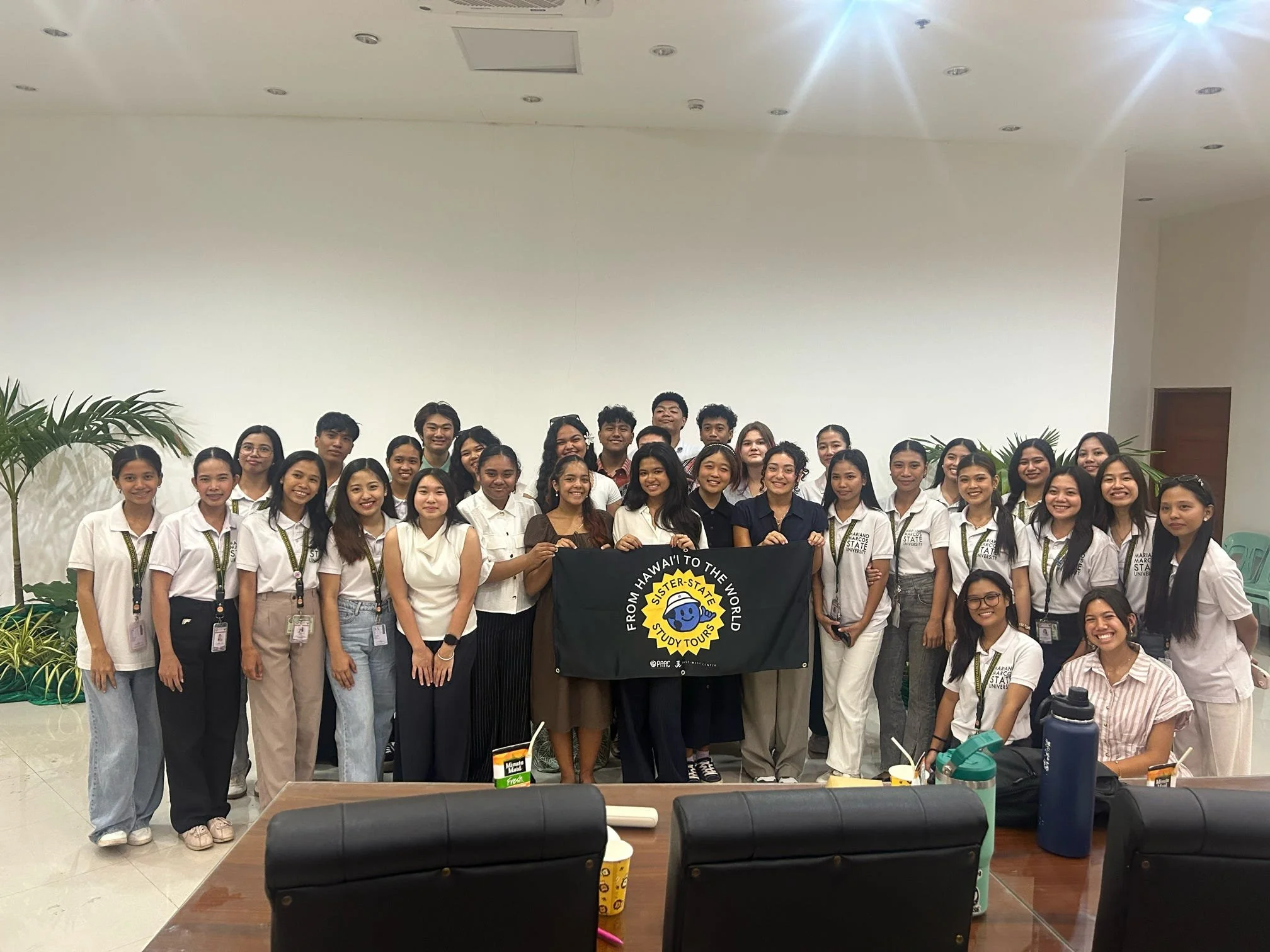
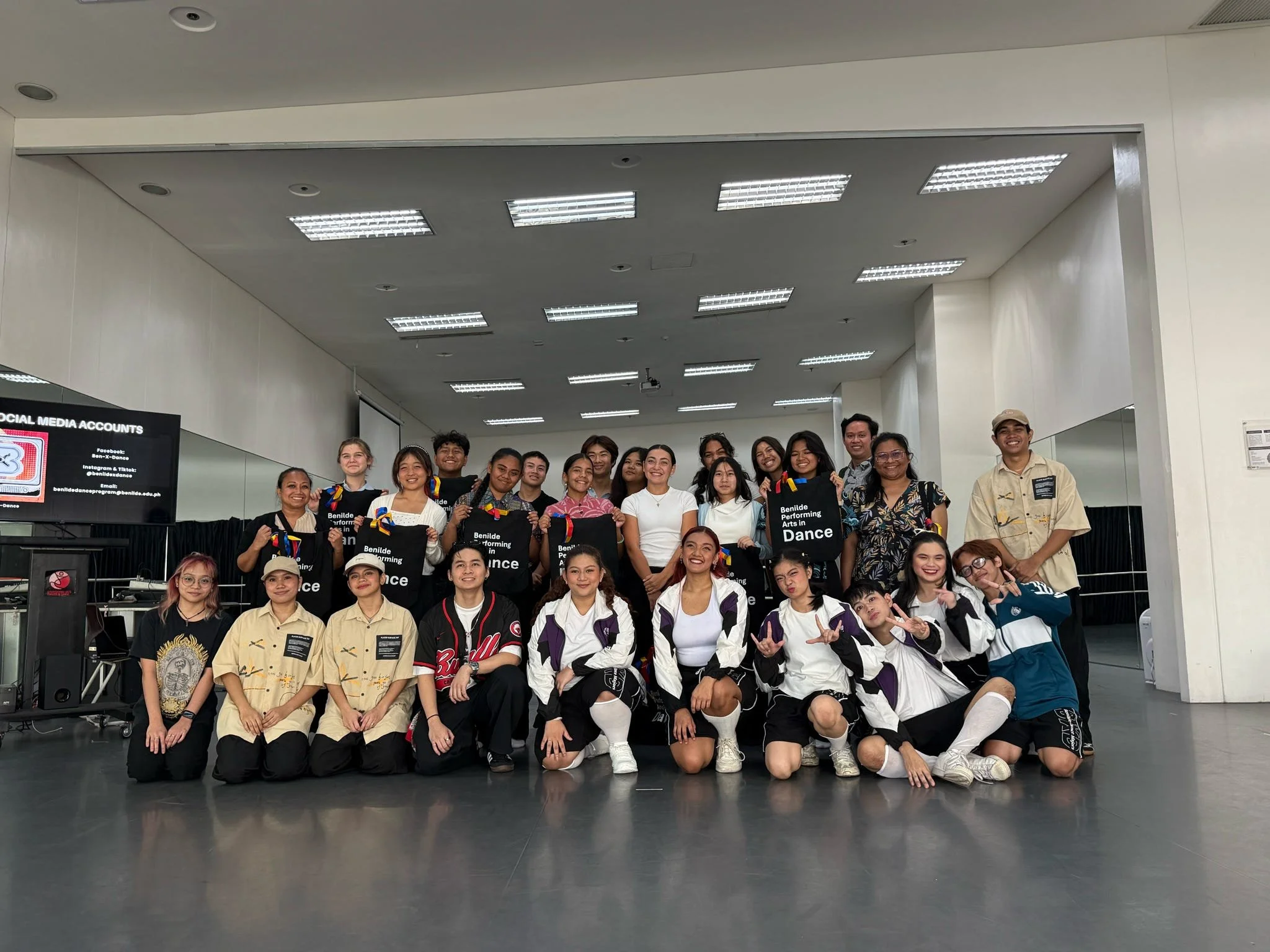
What followed was a day that, by every student account, scrambled the usual categories of host and guest. The Paoay students taught dances; the Hawaiʻi students taught hula. Kapualani led a workshop in the middle of the courtyard, calling out steps while students crowded around her. Angela Querubin said "po" — the Ilocano/Filipino marker of respect — until the whole cohort had picked it up by reflex. Yinyi Chen of Kalani High School exchanged contacts with new friends and asked them to teach her phrases. Julia Bowman said the speed at which genuine connections formed across language, across distance, across cultures, was the most surprising thing about the entire trip.
"The most important connection," Cade Goya wrote afterward, "felt almost instant — an unspoken connection through dance, through song, through history, and really telling us what it means to be a Sister-State."
The students from Paoay told the Hawaiʻi delegation they were the first international visitors to ever come to their school. They said they wished they could stay a week. Several are still in contact.
The Rooms They Walked Through
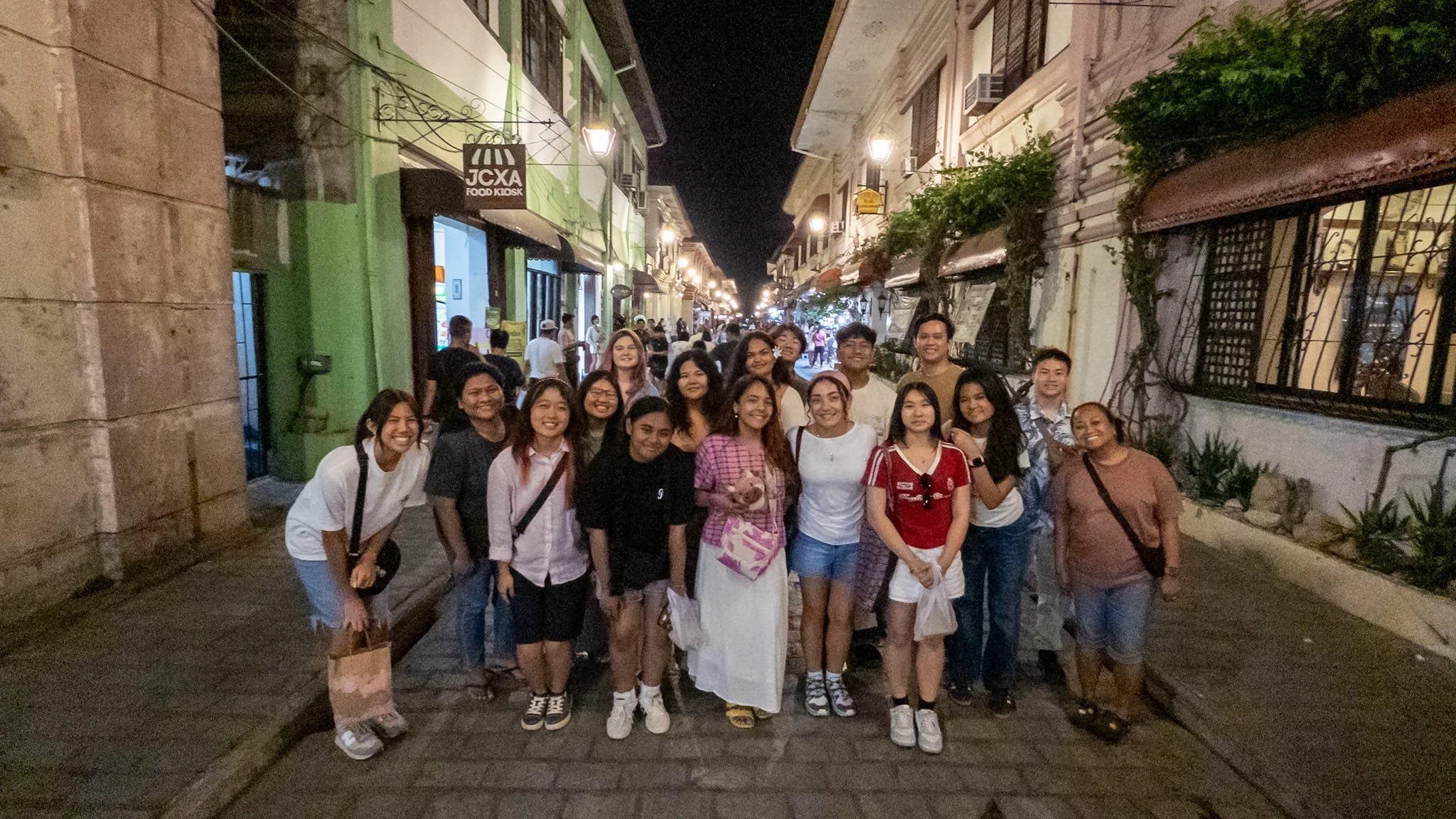
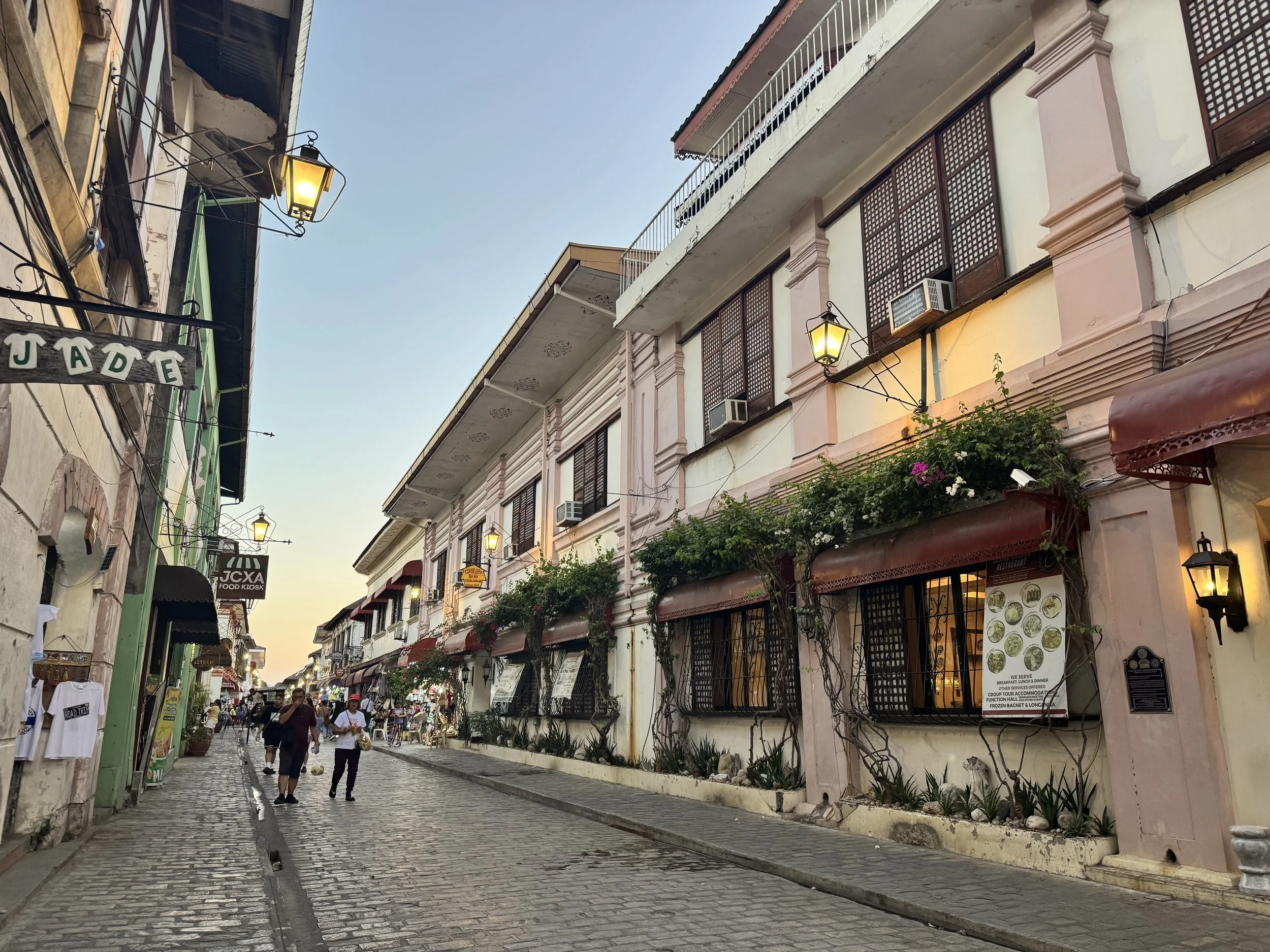
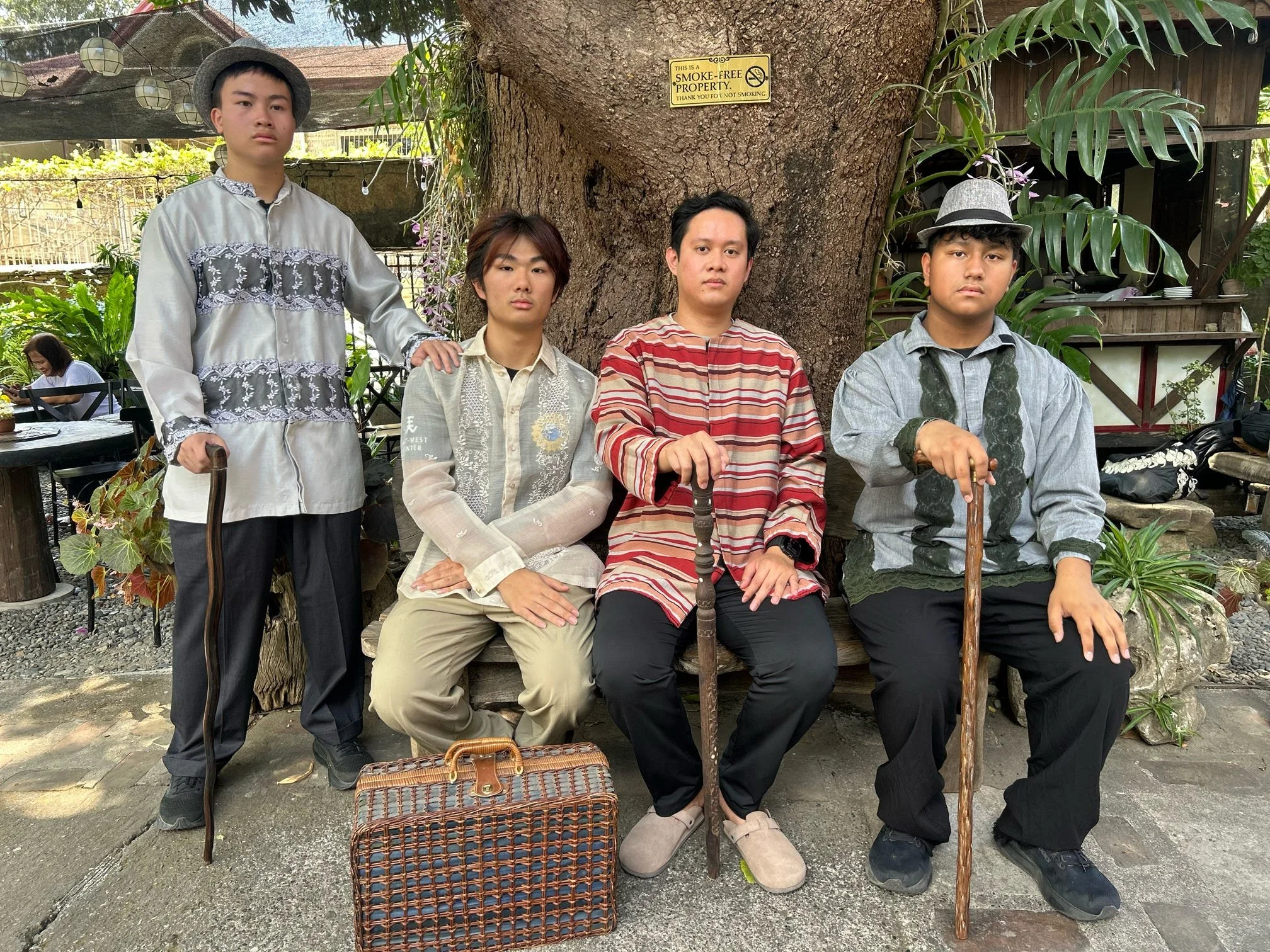
Vigan is a city the Spanish preserved almost by accident — it survived the Pacific War largely intact while Manila burned — and walking its cobblestone streets felt, to several students, like entering a different layer of time. The calesa rides had been charming and fast and slightly disorienting. The Filipiniana photoshoot at Villa Angela had been, by most accounts, genuinely joyful: teenagers in formal historical dress taking pictures of each other, laughing at themselves, borrowing confidence from borrowed clothes.
But it was the walking tour — the slow passage through the old city, through museums and restored houses and streets where the architecture changed century by century — that left the deepest marks. Lakeisha, who noticed the way the tourist street and the residential street had been kept deliberately separate, connected it to Waikīkī. Cade drew a line between Vigan and downtown Hilo. Julie, who had arrived already knowing about Juan Luna from art history, stood in front of the Spoliarium in Manila's National Museum of Fine Arts and felt the painting physically — the scale of it, the weight of what it depicted. "Words cannot express how much I have learned from this trip," she wrote at the end.
During the final evening in Ilocos Sur, the cohort sat together and wrote letters of appreciation. Angela described it as the night she felt the trip become what it was always going to be: "Everyone sat focused but also enjoyed each other's presence."
The Embassy Question
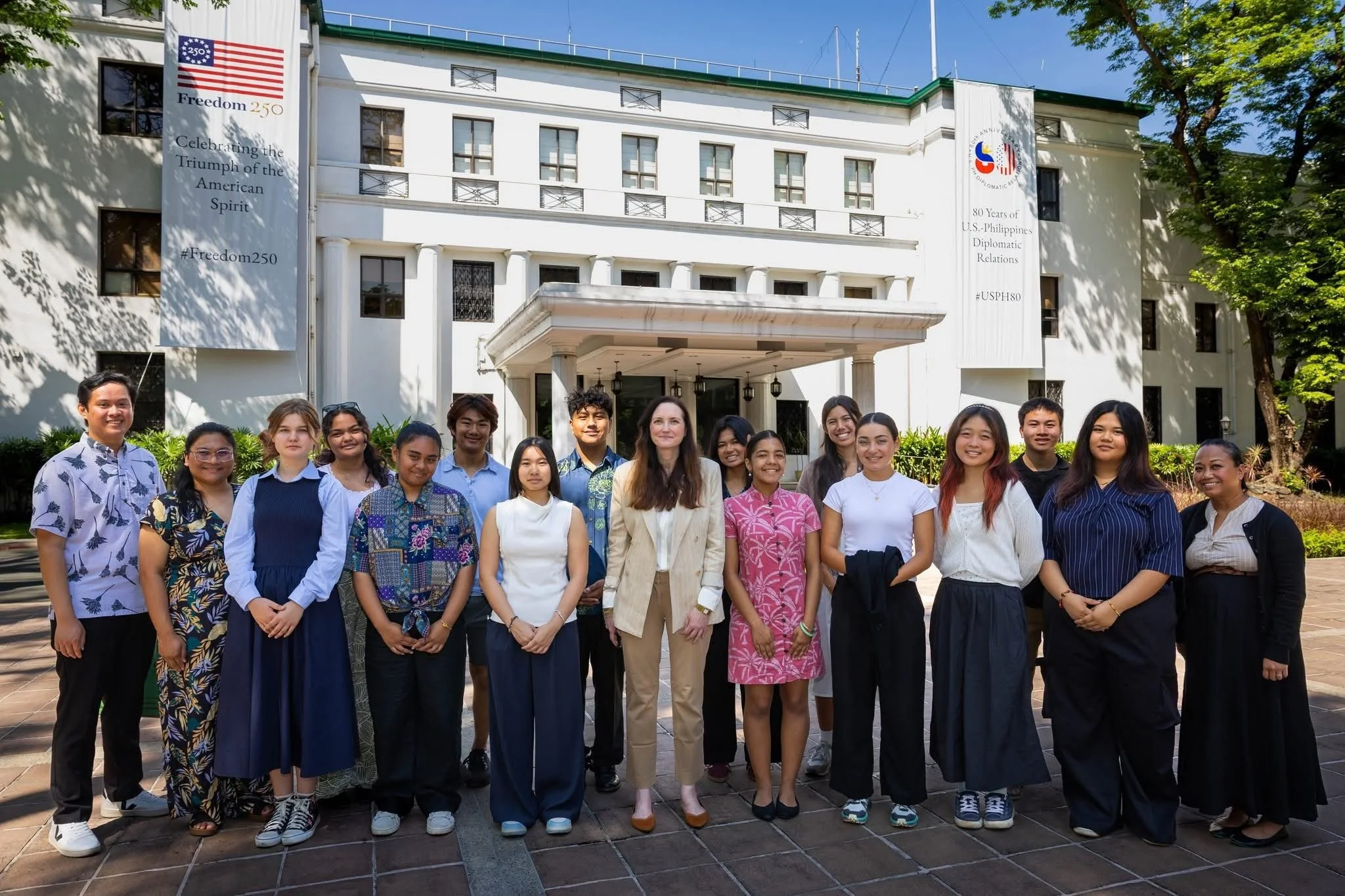
On the final days in Manila, at the U.S. Embassy, several things clarified.
Julie Matsumoto had known since her 2024 PAAC study tour to Japan that she wanted to work internationally. She hadn't known in what form. Sitting across from Foreign Service Officers who described their careers — the movement between postings, the daily work of connecting communities across borders, the education exchange programs that brought students from the Philippines to universities in the United States — she wrote: "I have never felt that lightbulb moment so strongly in my life. They were right when they said you'll know a career is meant for you."
Kapualani walked out with the same feeling. "I want to travel the world and connect with the communities that I go to," she wrote. "This relates to Hawaiʻi's global connections because it opens the door for more to be made."
Yinyi, who had been taking notes all trip, who had stopped for a long time in front of The Struggles of the Philippines Throughout History at the National Museum — a multi-panel work tracing the arc from pre-colonial trade to modern peace, ending with two doves in a field of quiet blue — took a photograph and wrote her field notes, and carried the image home. By the end of the trip, she said, it had become her favorite work of art she had ever seen.
What They're Carrying Home
Angela Querubin had left the Philippines as a child. She had spent years worrying, she wrote, that something essential had been left behind when she got on that plane. Landing at Ninoy Aquino International Airport, she felt the worry lift: "When I first left Manila, I was worried that I wasn't gonna fit in or that I was gonna lose a part of my identity forever. When I went back, I realized that my identity never left me."
She plans to start a PAAC club at Kauaʻi High School.
Cade Goya came home more adaptable and more committed to understanding what economic inequity looks like across the Pacific — in the faces of the weavers, in the farming families, in the brilliant high school students who told him they wished they could visit Hawaiʻi but couldn't afford to. Zoe Fernandez came home happier, she said — more appreciative, more present. Hunter Lee, who had been genuinely unsure whether his humor would be welcome, came home carrying a little bit of every person he'd met. Hailey Hadley put it plainly: "I can truthfully say that I felt like I got wiser and have grown more ambitious."
And Lakeisha, who had ranked the Philippines last on her original preference list for study tour destinations, wrote at the end of her reflections: "I would change that in a heartbeat. Going to the Philippines in an educational context truly has helped me understand more about who I am and why I am the way I am."
This is what the relationship between Hawaiʻi and the Ilocos actually looks like at scale: not a document in an archive, not a ceremony in a conference room, but thirteen students from thirteen public schools — representing six islands, carrying leis and questions and the best intentions of their communities — arriving in a place that had been sending its people to Hawaiʻi for over a century, and being welcomed like they were already known.
Because in many ways, they were.
The 2026 PAAC Sister-State Study Tour to Ilocos Norte and Ilocos Sur was made possible through the partnership of PAAC and the East-West Center, with support from the State of Hawaiʻi. The Ilocos delegation joins concurrent cohorts in Jeju Island and Okinawa as part of the largest student ambassador program in PAAC's history. To learn more about PAAC's global education programs and support future delegations, visit paachawaii.org.
