
They Went to Okinawa, Jeju, and Ilocos. Then They Came Home and Told Us What They Found. 2026 Sister-State Study Tours Student Ambassador Showcase
On a Saturday morning in April, 42 public high school students from across Hawaiʻi stood before diplomats, state legislators, and education leaders and delivered something no briefing document could replicate: the truth of what they’d seen.
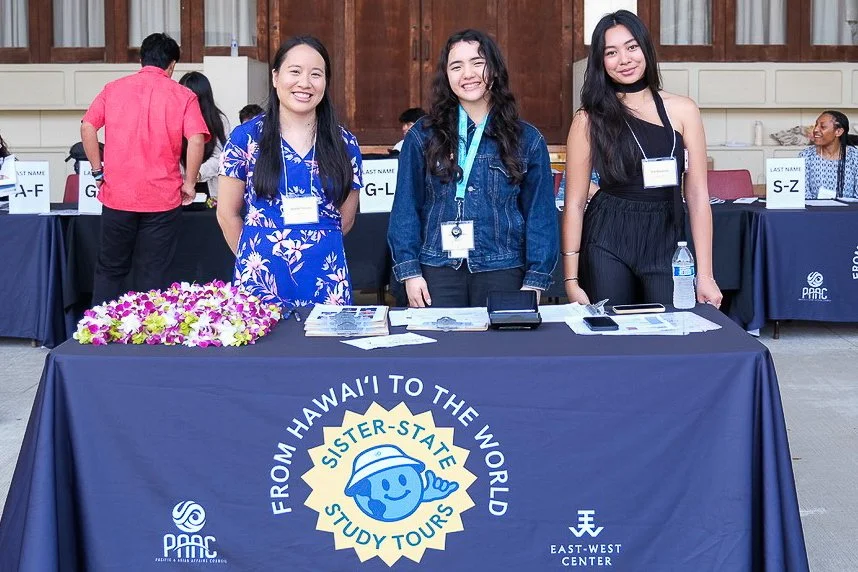
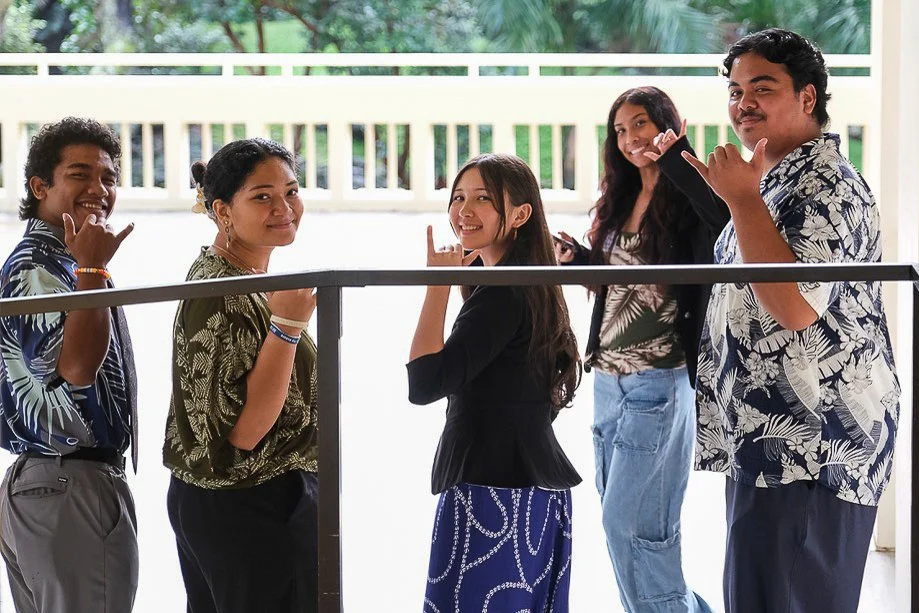
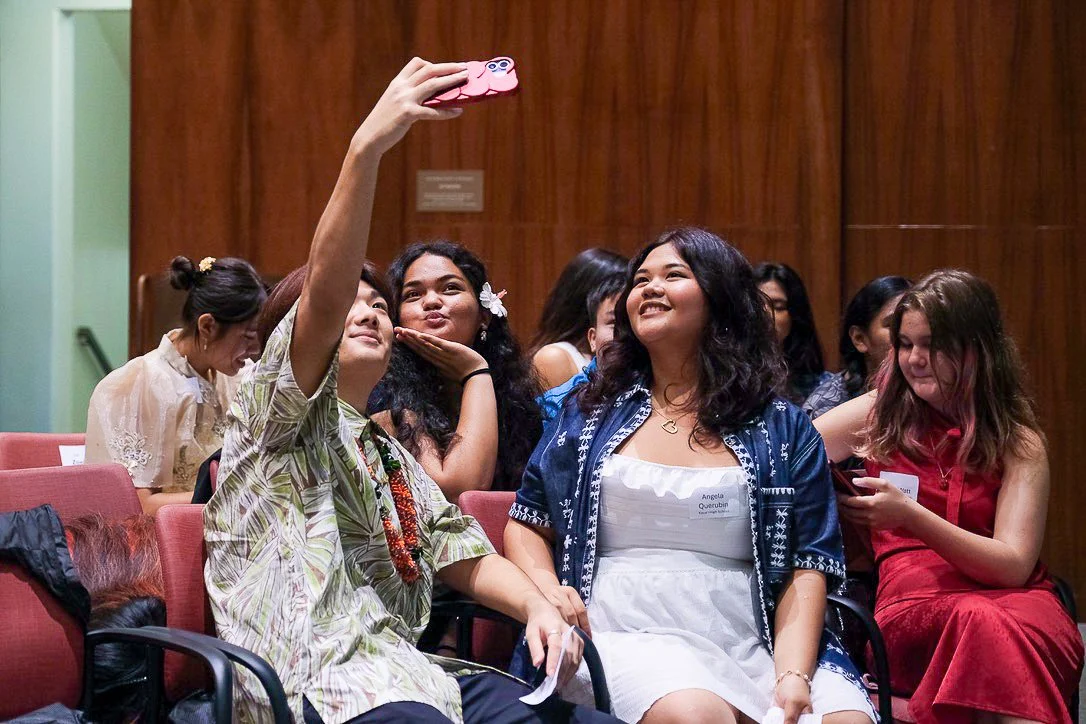
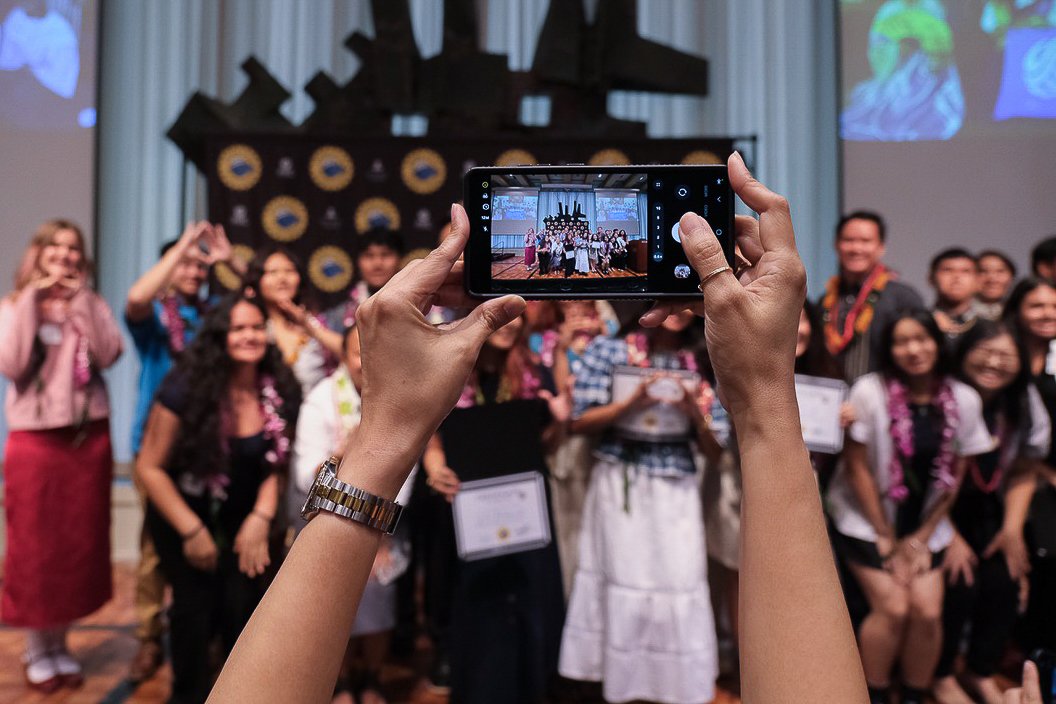
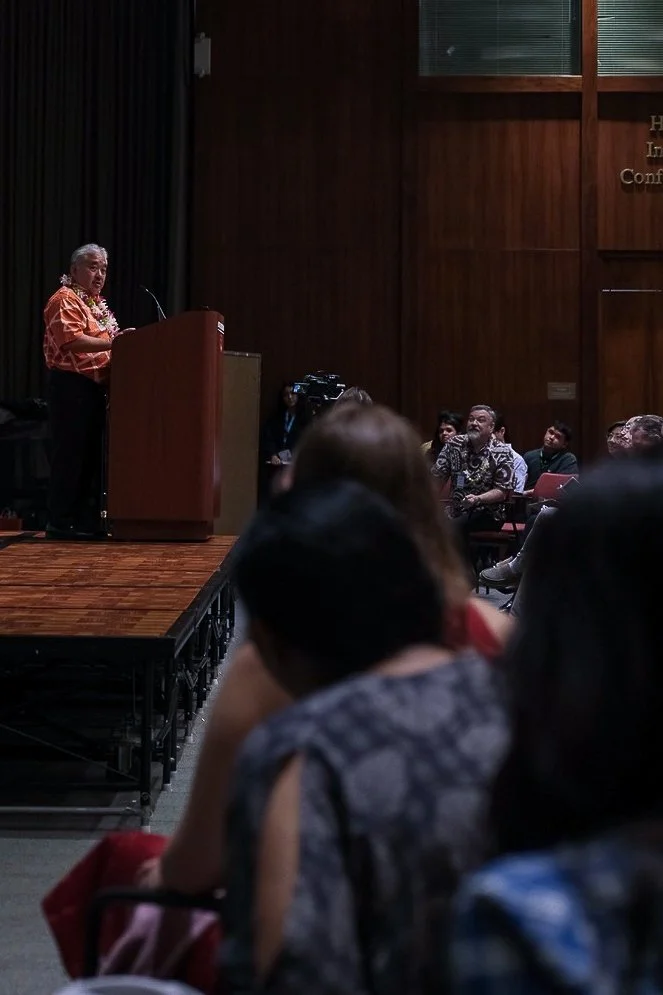
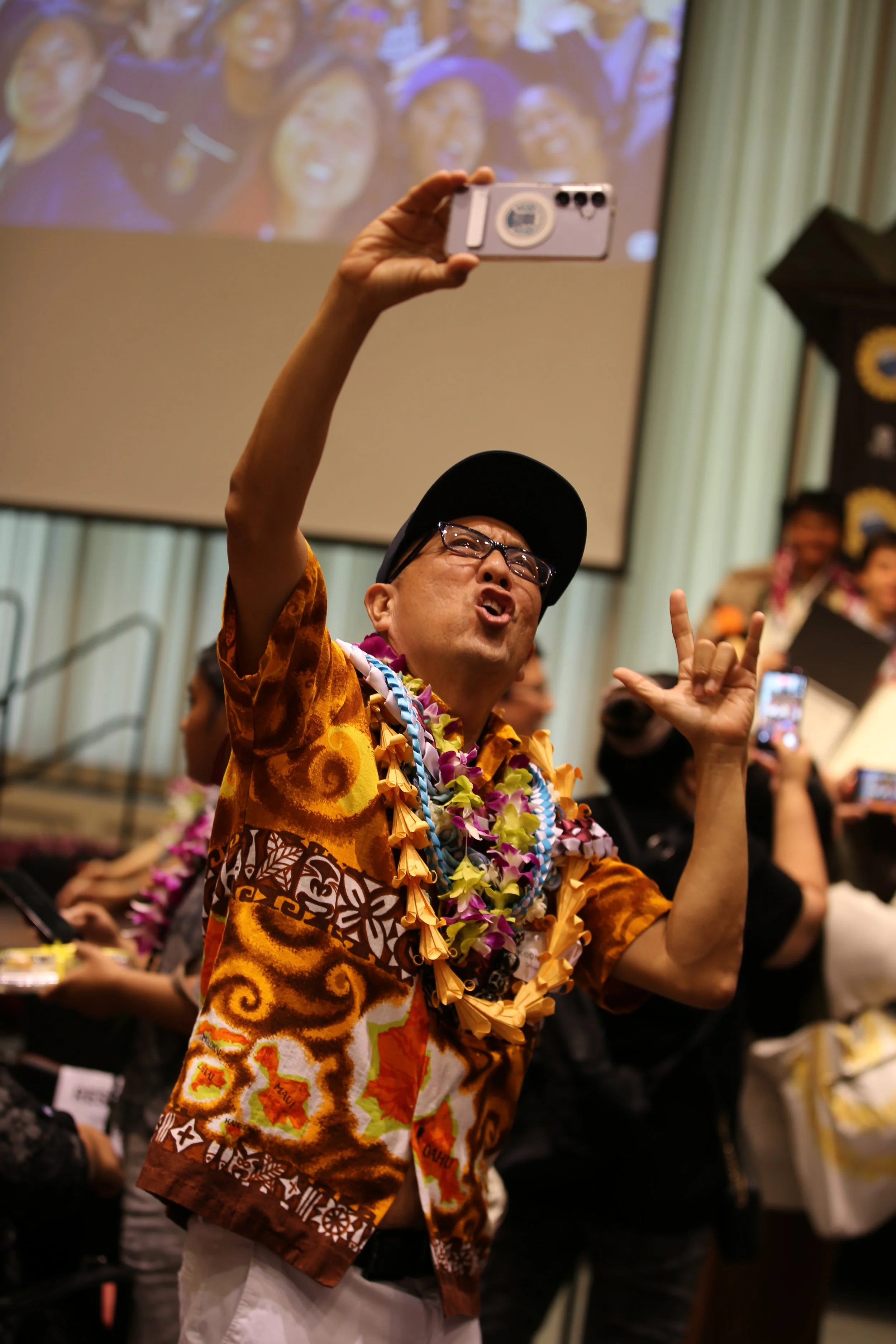
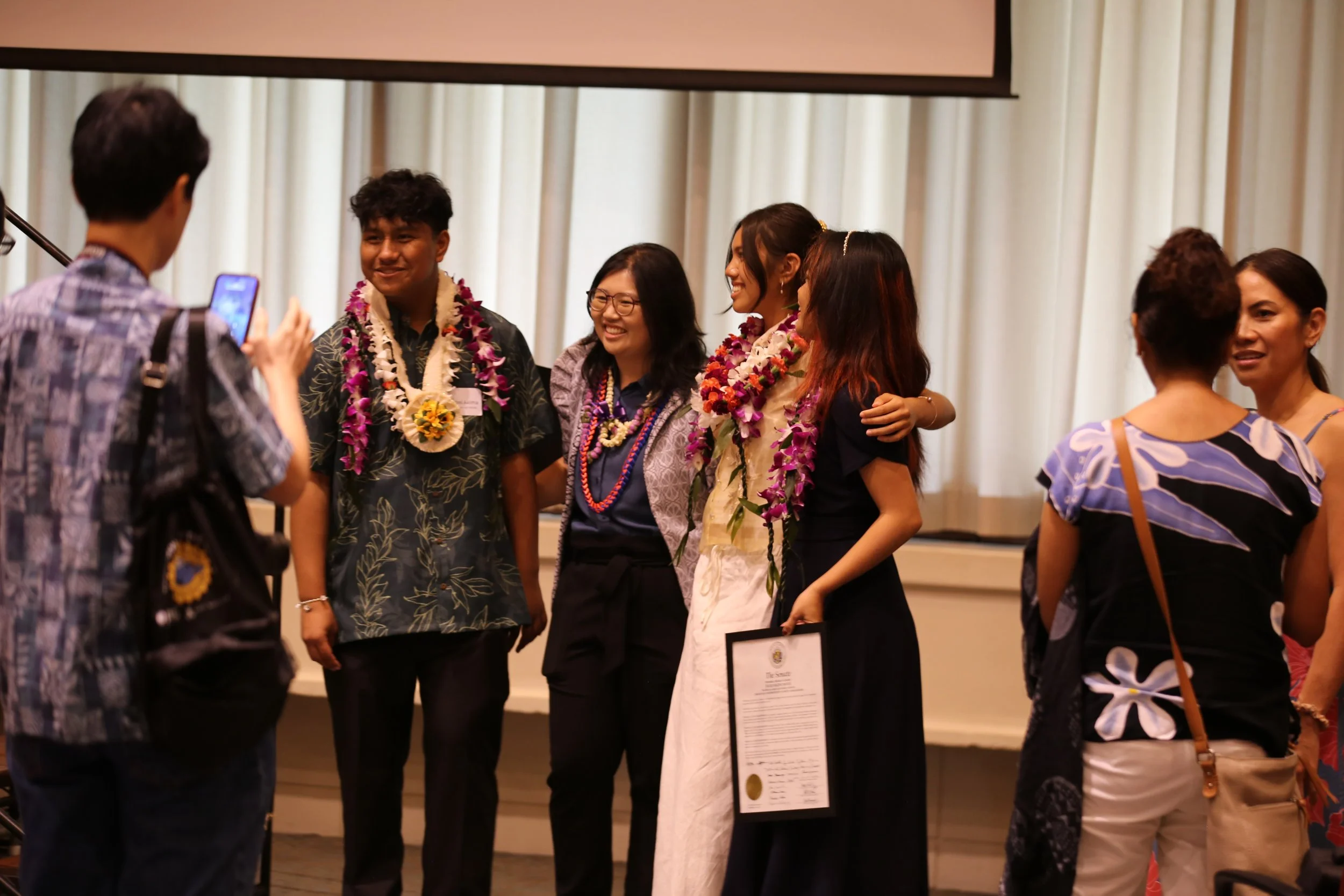

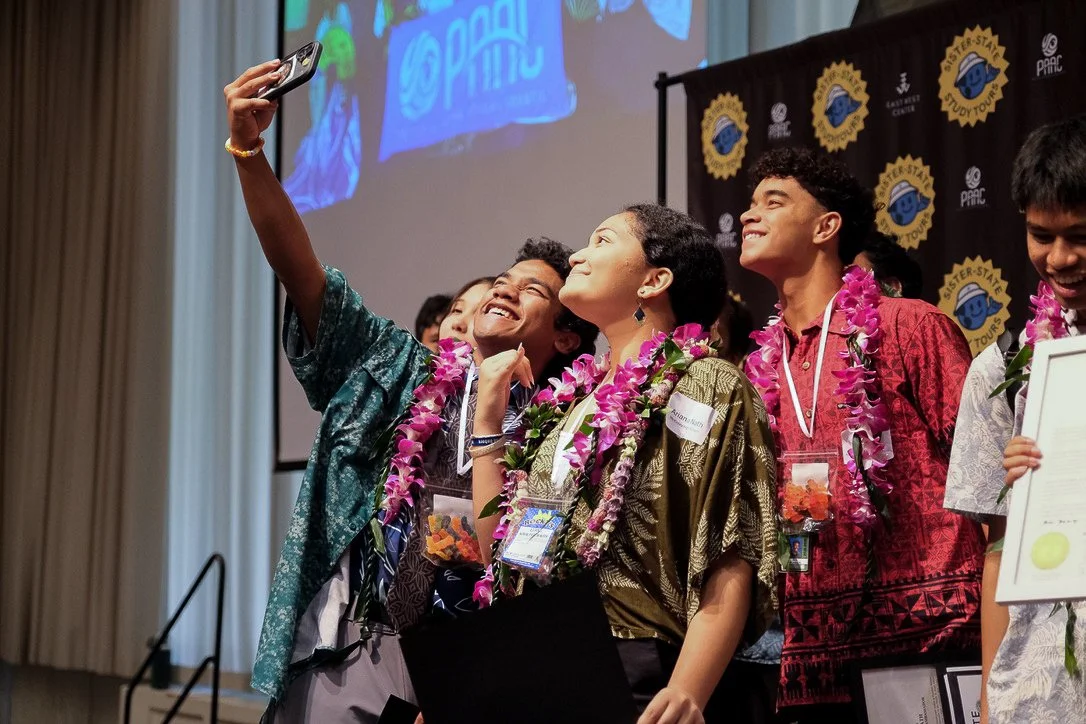
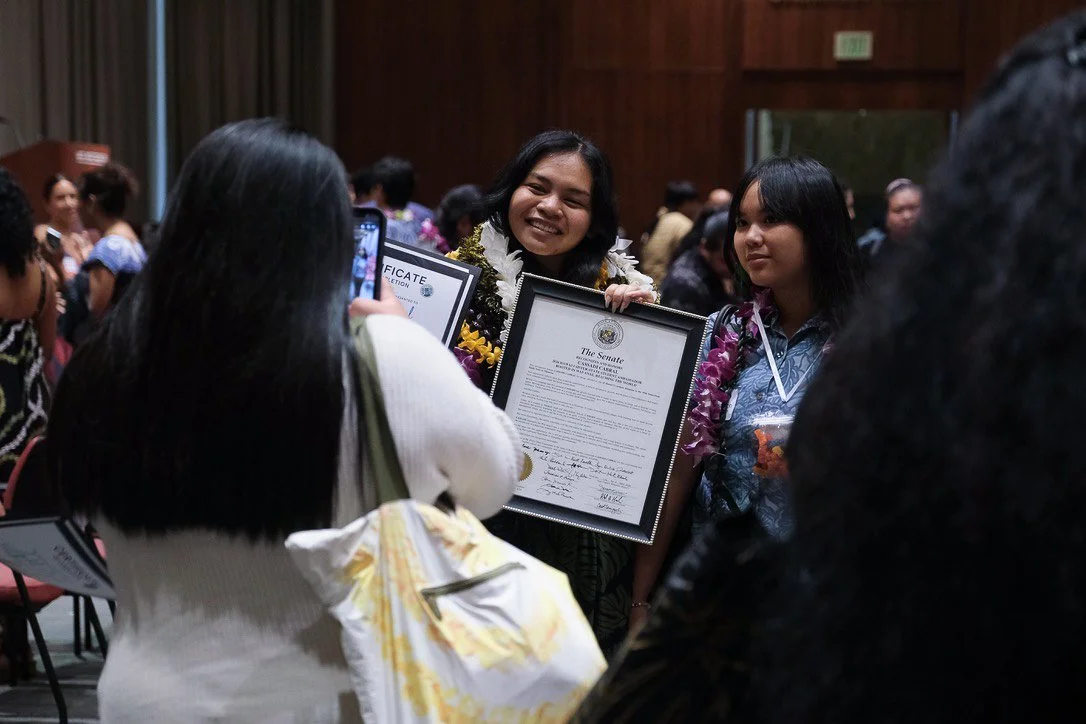
Anju Bekkum almost didn't make it to Okinawa at all. The Kona Low storms had trapped her in Hāna — the town at the end of the road, 620 turns from anywhere, with 22 kids in her graduating class — while the rest of her cohort boarded their flight without her. She was rebooked, flew internationally by herself, and arrived three days late. She used her extra time making a lei for Governor Denny Tamaki by hand, and when she sat across from him in his conference room and watched him wear it throughout their meeting, she wrote afterward: "that thing was just a hunk of ribbons in my room and now it's on the governor's shoulders." When the Okinawa delegation took the stage at the Imin International Conference Center on April 11, Anju — the first student in Hāna High & Elementary School's history to go on a PAAC trip — was ready.
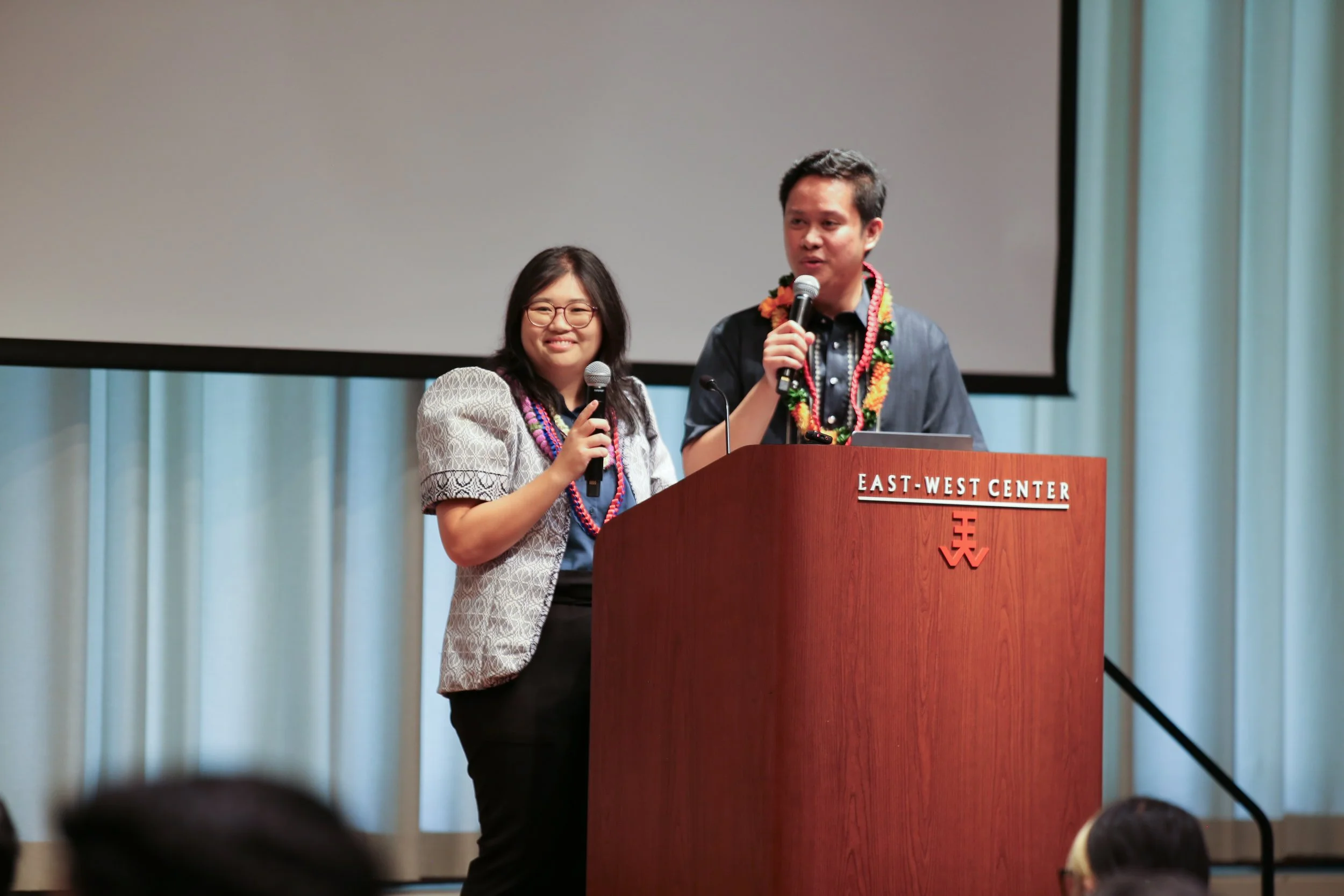
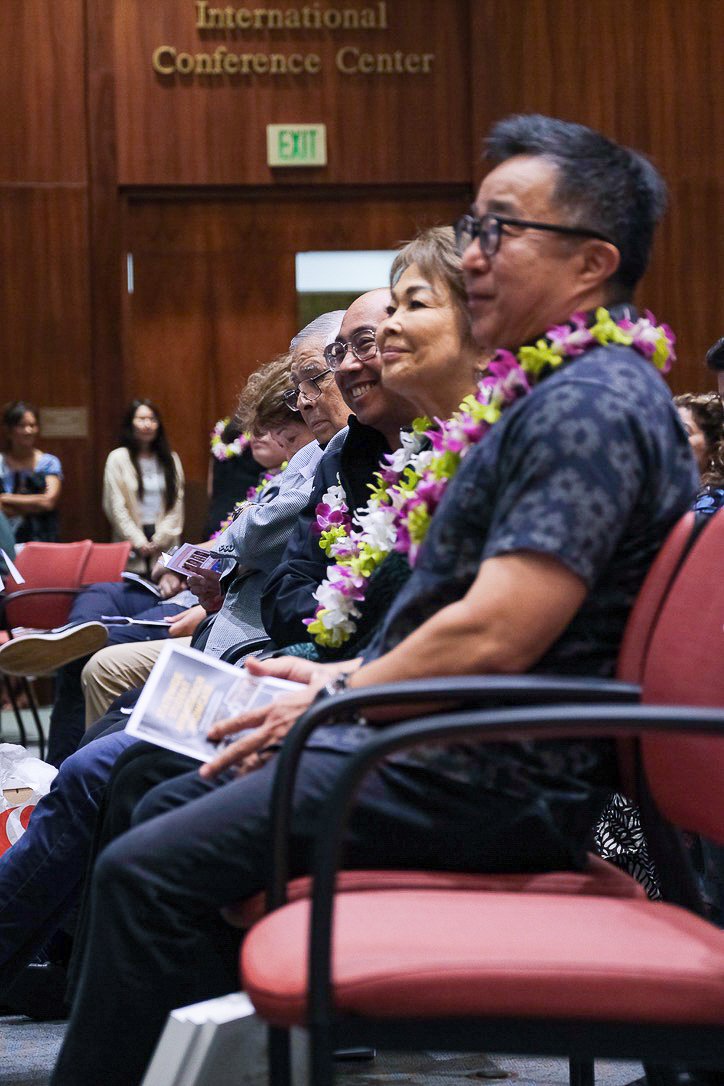
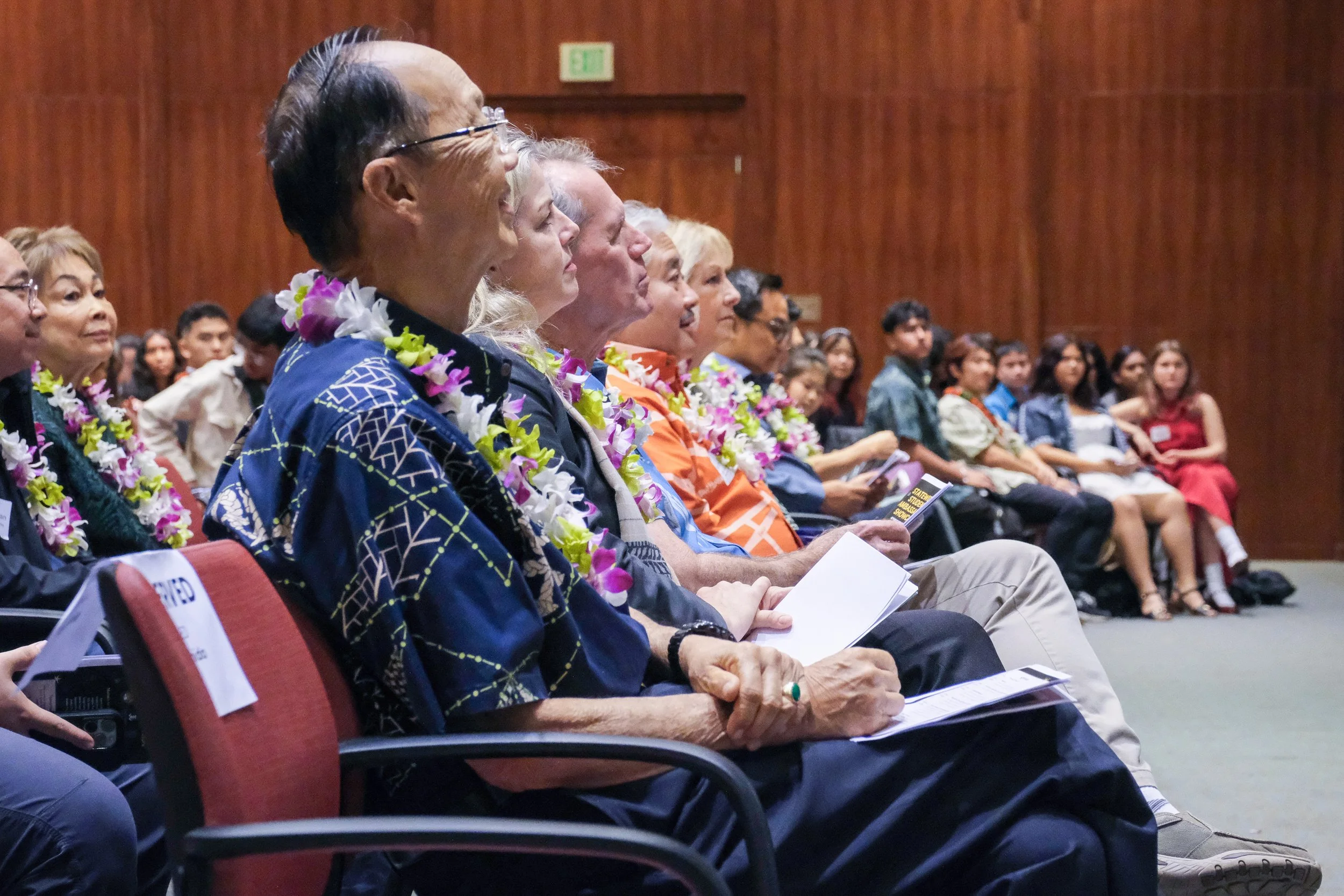
By that point, the auditorium was full. Consul General Arman Talbo of the Philippines, Deputy Consul General Hiroki Haruta of Japan, Consul Sejin Lee of South Korea. State Senators Donovan Dela Cruz, Carol Fukunaga, Lorraine Inouye, Samantha DeCorte, and Glenn Wakai. Superintendent Keith Hayashi. U.S. Representative Ed Case. They had all come to listen to high school students — most of them from communities not exactly known for producing people who address rooms like this one. And the students were not speaking in generalities. They were naming specific things: the Himeyuri Peace Museum, where Okinawan girls their own age had been sent to war. The coral farm where technicians grow new reefs by hand. The parallel between the silencing of ʻōlelo Hawaiʻi and the suppression of Uchinaguchi, the native Okinawan language.
Anju had written something in her field notes during the trip, after a long conversation at Jikoen Hongwanji temple in Honolulu during orientation, that had been building in her ever since:
“Okinawa is currently in the process of a cultural renaissance similar to the Hawaiian Renaissance. We are the example. Annexed island nations around the world trying to reclaim their native culture look up to Hawaiʻi. We should support their cultural revival just as we needed.”
The room listened.
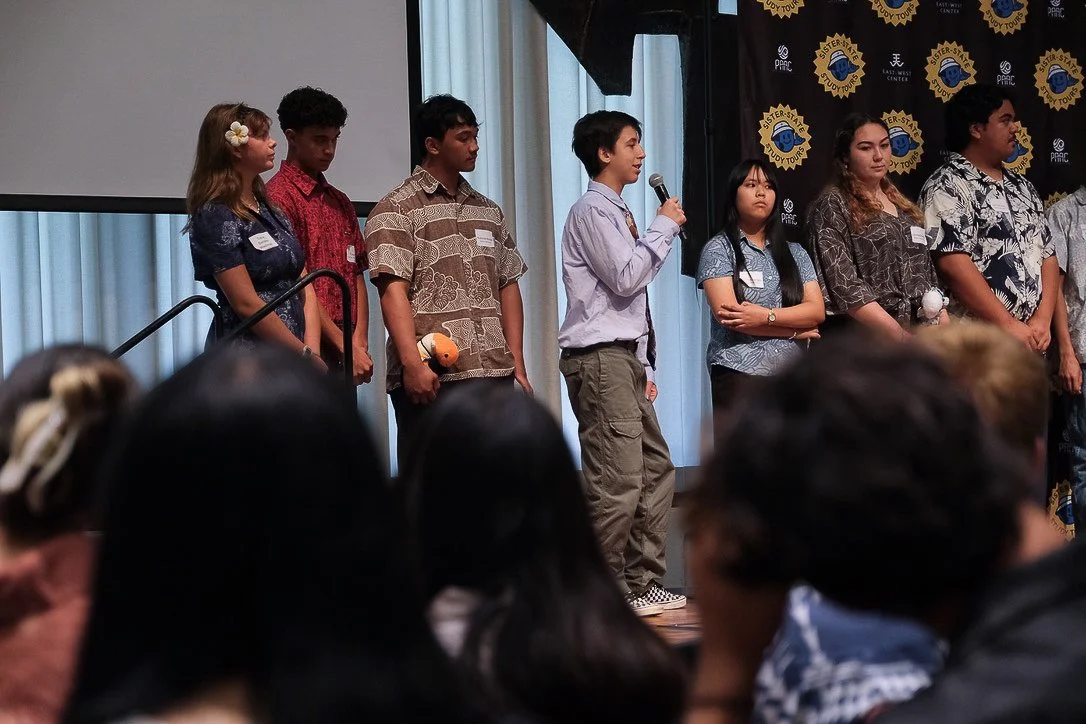
The 2026 Hawaiʻi Sister-State Study Tours Community Presentation, held April 11 at the East-West Center’s Imin Conference Center, was the culmination of a year of preparation and eleven days of travel for 42 public high school students from 42 different schools across the state. Three delegations had traveled during spring break to Okinawa, Japan; Jeju Island, South Korea; and Ilocos Norte and Ilocos Sur in the Philippines — each destination a place with a formal, decades-long sister-state relationship with Hawaiʻi, and each one connected to the islands through 125 years of immigration, labor, and people-to-people exchange.
The program is a partnership between PAAC and the East-West Center, funded by the State of Hawaiʻi, with students contributing no more than $500 toward the full cost of travel, lodging, and programming. That funding model is not incidental to the story. It is the story. Sofia Pimentel, from Lānaʻi High & Elementary School, put it plainly in her application: “Living here in Lānaʻi, since we’re so small, it’s really hard to expand and find new and different opportunities. This opportunity allows me to step beyond the limits of my home island.” She traveled to Jeju Island. She was in that auditorium.
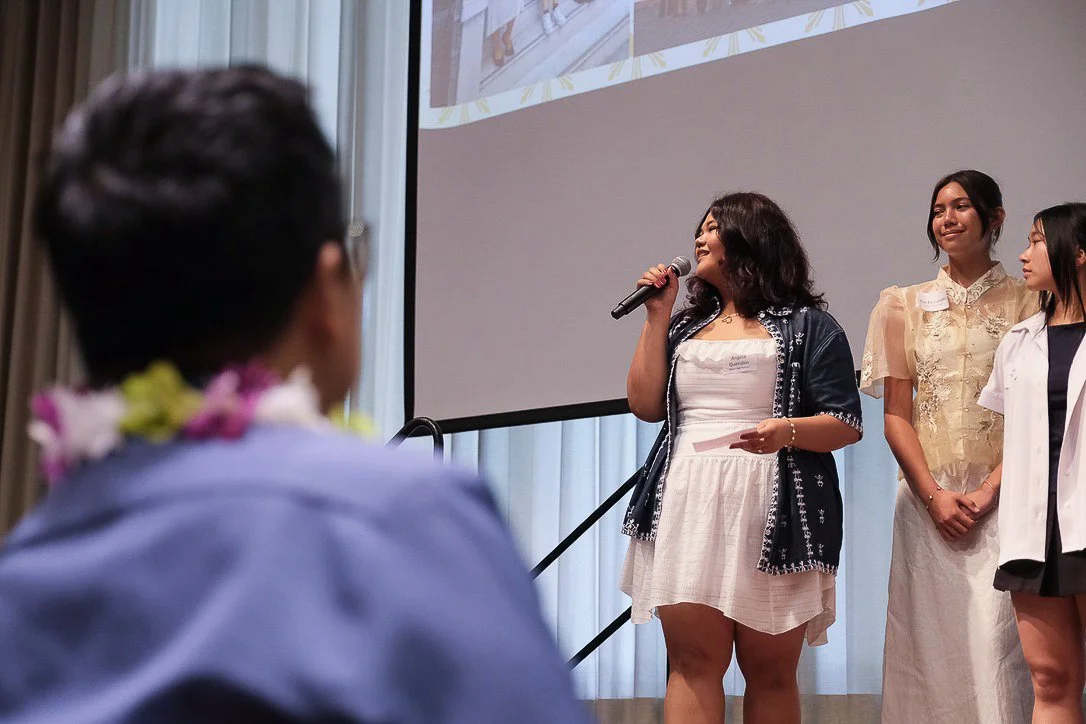
Each delegation took about ten minutes on stage. They had spent months preparing — not with scripted remarks, but with field notes submitted daily during the trip, reflection questions tied to specific sites, and the accumulated weight of what they had seen. The presentations showed it.
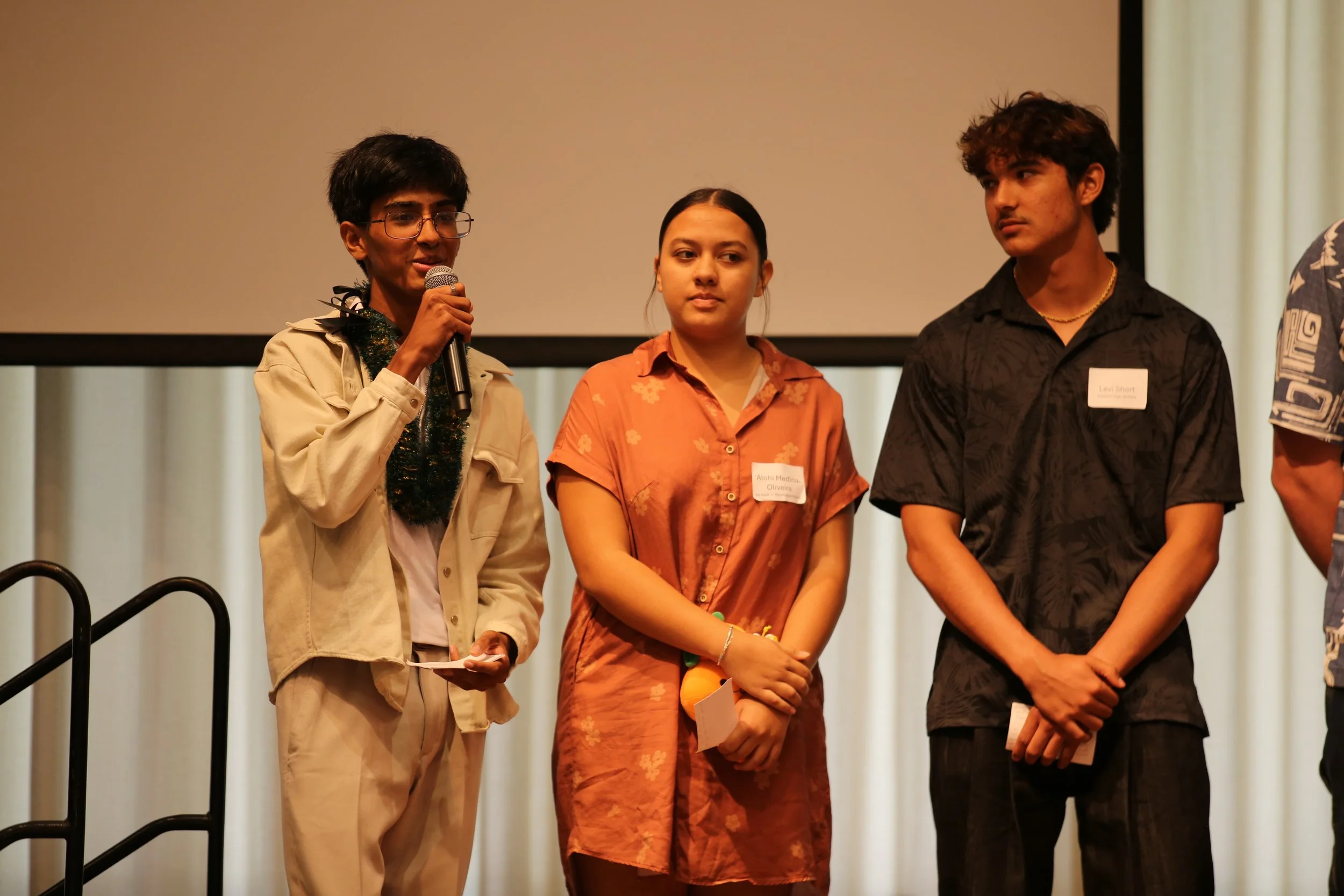
The Jeju Island delegation talked about the haenyeo — the traditional women divers whose practice is disappearing as older generations age out and younger ones don’t step in. They drew the parallel to Hawaiʻi’s own endangered traditions. ʻAlohi Medina-Oliveira, from Ke Kula ʻo ʻEhunuikaimalino, had written in her field notes that watching the haenyeo perform gave her “the confidence, the passion to go home and continue my education in ʻōlelo so I can be that leader for the next generation.” She didn’t need to quote herself on stage. The argument was in her voice.
The Ilocos delegation talked about the sakadas — the Ilocano contract laborers who came to Hawaiʻi’s sugar plantations more than a century ago, and whose descendants make up the largest Filipino subgroup in the state today. Gabriel Akima from Lahainaluna reported a detail that landed hard in the room: the Governor of Ilocos Norte had asked him about the Maui fires. She knew about them because so many of her people were affected. The sister-state relationship, in that moment, was not a diplomatic abstraction. It was a governor on the other side of the Pacific who understood what had happened to Lahaina.
The Okinawa delegation talked about peace — the theme that runs through every museum, every castle ruin, every karate demonstration on the island. Cameron Werkman of Radford High connected the dots that the room needed to hear: “Both Okinawa and Hawaiʻi were both sovereign states that were annexed by larger nations, which had often suppressed their culture and identity. Okinawa provides an example of how far Hawaiʻi has come.”
After the presentations, the questions came from the audience — from senators and diplomats and education officials who had spent the morning listening. Senator Glenn Wakai wrote afterward: “Outstanding event. I was so impressed with the depth of the students’ stories.” Deputy Consul General Haruta sent a message to the PAAC team the same day, saying it had been a great program. Consul Sejin Lee, who attended with his daughter and his father, called the Jeju students’ connections between the two islands “truly remarkable” and asked whether the program planned to return to Jeju the following year.
Alan Hayashi of Aloha Pathways to Peace saw something else in the room. He reached out afterward to ask whether these students might come speak with his organization — and whether there were pathways to place them in internships at consulates, legislative offices, and congressional organizations.
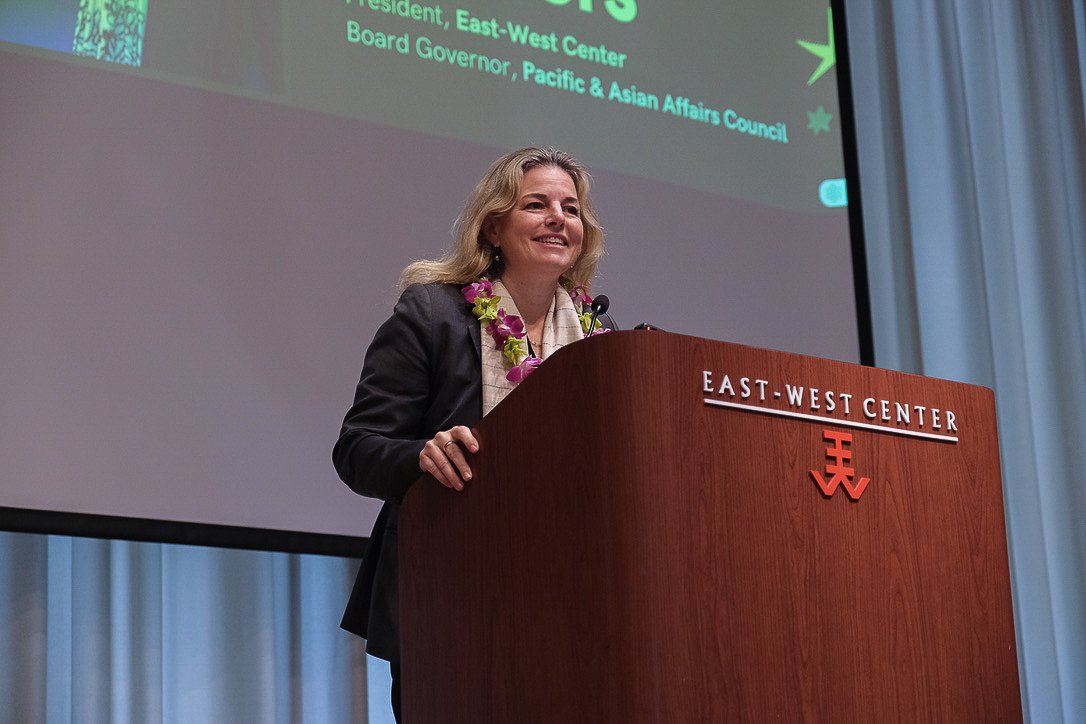
Zach Espino, Senior Special Assistant to the East-West Center’s President and co-emcee for the morning, put it this way: “Yesterday really felt like the culmination of everything we’ve been building together. Seeing the students rise to the occasion in front of such a large audience was incredibly special.”
This was the program’s second year. In 2025, a pilot cohort of 14 students traveled to the Philippines. What they demonstrated — that public high school students from across Hawaiʻi could show up somewhere as serious, curious, substantive representatives of this state — made the 2026 expansion to 42 students and three countries possible. The inaugural 2025 cohort was recognized on stage at the Community Presentation, not as a formality but as proof: this works.
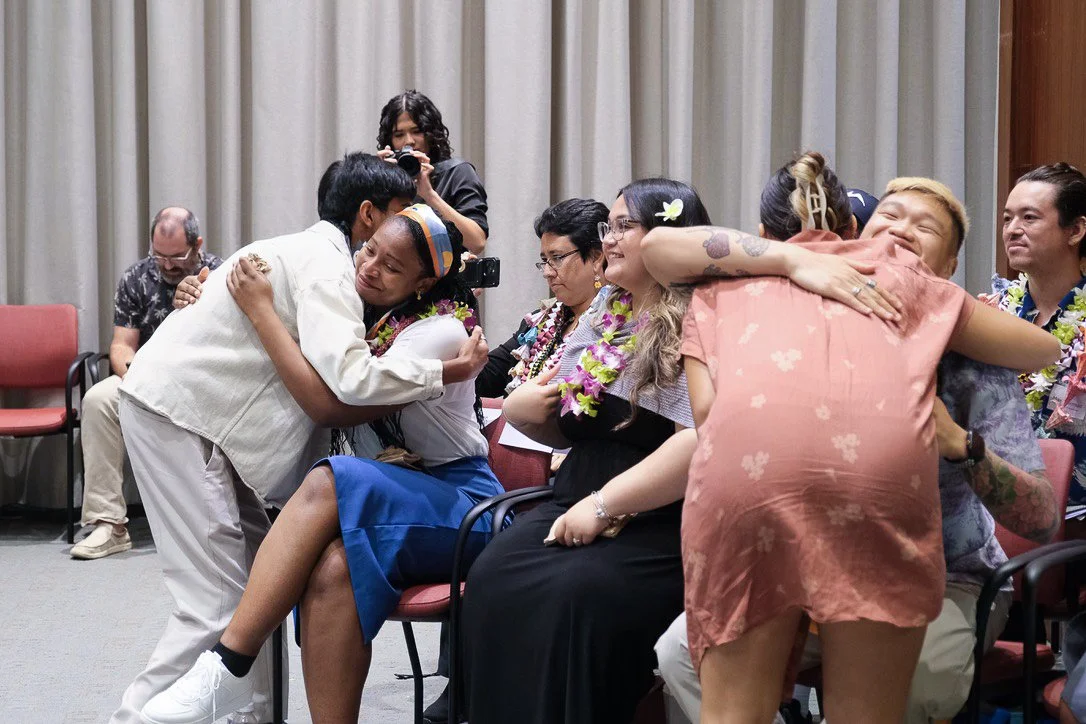
What makes it work is preparation that starts before anyone boards a plane. At a two-day orientation in February, all three cohorts gathered at Chaminade University. They visited the Korean immigration hall, the Philippine cultural gallery at the East-West Center, and Jikoen Hongwanji — each site chosen to surface the history that connects Hawaiʻi to the places these students were about to visit. By the end of orientation, 98 percent of students said the experience had built meaningful relationships with their travel group. The trust built in Honolulu, in February, carried all the way to the stage in April.
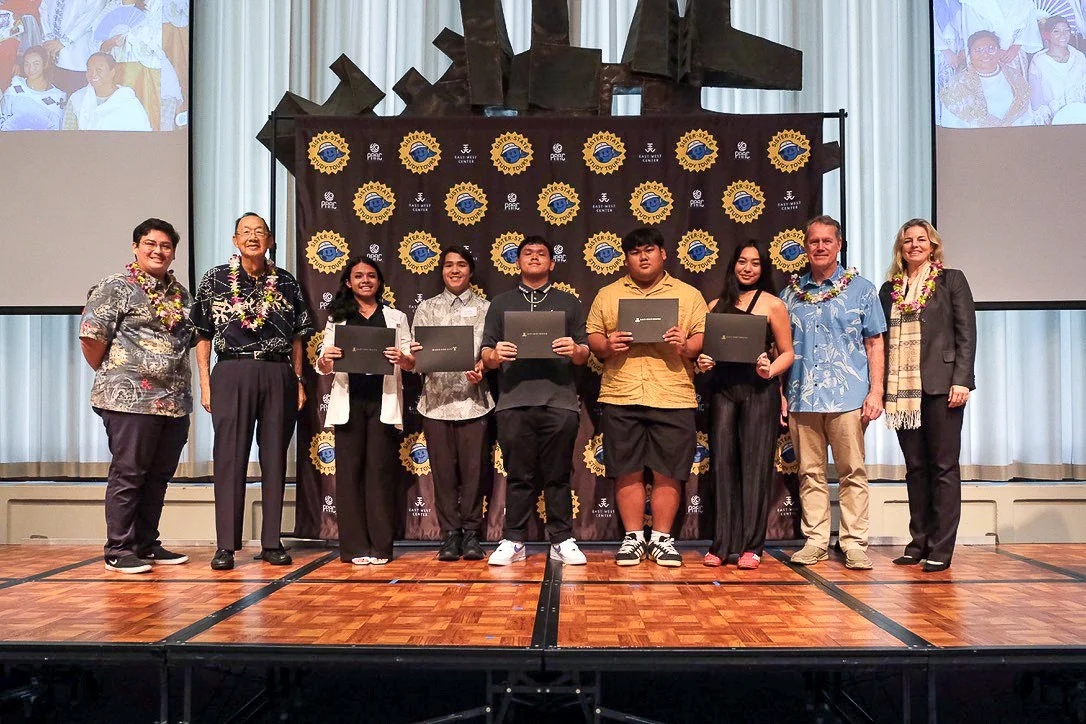
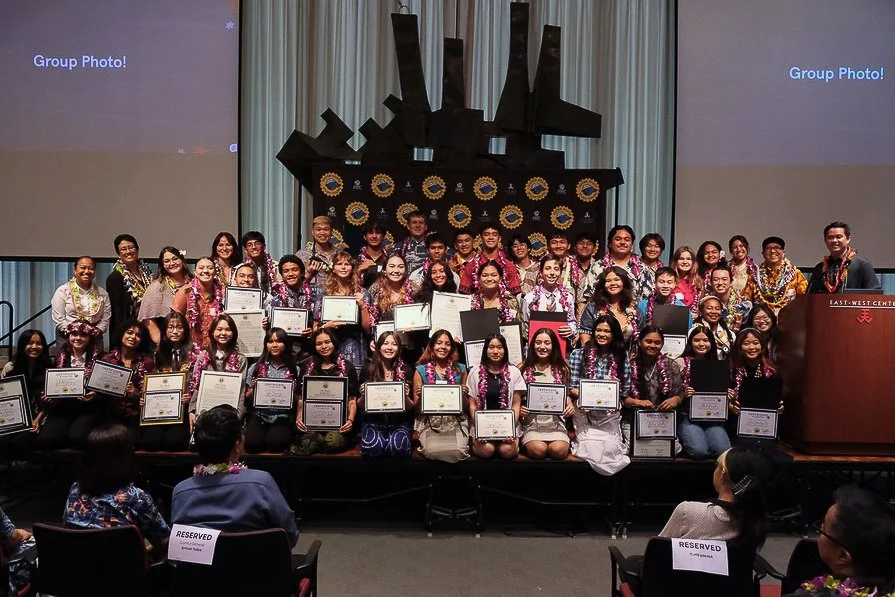
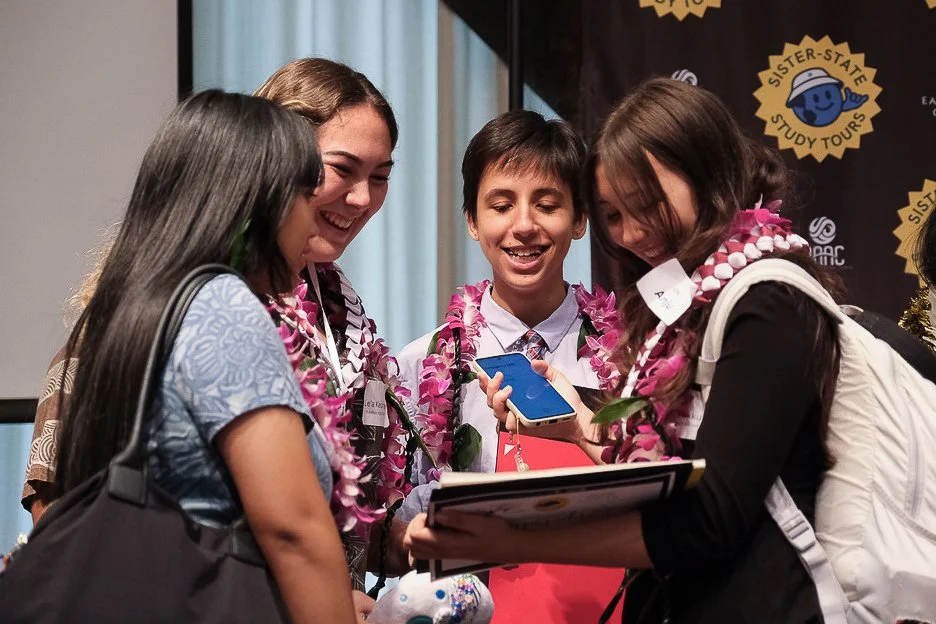
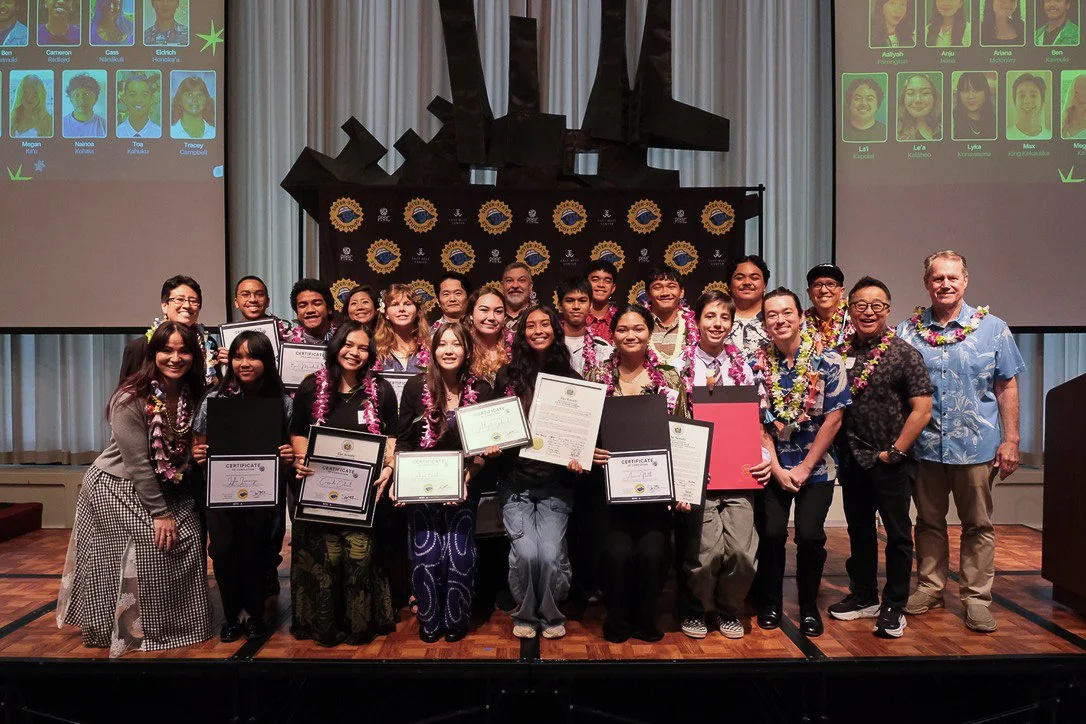
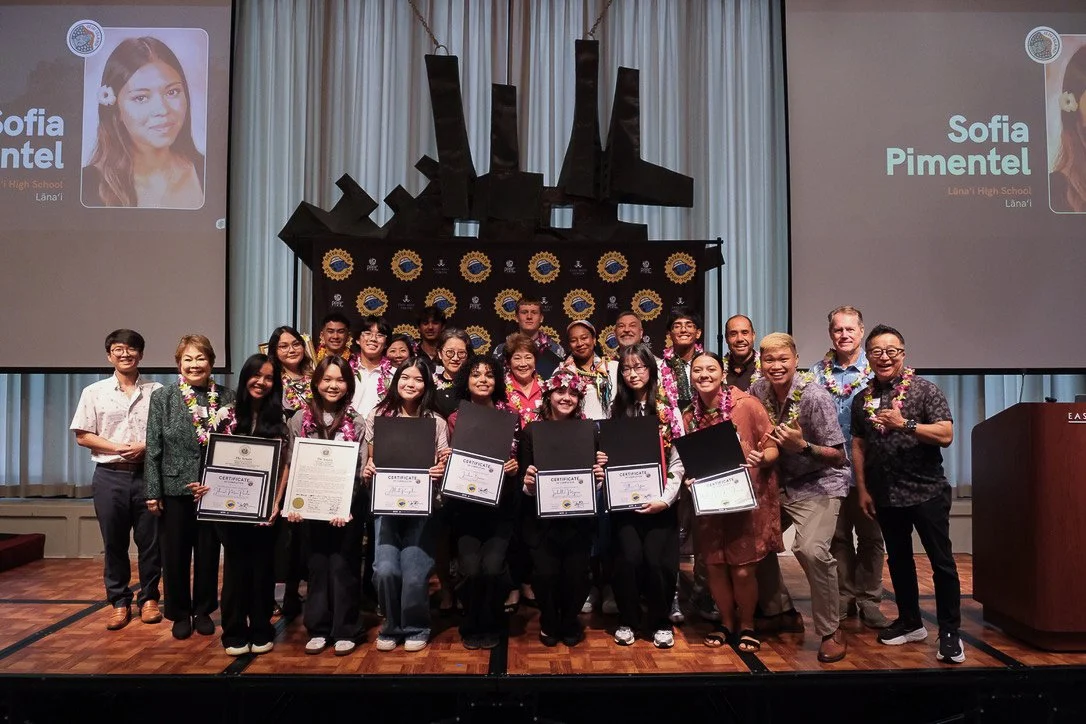
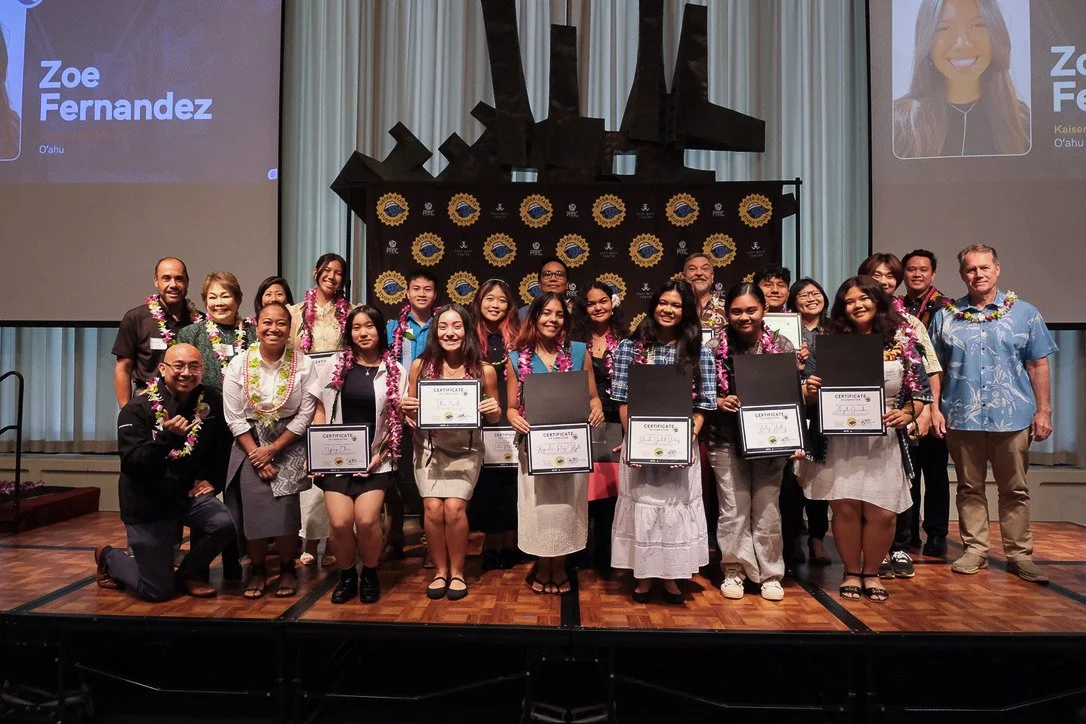
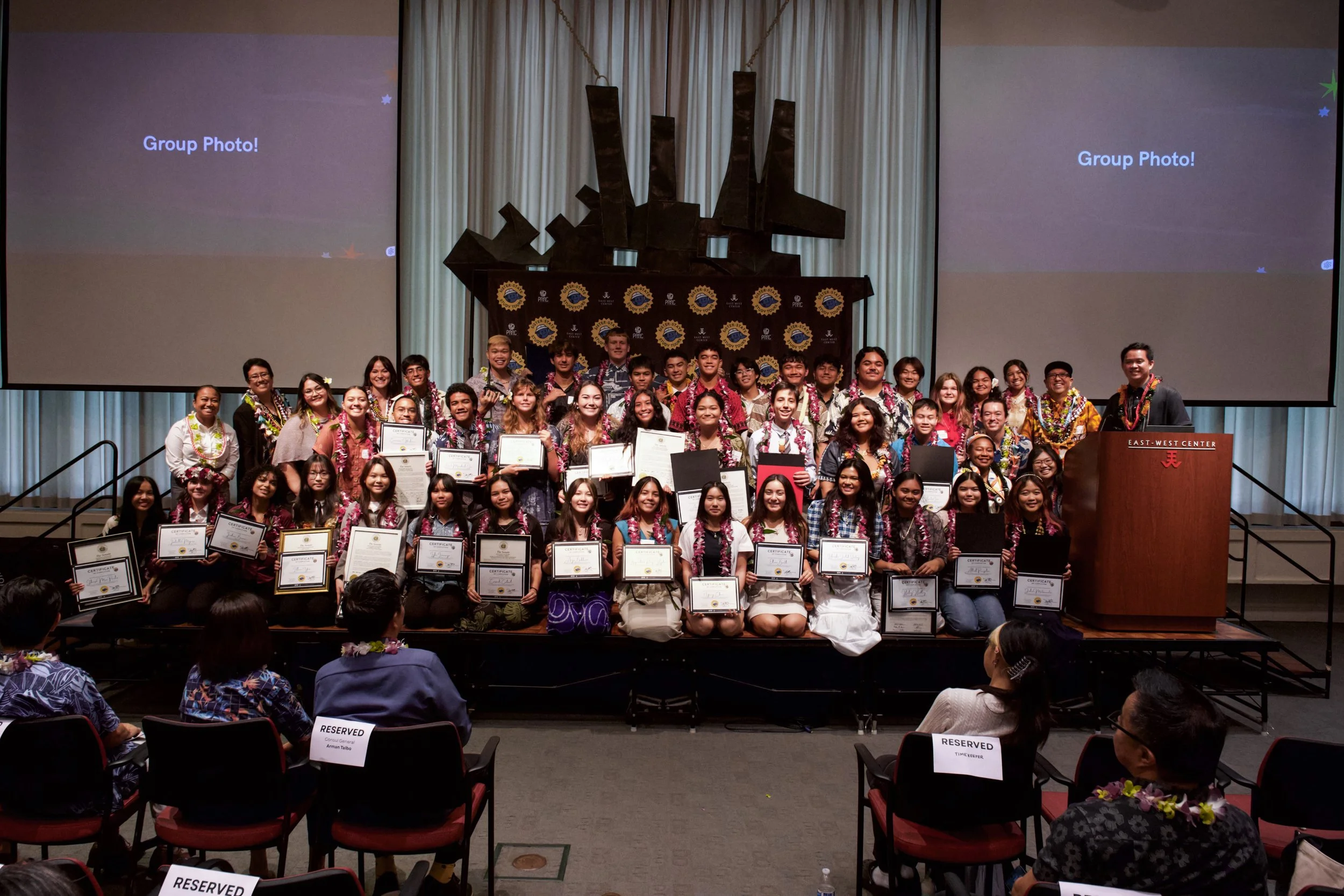
At the end of the formal program on April 11, all 42 student ambassadors assembled on stage together — students from Hāna and Lānaʻi and Kohala and Nānākuli and Mililani and Kauaʻi, standing shoulder to shoulder. The room gave them a round of applause that didn’t feel obligatory. Principal Aiwohi of Kaimuki High School wrote to the PAAC team the next day: her student Ben Murdoch Jr. had “had the time of his life.”
That is the line that stays with you. Not the diplomas or the certificates or the formal recognition — though all of that happened too. It’s the principal writing that her kid had the time of his life, because he went somewhere real and learned something real and stood up in front of important people and told them what he found.
That is what PAAC is for. That is what the Sister-State Study Tours are building, one delegation at a time.
To follow the students’ journeys, read their reflections, or learn how to support this program, visit paachawaii.org. If a student in your school or community deserves a seat on the next delegation, share this with them.
