
Before They Ever Boarded a Plane, Something Shifted - Sister-State Study Tour Orientation 2026
How 42 public school students from across Hawaiʻi answered three questions that will follow them for the rest of their lives
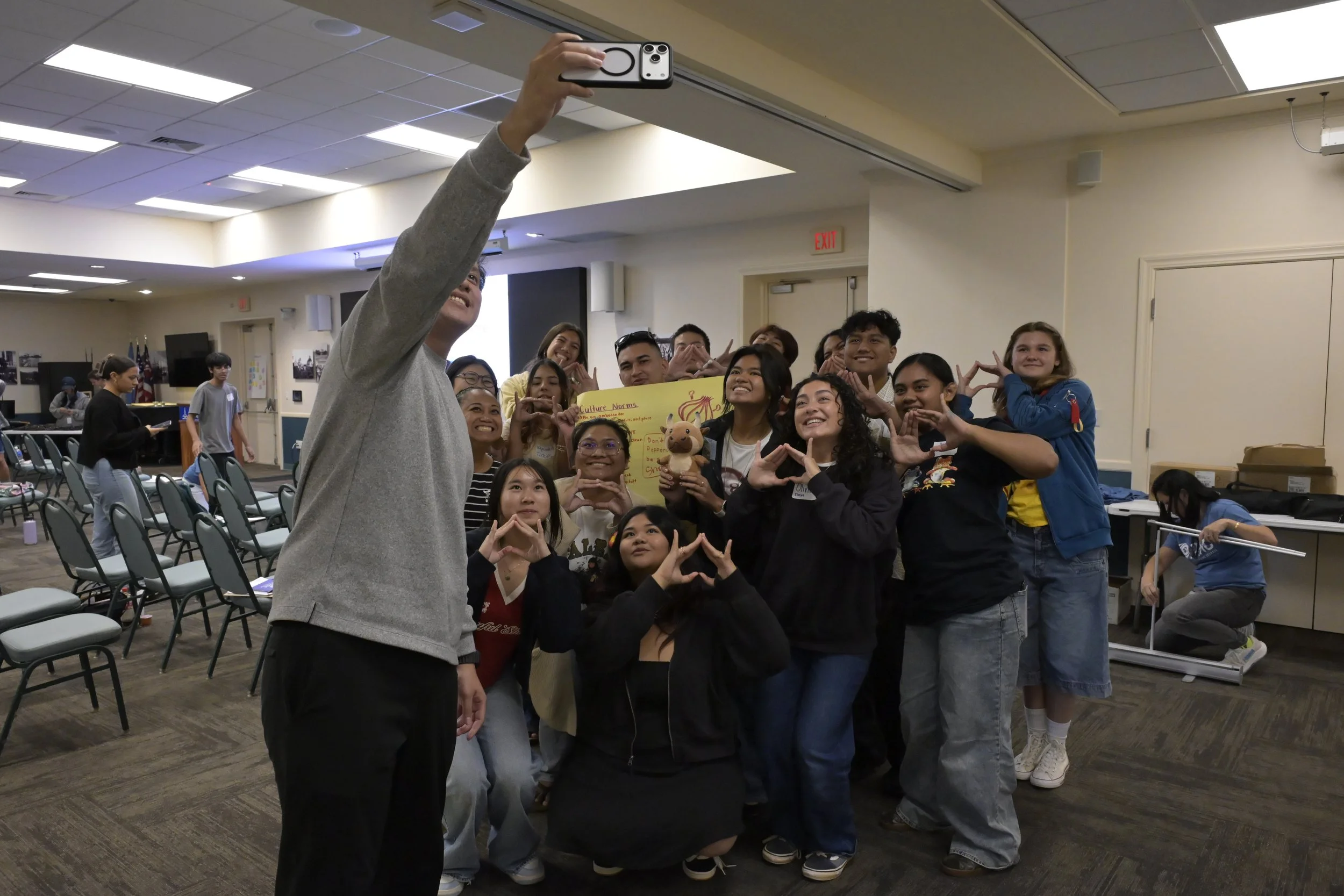
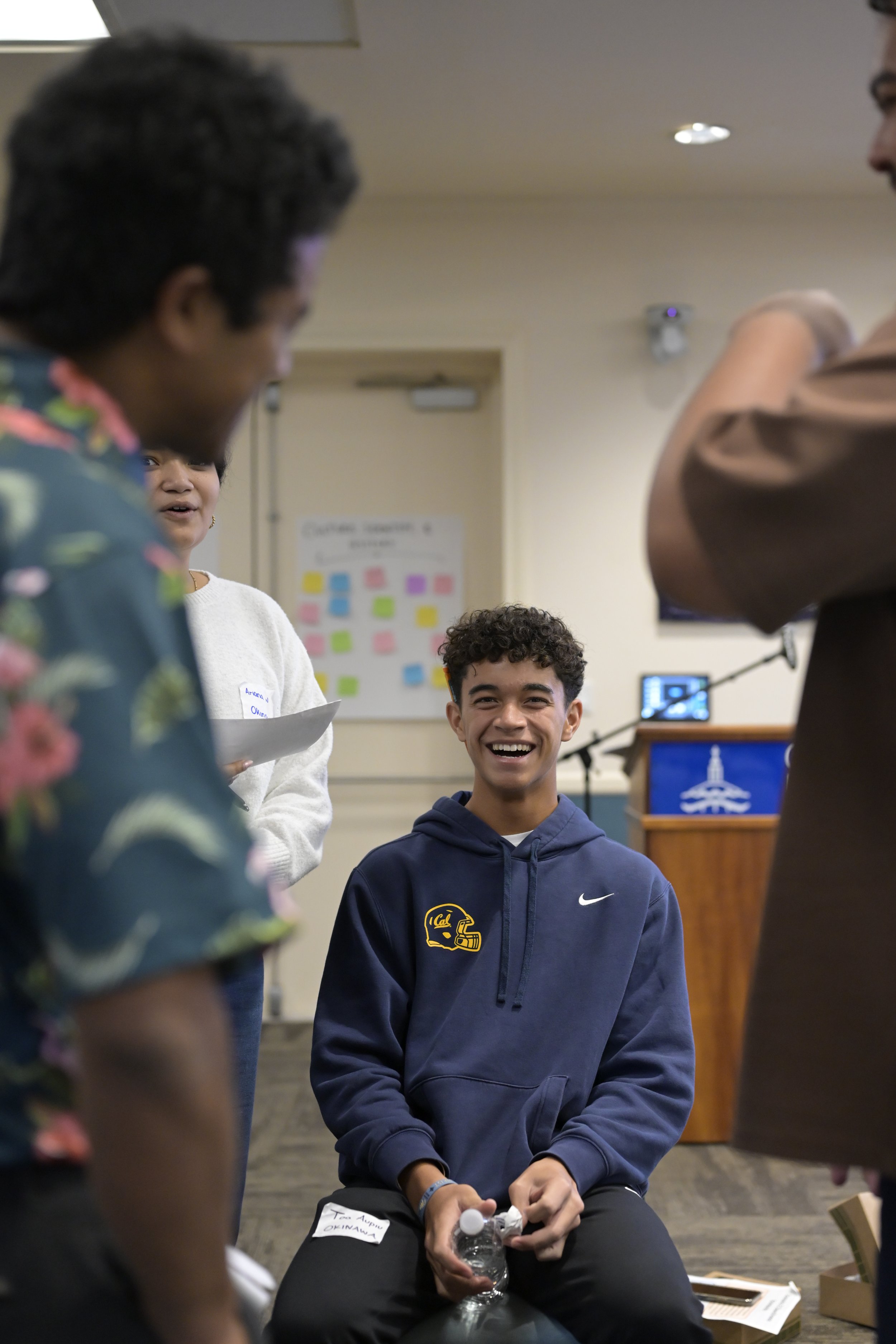
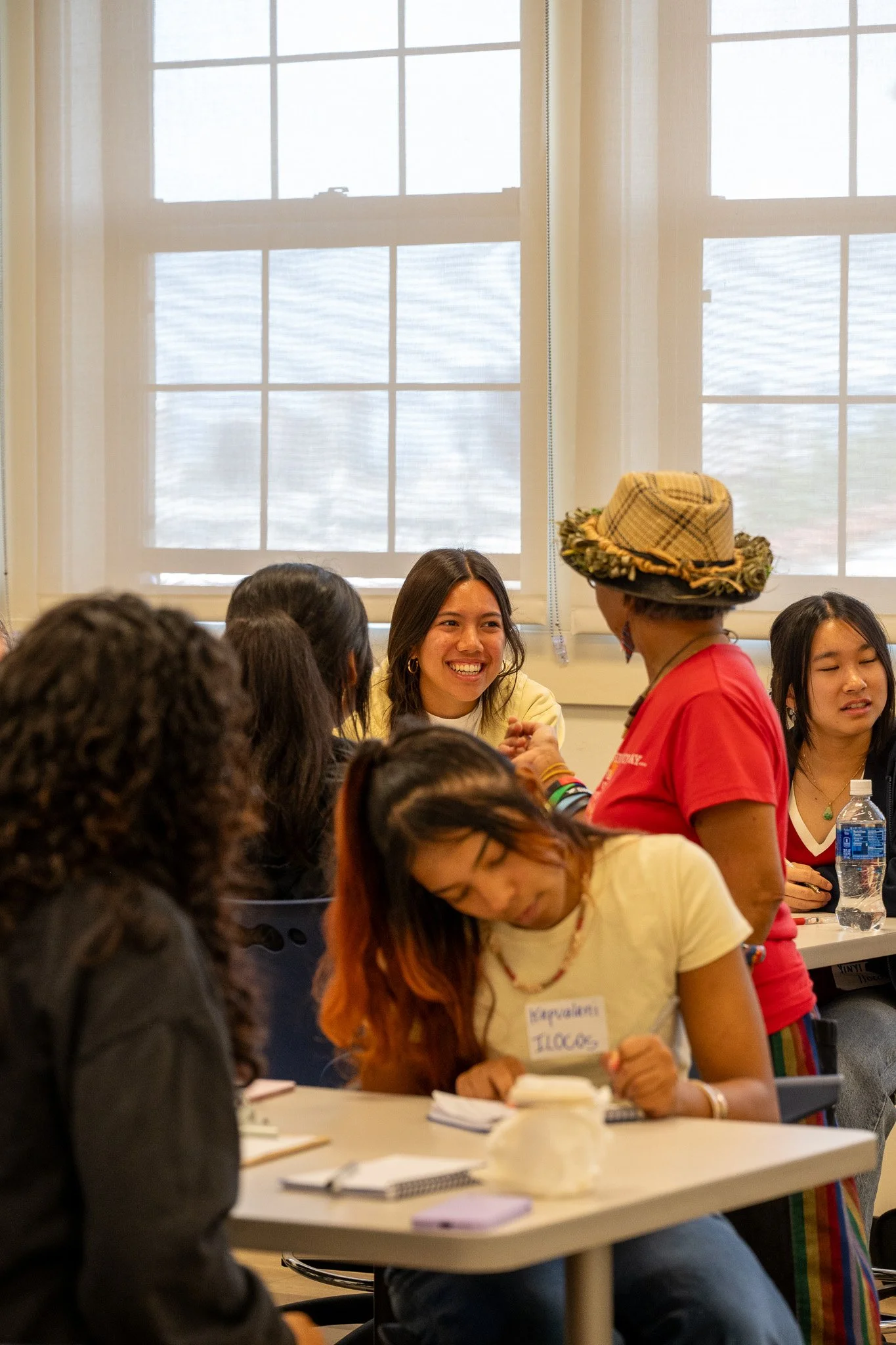
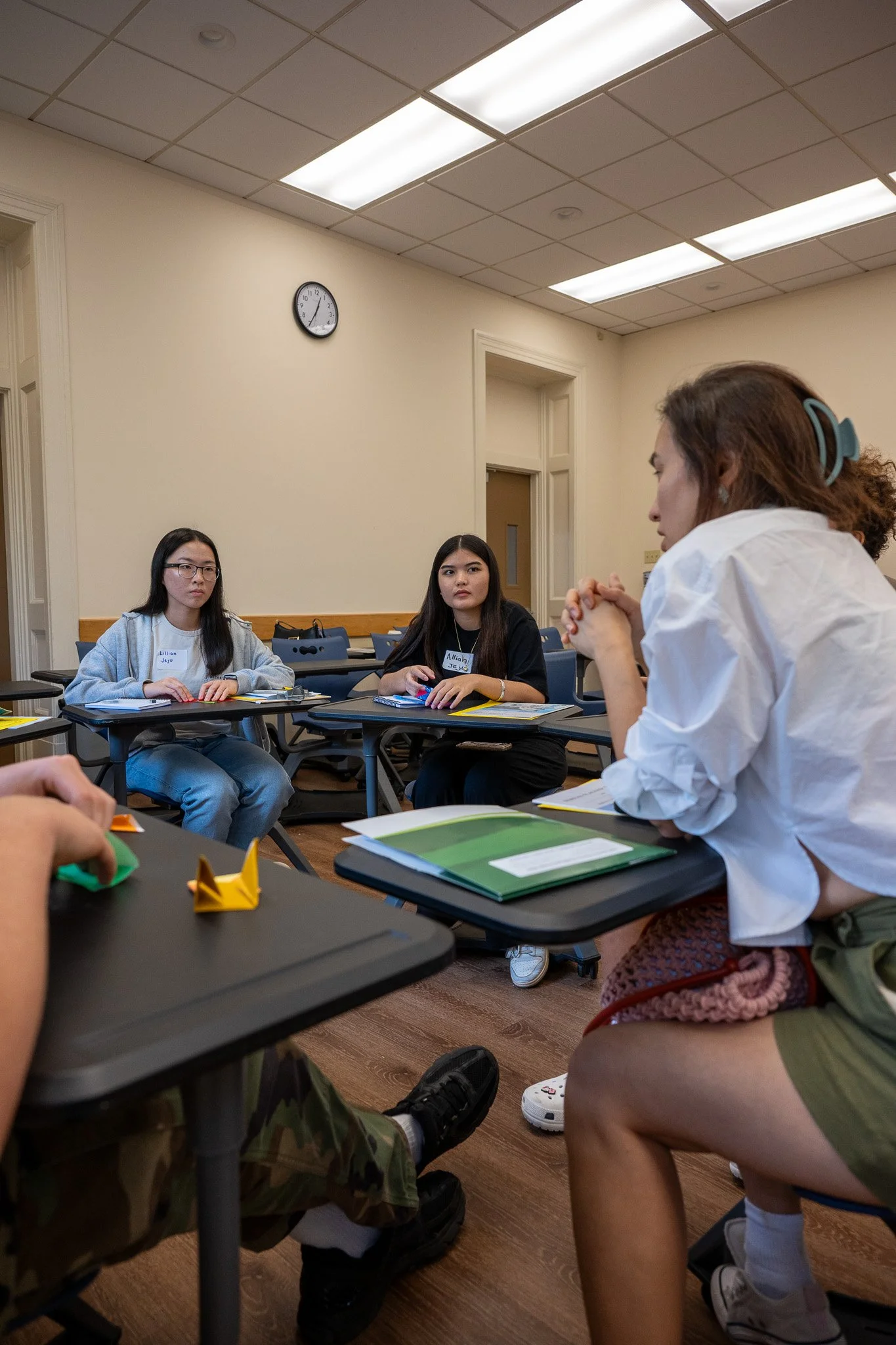
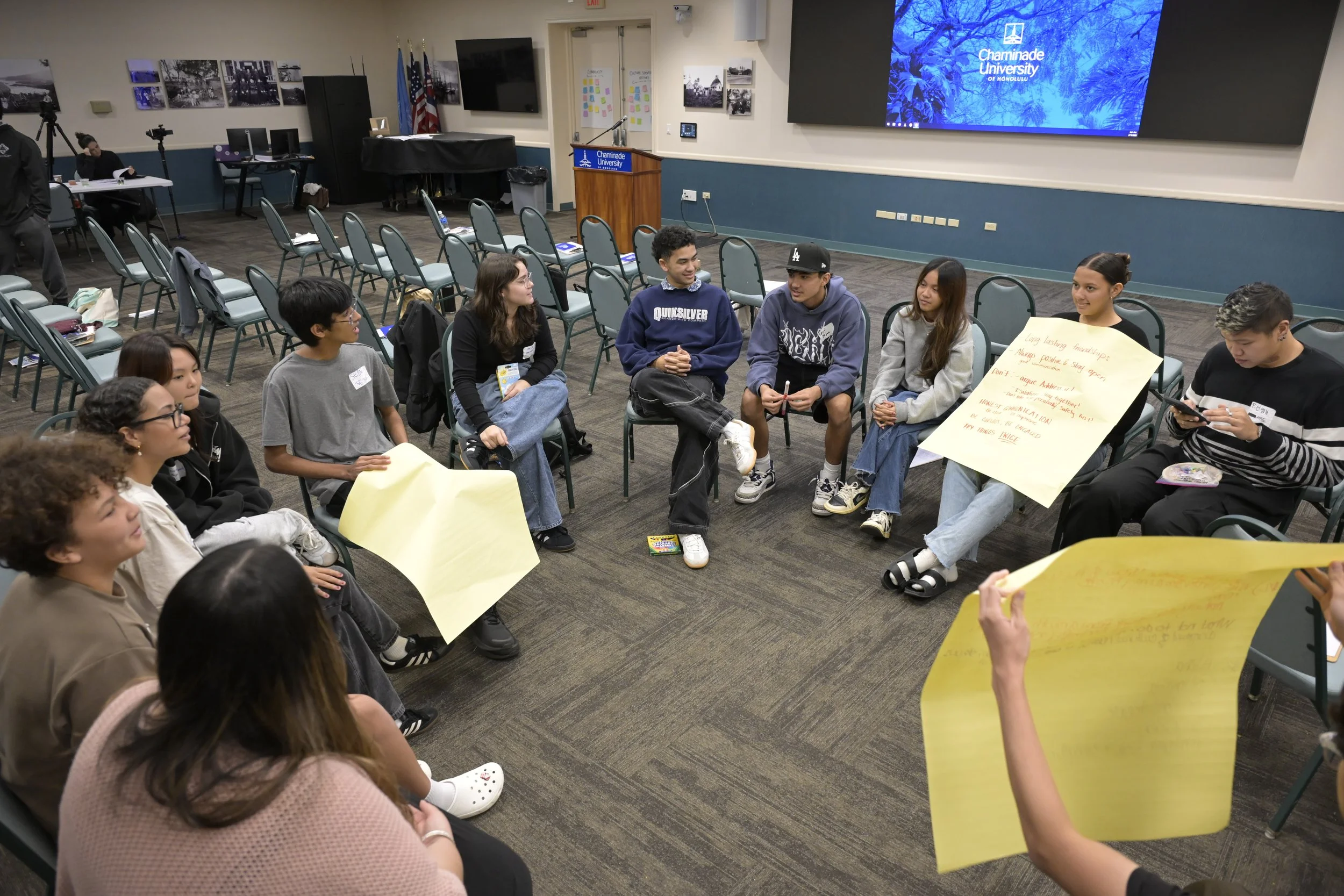
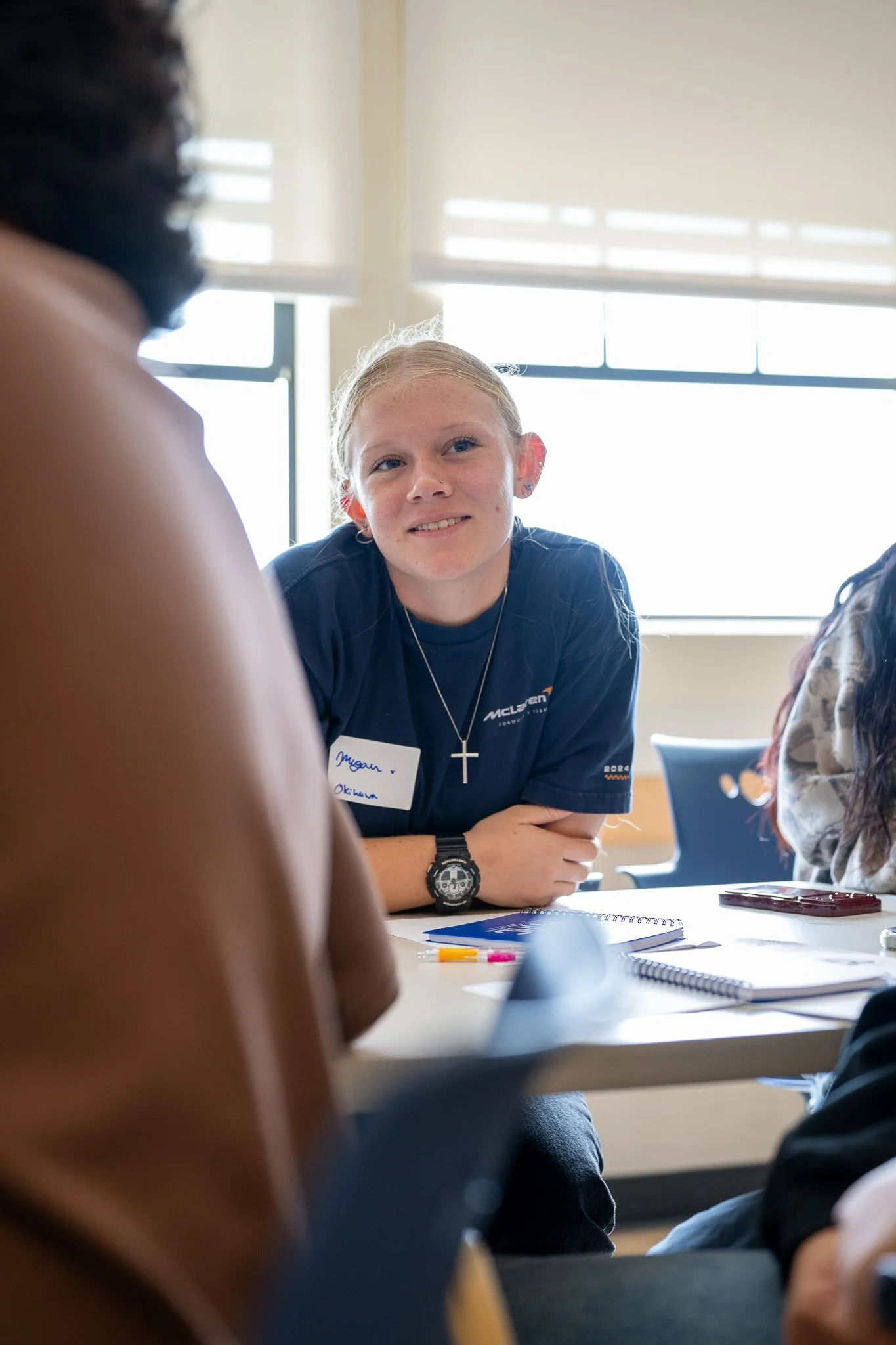
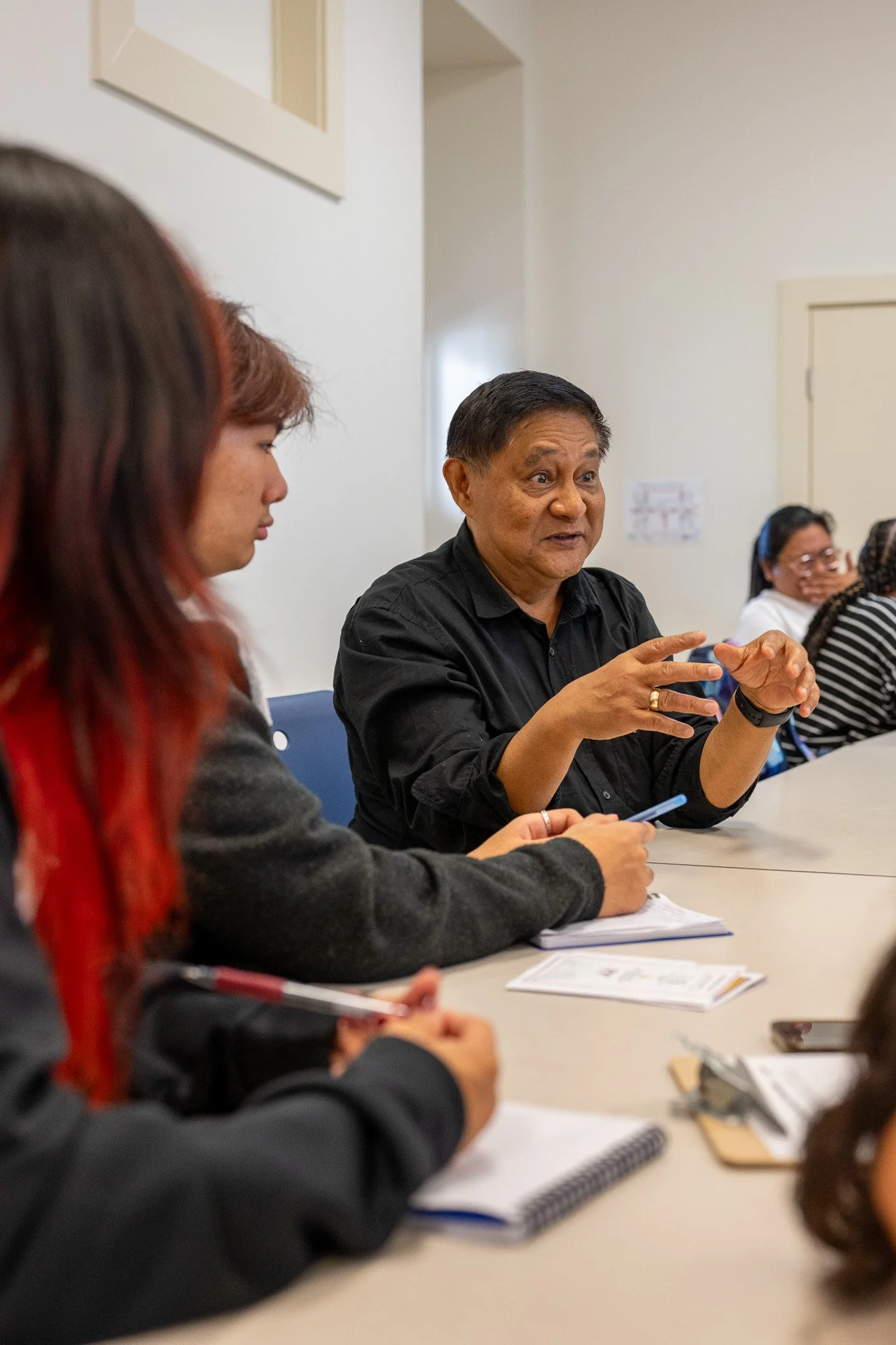
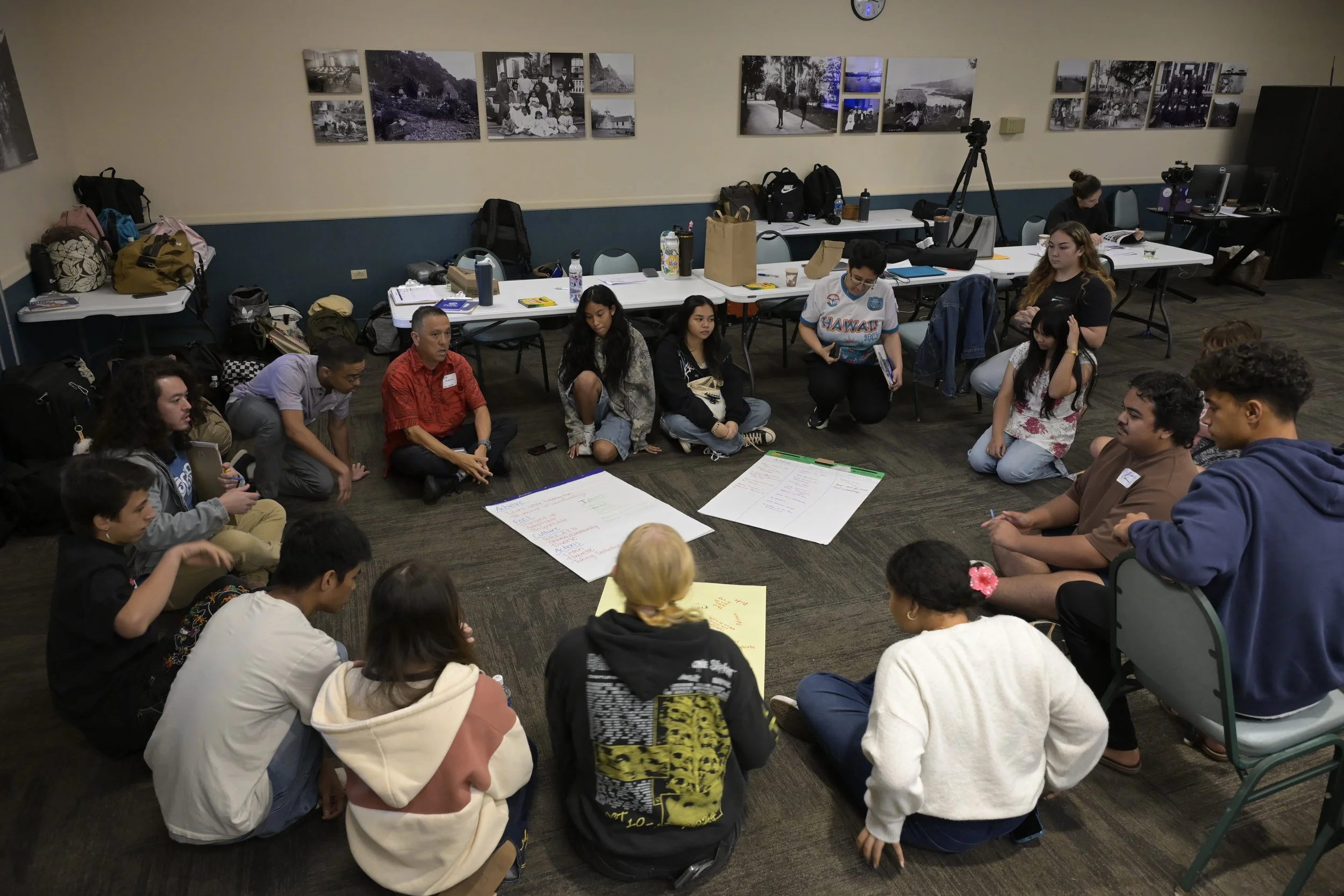
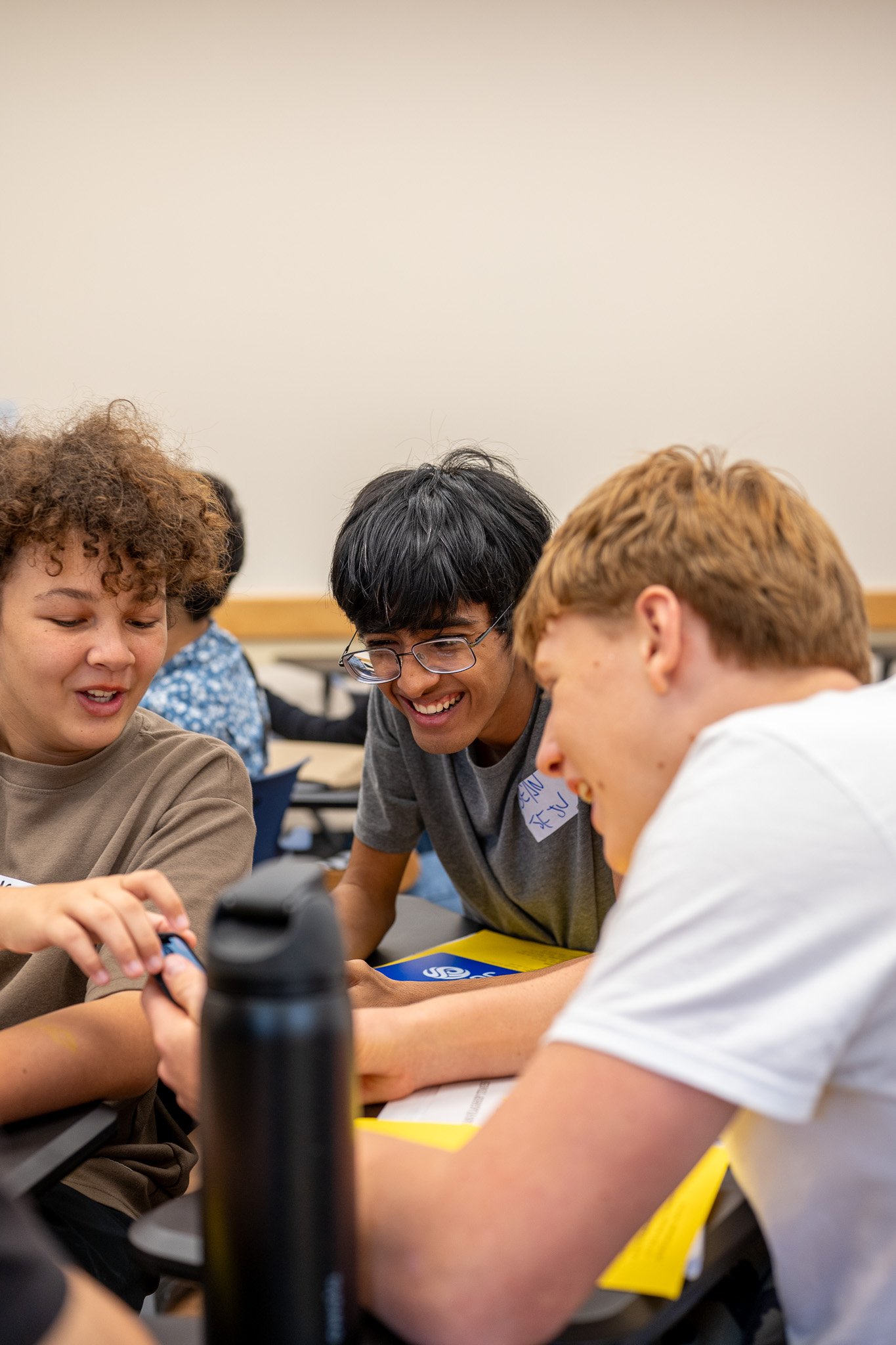
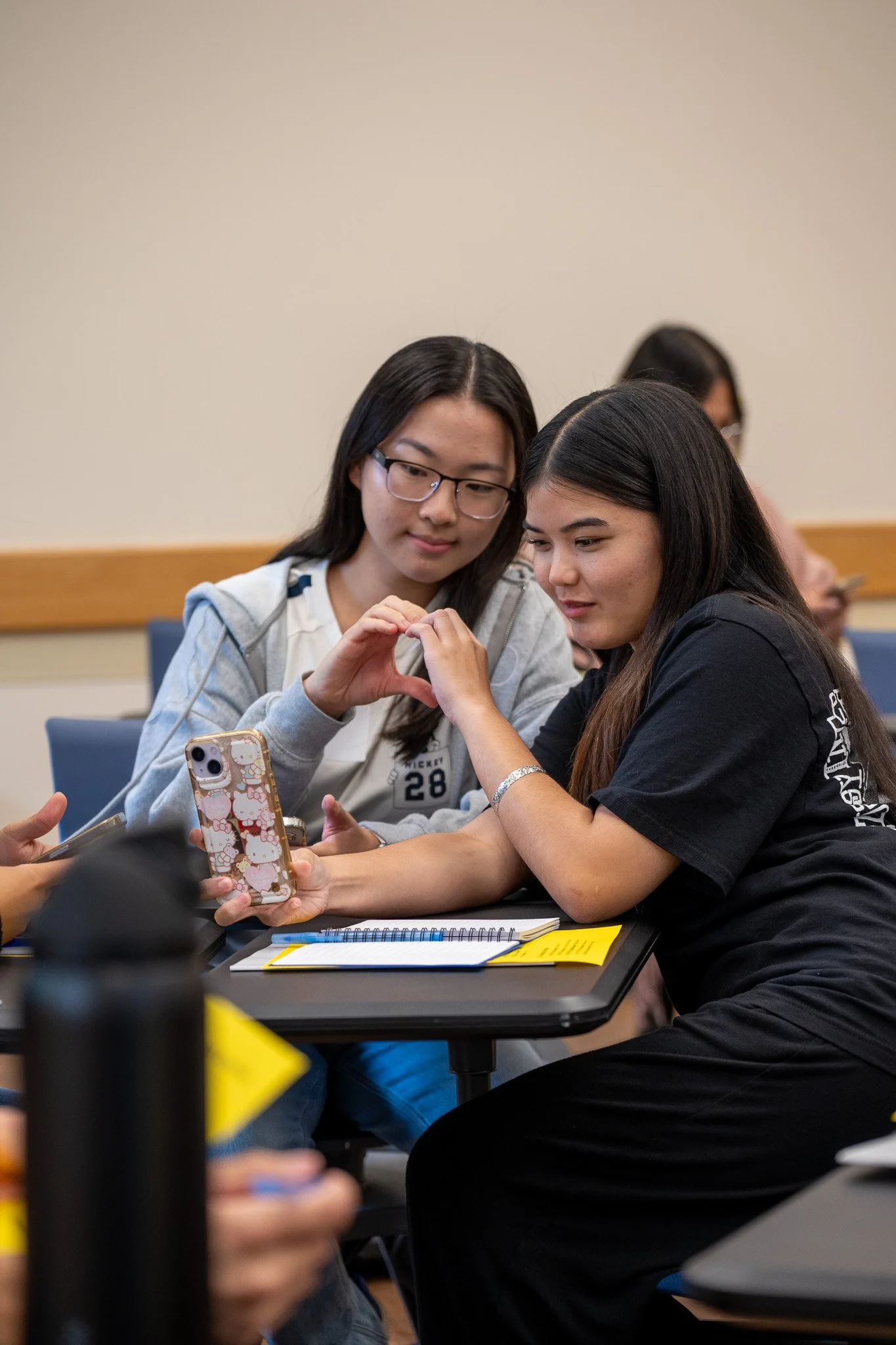
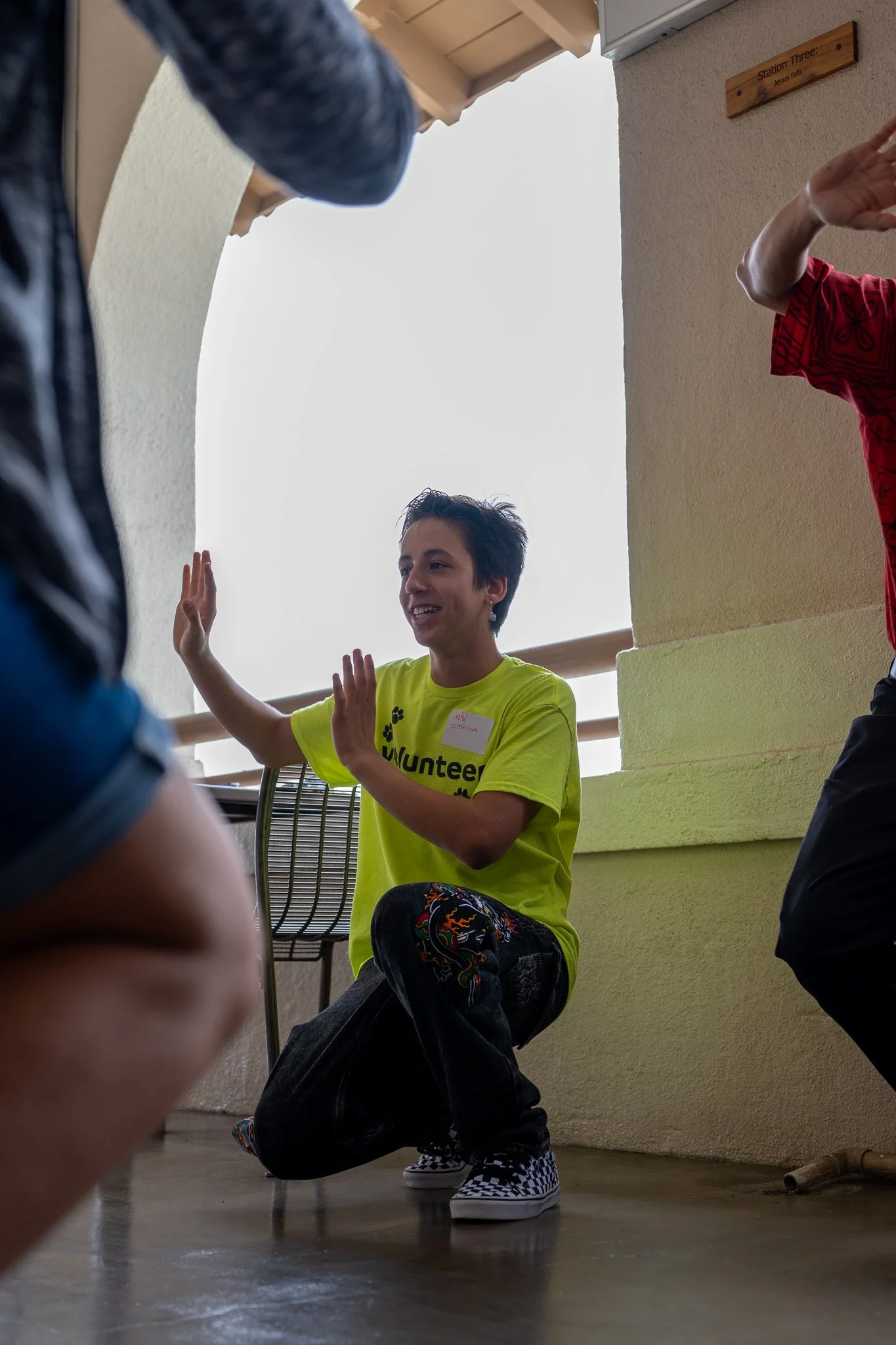
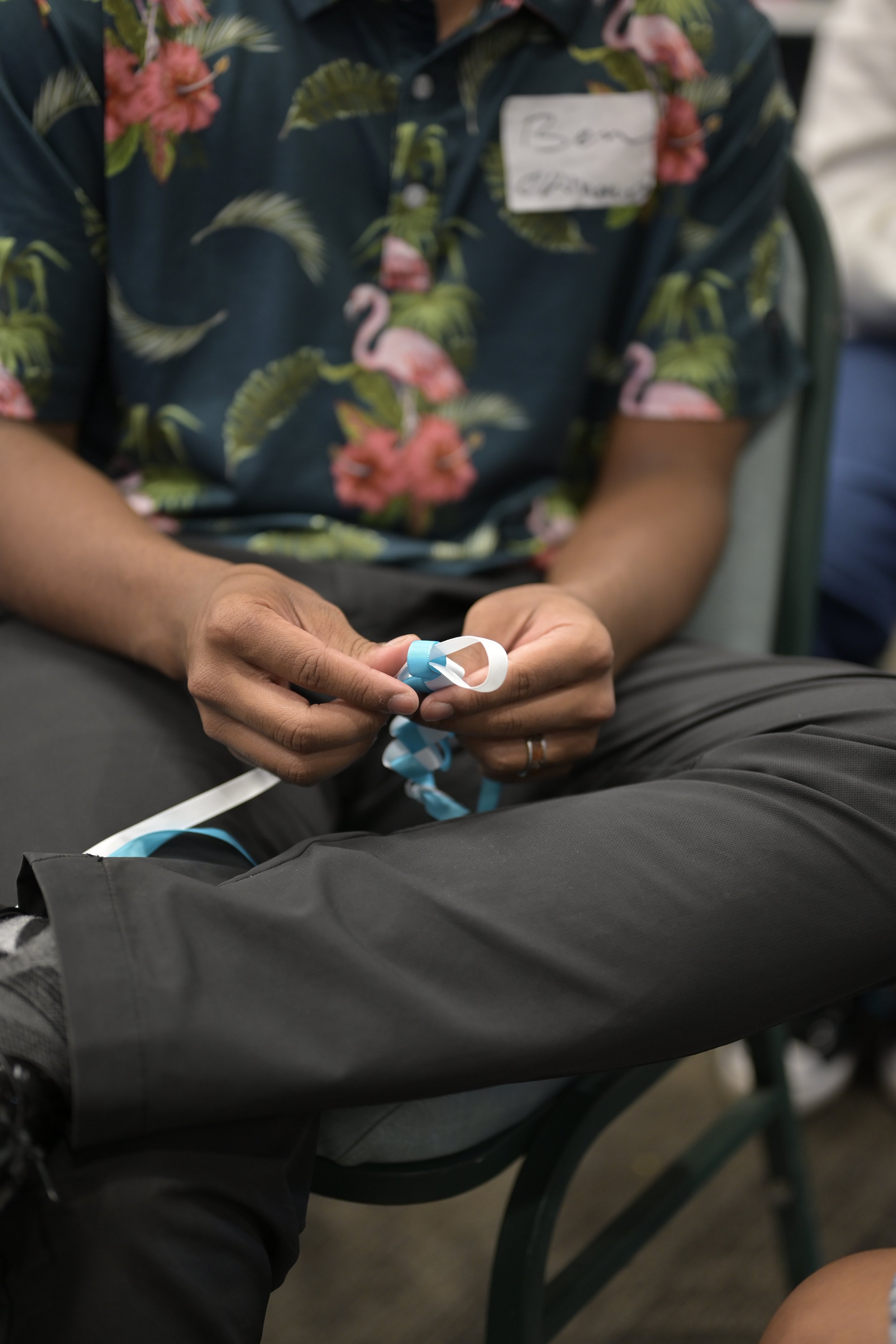
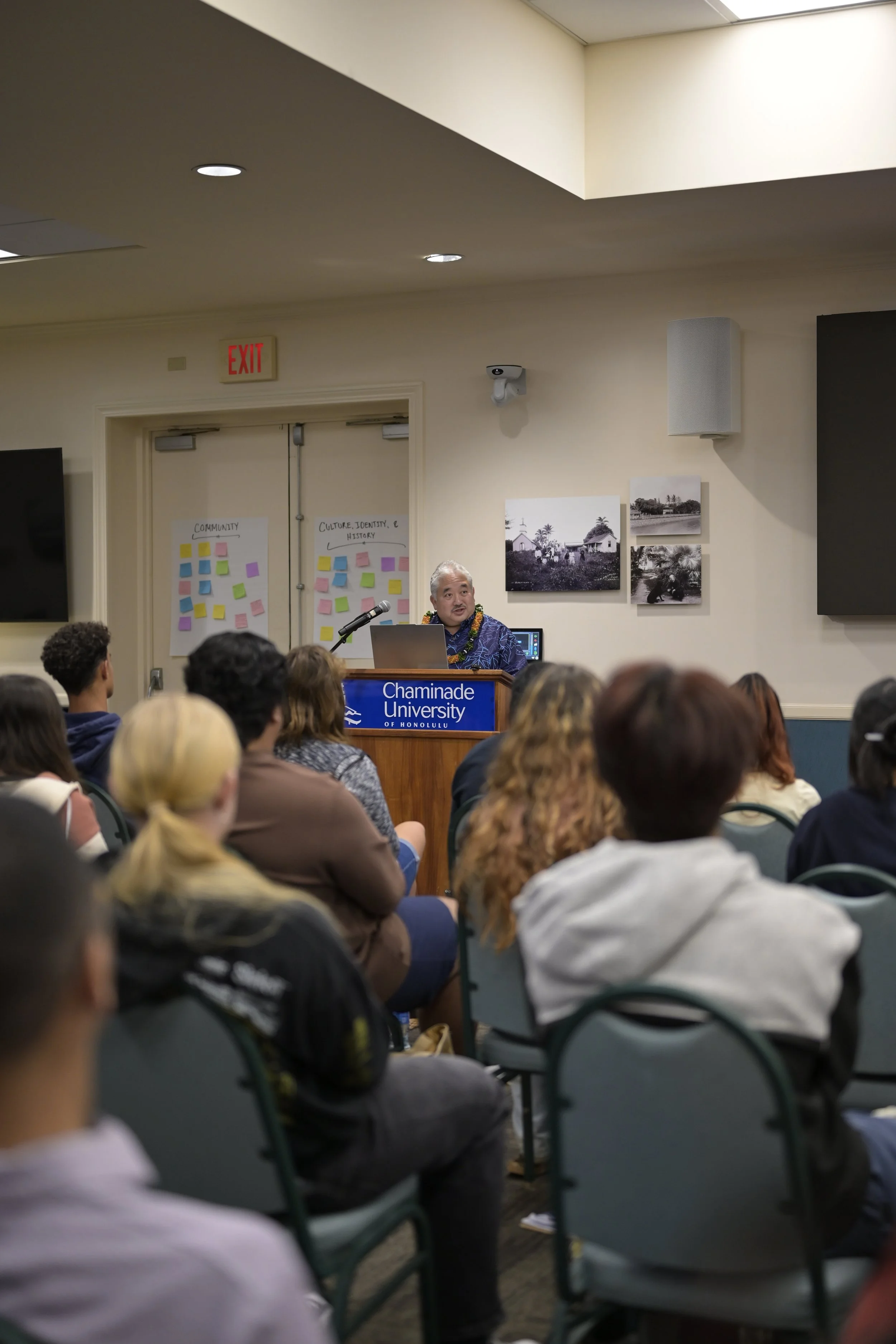
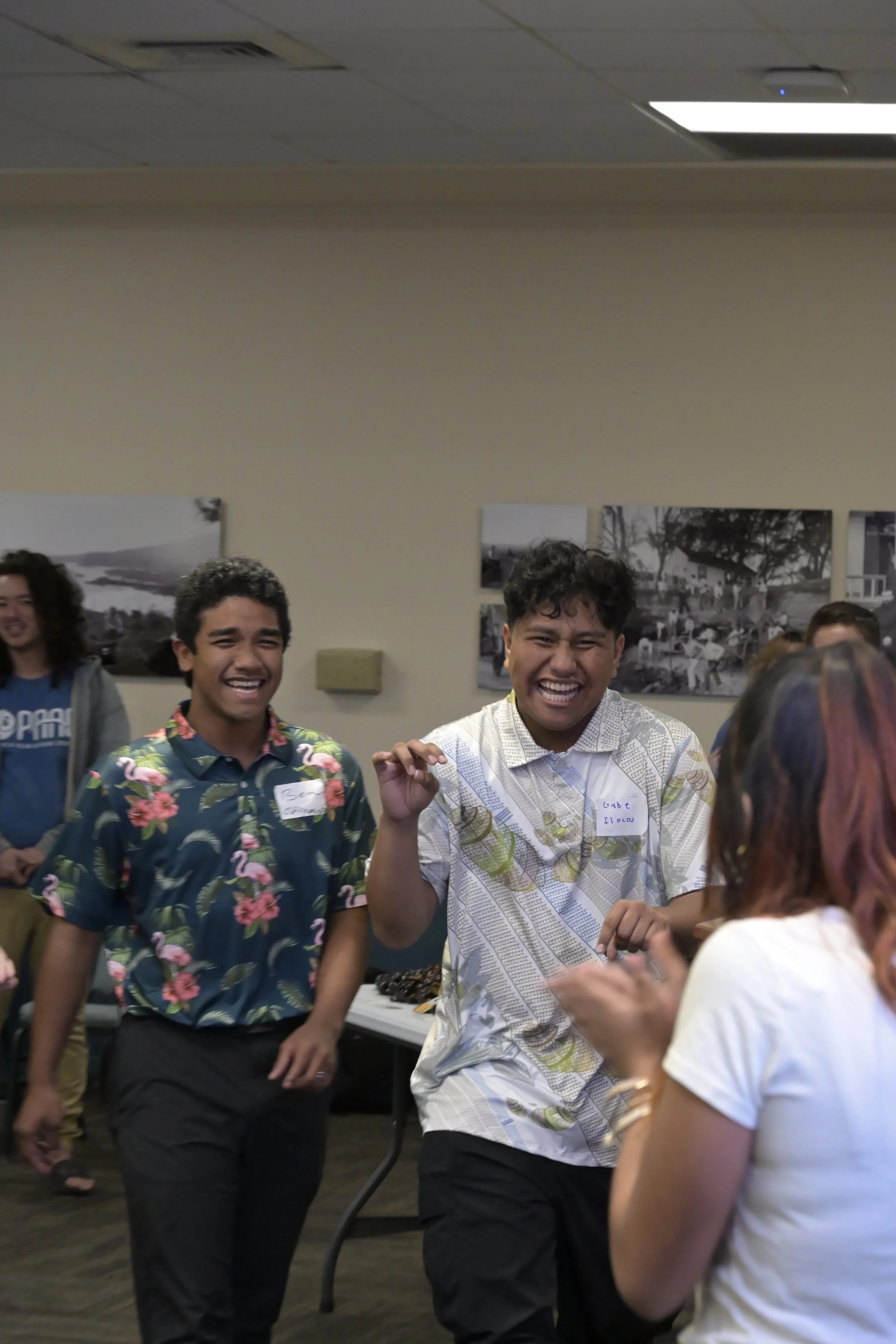
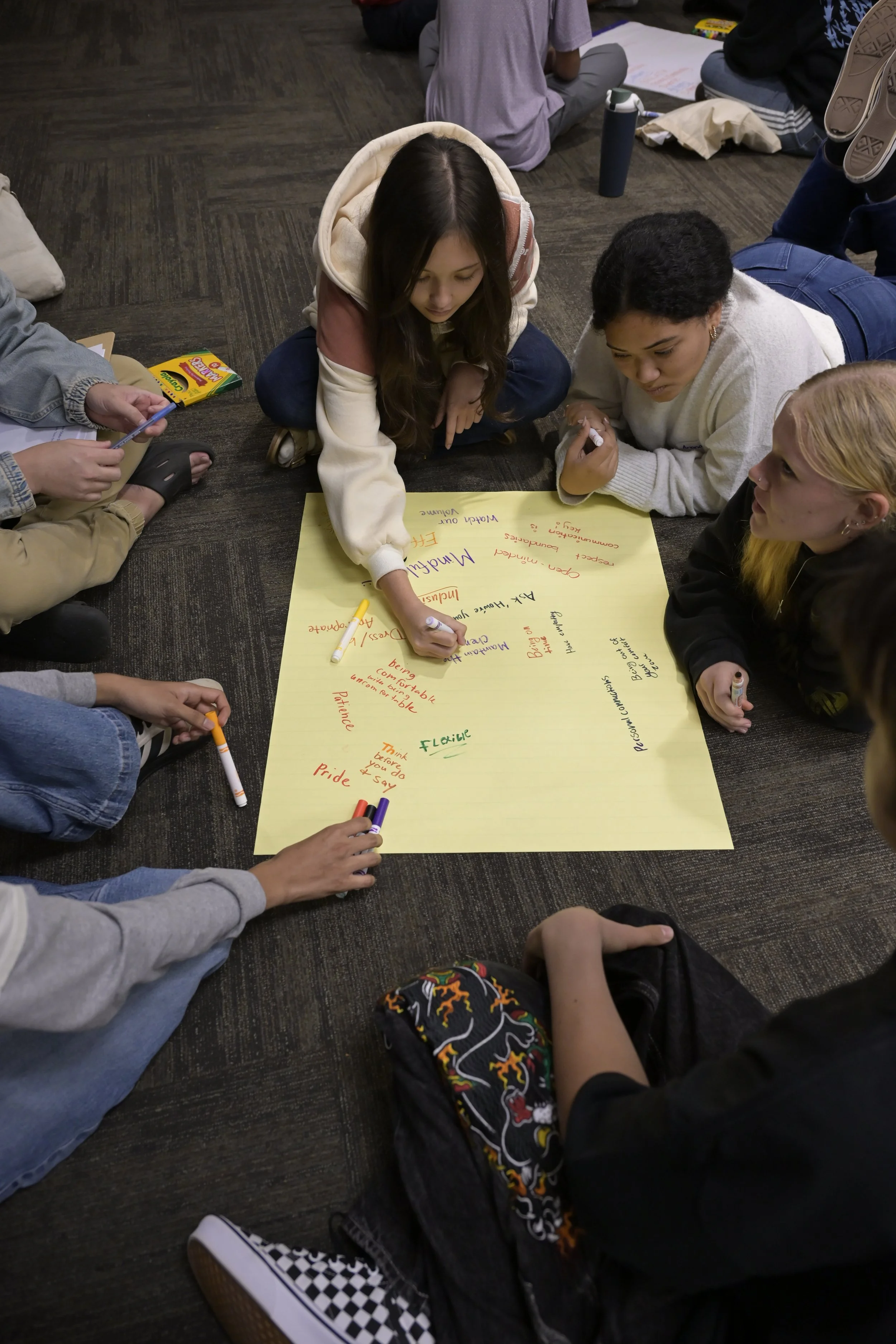
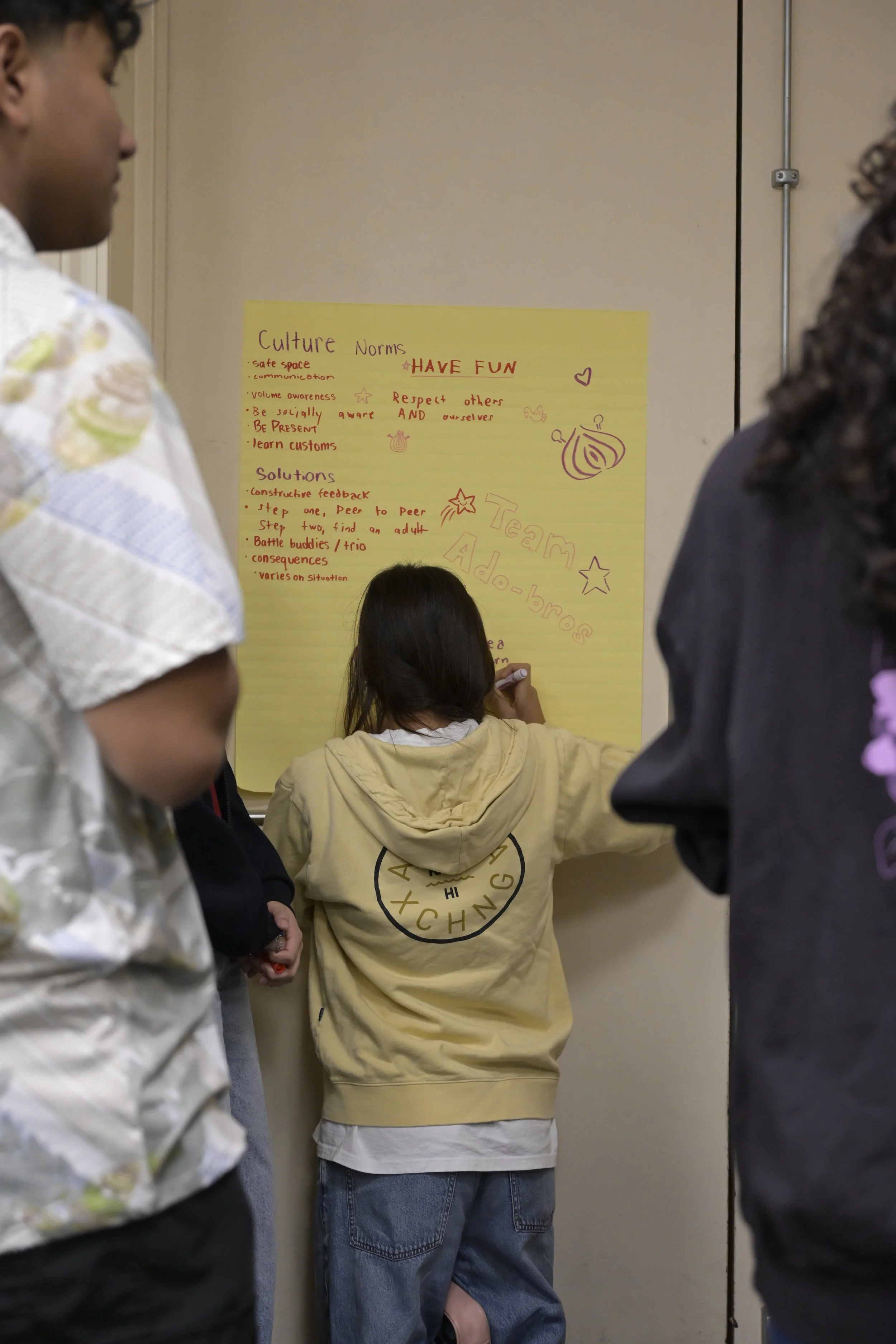
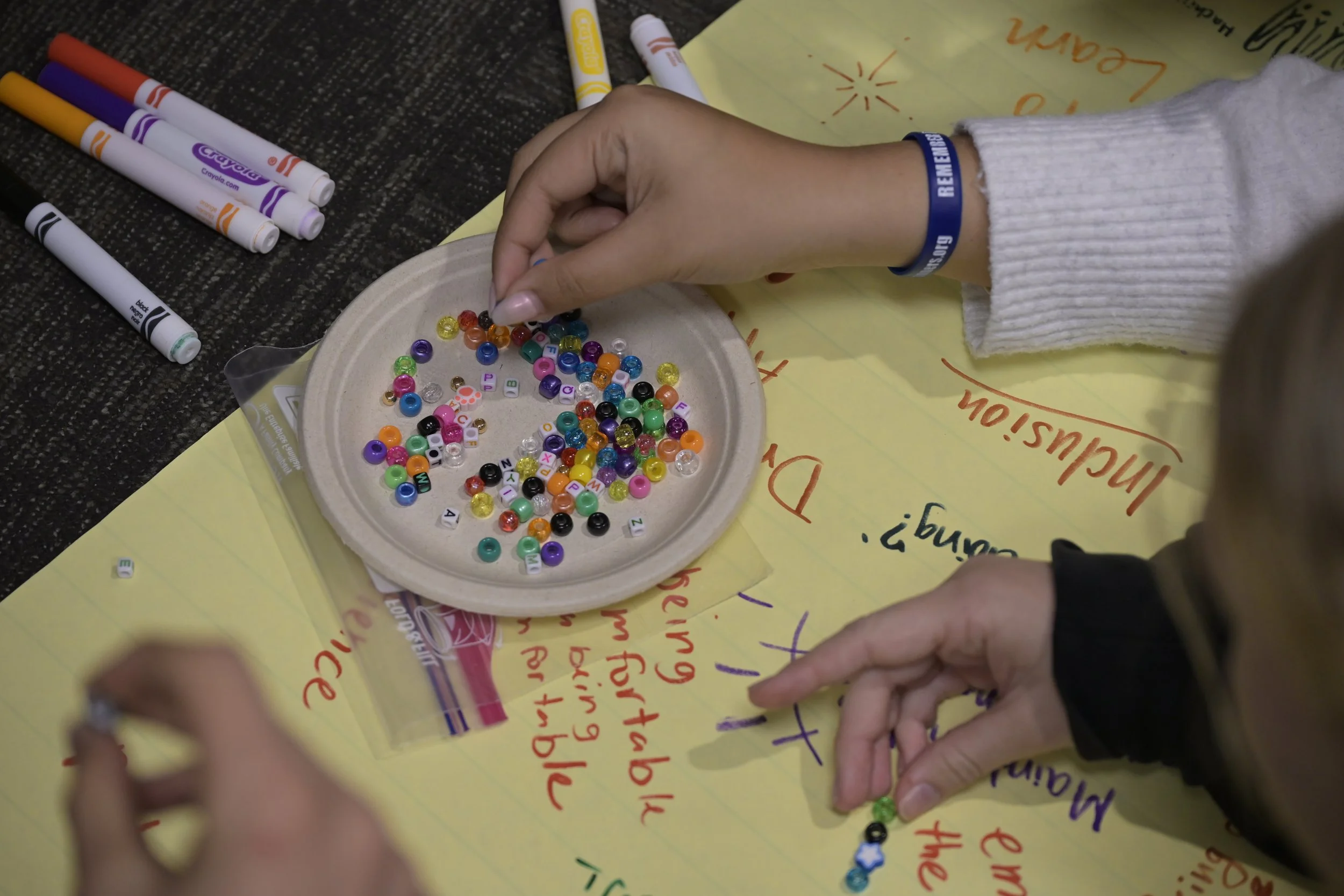
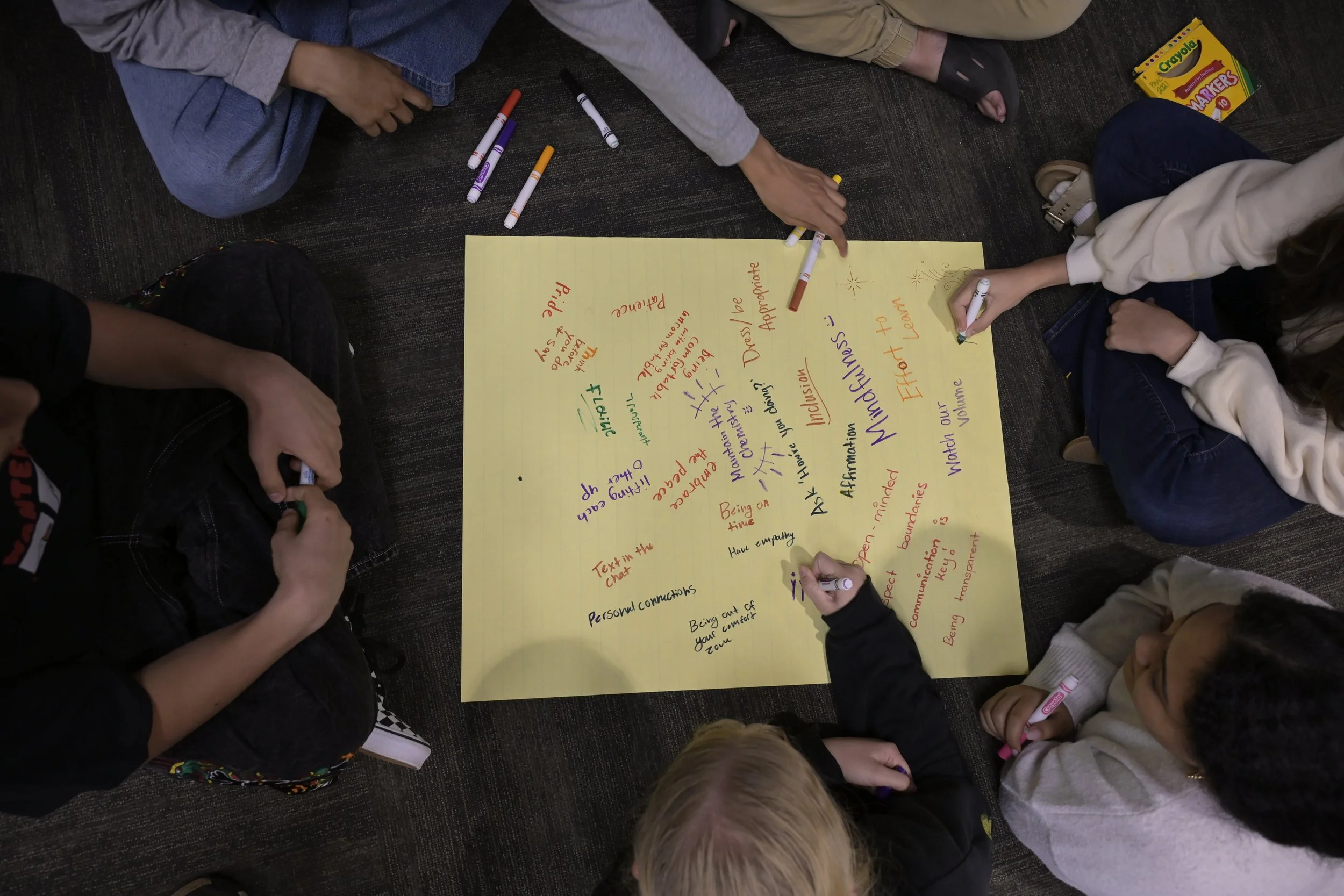
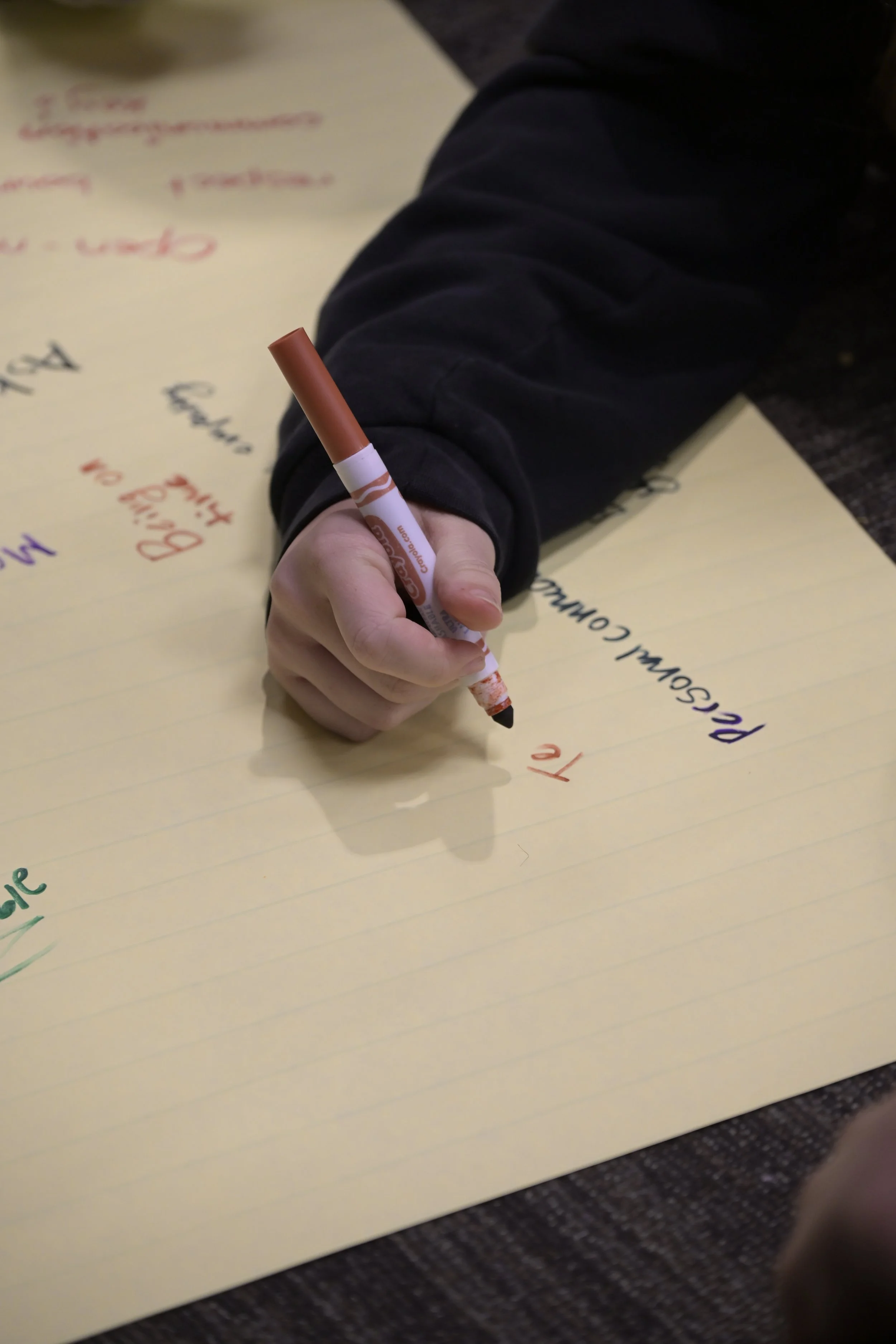
Every student who walks into PAAC's Sister-State Study Tour Orientation already knows they're going somewhere. What the two-day experience is designed to do — through site visits, community conversations, language classes, and the kind of bonding that only happens when you share a hotel room with a stranger — is help them understand why.
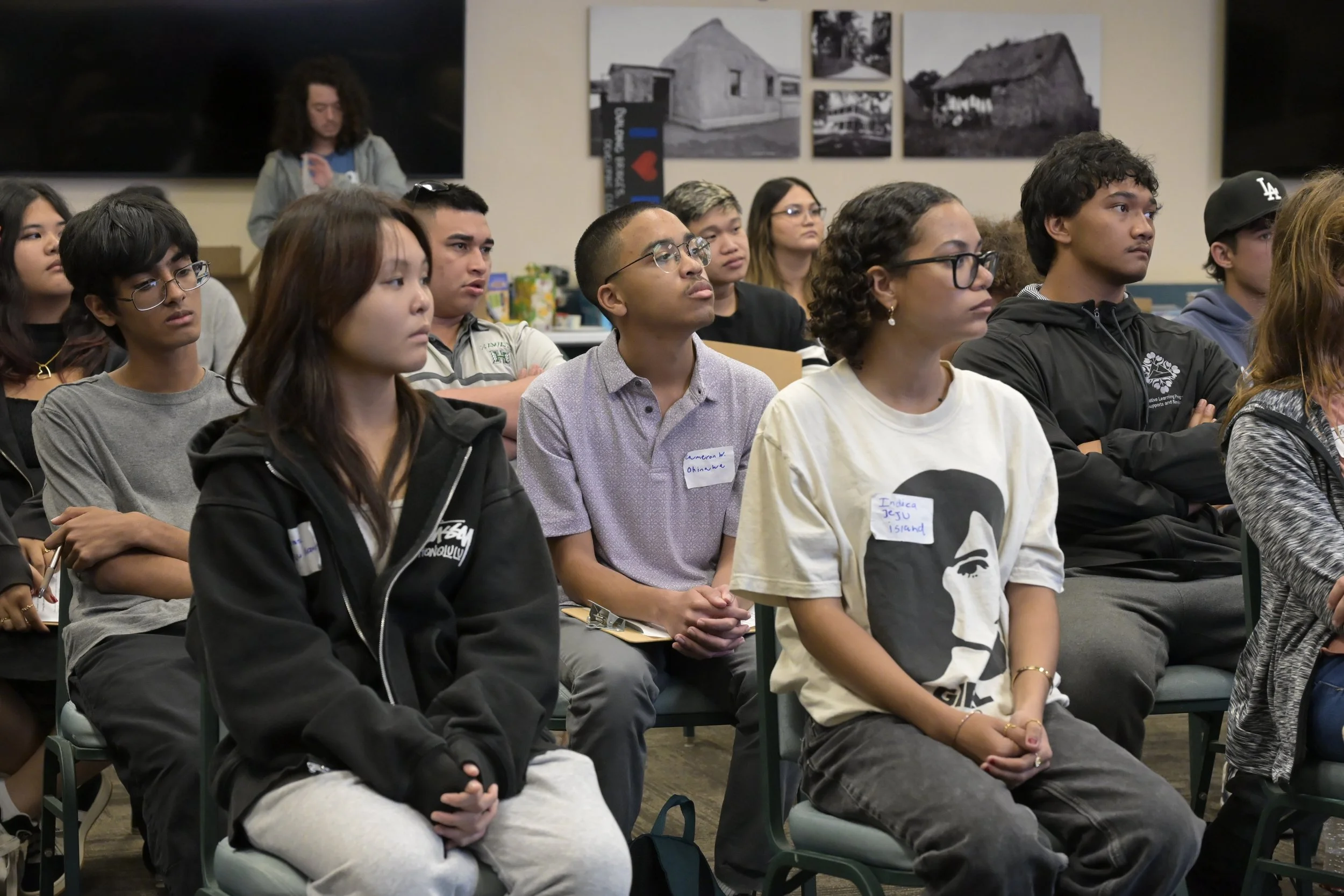
This February, 42 student ambassadors from public high schools across Hawaiʻi gathered at Chaminade University, flying in from Lānaʻi, Hilo, Kona, Maui, and Kauaʻi to prepare for spring travel to three of Hawaiʻi's Sister-State destinations: Okinawa, Japan; Jeju Island, South Korea; and Ilocos Norte and Ilocos Sur in the Philippines. The orientation didn't try to answer every question. It was built around three.
I. What connects us?
Before orientation, fewer than half of the 42 students could fully explain the purpose of Hawaiʻi's Sister-State relationships. That's not a criticism — it's an honest starting point, and it's exactly what the first afternoon was designed to address.
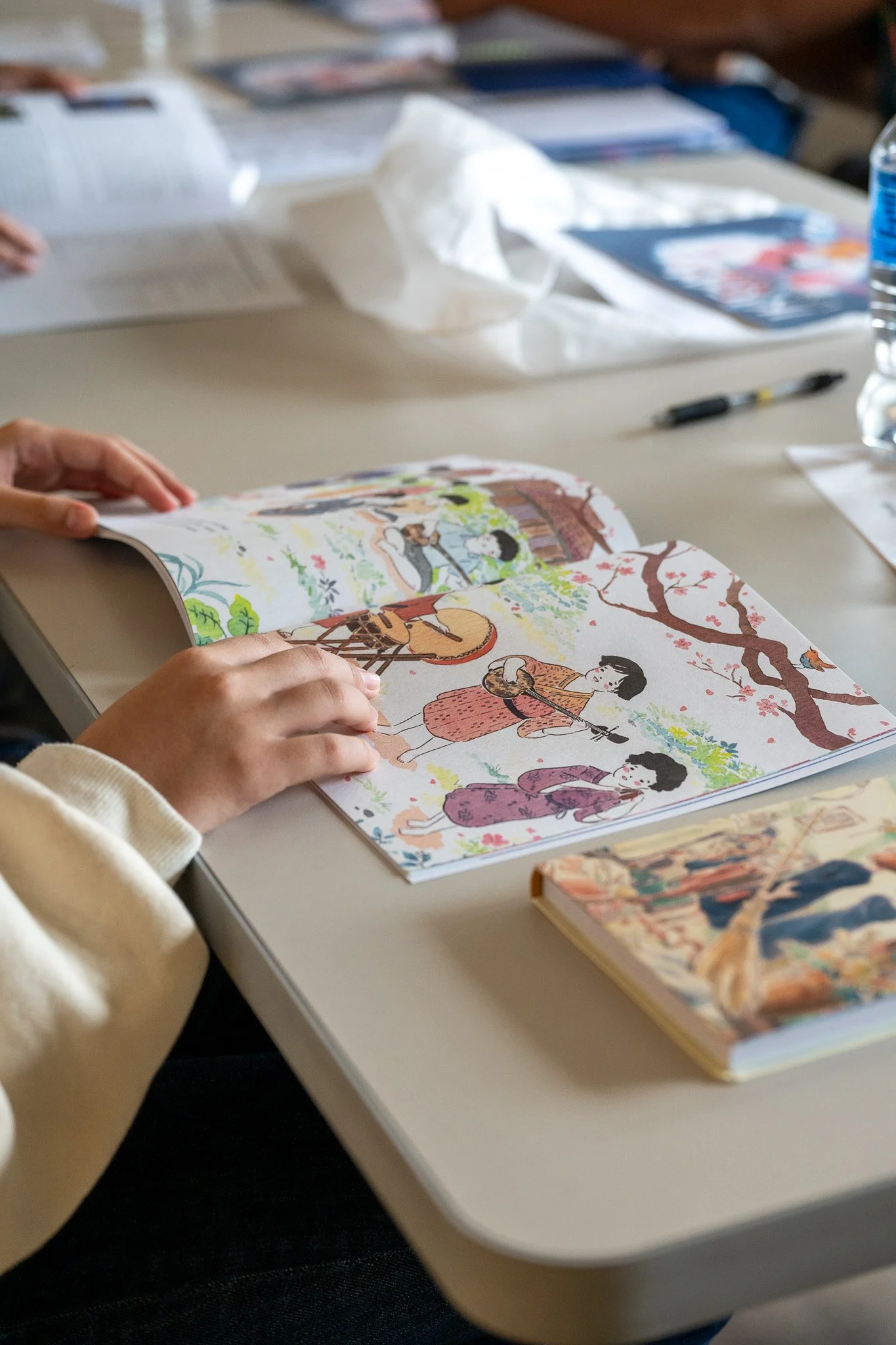
Each cohort traveled to a different community site. The Ilocos delegation visited the East-West Center's Kulturang Makulay: Colorful Cultures of the Philippines gallery exhibition. The Jeju cohort moved through the United Korean Association of Hawaiʻi's Immigration History Hall, tracing a century of Korean plantation life — the bango numbered tags that reduced laborers to shapes of metal, the picture bride system, the 25 Korean-language schools built by immigrants who refused to let their culture dissolve. The Okinawa group spent the afternoon at Jikoen Hongwanji, learning the temple's history, handling artifacts, and eventually climbing inside a Shishimai lion costume to discover, firsthand, how hard the dance actually is.
What students found in each space wasn't distant history. It was their own.
At the East-West Center, Lakeisha Quitog — who is Ilocano — stood before a display of Inabel, the most prized weaving tradition of the Ilocos region, and wrote afterward that she found herself imagining her own ancestors dressed in it. In front of a contemporary gown fusing Filipino butterfly sleeves with a Hawaiian maile lei design — two cultures held inside a single garment — Angela Querubin felt something she hadn't expected: "Sometimes I take my culture for granted. I want to remember how much I loved it and how much I used to be so in touch with it."
At the Korean immigration hall, the weight landed differently. Taytum Medina-Oliveira didn't soften what she saw: "These people did not want to work day and night in these fields…they were forced. And so were our people." That anger wasn't a detour. It was the point. Understanding what connected Hawaiʻi and Jeju Island required understanding what was done to both.
And at Jikoen, Anju Bekkum found the thread that ran through all three sites: "Okinawa is currently in the process of a cultural renaissance similar to the Hawaiian Renaissance. We are the example. Annexed island nations around the world trying to reclaim their native culture look up to Hawaiʻi. We should support their cultural revival just as we needed."
By the end of Day One, the connections weren't abstract anymore. They were personal, historical, and urgent.
II. What does it take to actually communicate across difference?
Knowing the history is one thing. Knowing how to show up inside it — respectfully, curiously, without projecting — is another. Day Two turned to that harder question.
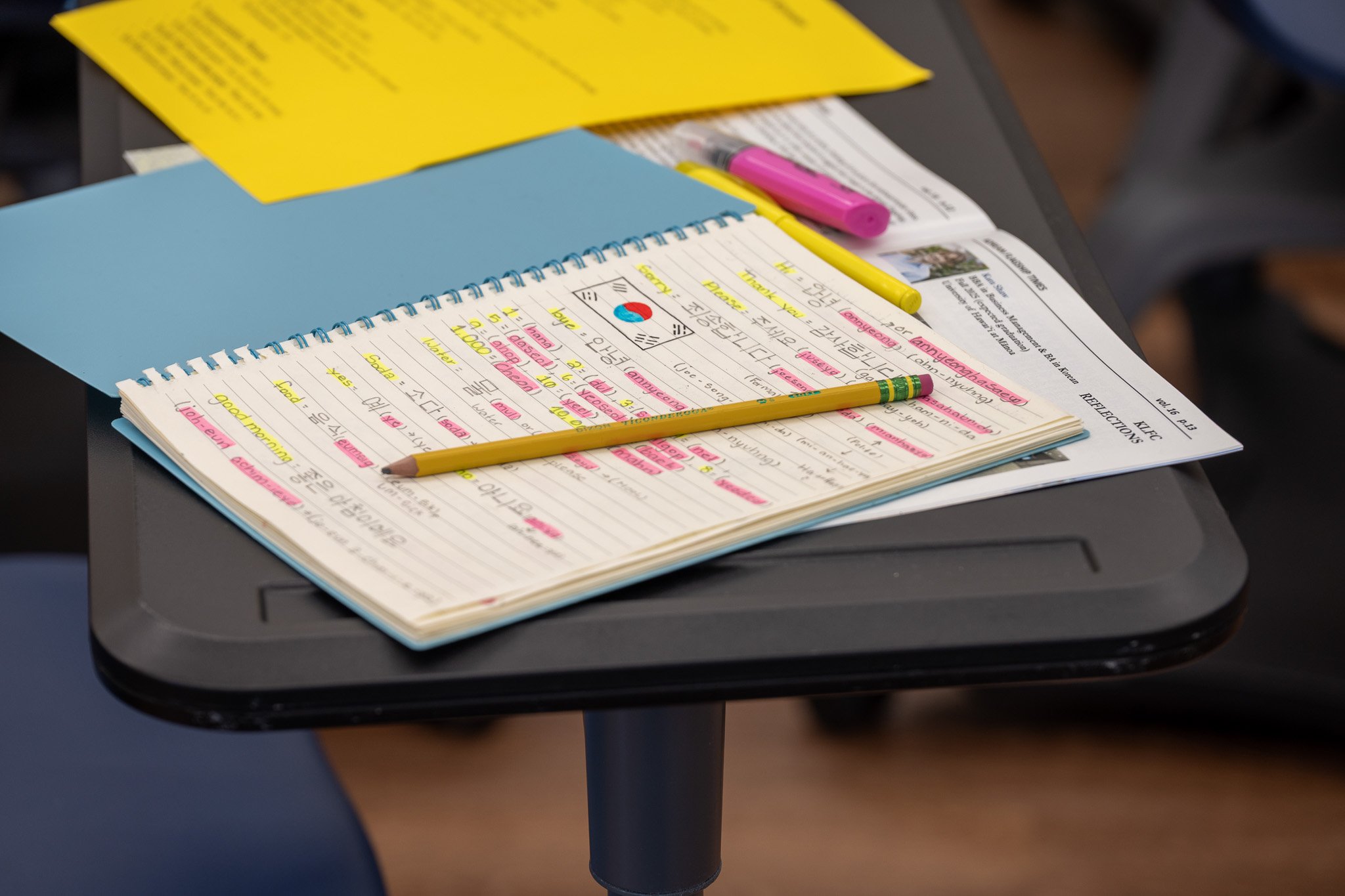
Students began with survival language classes taught by native speakers in Ilokano, Korean, and Japanese. Language learning here wasn't primarily about vocabulary. It was about posture — the physical act of trying, stumbling, and trying again in front of people you're just getting to know. For students who had spent the previous day learning how Korean-language schools and Ilokano oral traditions survived colonization, sitting in a classroom attempting their first phrases carried a different kind of weight.
Then came the community rotation panels, where scholars, filmmakers, practitioners, and community leaders spent time in each cohort's breakout room through talking story, rotating through small groups, fielding real questions and asking them back. Students heard from a linguist working to document a language on the edge of extinction, a filmmaker whose documentary traces Korean immigrant lives in Hawaiʻi, and a practitioner of hajichi — the traditional Okinawan women's hand tattoo that was banned under Japanese rule and is now being slowly reclaimed. That last conversation didn't happen through slides or summaries. It happened through demonstration, a woman showing students what reclamation looks like when it lives in someone's hands.
Communicating across difference, students were learning, isn't a skill you develop by studying it. You develop it by being in the room.
III. What does it mean to represent Hawaiʻi?
This is the question every student ambassador eventually has to answer for themselves. PAAC doesn't give them a script. What it gives them is a framework — the Nā Hopena Aʻo values, a deliberate conversation about what aloha means when it travels — and then asks each cohort to decide together which value will be their north star.
All three cohorts chose aloha.
That convergence mattered less as a feel-good moment and more as evidence that students across three very different groups, coming from schools across six islands, had arrived at the same understanding of what they were carrying. "Aloha perfectly encapsulated my view of the trip's purpose," wrote Angela Querubin: "to promote peaceful relations through caring for each other, being mindful of one another, and respecting the cultures." From the Okinawa cohort, Tracey Beesley-Wadzinski put it in simpler terms: "I've lived in Hawaiʻi since I was a year old, and grew up in the aloha-filled community. I'm confident I can meet these expectations as I go on the trip."
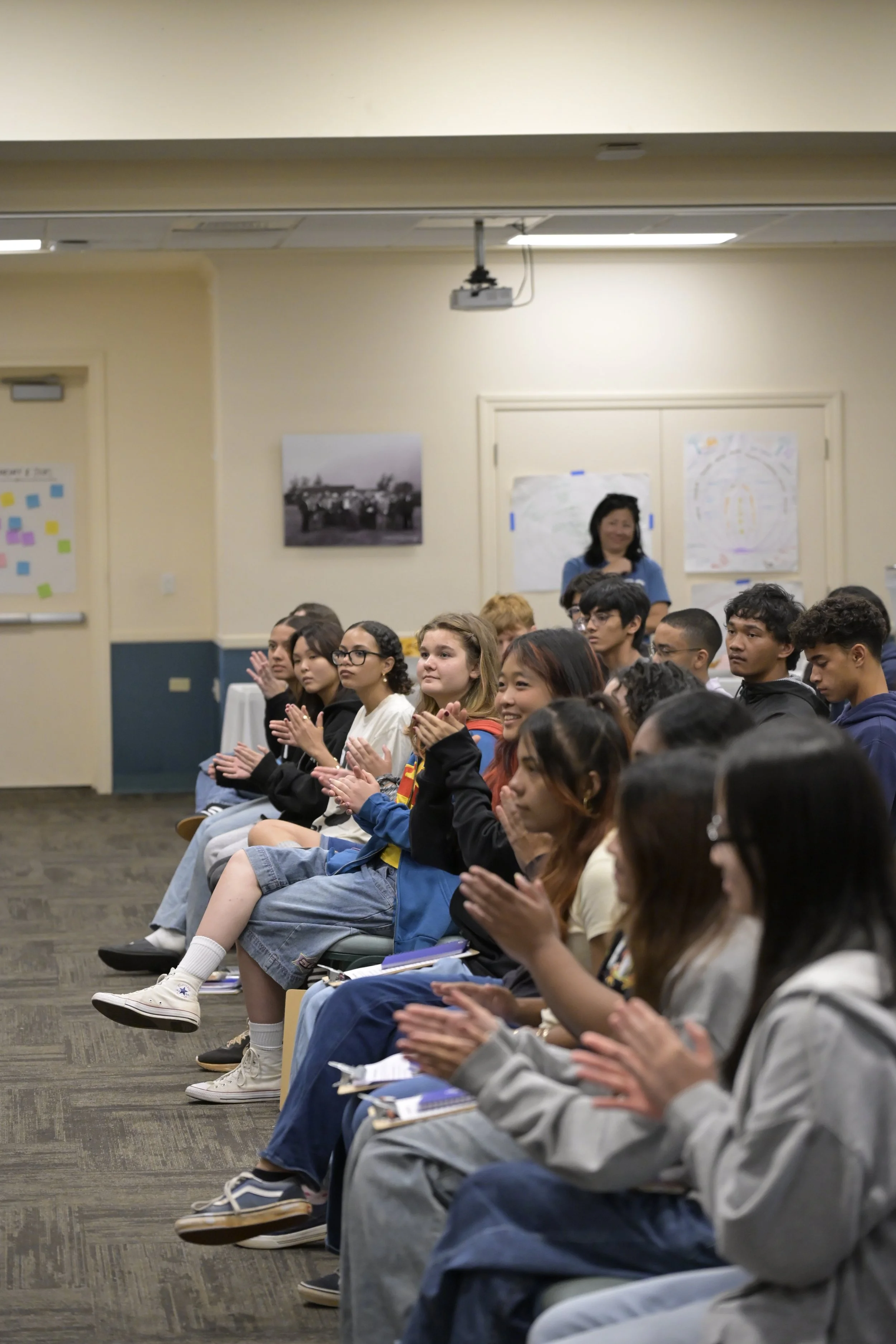
At the start of orientation, Jamie Lum of the Department of Business, Economic Development and Tourism framed the larger stakes: these Sister-State relationships are part of Hawaiʻi's broader economic and diplomatic strategy in the Asia-Pacific, and the students in that room are part of how those relationships stay alive at the human level. Superintendent Keith Hayashi of the Hawaiʻi Department of Education closed the weekend with a keynote and a badge ceremony — each student's name called aloud, each receiving their country's flag, a kukui lei placed around their shoulders. It was quiet and specific and it meant something.
The post-orientation data reflects what that two-day arc produced. Ninety-one percent of students left rating their understanding of their ambassador role at the highest level. Ninety-eight percent — essentially every student across all three cohorts — said the orientation had built meaningful relationships with their travel group. That second number is worth pausing on: cohort trust is one of the strongest predictors of how deeply students engage once they arrive in a new country. PAAC builds that trust before the plane takes off.
"I went into this orientation only knowing two people," wrote Julie Matsumoto of the Ilocos cohort, "and can confidently say that I've introduced myself to everyone and bonded well with a majority of my cohort." From Jeju, Cassie Nakaoka: "I feel very comfortable with everyone in my travel cohort, which will help us have a fun trip while also learning together." And from Anju Bekkum, already half-dreading goodbye by Sunday afternoon: "We made inside jokes, tore down our walls, and got comfortable quickly. I miss them already."

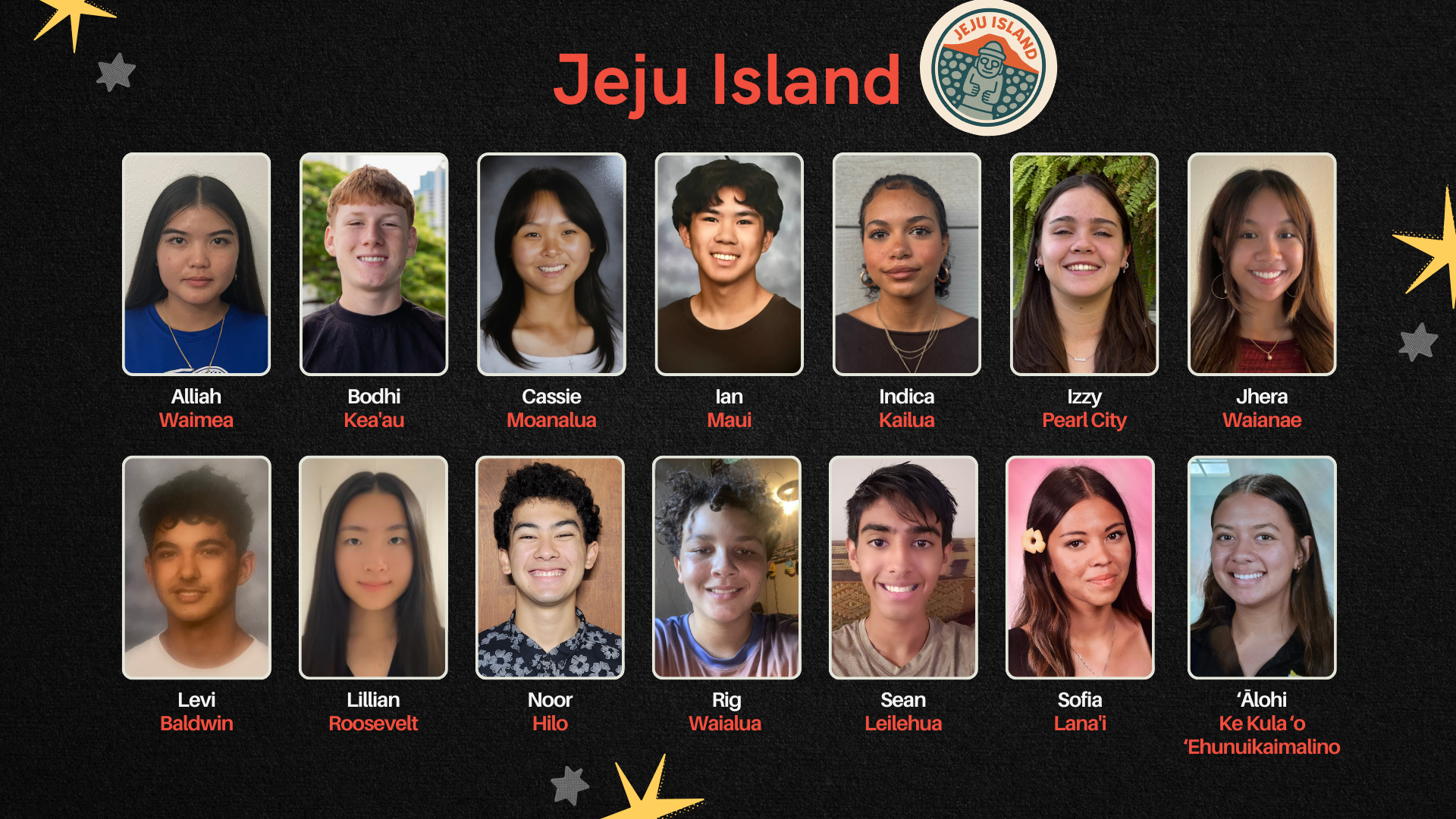
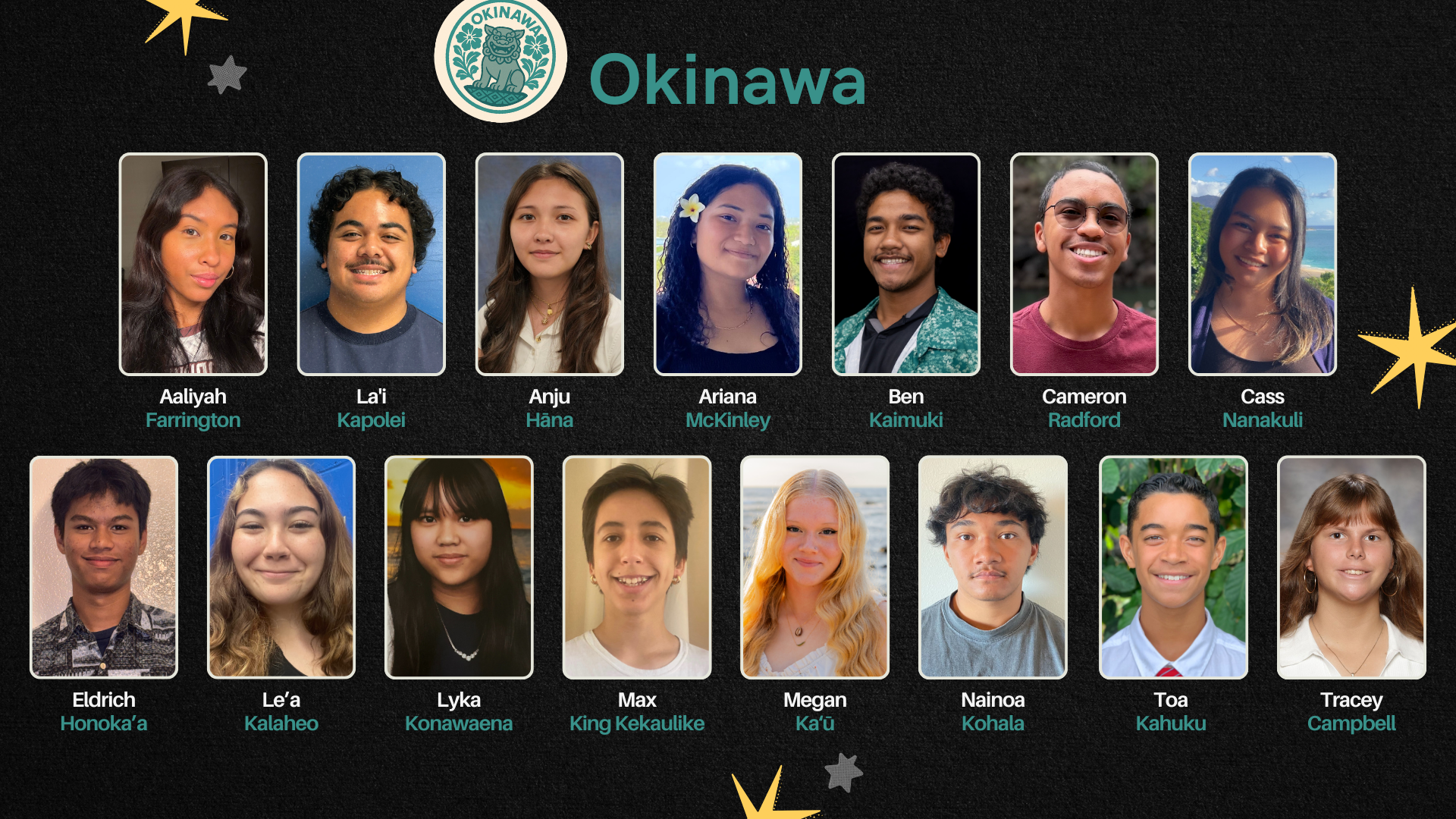
The 2026 Sister-State Student Ambassador Program is PAAC's flagship initiative this year, developed in partnership with the East-West Center and the State of Hawaiʻi. This spring, 42 students from public high schools statewide will travel to Okinawa, Jeju Island, and Ilocos Norte and Ilocos Sur — communities whose histories are woven into Hawaiʻi's own through 125 years of immigration, labor, cultural exchange, and people-to-people diplomacy. What they'll bring with them isn't just a passport and a packing list. It's two days of standing inside a shisa, tracing the stitching on a gown that holds two cultures at once, sitting across from a woman whose hands carry a tradition that was once forbidden, and learning to ask better questions of a world that Hawaiʻi has always been part of.
To follow the delegations as they travel and to support PAAC's global education programs, visit paachawaii.org.
Mahalo nui loa to everyone who made this orientation possible.
Our keynote speakers — Jamie Lum of the Department of Business, Economic Development & Tourism, and Superintendent Keith Hayashi of the Hawaiʻi Department of Education — set the tone for what it means to show up as a representative of Hawaiʻi.
Deep gratitude to the community institutions and individuals who opened their doors and shared their knowledge: Annie Reynolds and Michelle Aquino at the East-West Center's Kulturang Makulay exhibition; David Suh at the United Korean Association of Hawaiʻi Immigration History Hall; and John Toguchi and Jon Itomura of Hawaii Okinawa Creative Arts at Jikoen Hongwanji.
Mahalo to the scholars, practitioners, and community leaders who joined our cohort rotation conversations: Dr. Aurelio Agcaoili, Harry Alonso, and Jaynnel Agrade for the Ilocos Norte & Ilocos Sur delegation; William O'Grady, Jinyoung Lee, and Joyce Yang for the Jeju Island delegation; and Jodie Ching and Bee Tanji for the Okinawa delegation.
This orientation exists because of community. We are grateful.
