
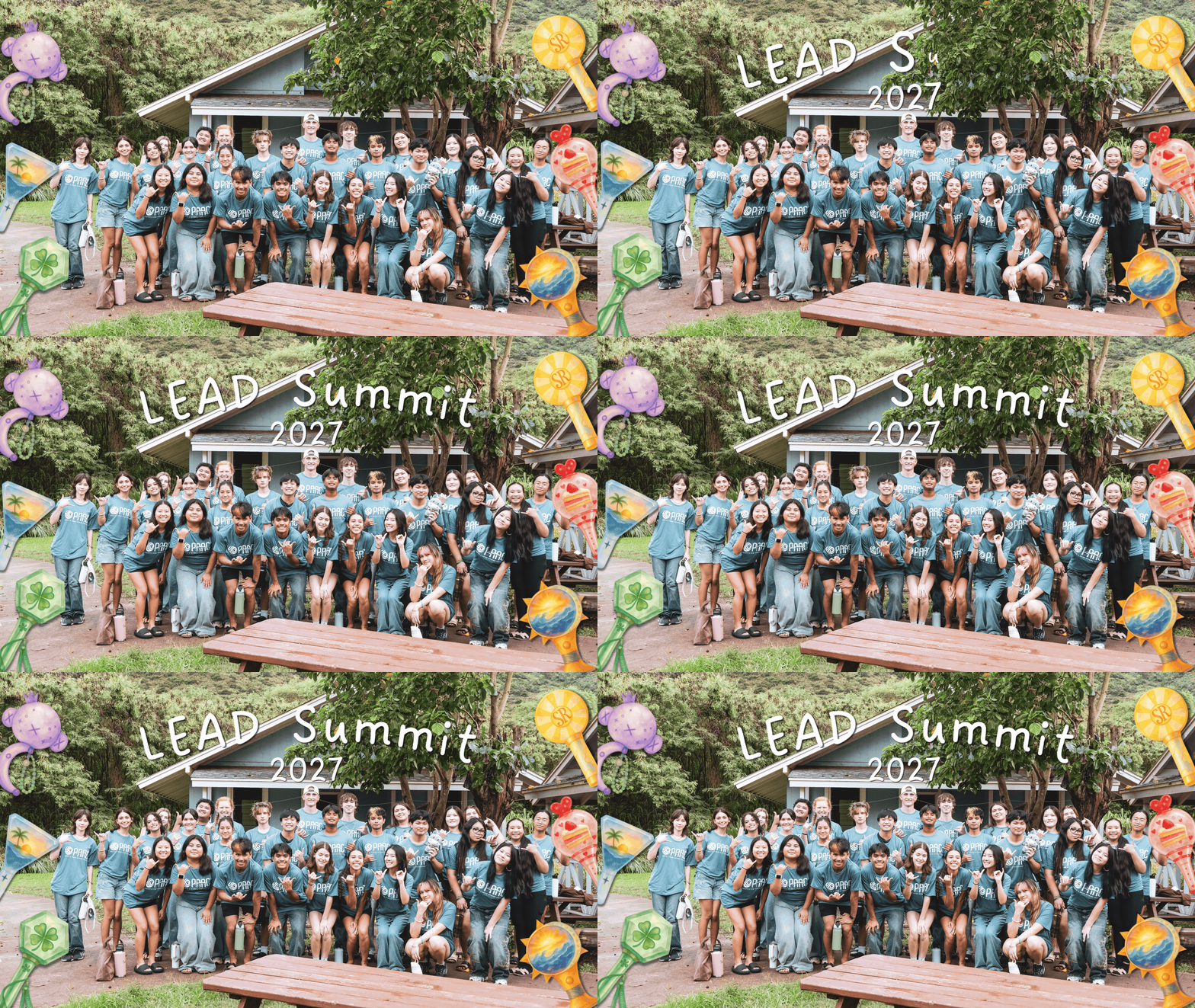
Thirty students. Seventeen schools. Four islands. One shared commitment to leadership and community action.
What happens when 30 student leaders from across Hawaiʻi come together for four days of learning, connection, and a little adventure?
New friendships form. Different perspectives meet. Ideas turn into plans. And students begin to discover what it means to lead—not just within their schools, but within their communities.
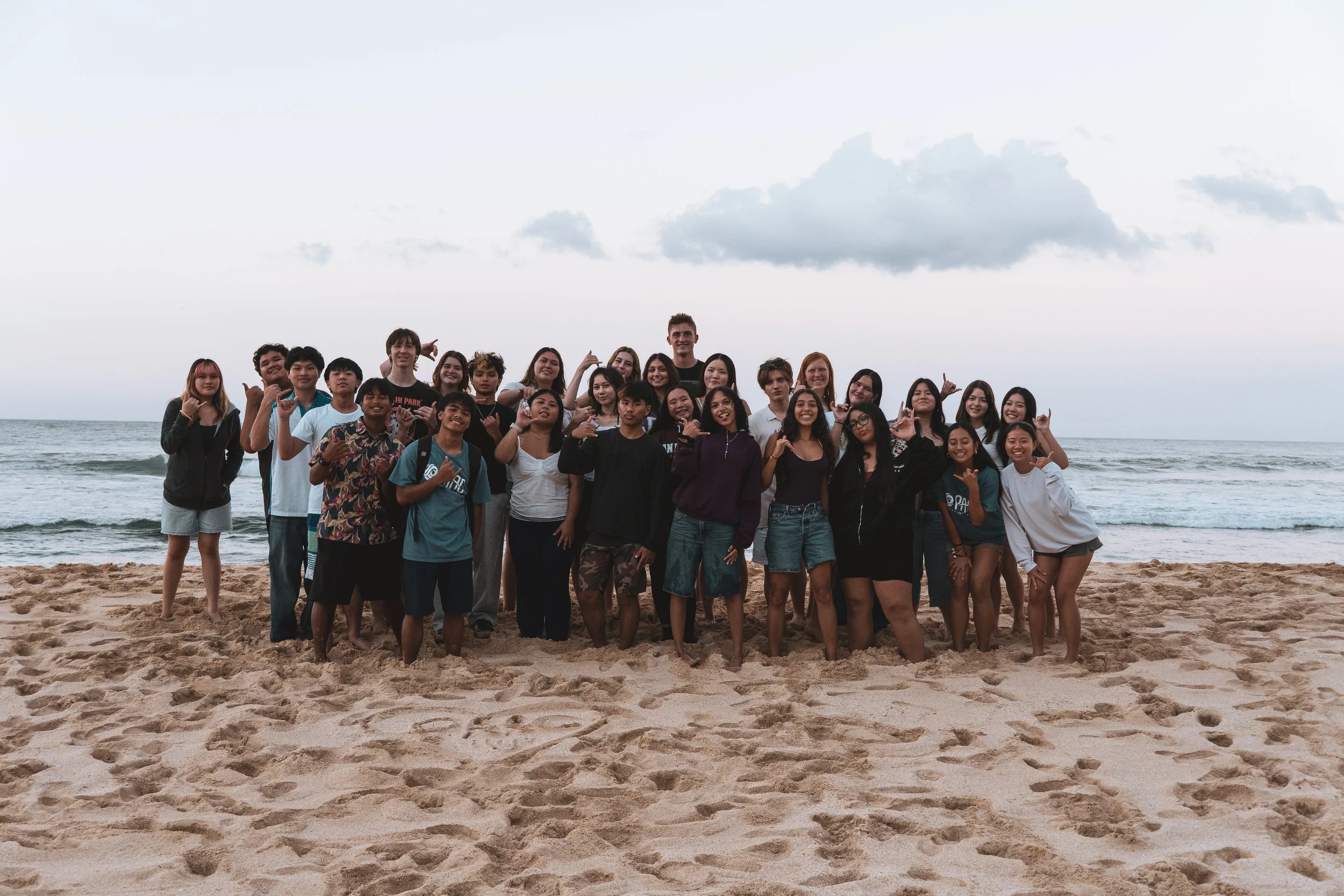
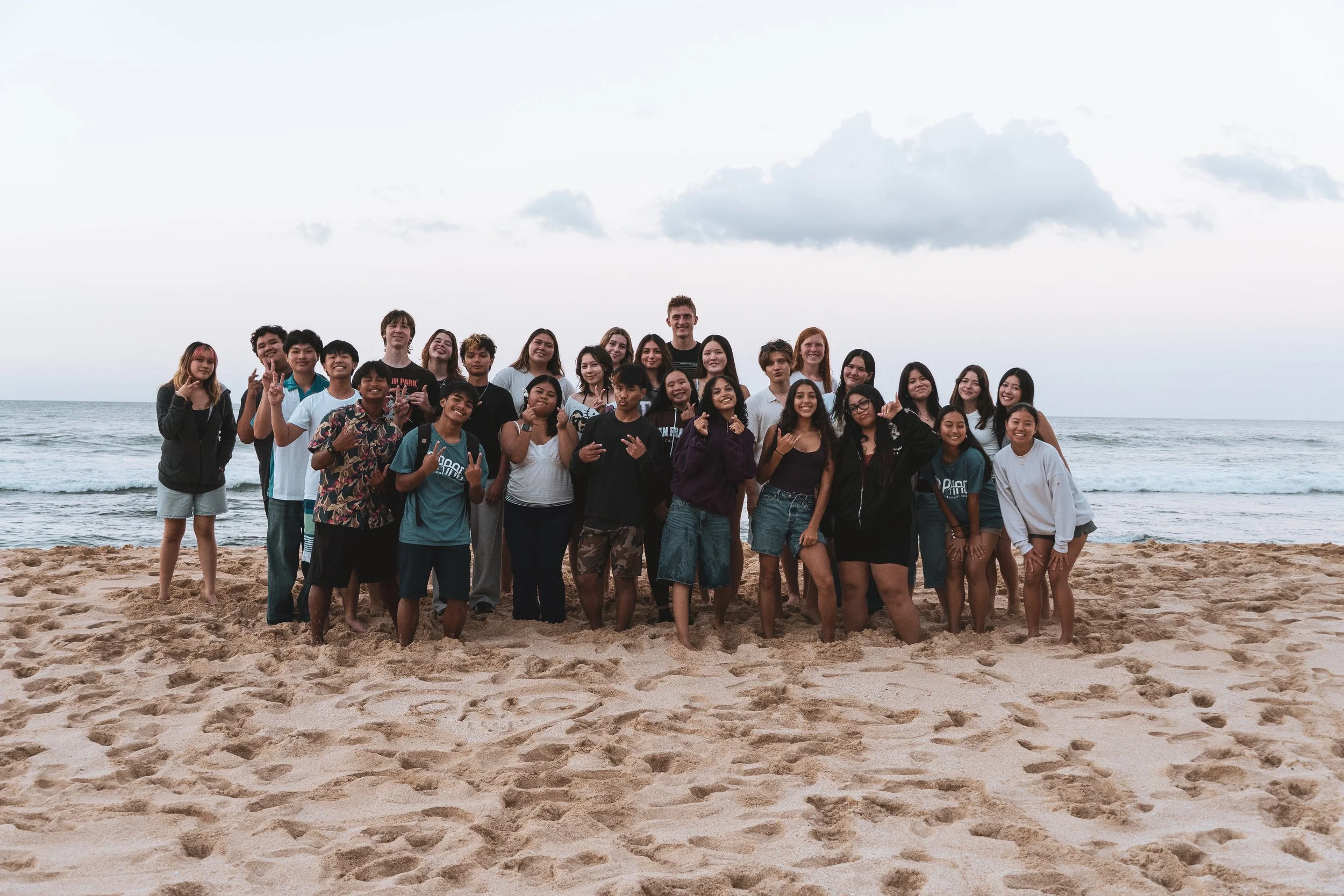
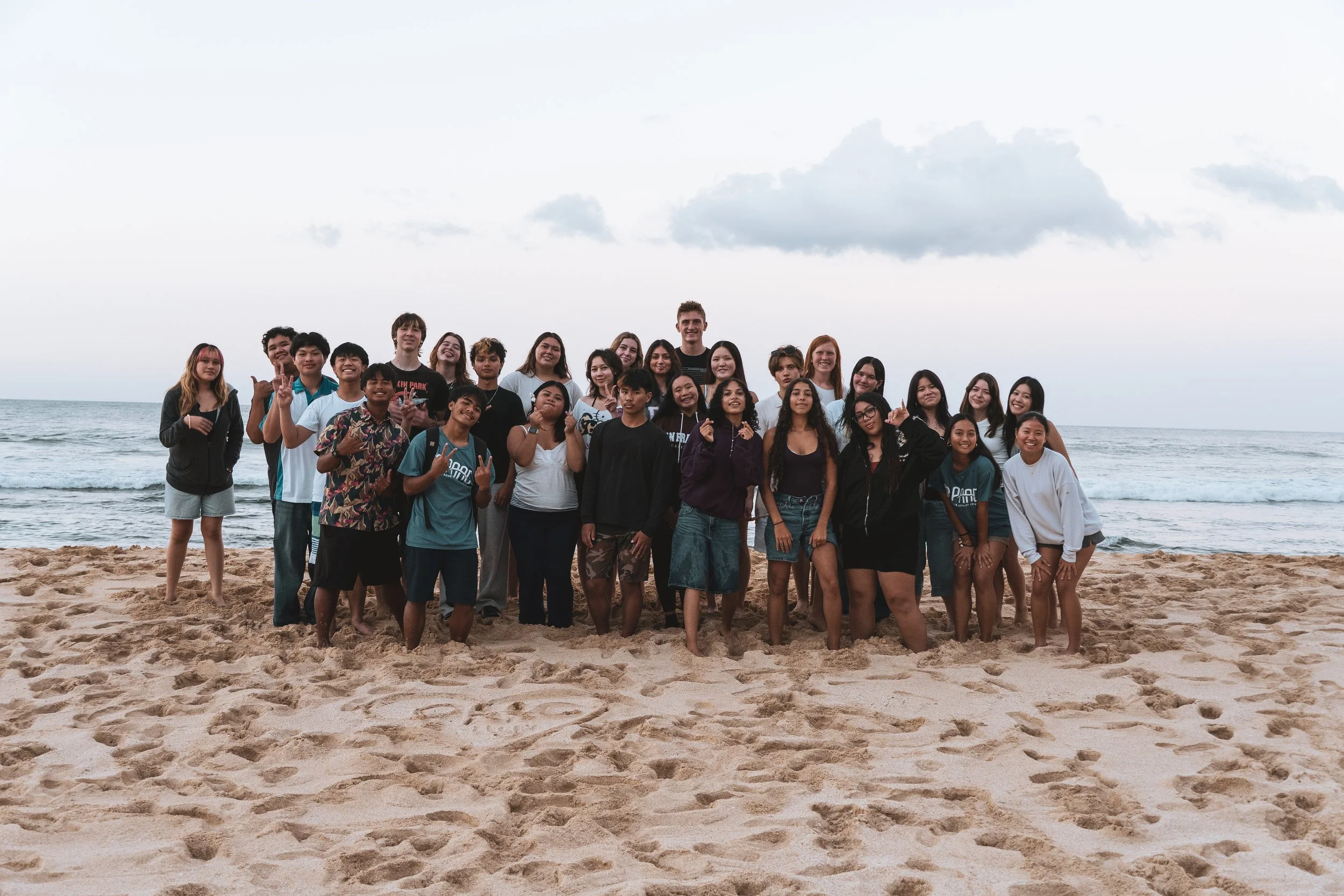
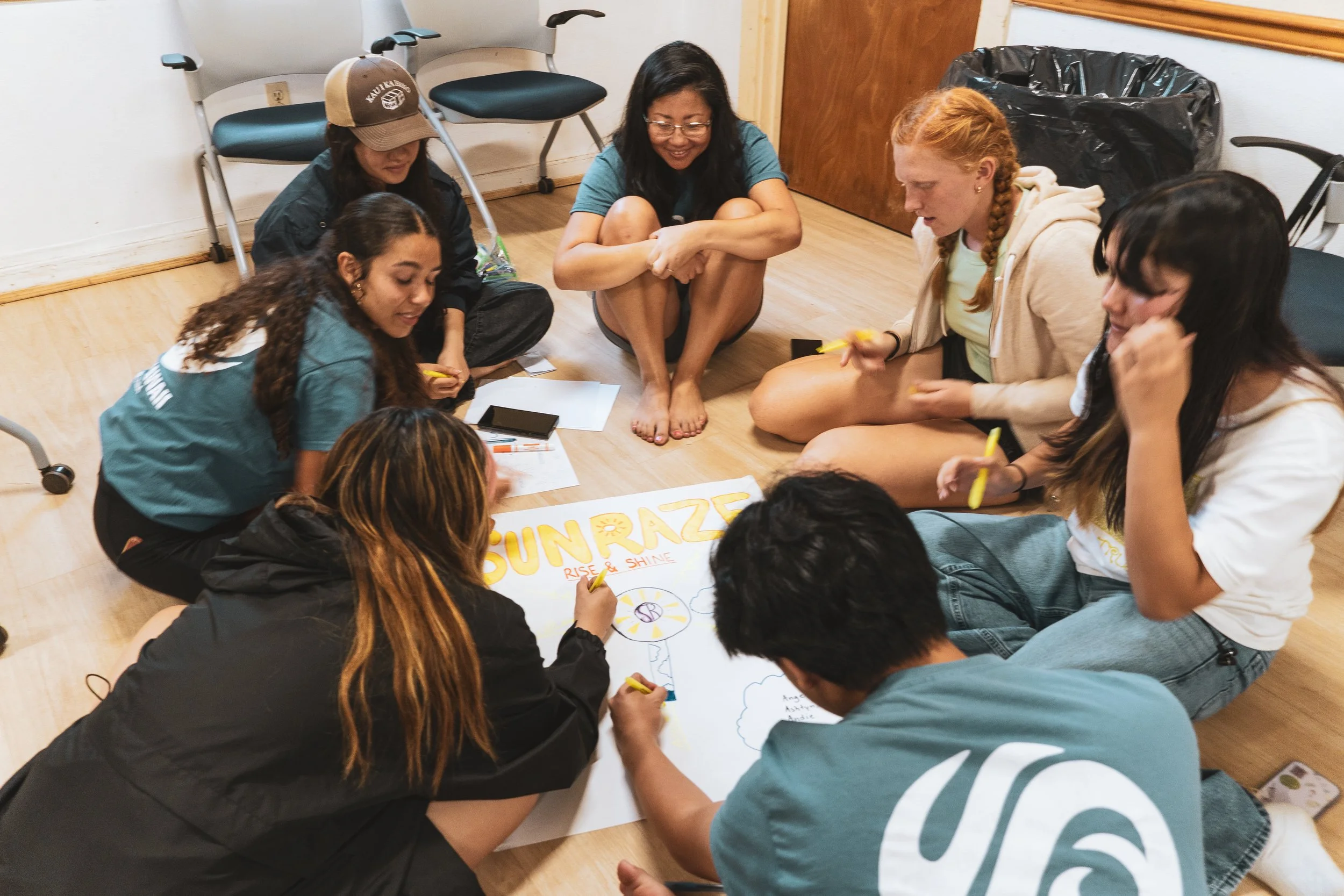
From October 8–11, 2026, the Pacific & Asian Affairs Council (PAAC) welcomed 30 high school students representing 17 schools across Oʻahu, Hawaiʻi Island, Maui, and Kauaʻi to YMCA Camp Erdman for its annual Leadership Education and Development (LEAD) Summit.
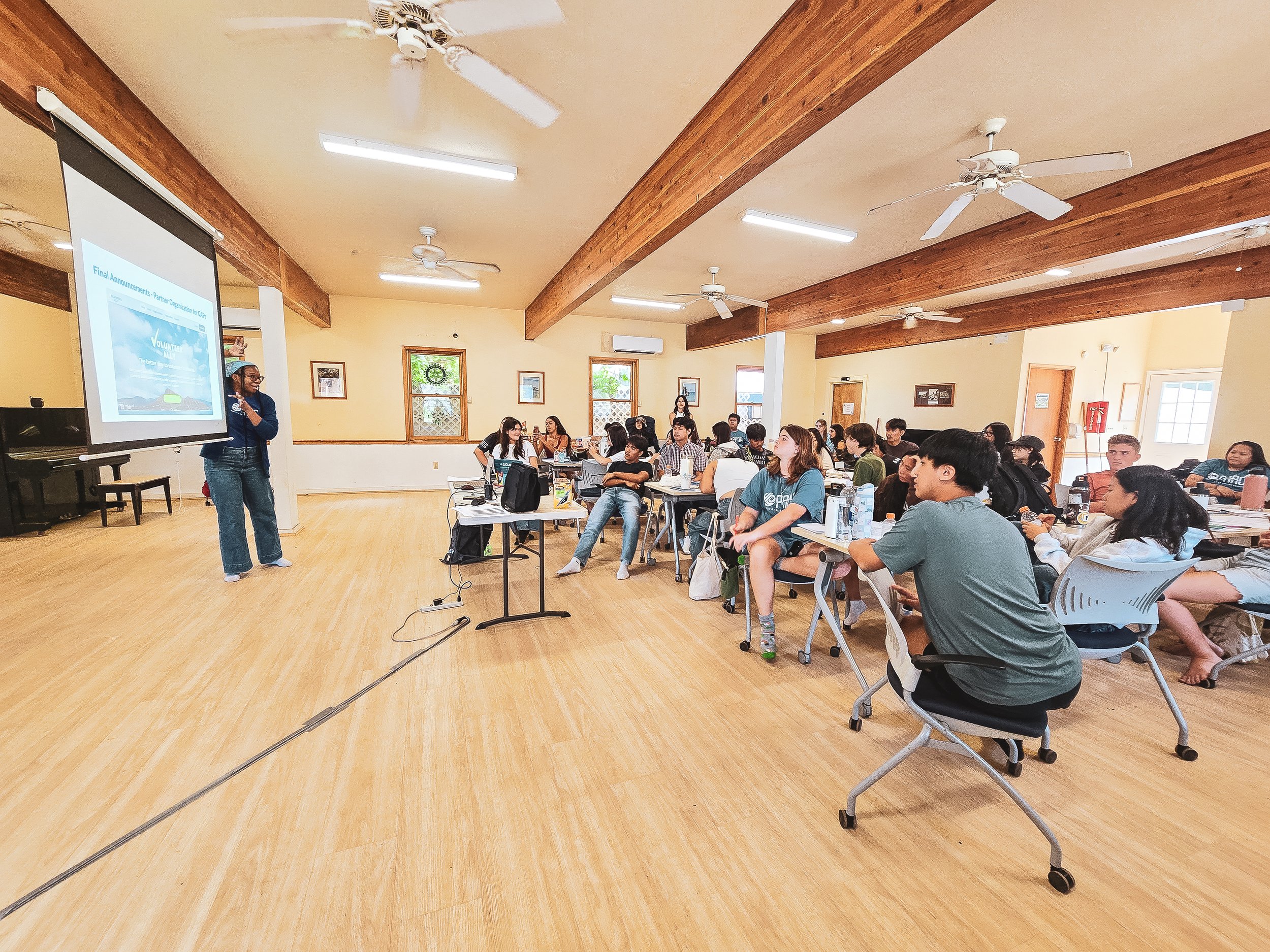
Through hands-on activities, leadership workshops, community service, and meaningful conversations, students explored their individual strengths while learning how to collaborate with others and create positive change.
And their growth was reflected in the evaluations: following the Summit, students' average self-assessed leadership ability increased by 20.3%, while their awareness of local and global social and environmental issues increased by 32.3%.
But behind those numbers were the experiences that made LEAD memorable—from newfound friendships and late-night conversations to discovering that leadership can look different for everyone.
Building Connections Across Hawaiʻi
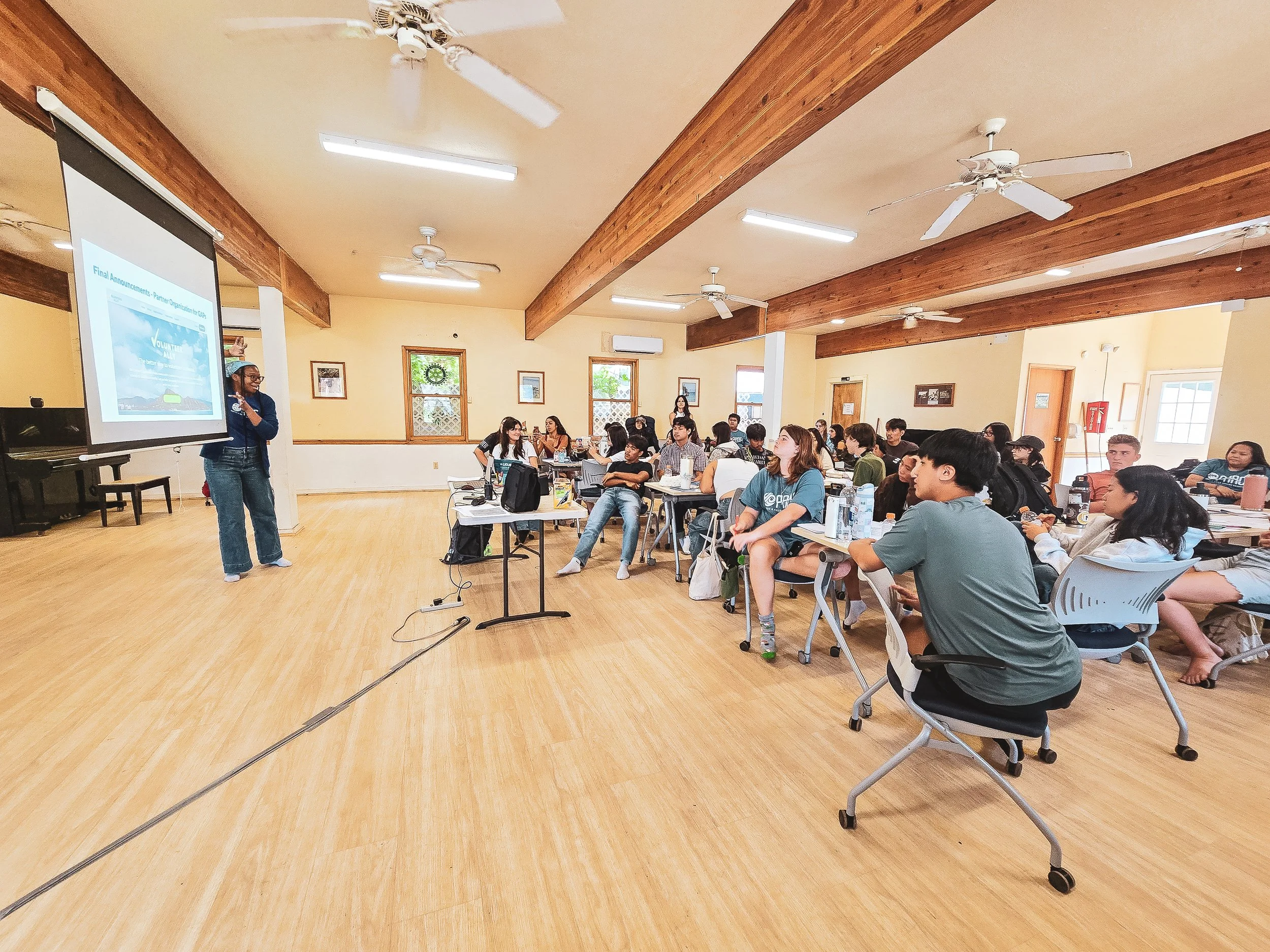
For students arriving from different schools and islands, LEAD Summit began with a simple challenge: get to know someone new.
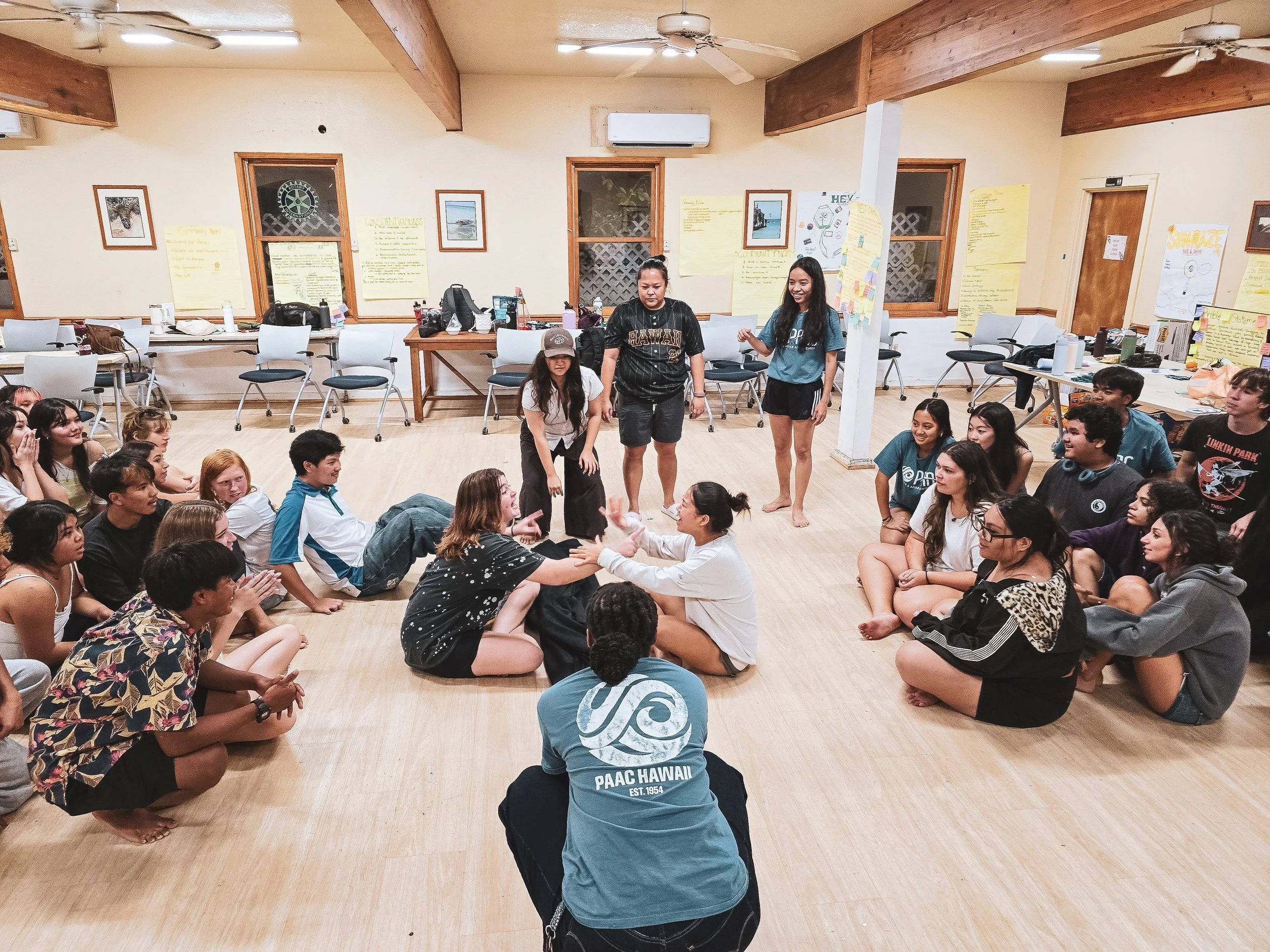
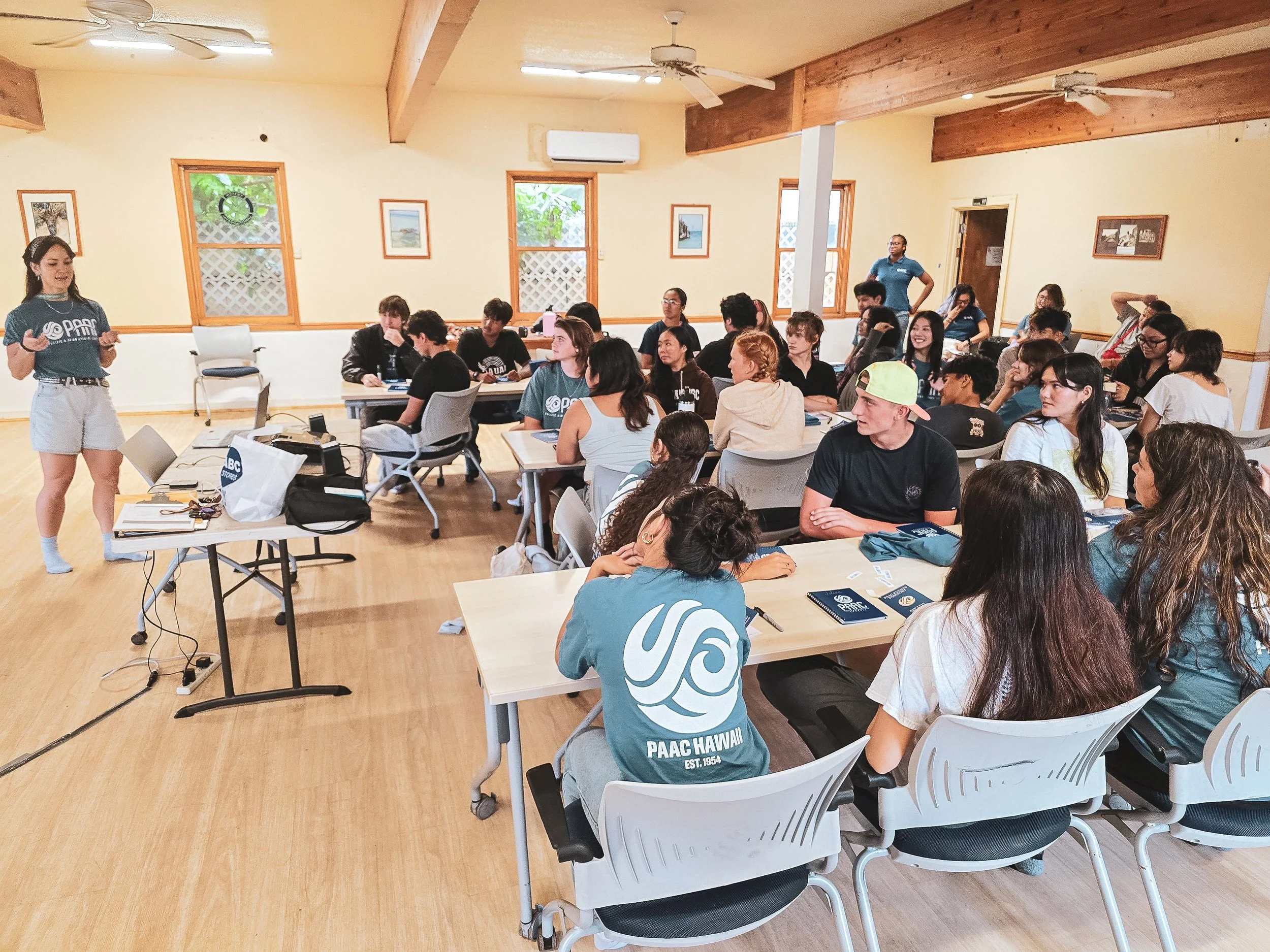
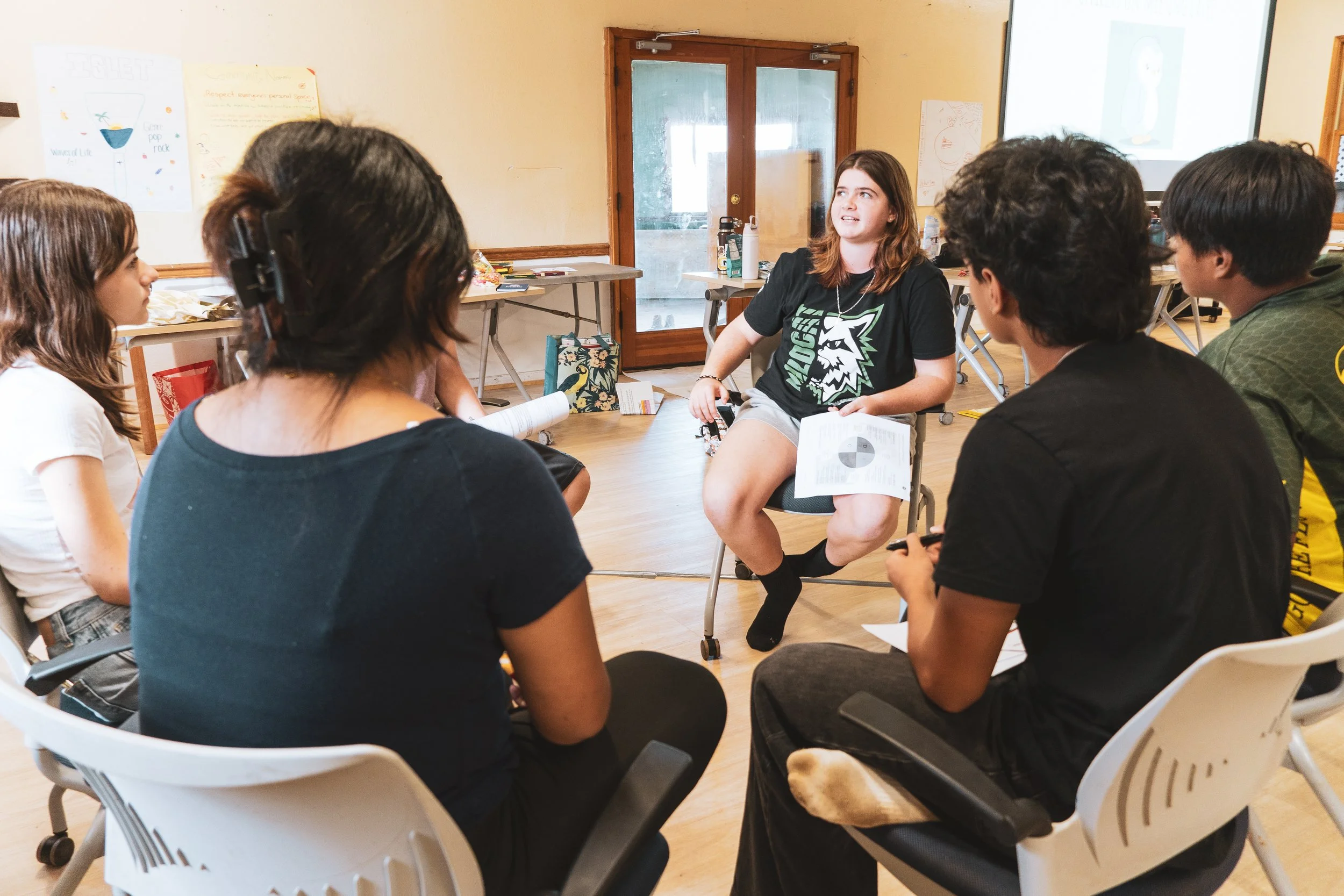
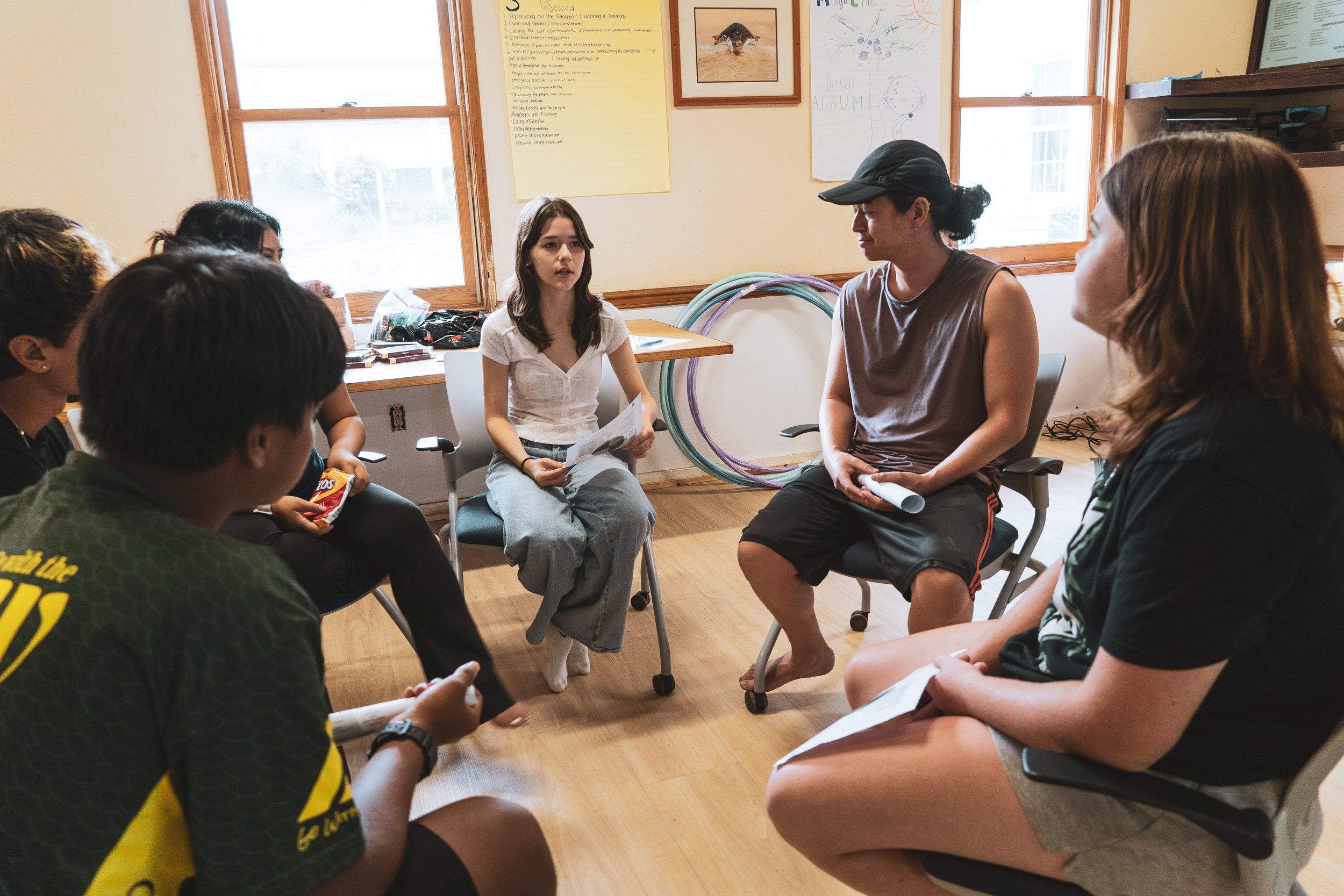
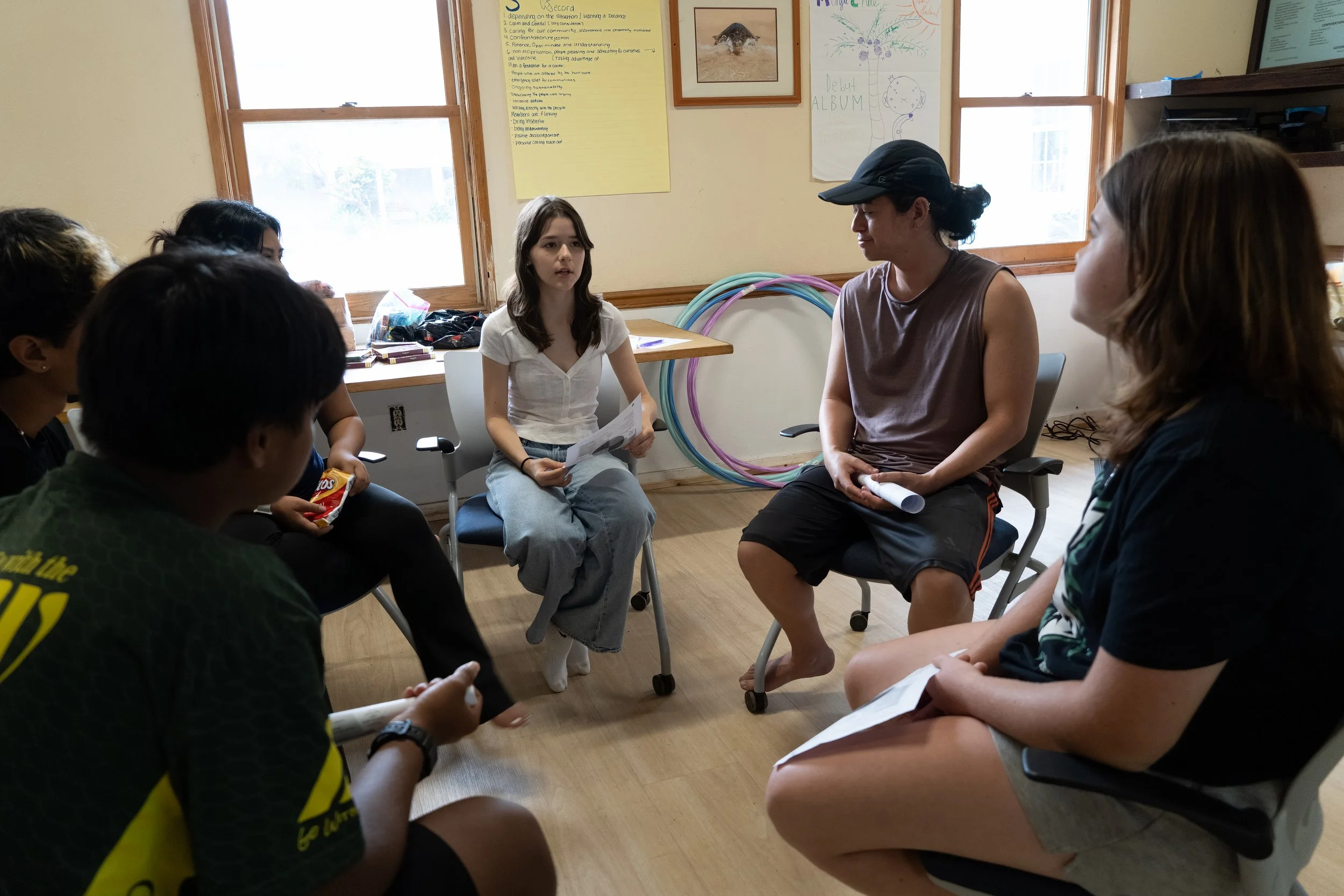
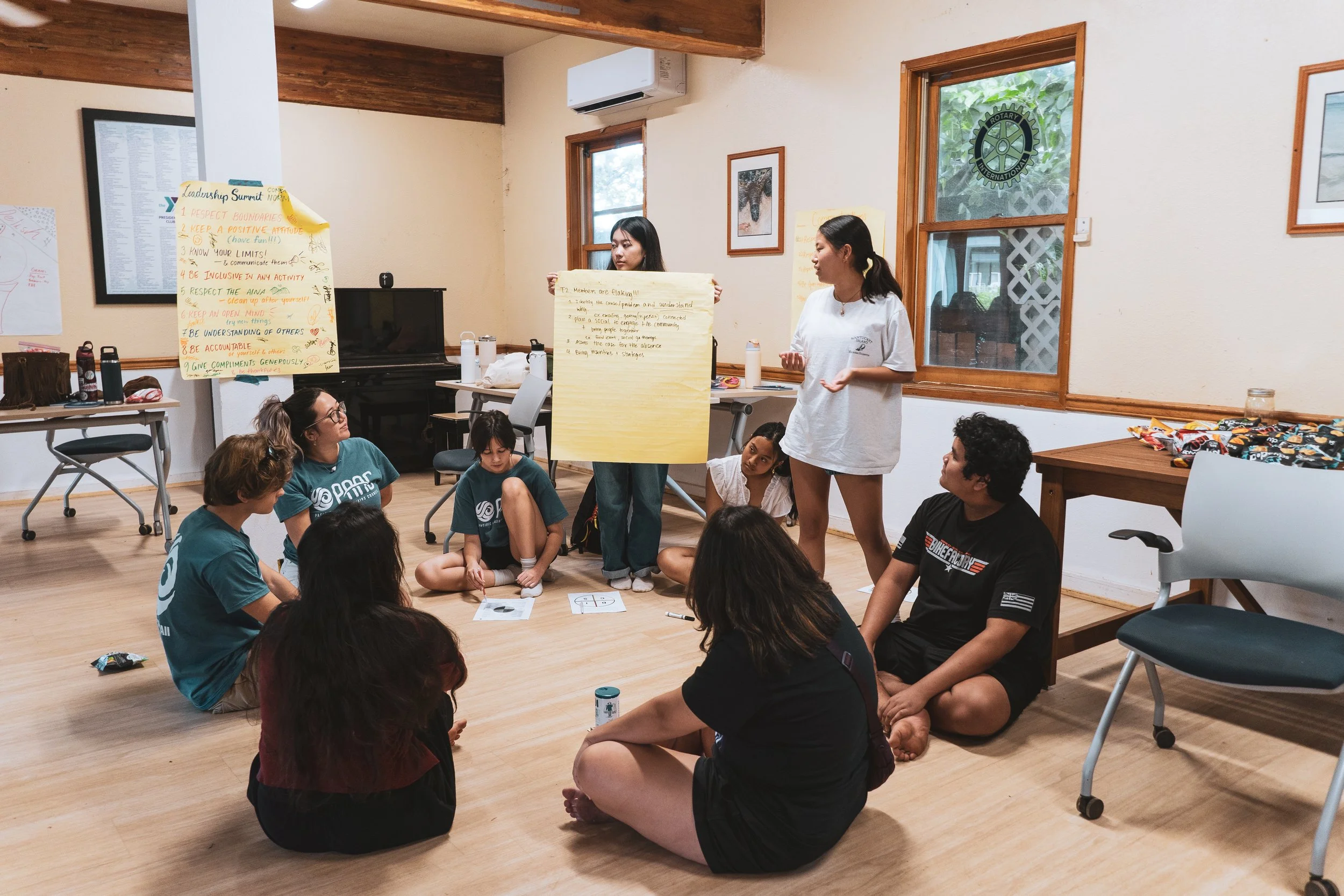
The first day focused on building community through icebreakers, team-building challenges, Global Pop groups, and shared community agreements. Students also explored active listening and communication, practicing how to make space for different perspectives and create an environment where everyone feels included.
These early experiences established the foundation for the rest of the Summit.
Because before students could work together to tackle challenges, they first needed to learn how to trust, listen to, and support one another.
And as the days unfolded, those connections grew in ways that extended far beyond the workshops.
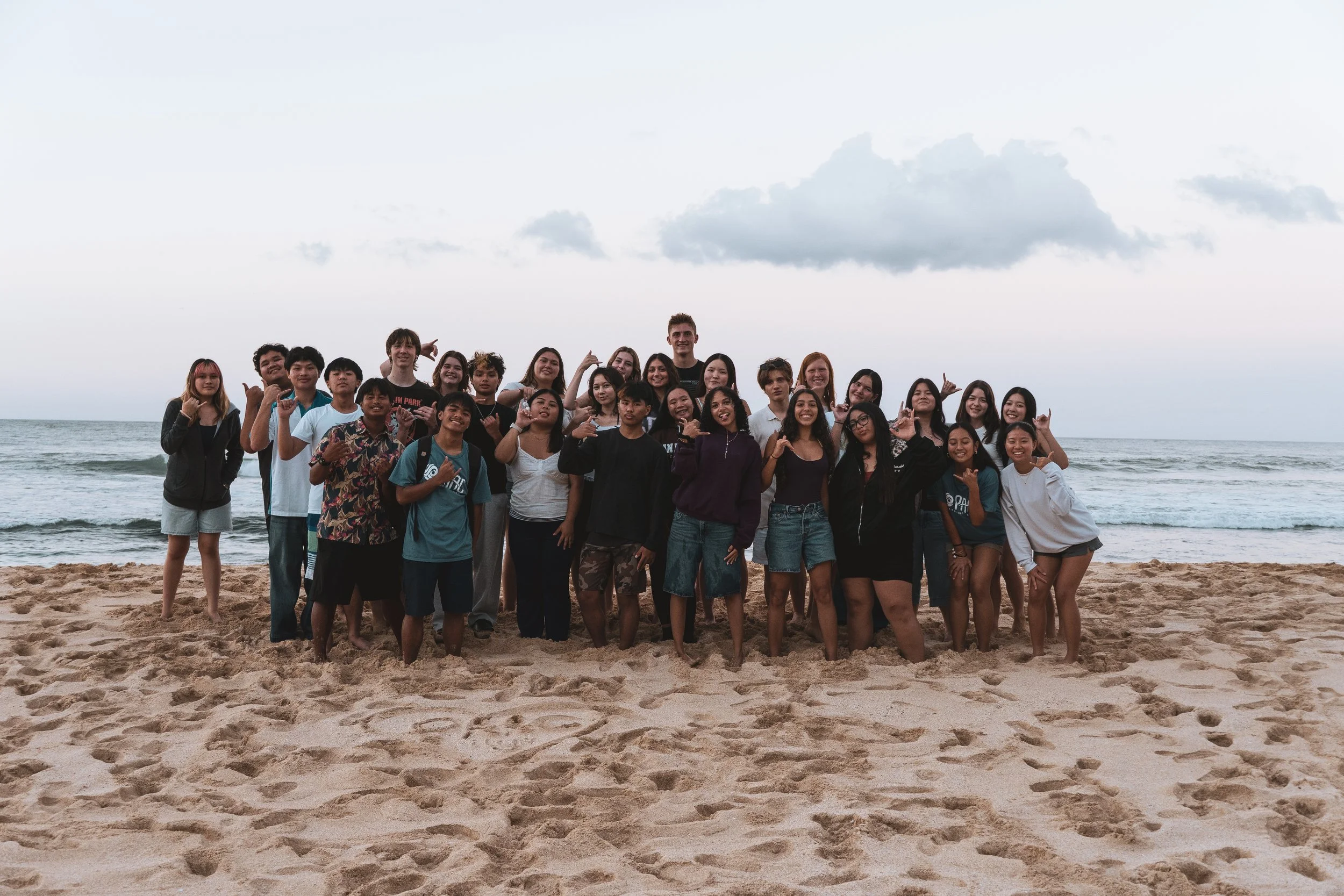
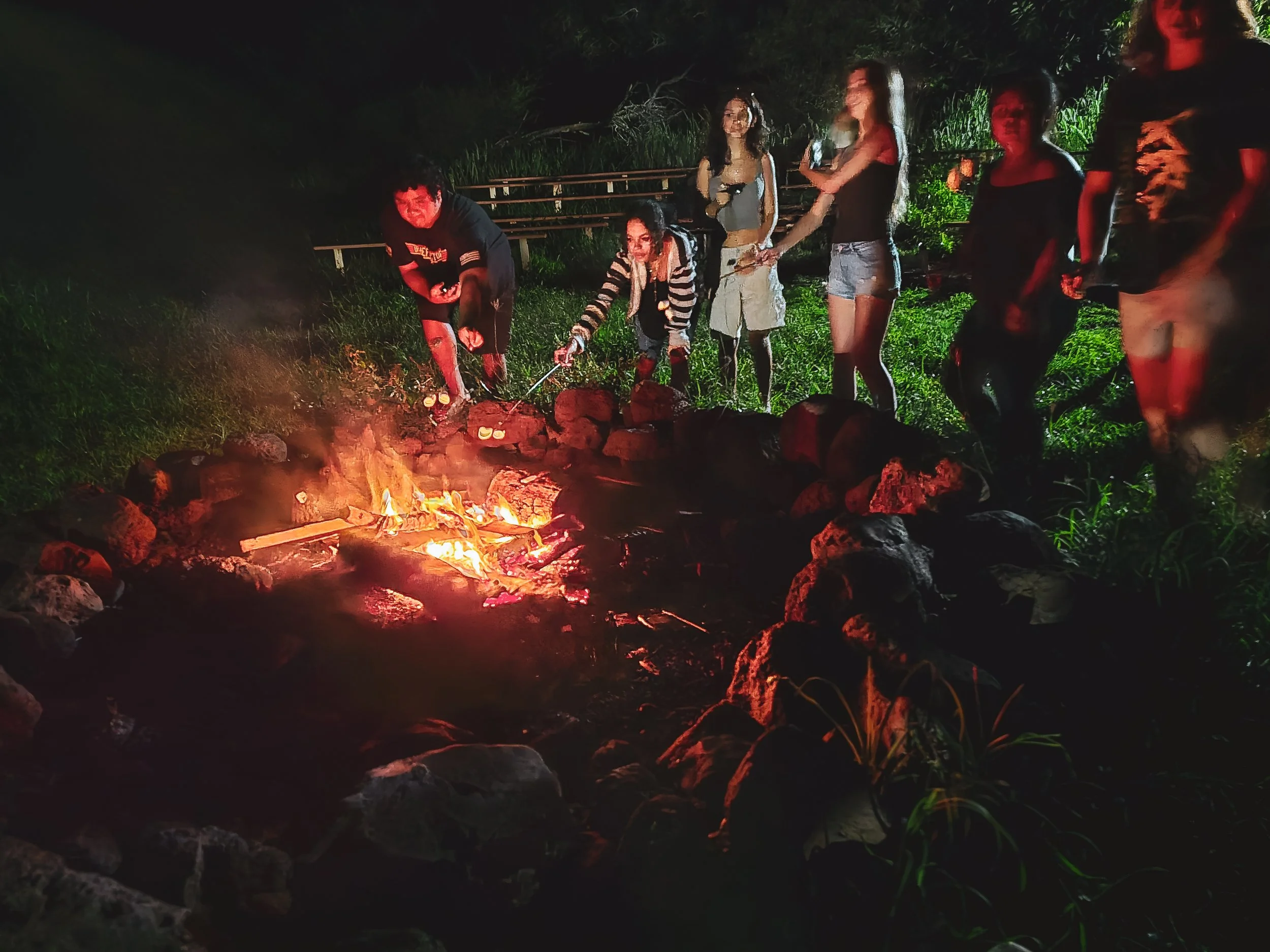
Students recalled laughing with cabinmates, making lei together, playing basketball in the pool, gathering around the campfire, and sharing conversations that ranged from silly to deeply personal.
One student reflected:
"I loved the cabin time! All the girls in my cabin were so sweet and thoughtful, and everyone was so excited and eager to get to know each other."
By the end of the Summit, students rated the statement "I made new friends outside of my school" an average of 4.9 out of 5, one of the highest scores in their post-Summit evaluations.
When asked to describe the PAAC community in a single word, students offered responses including family, inclusive, welcoming, bonded, empowered, and ʻohana.
What began as a gathering of student officers was becoming a statewide community.
Discovering That Leadership Looks Different for Everyone
What makes a great leader?
Is it someone who confidently speaks in front of a crowd? Someone who brings people together? Or someone who listens carefully and helps others succeed?
At LEAD Summit, students discovered that leadership isn't limited to one personality type or approach.
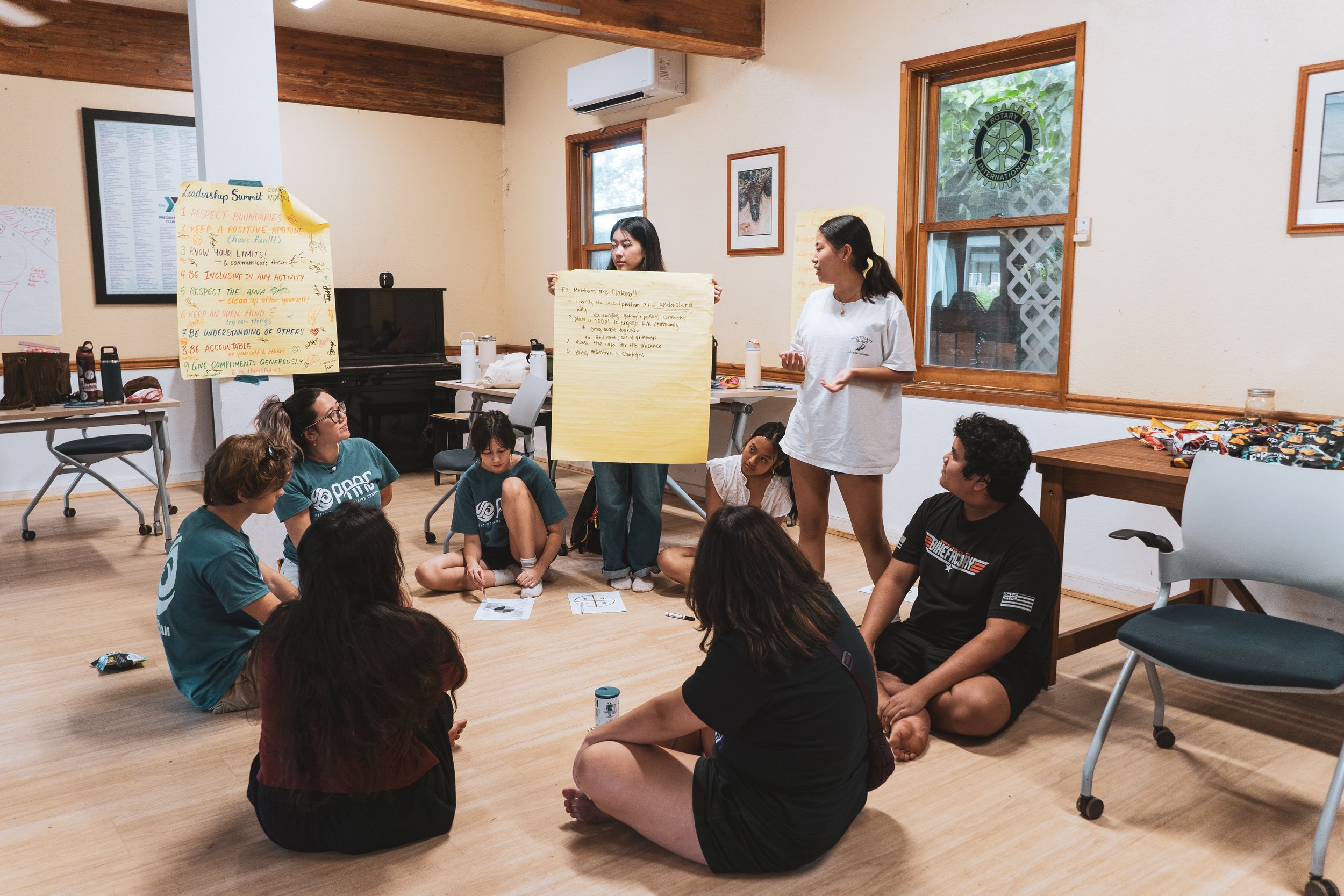
Through the DiSC personality and leadership-style workshop, students examined their individual communication preferences, strengths, and challenges. They explored how different leadership styles can complement one another and how understanding those differences can strengthen teamwork.
For some students, the experience challenged their assumptions about what a leader should look like.
One student shared:
“I think that I was better able to understand both and have come to realize that all of the leadership is not only coming from the in-your-face people but also from people helping behind the scenes.”
Another reflected:
“I’ve become a more collaborative listener, shifting from directing to empowering others with clearer, more empathetic communication.”
These insights were reinforced through team challenges, archery, lei-making, South Korea trivia, and activities exploring empathy and privilege.
Each experience offered students another opportunity to practice communication, collaboration, and respect for different perspectives.
The evaluations reflected encouraging changes in students' self-awareness and leadership confidence.
Average self-assessments of their understanding of personality and communication styles increased from 7.6 to 8.5 out of 10, an 11.8% increase. Their reported ability to communicate effectively also rose from 7.5 to 8.1 out of 10.
Perhaps most importantly, students began recognizing that leadership isn't about fitting a particular mold.
It's about understanding your strengths, appreciating the strengths of others, and finding ways to help everyone contribute.
From Global Awareness to Local Action
One of the Summit's central lessons was that leadership becomes meaningful when it inspires action.
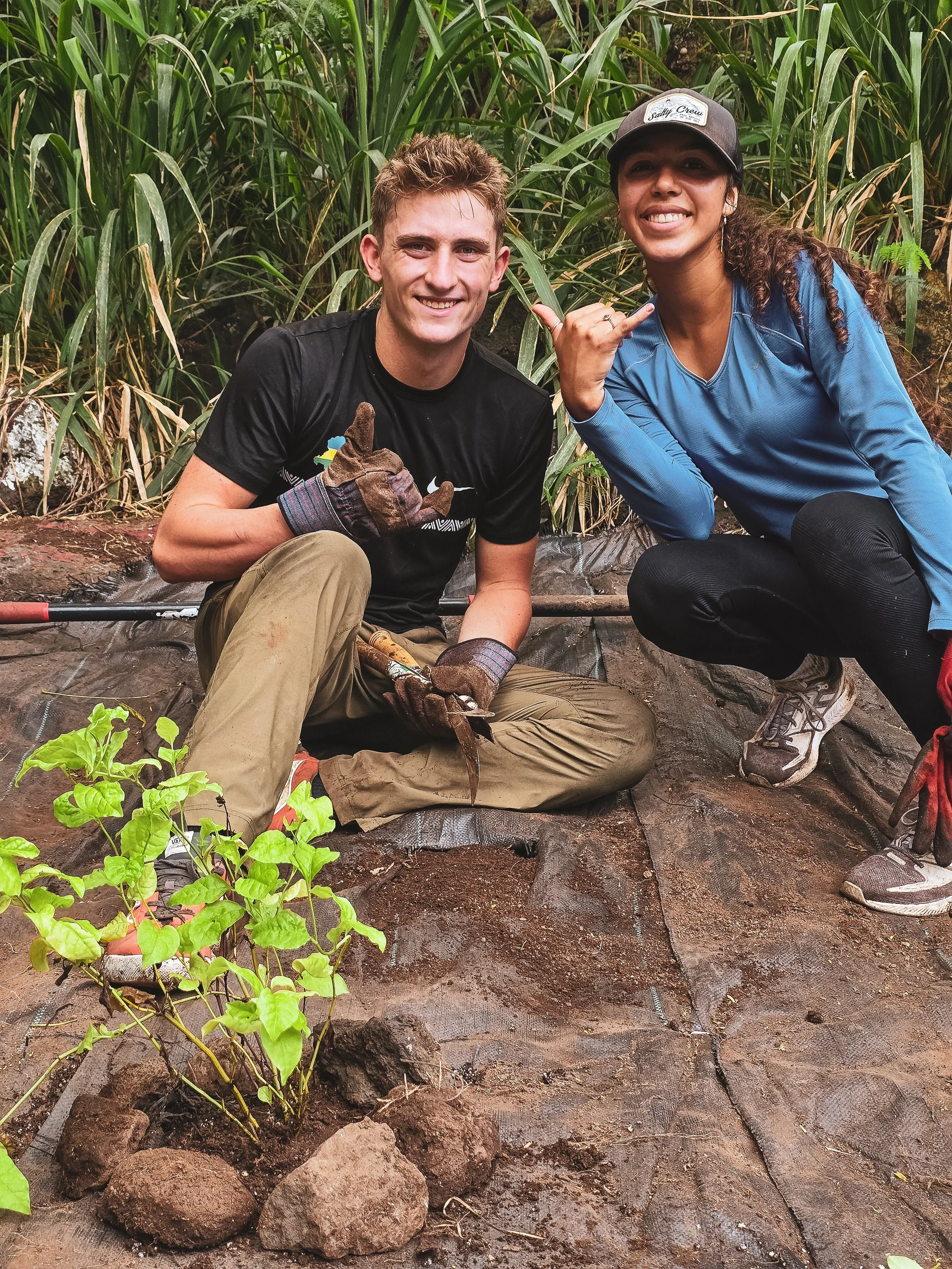
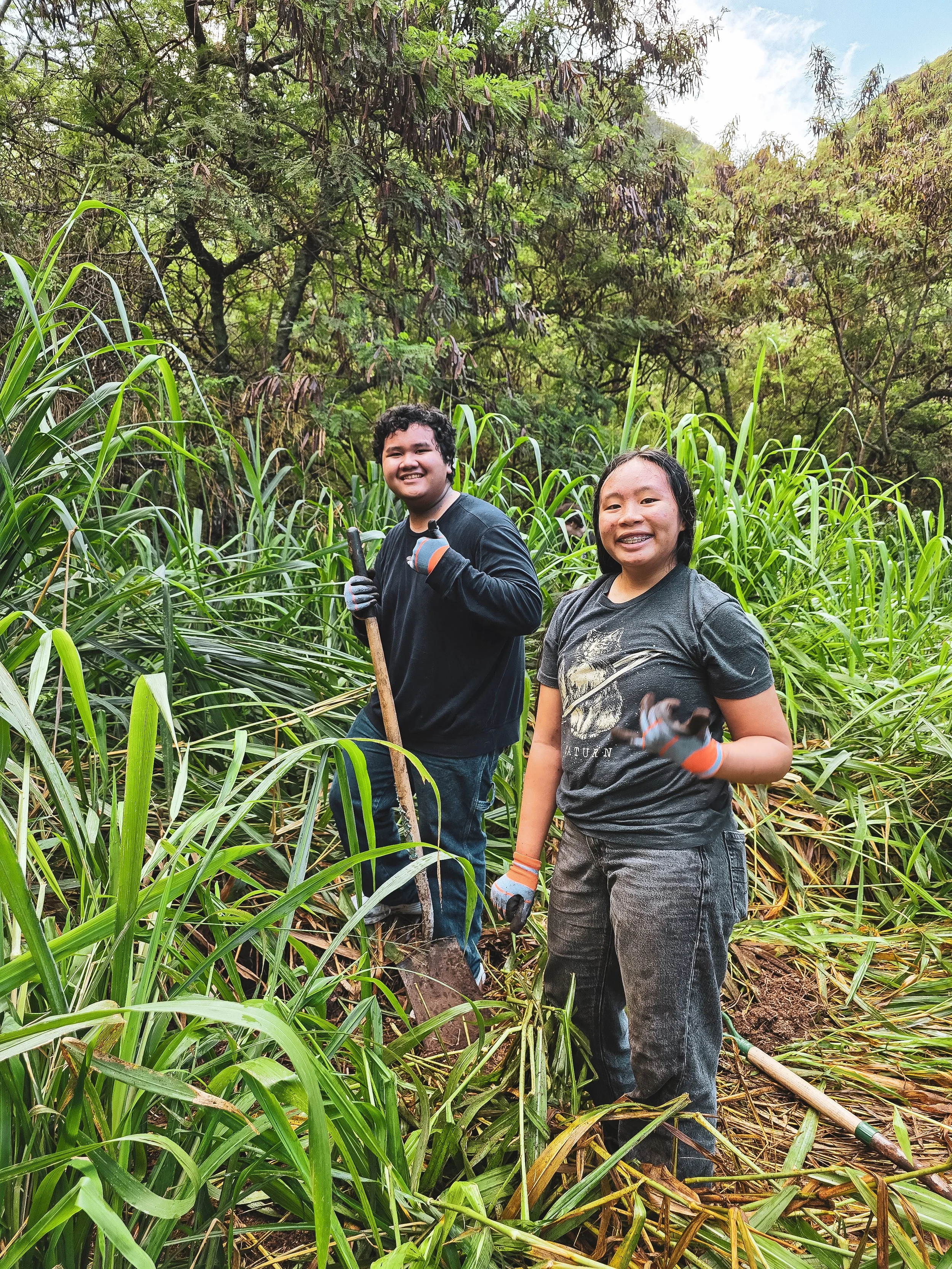
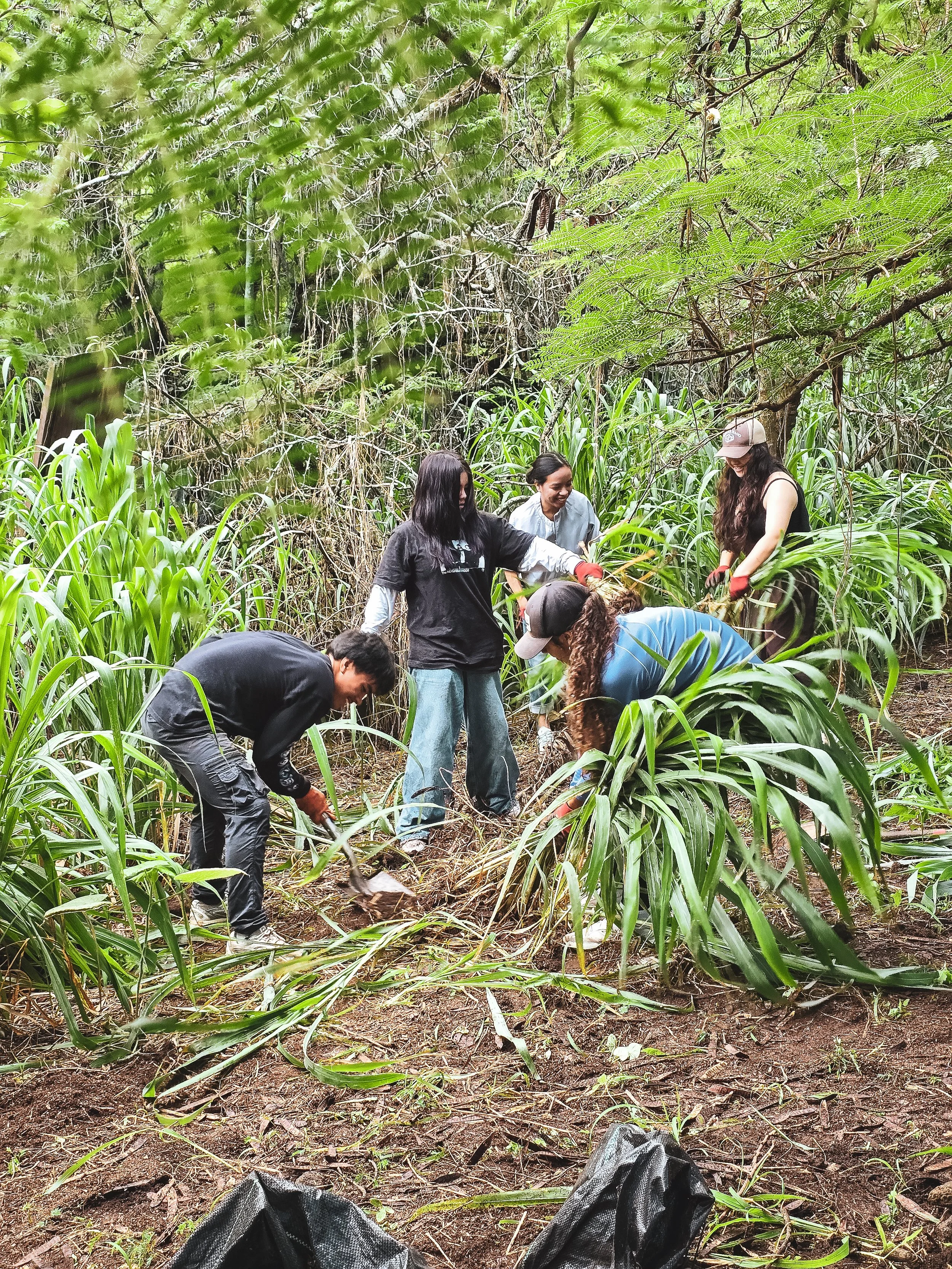
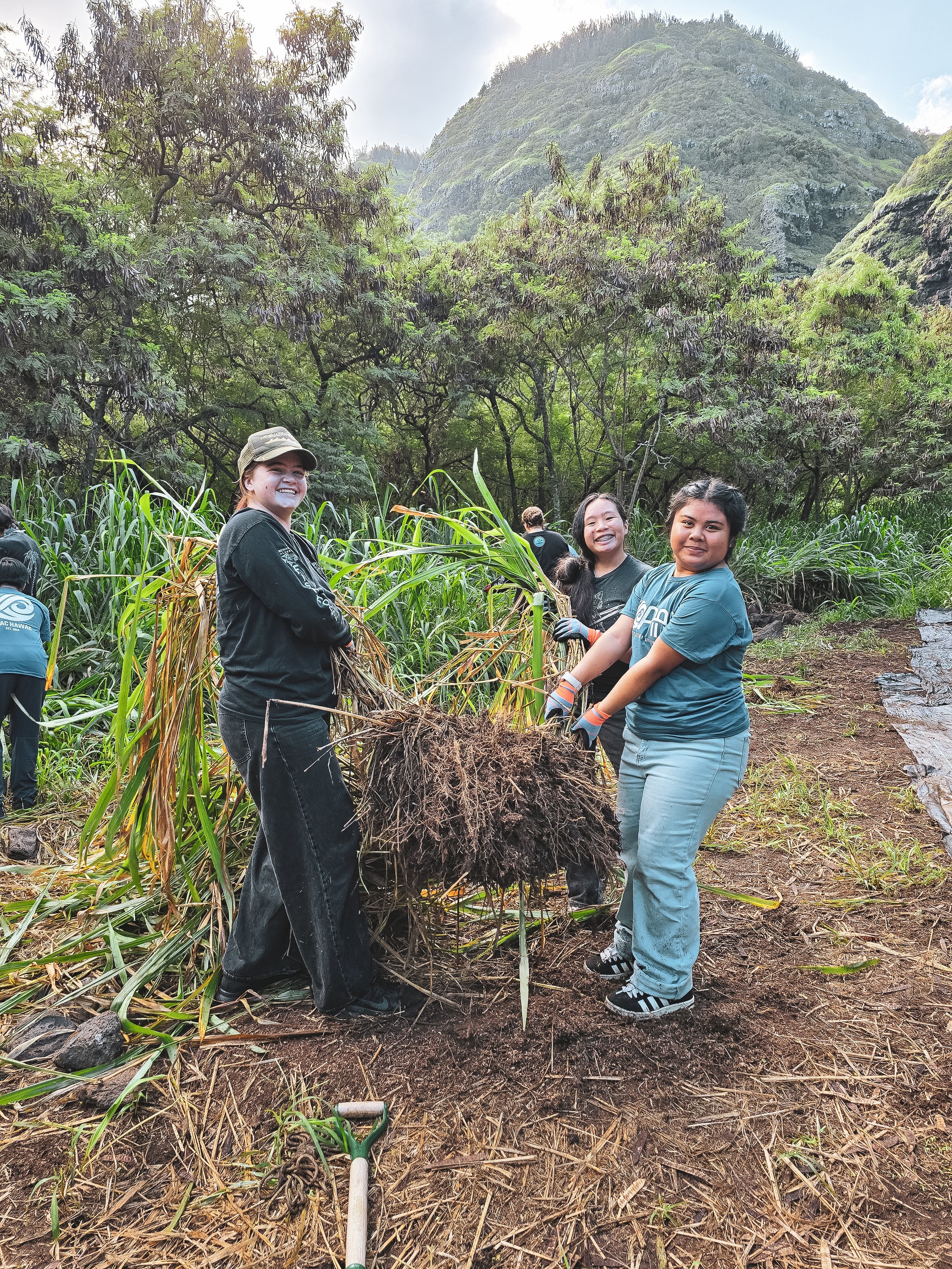
On the third day, students participated in a service project at Camp Erdman, connecting environmental stewardship with their responsibility to care for the communities around them.
The experience gave them a chance to contribute to the place that hosted their Summit while reflecting on the importance of protecting Hawaiʻi's natural environment.
One student enjoyed the project so much that they suggested dedicating even more time to giving back at future Summits.
That same spirit carried into the Global Action Project (GAP) workshops.
Through PAAC's Global Action Projects, students explore pressing global issues and develop student-led initiatives that address challenges in their own communities.
At LEAD Summit, officers shared experiences from their clubs, learned about projects developed by their peers, and collaborated on new ideas they could bring back to school.
As one student recalled:
“When I got to see the various GAP projects, how they were done, and use it as inspiration for my own club.”
The workshops encouraged students to move beyond identifying problems and begin thinking about how they could contribute to solutions.
And the evaluations suggest that the experience helped strengthen that mindset.
Students' average self-reported awareness of local and global social and environmental issues rose from 6.5 to 8.6 out of 10, a 32.3% increase.
Students also rated their improved understanding of Global Action Projects and how to implement them in their clubs 4.7 out of 5.
Together, these findings reflect the Summit's emphasis on connecting global awareness with meaningful local action.
Learning to Lead Through Challenges
Leadership can be exciting, but it also comes with difficult decisions, competing ideas, and moments of uncertainty.
For PAAC Club officers, those challenges might include navigating disagreements, encouraging members to participate, or finding ways to turn ambitious ideas into achievable projects.
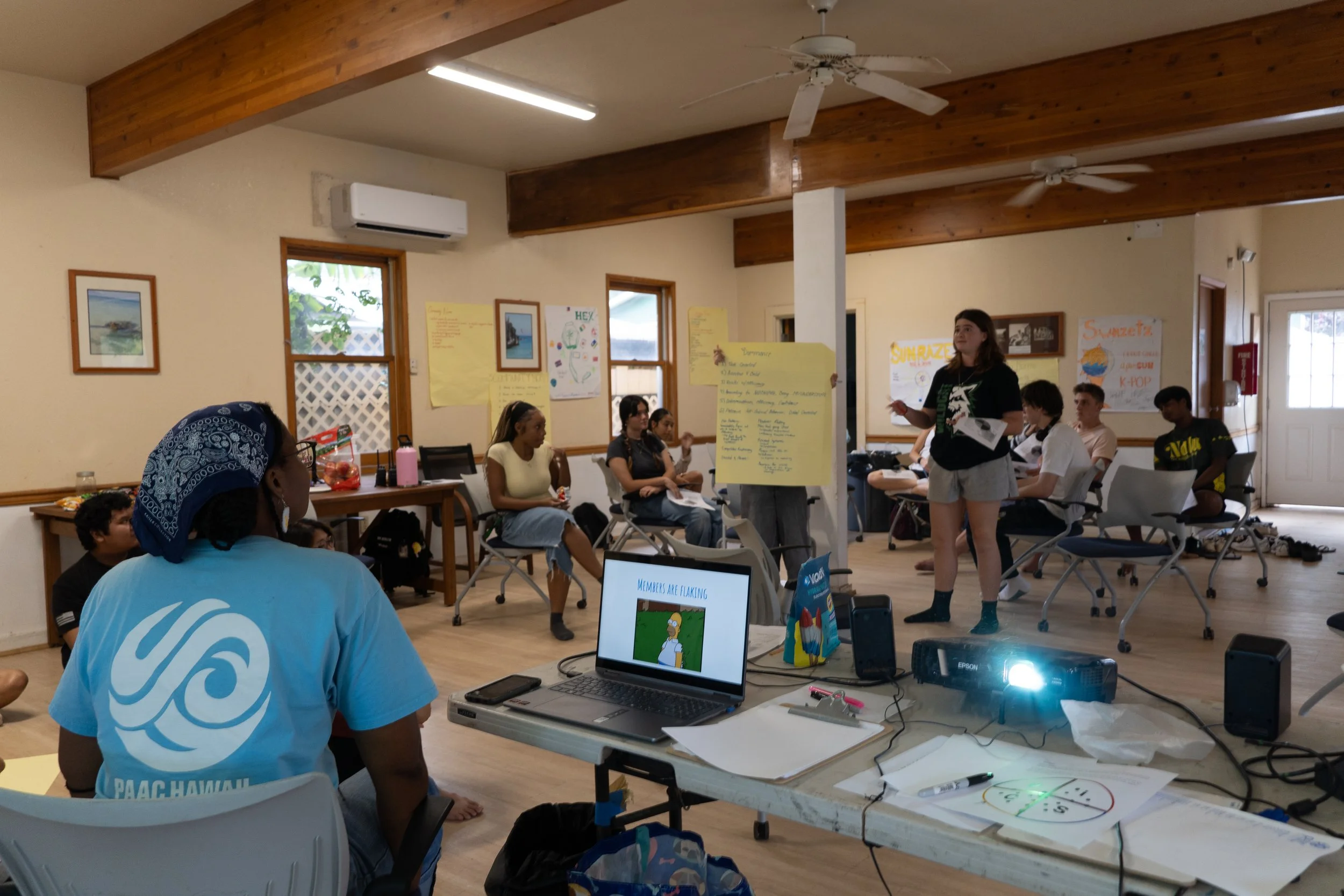
The Summit's workshops on club challenges and conflict resolution encouraged students to approach these situations with empathy, patience, and an openness to different perspectives.
Rather than focusing only on how to direct others, students considered how to create an environment where everyone feels comfortable contributing.
One student described a particularly meaningful shift:
“I’ve been given the opportunity to think critically much deeper than I do in my daily life, and it has provided me with a newfound sense of confidence to motivate me as I communicate with my peers.”
Another offered a reminder that leadership doesn't require perfection:
“You can’t help everyone, especially not at once, so pick who you want to help and start. Give yourself grace, know that what you’re doing is already an amazing thing. No idea is stupid, so share them.”
Through their "Dear Future Me" letters, students also took time to reflect on their personal goals, growth, and the leaders they hope to become.
These moments of self-reflection were just as important as the practical workshops.
By the end of the Summit, students' average self-assessed leadership ability had risen from 6.9 to 8.3 out of 10, a 20.3% increase. Their self-confidence also increased from 6.7 to 7.9 out of 10, a 17.9% increase.
The results point to students leaving with a stronger belief in their ability to lead and a clearer understanding of how to support others along the way.
Bringing Leadership Back to Their Schools
The final day focused on turning everything students had learned into practical strategies for the school year ahead.
Through workshop rotations covering social media, fundraising, civic engagement, and statewide Global Action Projects, students explored tools they could use to strengthen their PAAC Clubs.
From recruiting new members to organizing projects and promoting activities, the workshops addressed challenges student officers face throughout the year.
But students weren't returning to their schools with ideas alone.
They were also returning with a statewide network of peers they could learn from, collaborate with, and turn to for inspiration.
In their post-Summit evaluations, students rated their agreement with the following statements:
Student-reported takeaway
4.8/5: I have more ideas of what I can do with my PAAC Club.
4.7/5: I better understand Global Action Projects and how to implement them in our club.
4.6/5: I feel more confident leading my club.
4.6/5: I feel better equipped to overcome challenges my club may face.
These findings speak directly to the Summit's goals: helping students build meaningful connections, develop confidence, and prepare for the responsibilities of club leadership.
And with an average overall experience rating of 9.64 out of 10, students' feedback suggests that the four days at Camp Erdman were both enjoyable and meaningful.
Student self-assessments before and after LEAD Summit
Four Islands, One Community of Student Leaders
The 2026 LEAD Summit brought together students from 17 school and campus communities across four Hawaiian Islands.
Participating schools included:
Campbell High School
Conmigo Global Prep Academy (Homeschool)
Farrington High School
Hawaiʻi Technology Academy – Kona
Hawaiʻi Technology Academy – Oʻahu
Hilo High School
ʻIolani School
Kailua High School
Kalani High School
Kauaʻi High School
King Kekaulike High School
Konawaena High School
Maui High School
Mililani High School
Waiākea High School
Waimea High School
Waipahu High School
Bringing students together from different islands and school communities is a defining part of PAAC's approach to leadership development.
The Summit creates opportunities for young people to exchange ideas, learn from experiences beyond their own, and build relationships that might not otherwise be possible.
Those connections help students see that while their schools and communities may face different challenges, they also share opportunities to collaborate and make a difference.
Beyond Camp Erdman: The Work of Leadership Continues
Four days may seem short, but the experiences students shared at LEAD Summit have the potential to extend throughout the school year.
The next chapter will unfold in PAAC Club meetings, Global Action Projects, community service initiatives, and the everyday decisions students make about how to lead.
It will unfold when a student welcomes someone new into their club, listens to an unfamiliar perspective, works through a disagreement, or takes the first step toward turning an idea into action.
And it will continue through the friendships and connections students built with peers from across Hawaiʻi.
One student's reflection captures the spirit of the Summit:
“Empowerment, active listening, and leading with empathy are essential for driving sustainable team growth.”
Because leadership isn't simply about holding a title.
It's about the people you bring together, the perspectives you learn from, and the difference you choose to make.

Mahalo to Our LEAD Summit Community
PAAC extends a heartfelt mahalo to the facilitators, chaperones, volunteers, and YMCA Camp Erdman team who helped make the 2026 LEAD Summit possible.
A special mahalo to the Takitani Foundation for generously sponsoring airfare for Neighbor Island students to attend the Summit. Their support helped remove geographic and financial barriers, ensuring that student leaders from across Hawaiʻi could come together to learn, collaborate, and build meaningful connections beyond their own schools and islands.
Thanks to the dedication and generosity of our supporters, PAAC can continue creating statewide leadership opportunities that empower young people to develop confidence, strengthen their communities, and turn their ideas into meaningful action.
Ready to Take the LEAD?
Whether you're a student interested in global issues, an educator supporting young leaders, or a community member who believes in the power of youth leadership, there's a place for you in the PAAC community.
Explore PAAC Clubs and discover how you can get involved!
