
Before the Crossing: Ten Students From Hawaiʻi Prepare to Meet the Pacific's Other Shore
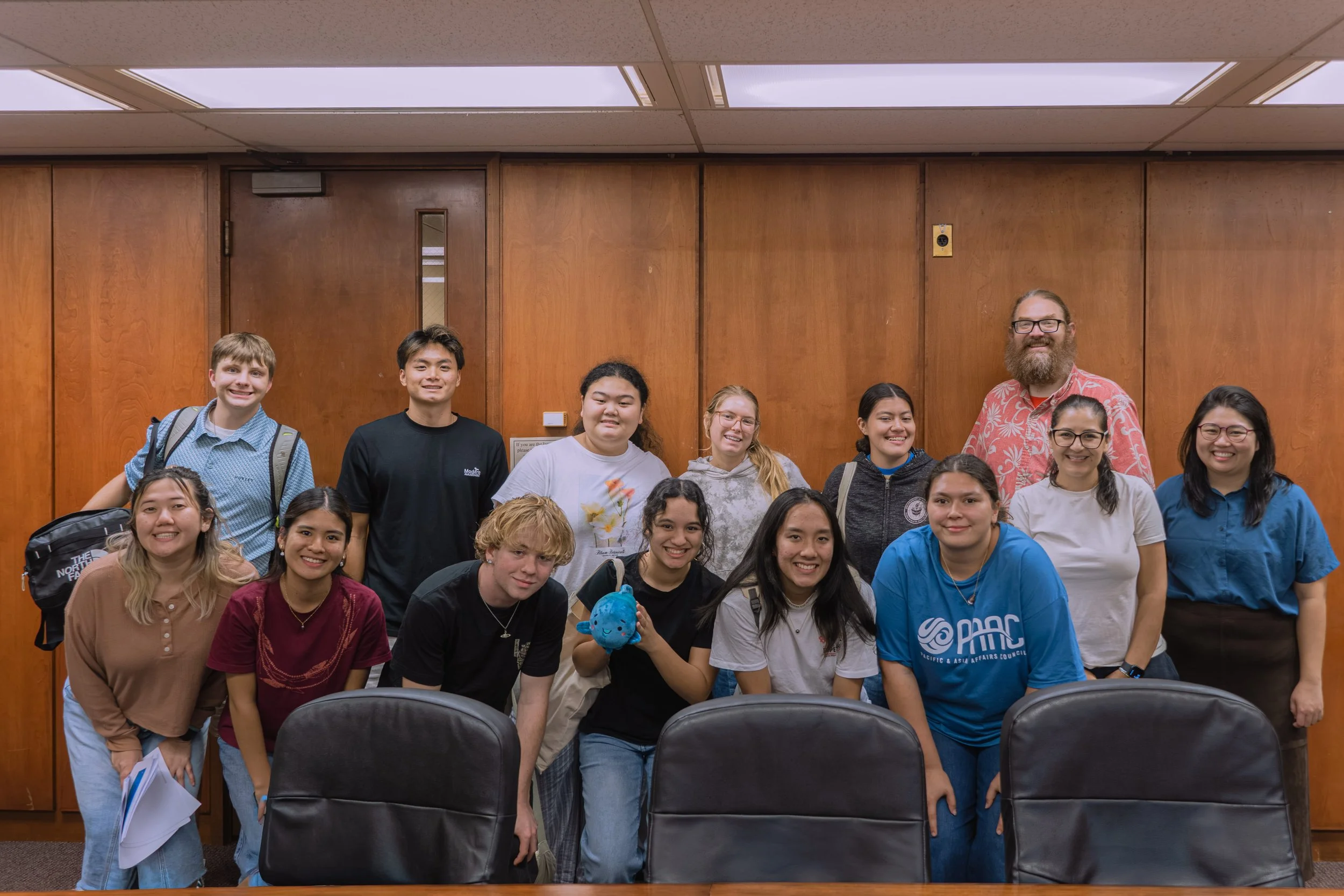
The Takitani Summer Study Tour to Palau began with a talk-story lunch, a language class, and one student discovering she was related to the Consul General.
Serena Duarte didn't expect to find family at orientation.
She was seated across from Consul General Naito of Palau at a talk-story lunch on Day One of PAAC's Palau orientation when the conversation turned to heritage — and she discovered they were related. "A highlight," she wrote in her field notes that evening, "was how I was able to talk with the Consul General of Palau in Hawaiʻi about our heritage."
It was the kind of moment that doesn't fit in a program agenda but captures everything a PAAC orientation is trying to build: the understanding that the Pacific is not a distance to be crossed but a relationship already in progress. Ten students from Le Jardin Academy, Leilehua, Kalani, Kahuku, Kamehameha, Hilo, King Kekaulike, and Radford gathered at the East-West Center's John A. Burns Hall over two days in early June to prepare for PAAC's inaugural study tour to Palau — and what they found was a place they already had more in common with than they knew.
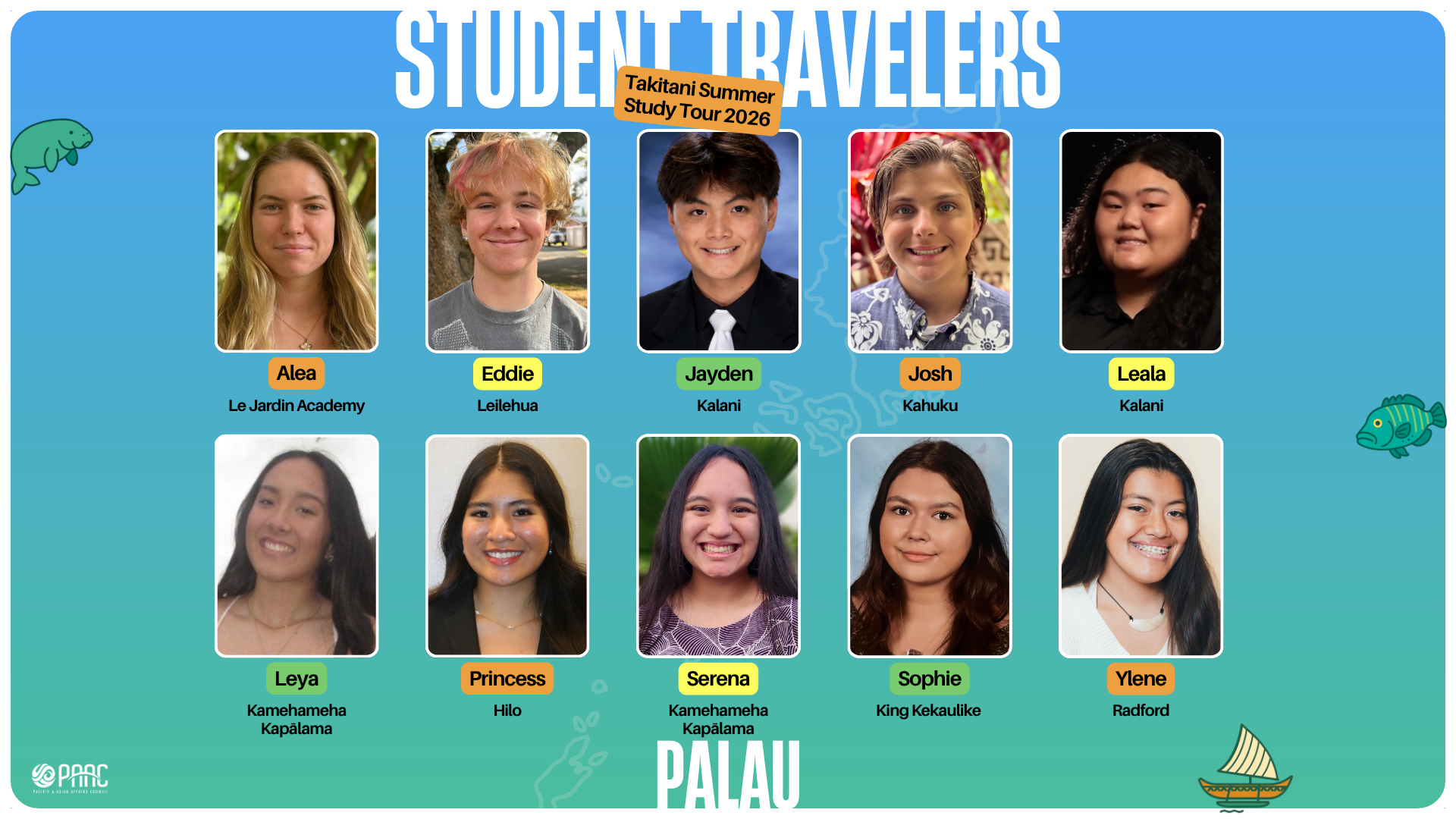
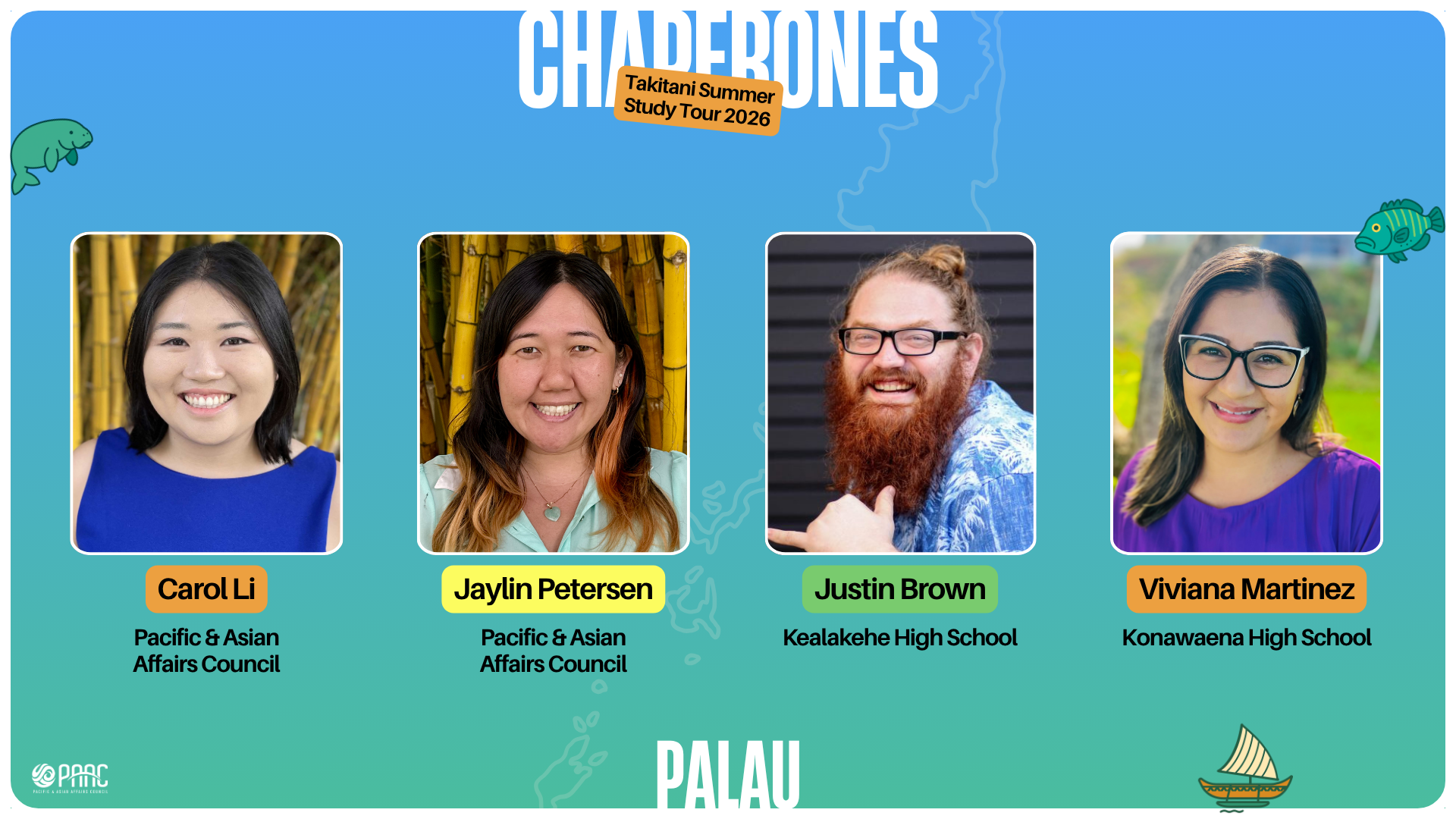
The Takitani Summer Study Tour to Palau is PAAC's first Micronesian program, and it represents the natural, long-overdue extension of a mission that was always about the whole Pacific. The Matsunaga Takitani Foundation made this program possible, and their investment reflects what the cohort discovered across two orientation days: that Palau and Hawaiʻi share not just ocean but values, struggles, and stakes.
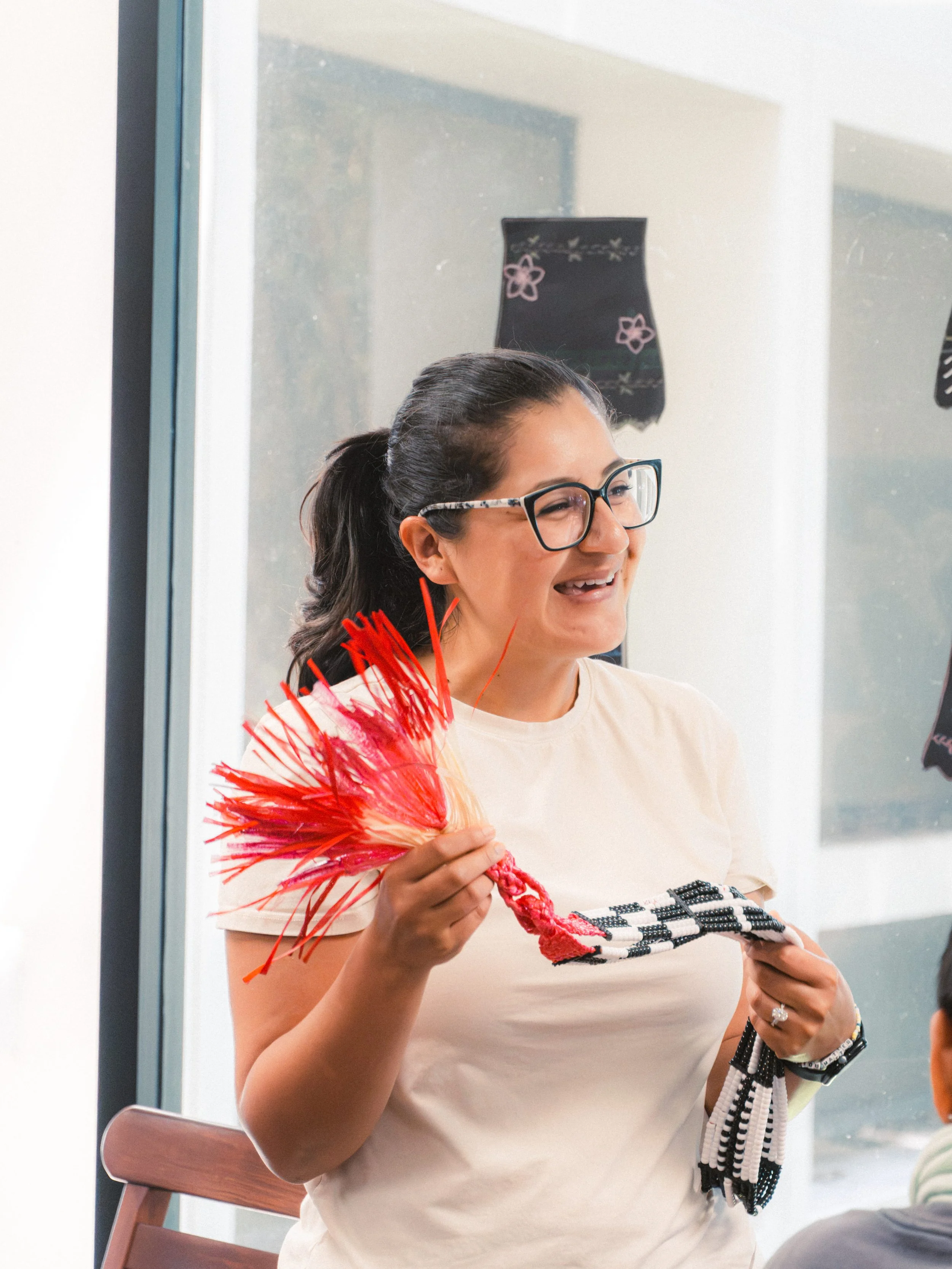
Dilsiich Maui — known to students as Dils — led two sessions of Palauan language and culture across the orientation. Students learned phrases, practiced pronunciation, and encountered a culture with striking resonance to their own. Alea Jaeger of Le Jardin Academy had arrived already knowing that Palau was conservation-forward, but hearing directly from Dils and the Consul General pushed her thinking further. "The Palau Pledge stood out to me and challenged how I viewed sustainability in Hawaiʻi," she wrote. "Despite educating tourists as they visit, I feel that Palau holds their conservation efforts to a higher standard and made me think of how I could implement something similar here." Leya Goeas of Kamehameha Kapālama School was even more specific: she left orientation determined that in ten years, she wants to be one of the people working to bring a reef-safe sunscreen policy to Hawaiʻi — inspired by what Palau has already done.
Consul General Naito didn't just offer an overview of Palauan culture. He spoke candidly about the brain drain affecting young Palauans — the pattern of students leaving for education abroad and not returning — and the efforts Palau is making to draw graduates back by building infrastructure and matching US pay scales. Serena Duarte of Kamehameha Kapālama School drew the parallel immediately: "Hawaii youth are moving away for education and economic opportunity like Palau, but they also face more instability with the cost of living and housing." Two island communities, thousands of miles apart, managing the same grief.
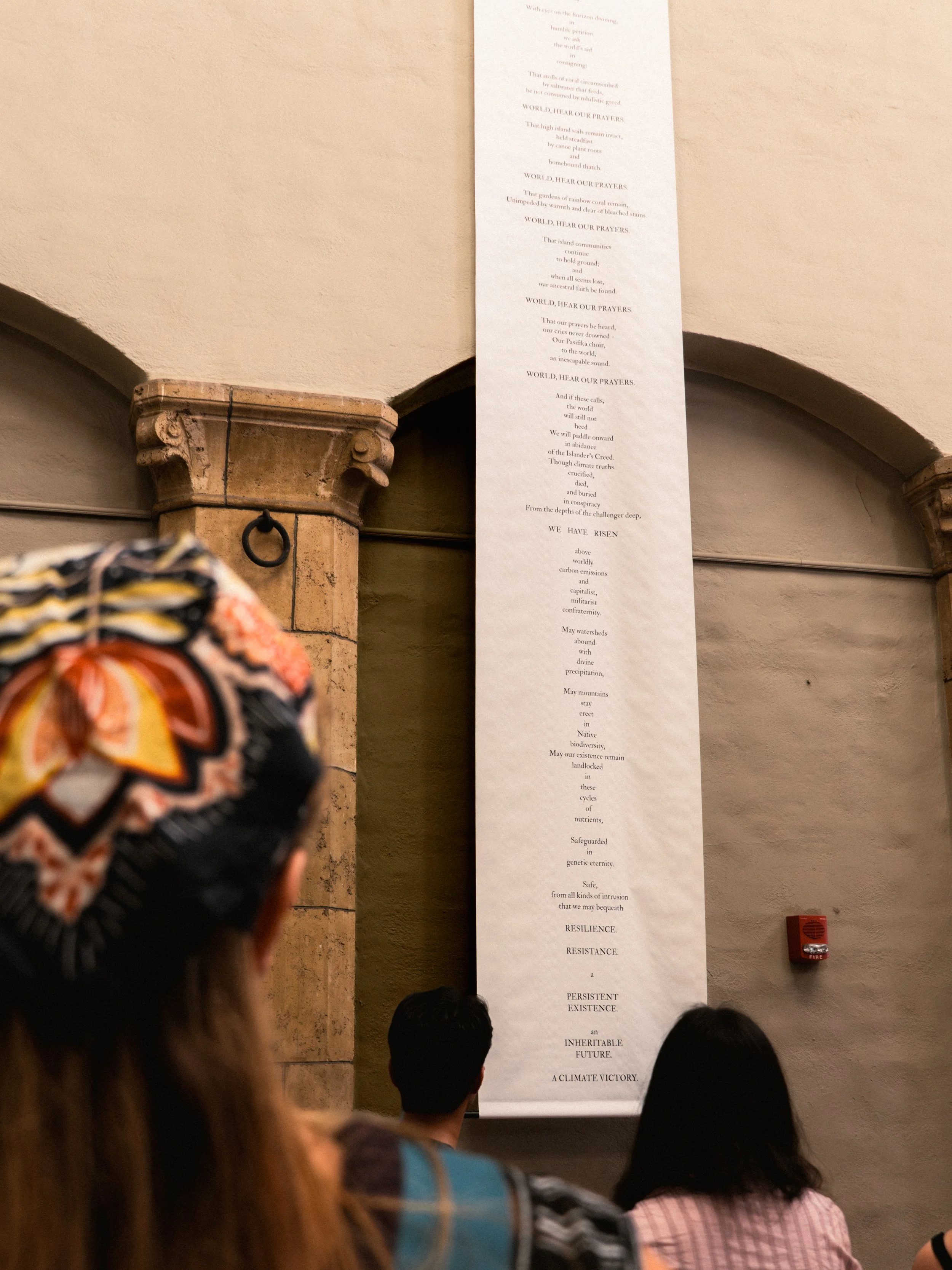
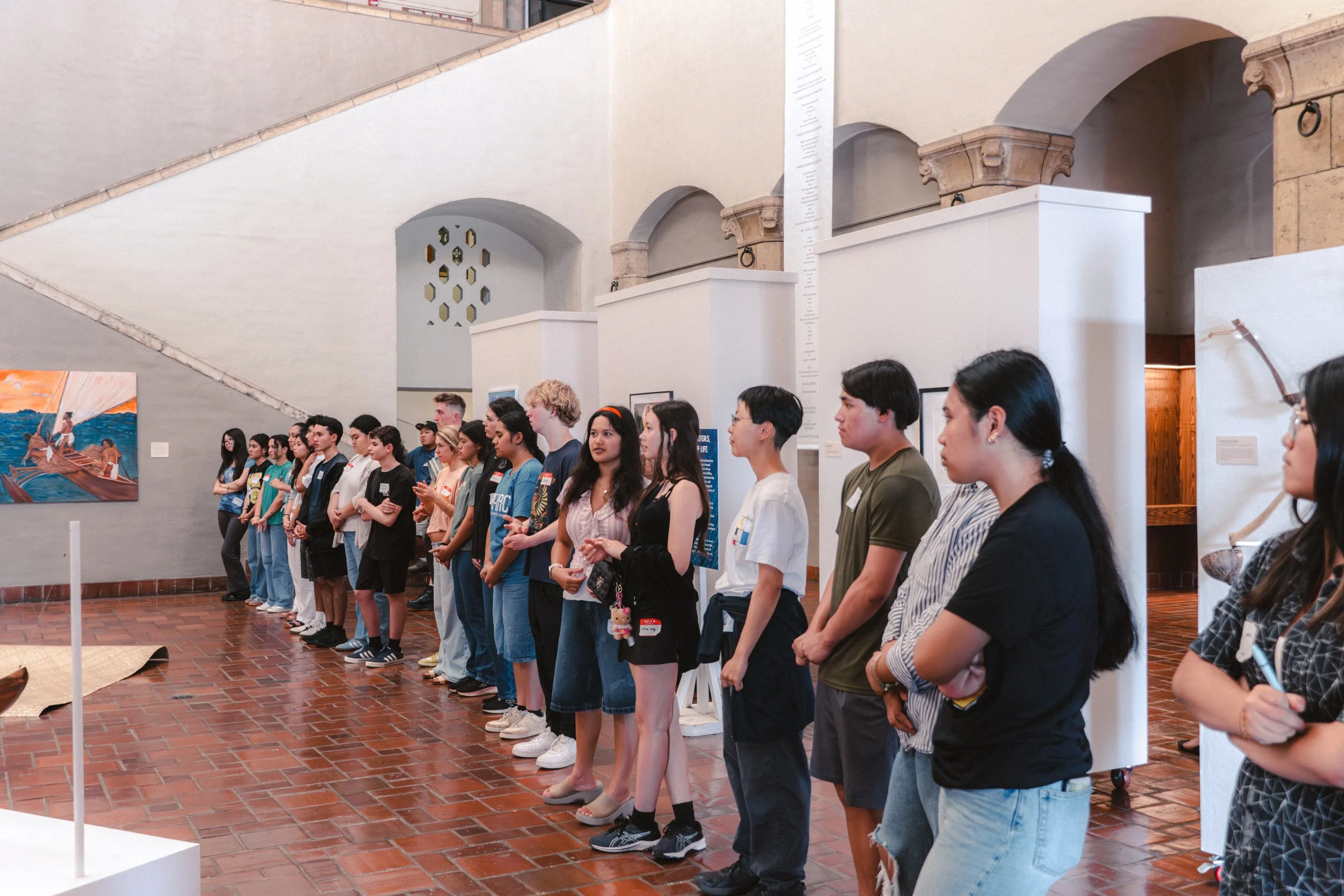
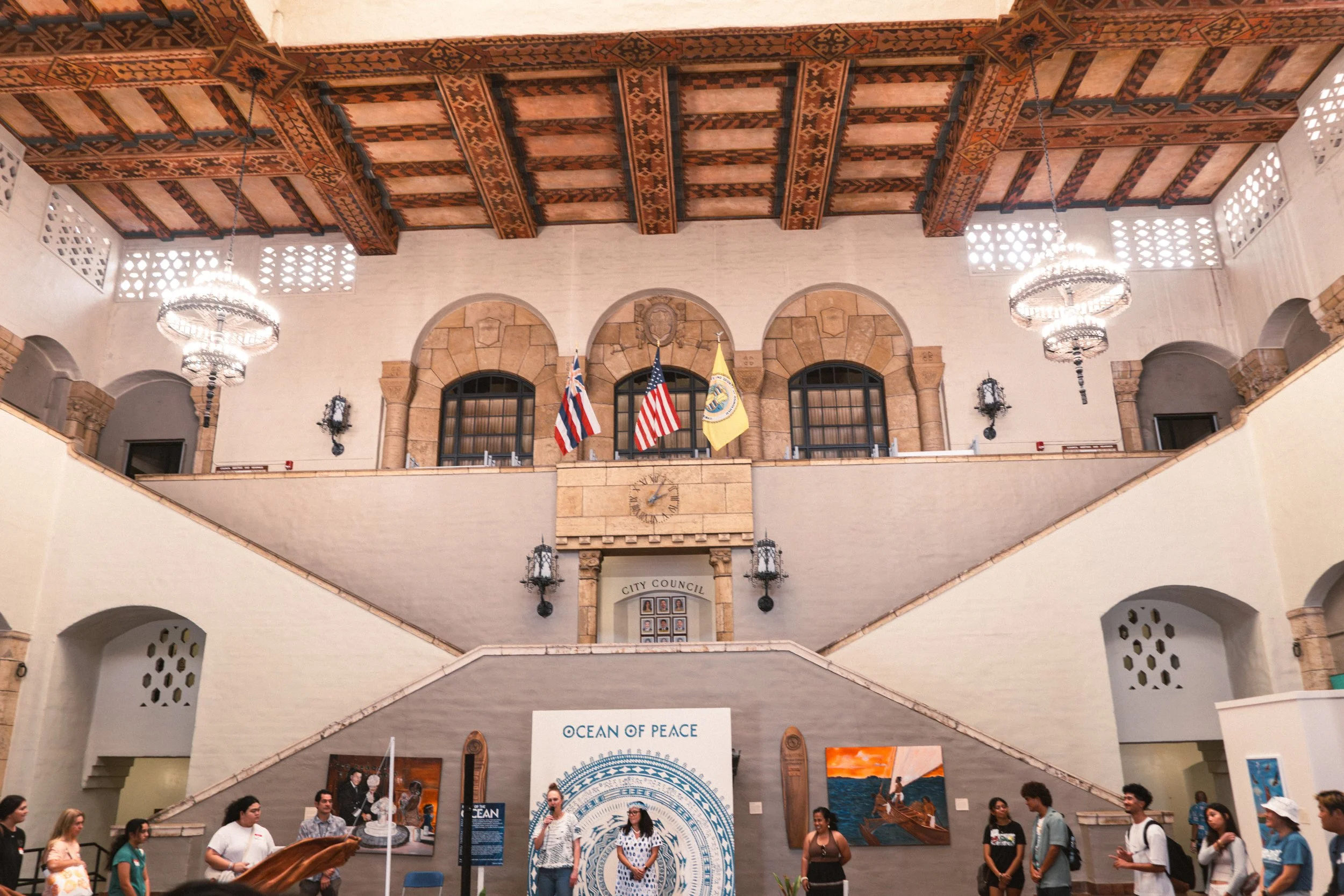
The afternoon took both cohorts — Taiwan and Palau together — to Honolulu Hale, where Palauan and Micronesian artists guided students through the "Oceans of Peace" exhibit. The paintings stopped students in their tracks. Josh Neel of Kahuku High School stood before a piece depicting nuclear testing in the Marshall Islands — an admiral and his wife cutting a celebratory cake, an island woman nearby holding her deformed baby — and wrote simply: "It spoke to the tragedy of what has been done to the islanders for 'the good of mankind.' But there was nothing good about it." Leala Florendo of Kalani High School found a poem in the exhibit about the ocean and copied it into her field notes: "This poem was very touching and not only speaks for Micronesia but all over the Pacific Islands." A scavenger hunt through Chinatown followed, where students practiced the fieldwork observation skills they'll need in Palau — and, for many, practiced something harder: approaching strangers.
Jayden Tran of Kalani High School, whose four years with PAAC culminated in this crossing, noticed what the scavenger hunt revealed in him. "I was the one in the group approaching strangers to ask for pictures — that is something I would've never done before," he wrote, "which is a testament to how much I've grown as a person."
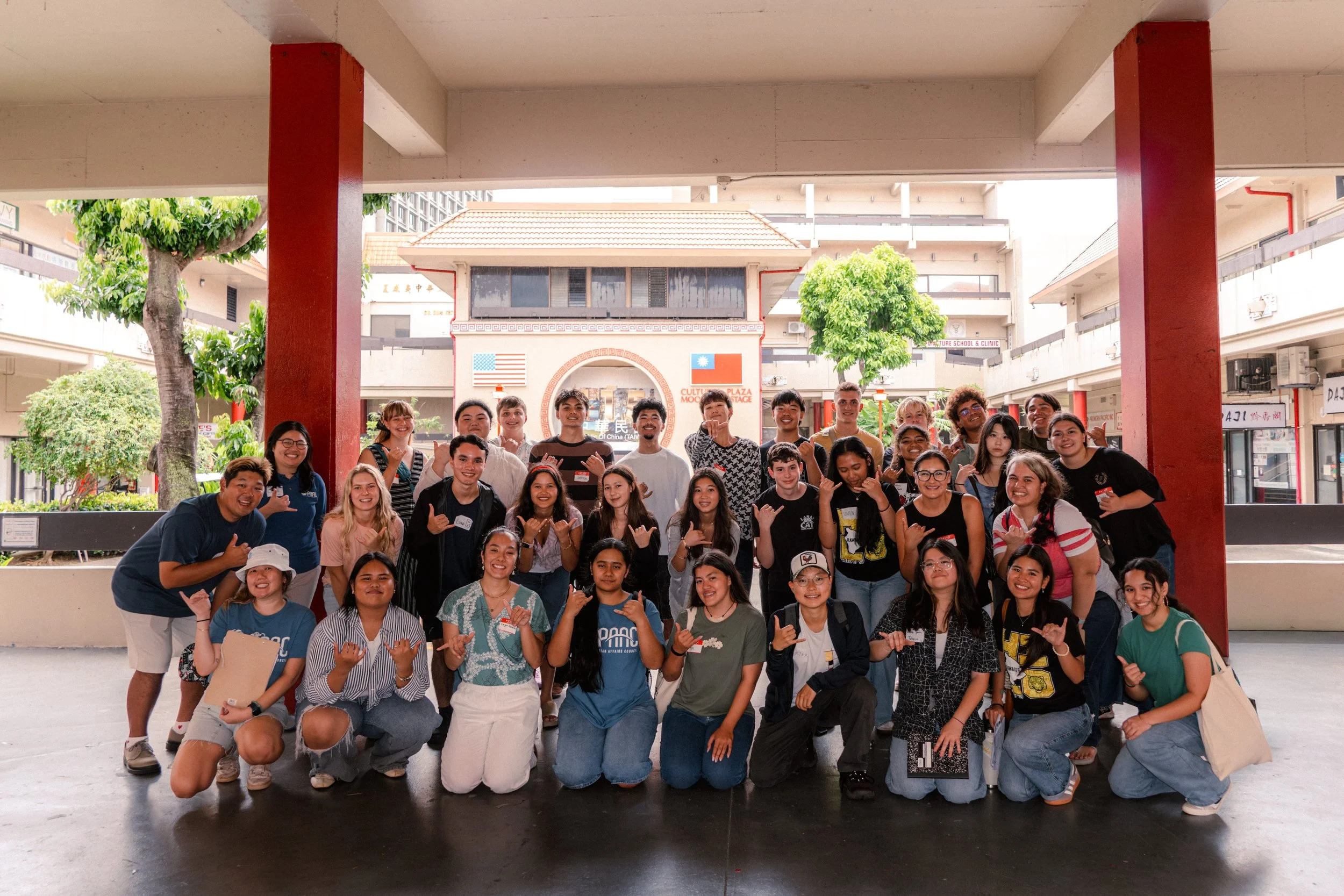
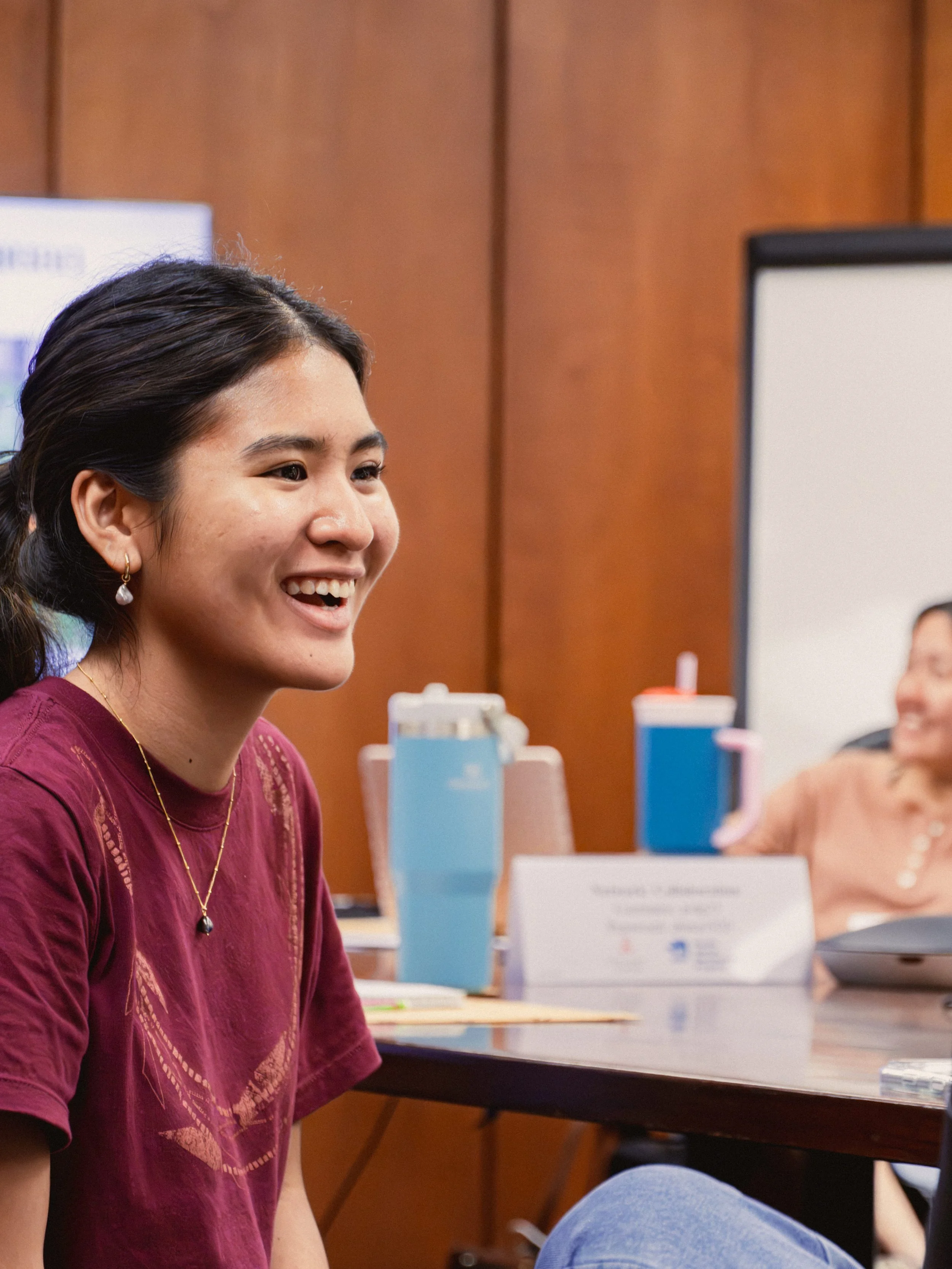
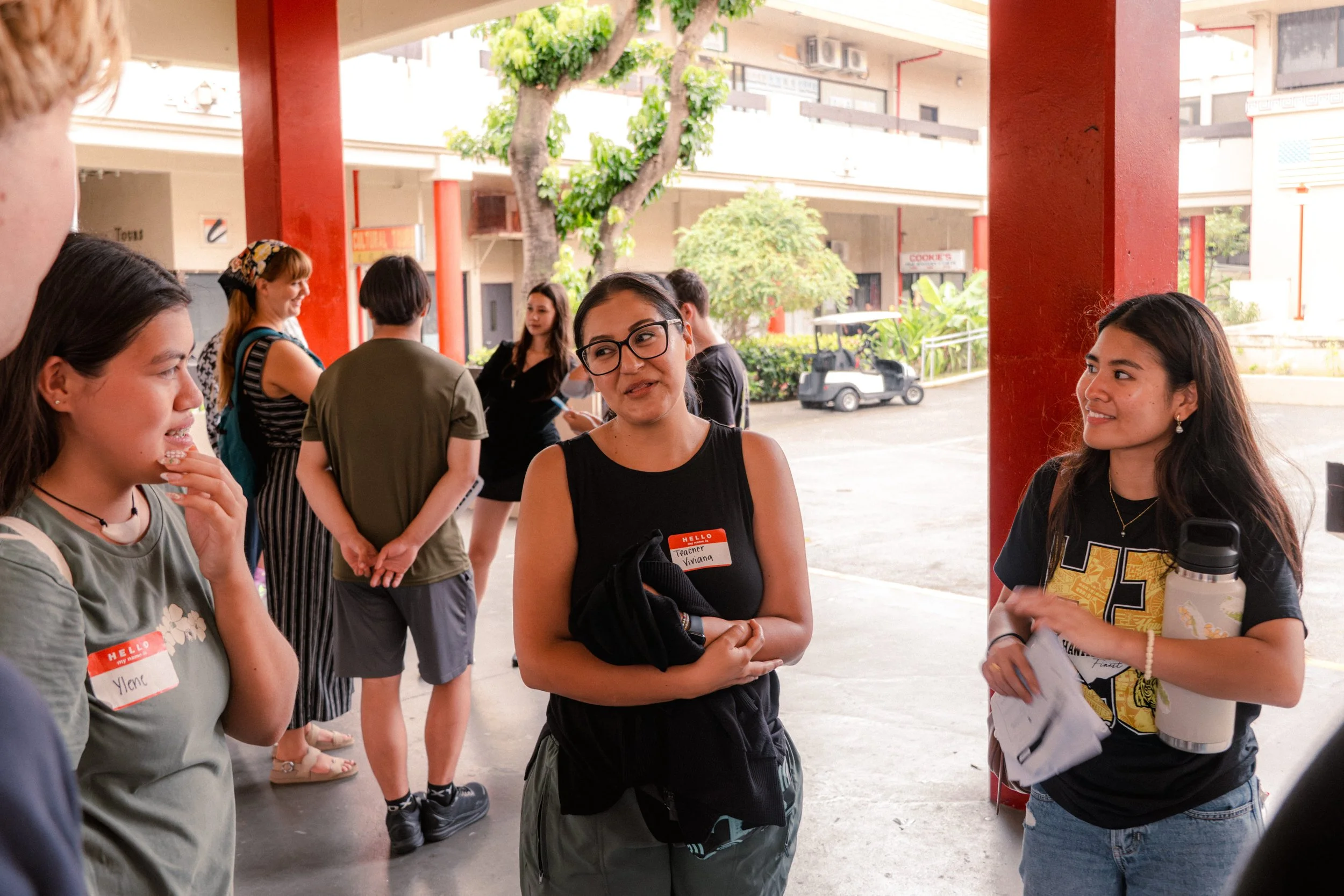
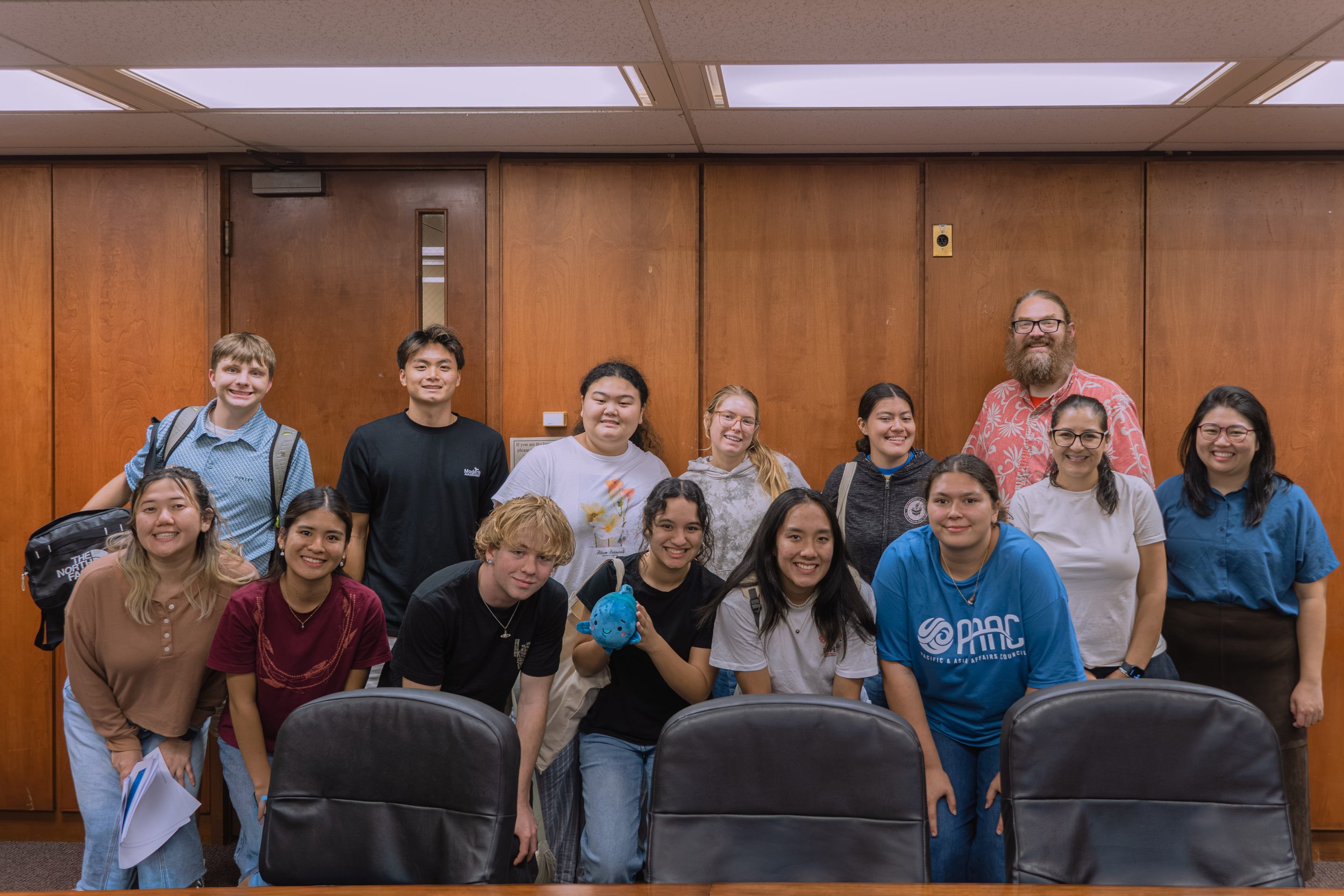
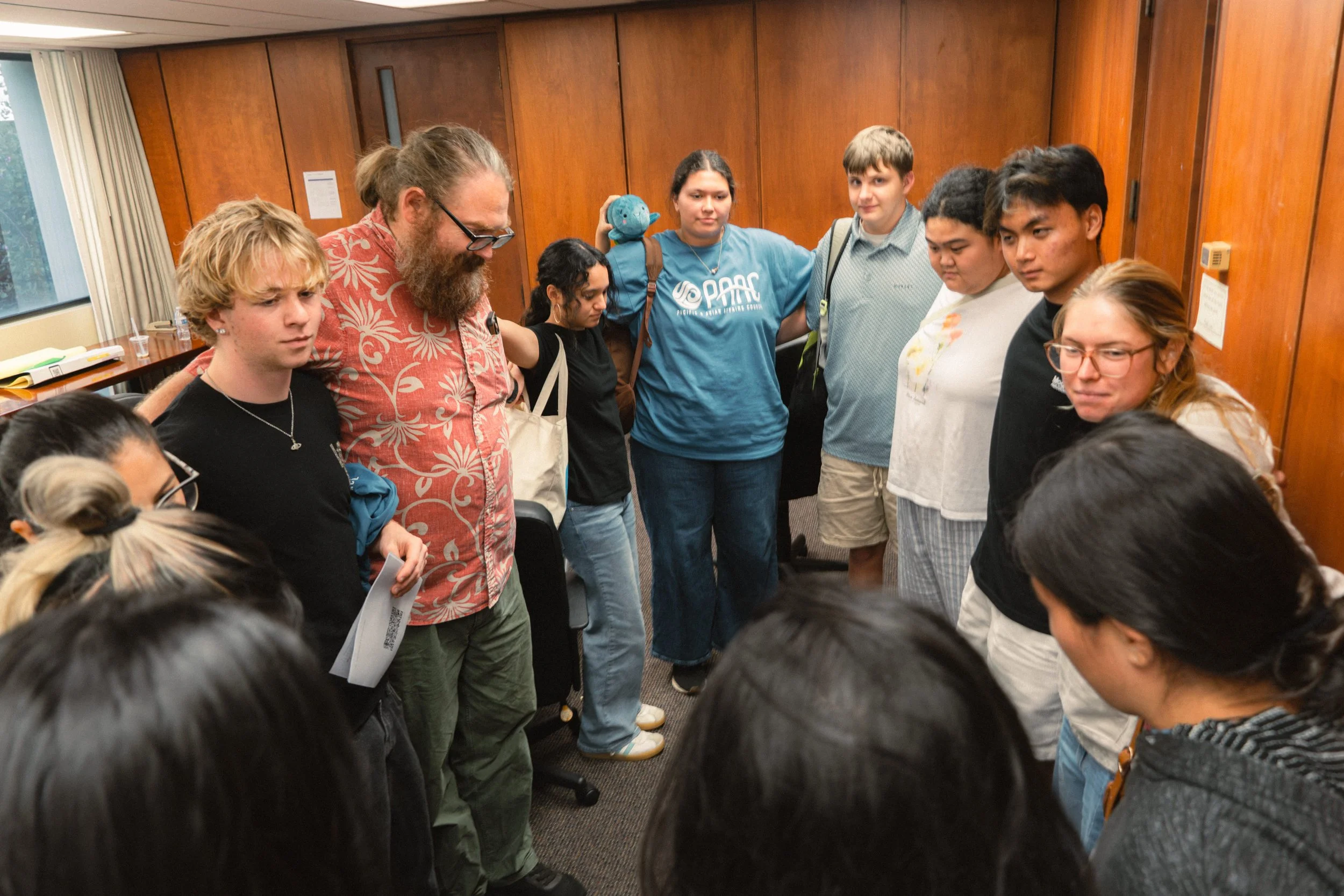
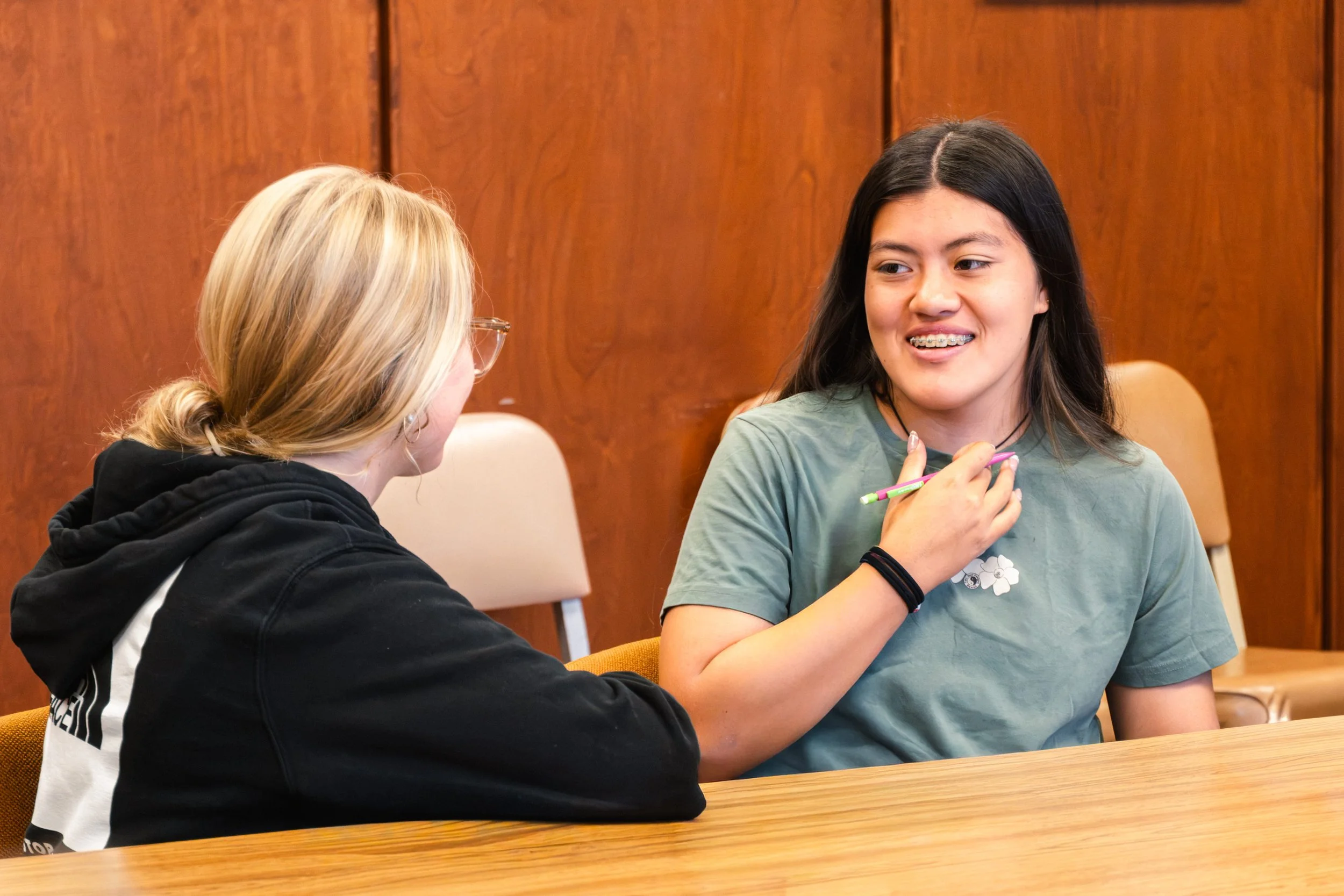
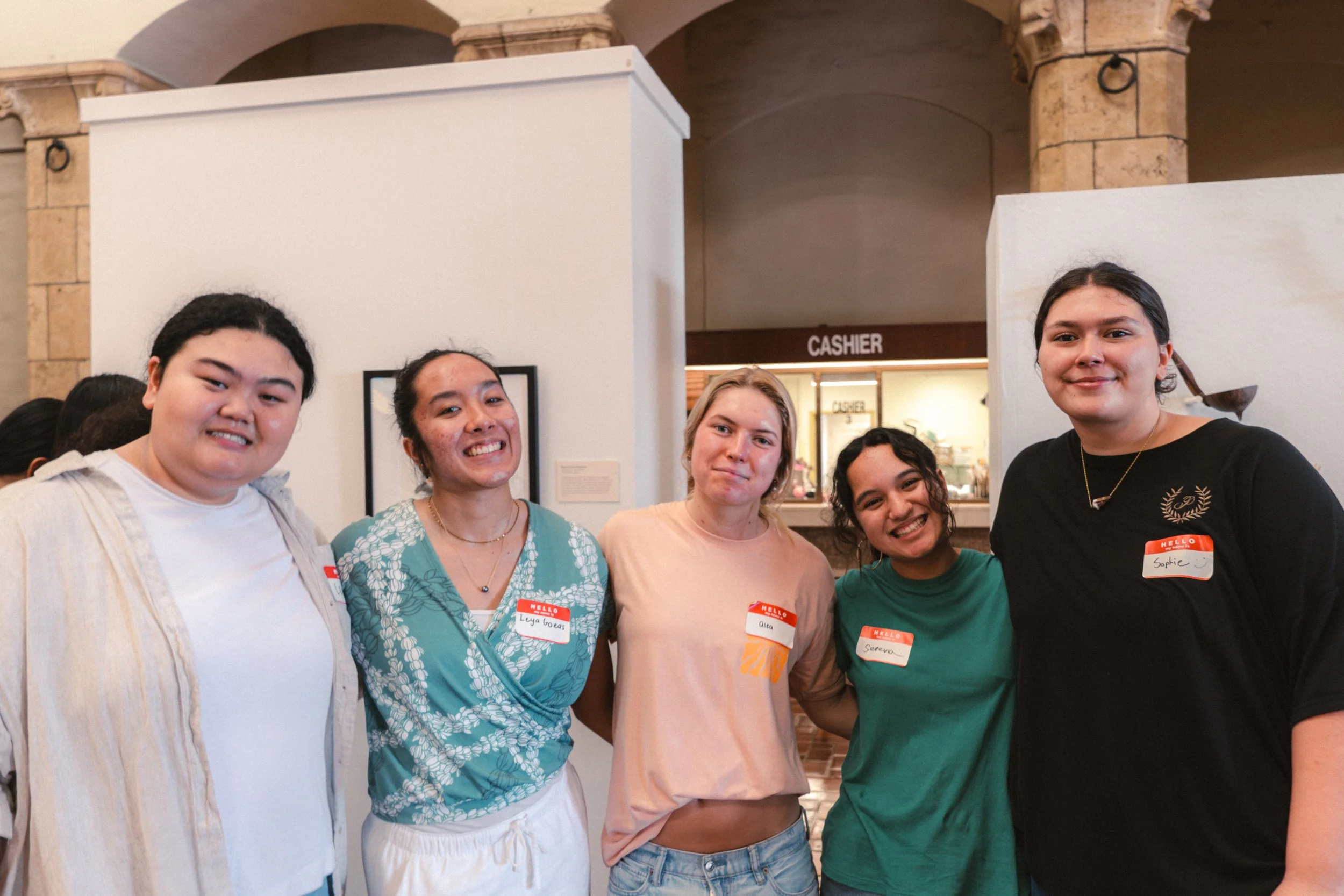
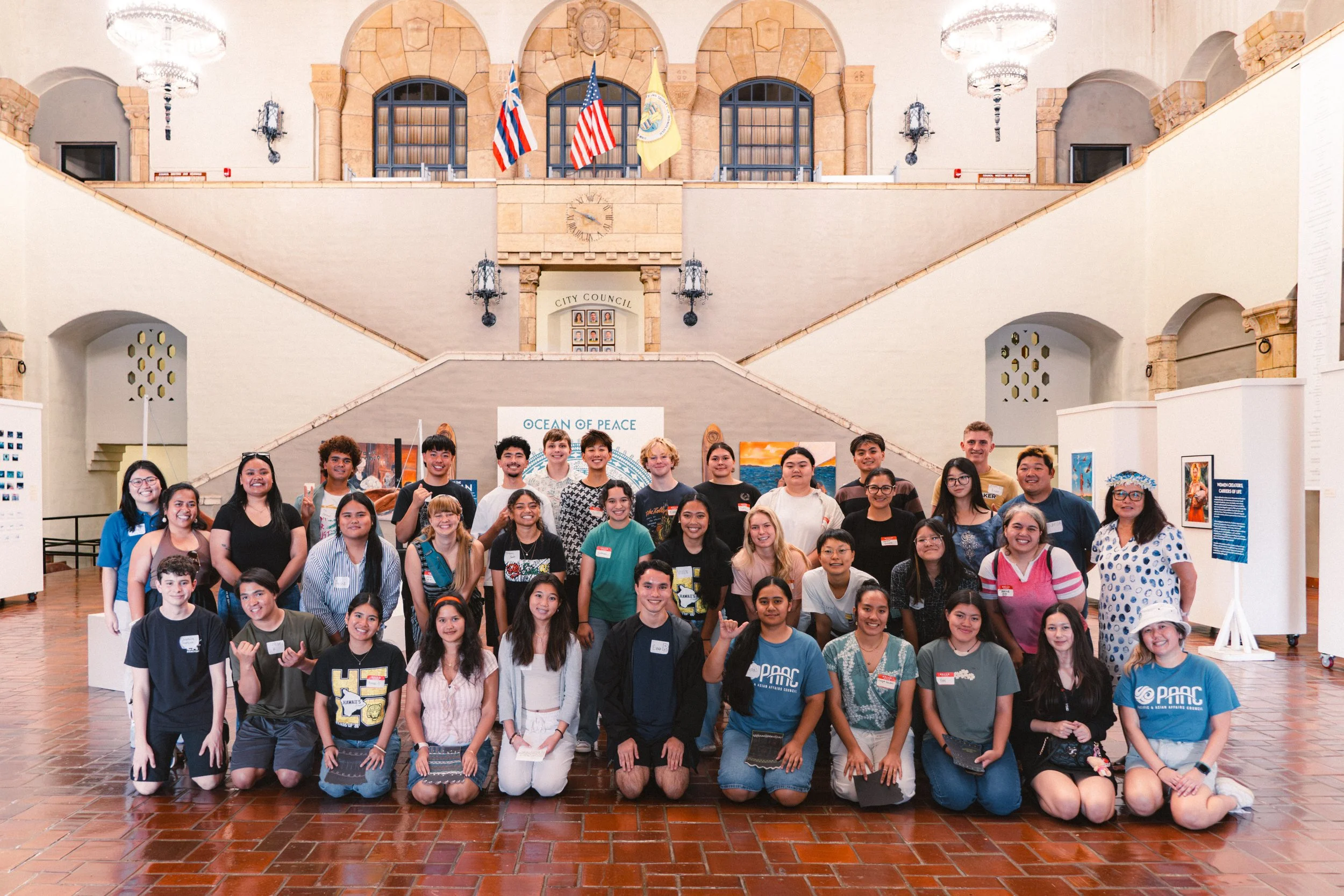
By the end of orientation, ten students who had arrived as relative strangers had built something. Ylene Reid-Selth of Radford High School described the arc plainly: "I was a little uncomfortable and scared coming in, especially when I did not really know anyone. But as soon as I started to get to know everyone I got more comfortable and way more excited for the trip." Eddie Anderson of Leilehua High School, who arrived late on Day One and caught the afternoon field trip, called the orientation "the best event I've been to school-wise in my life."
No mainland institution can tell this story. A student from Hawaiʻi in Palau — two communities that know what it means to steward an ocean, to hold onto language under pressure, to send young people out into the world and hope they carry something home — is a different kind of ambassador.
The Takitani Summer Study Tour to Palau departs this summer. PAAC is grateful to the Mamoru and Aiko Takitani Foundation for making this historic first possible. Follow along at paachawaii.org — and share this story with someone who knows that the Pacific is not a distance. It is a relationship.
