
Before the Flight: What 18 Students Learned About Taiwan Before They Ever Left Honolulu
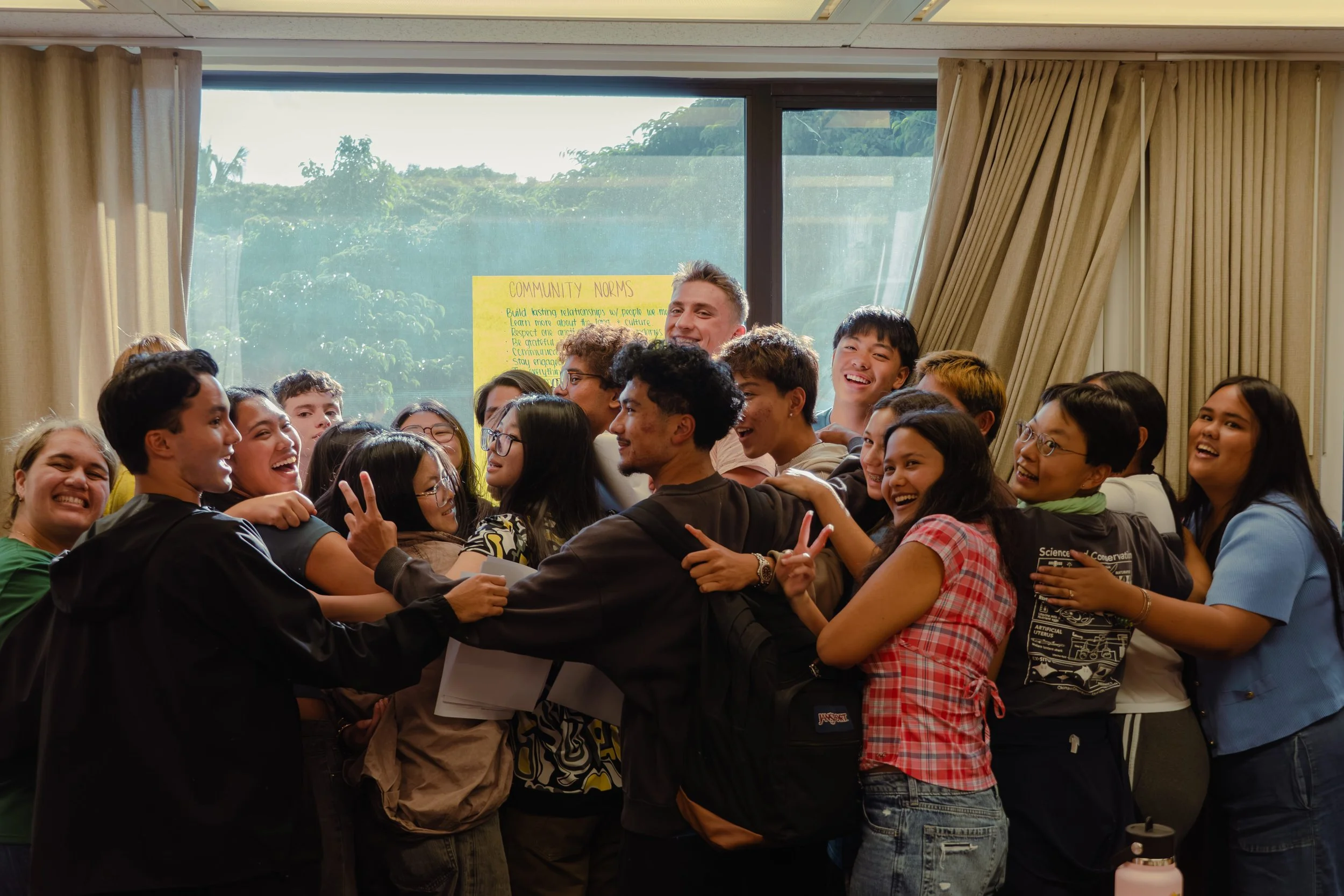
The Freeman Summer Study Tour to Taiwan opened not with a departure, but with a question most students had never been asked.
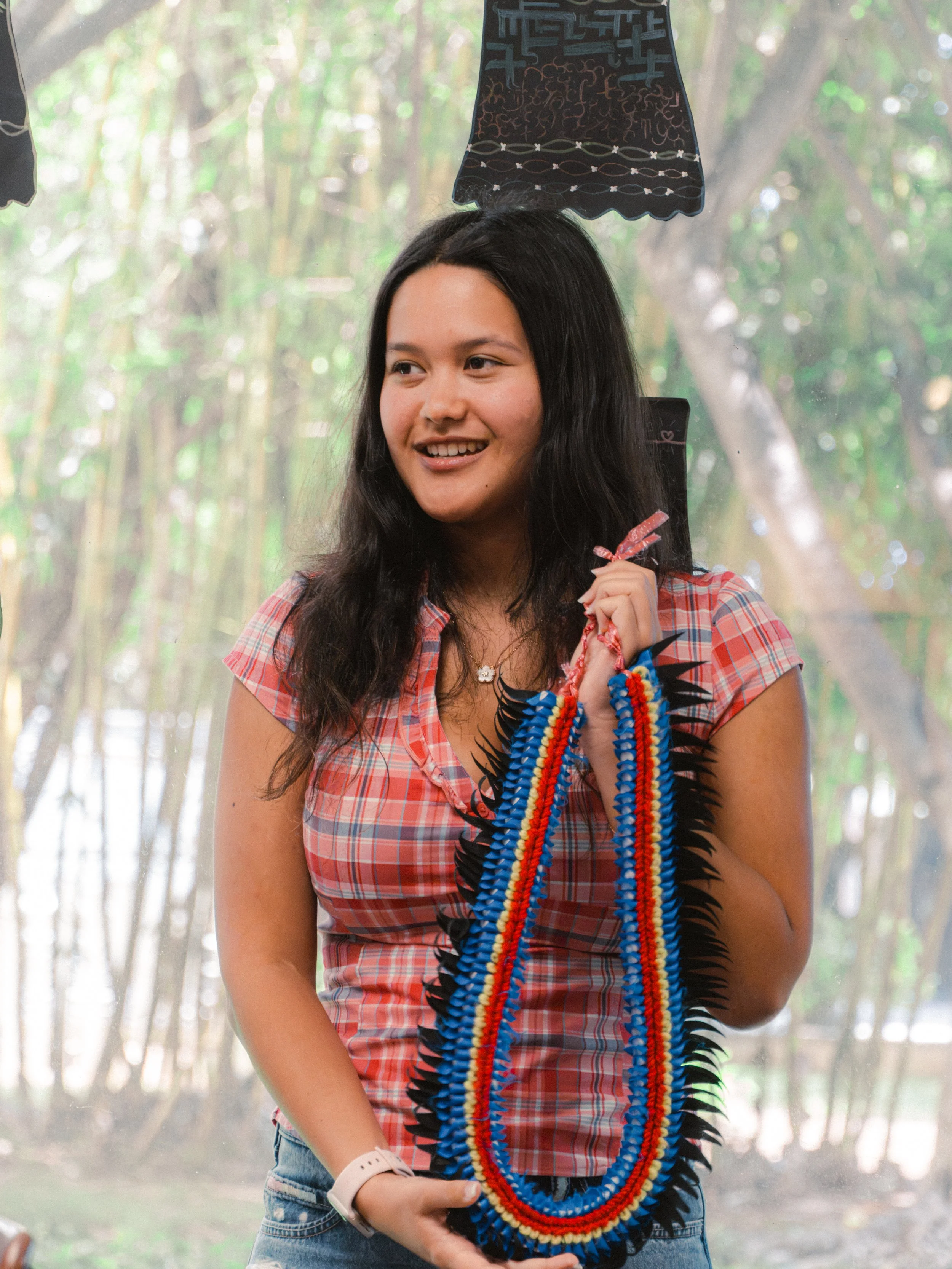
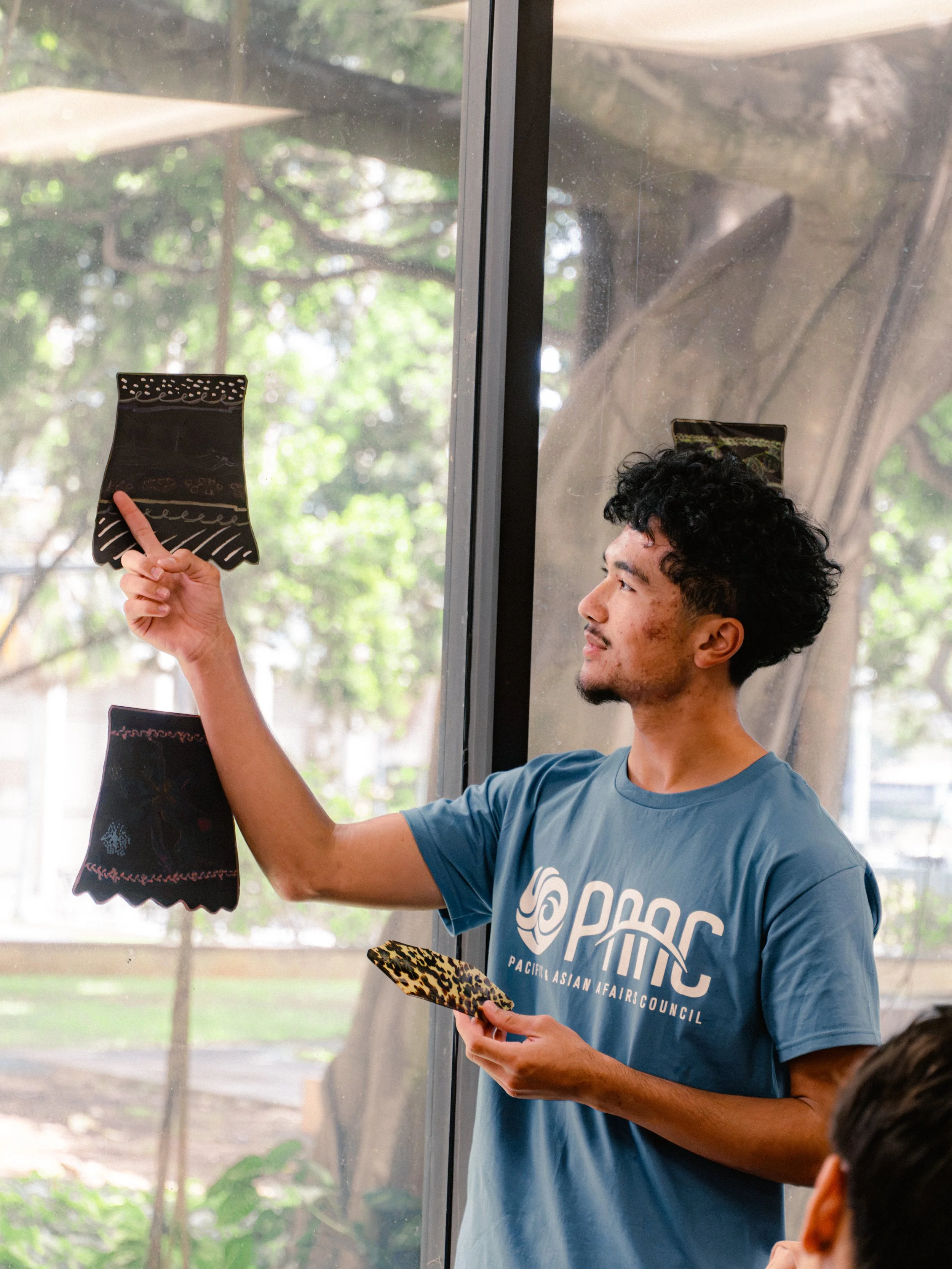
Naomi Tokishi grew up in Hawaiʻi. She has worn lei her entire life. But it wasn't until the second day of PAAC's Taiwan orientation that she learned what lei actually carry.
"I learned that lei holds the seeds of plants voyagers can plant when they arrive at their destinations," she wrote in her field notes that evening. "I was mind blown — the purpose I thought lei had was so surface level, when in actuality it is so much deeper."
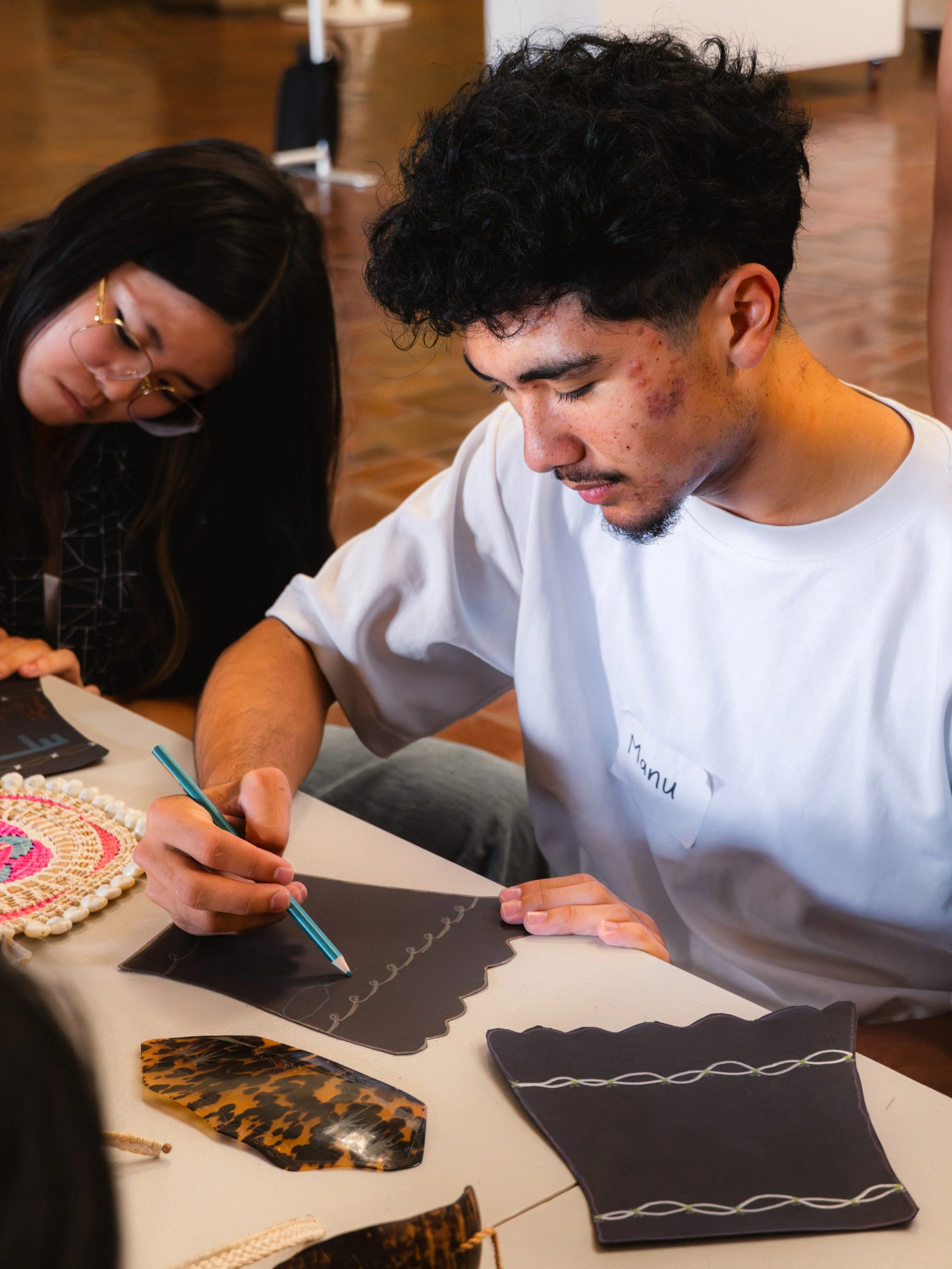
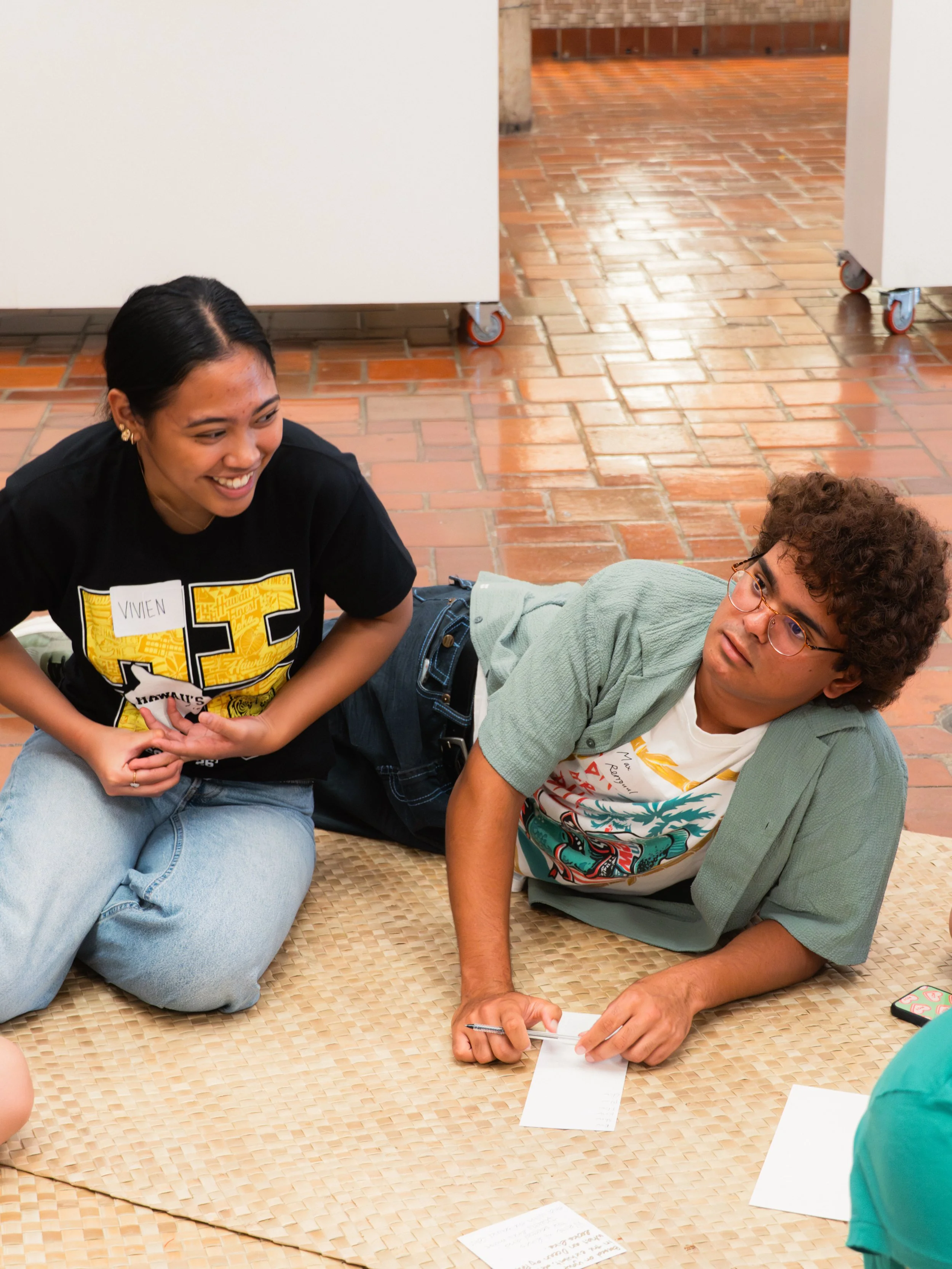
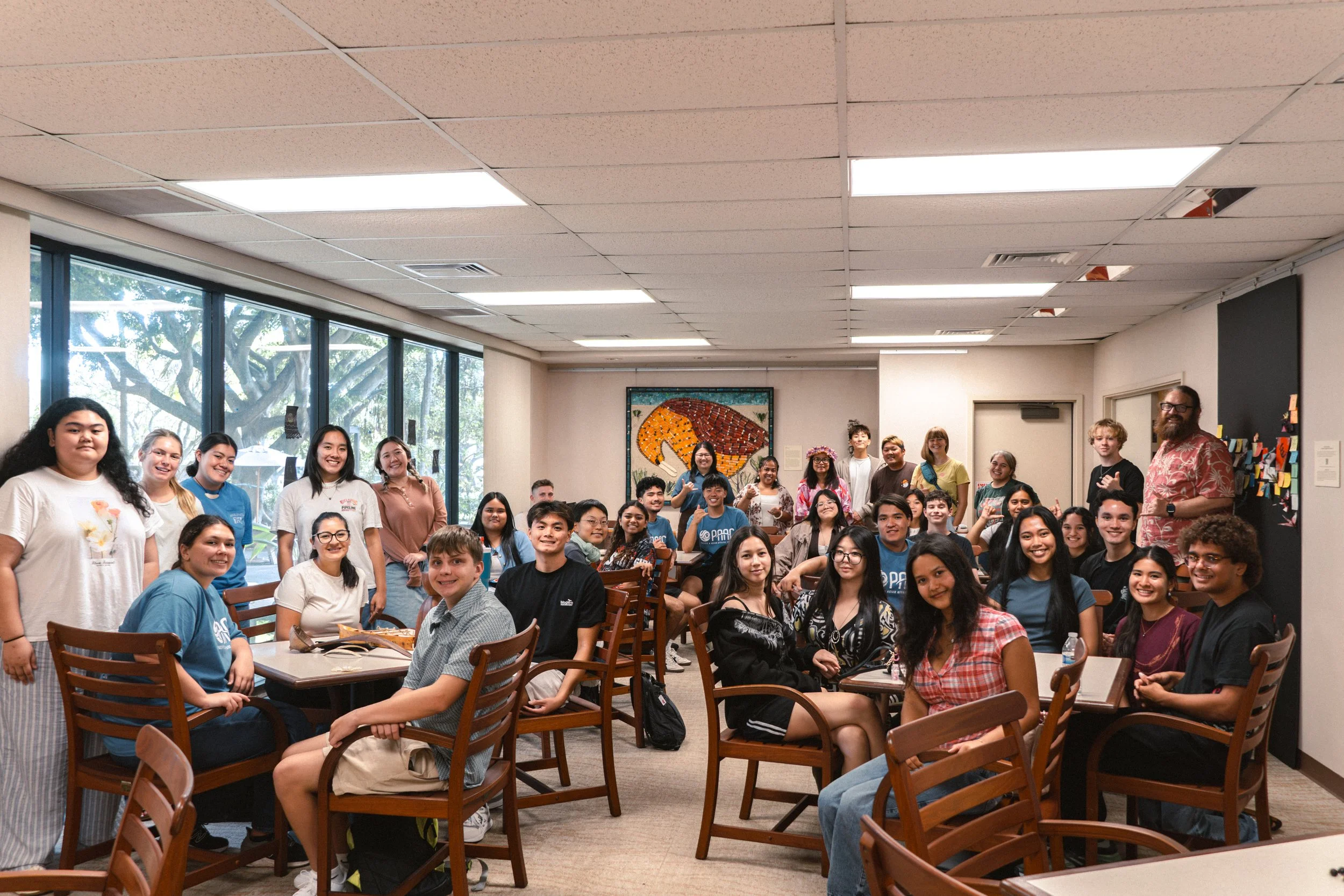
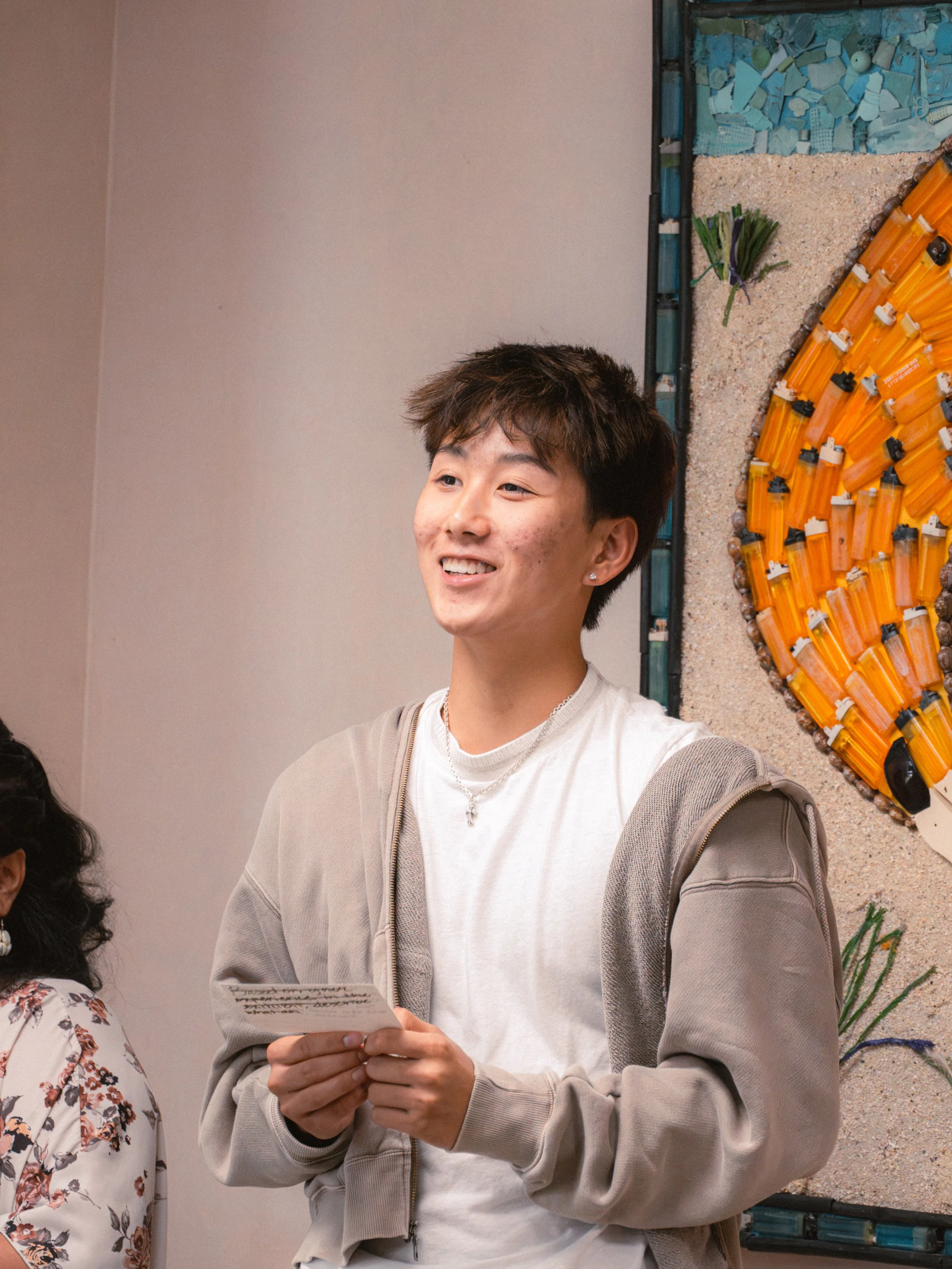
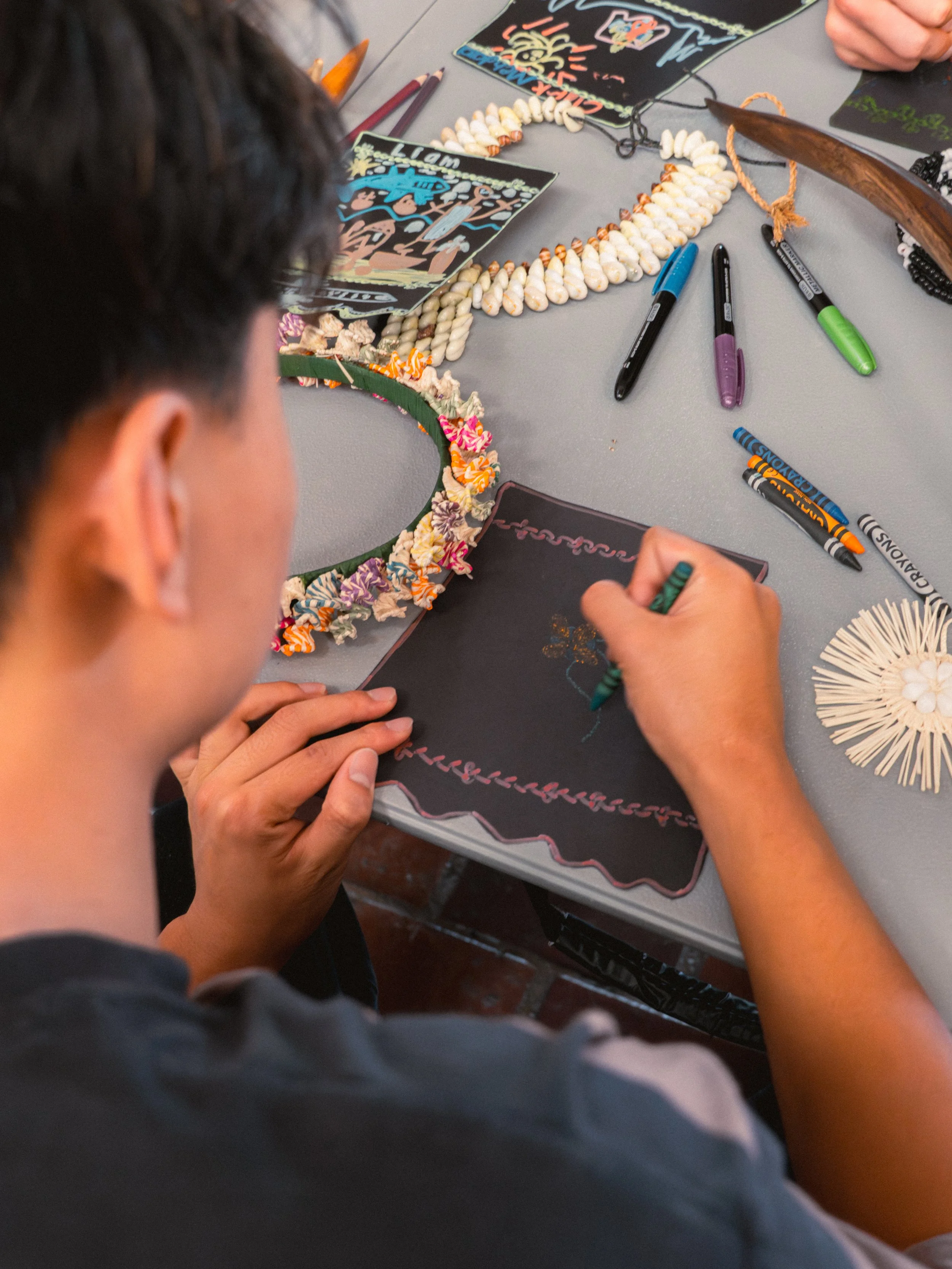
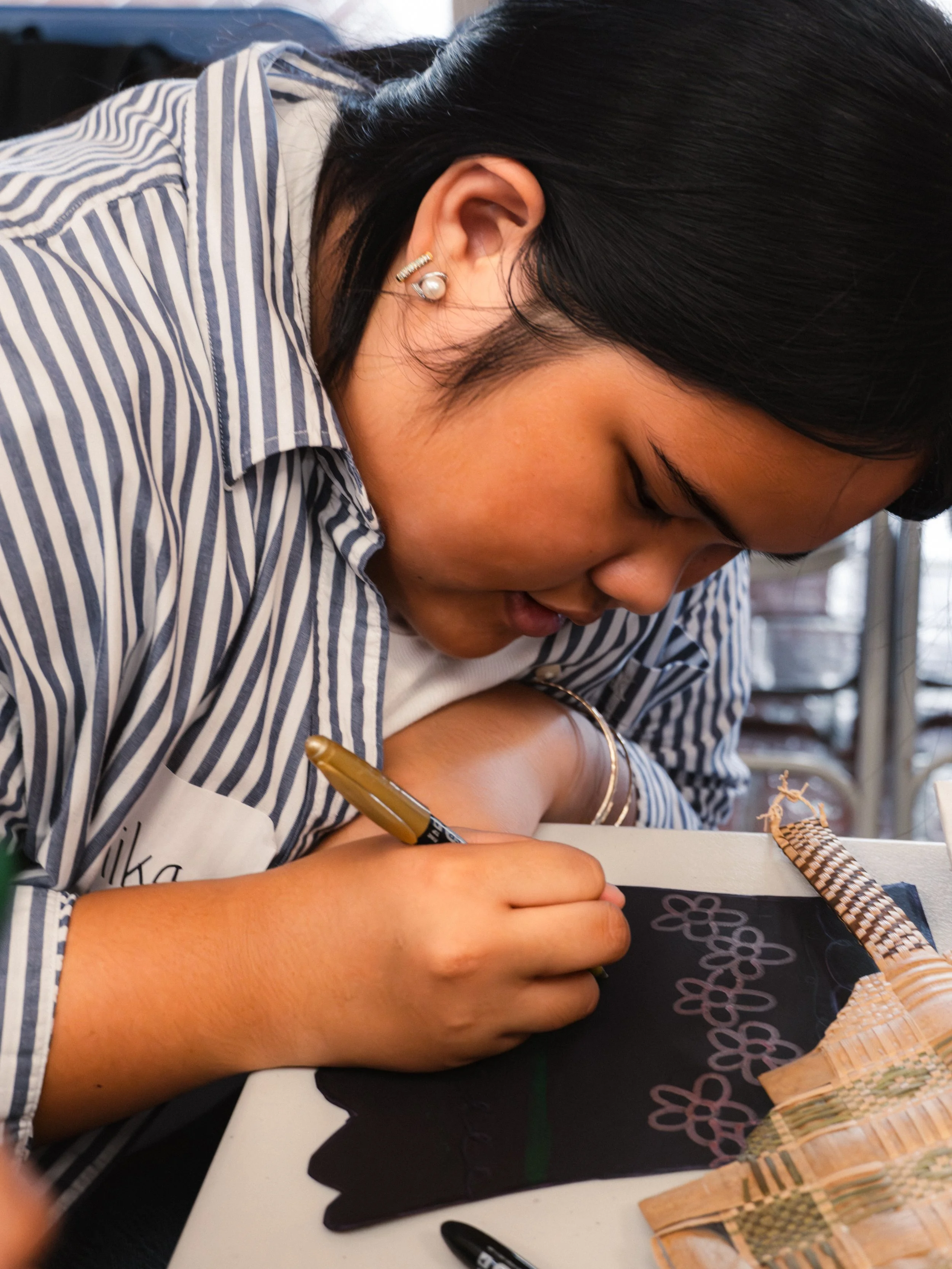
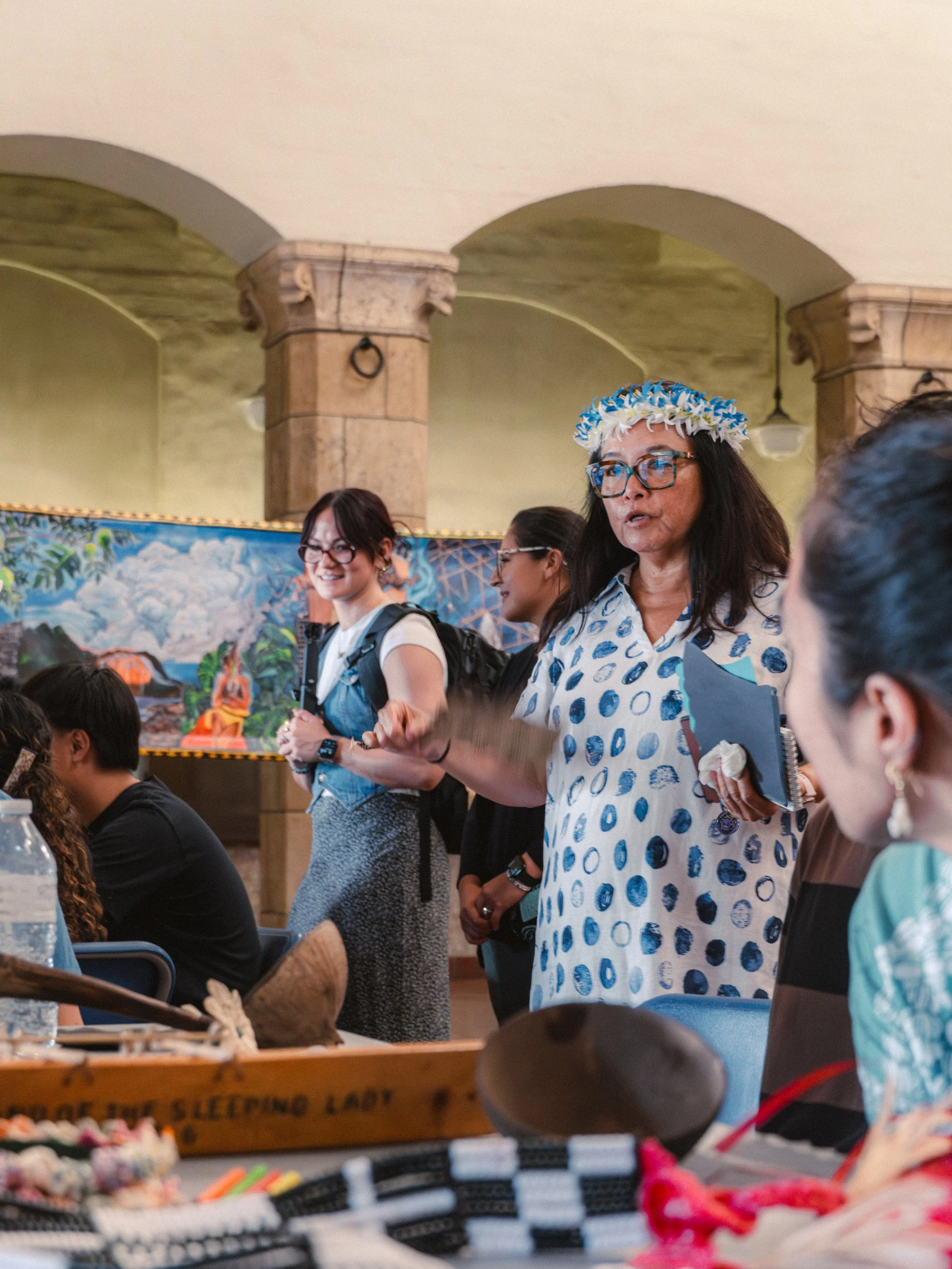
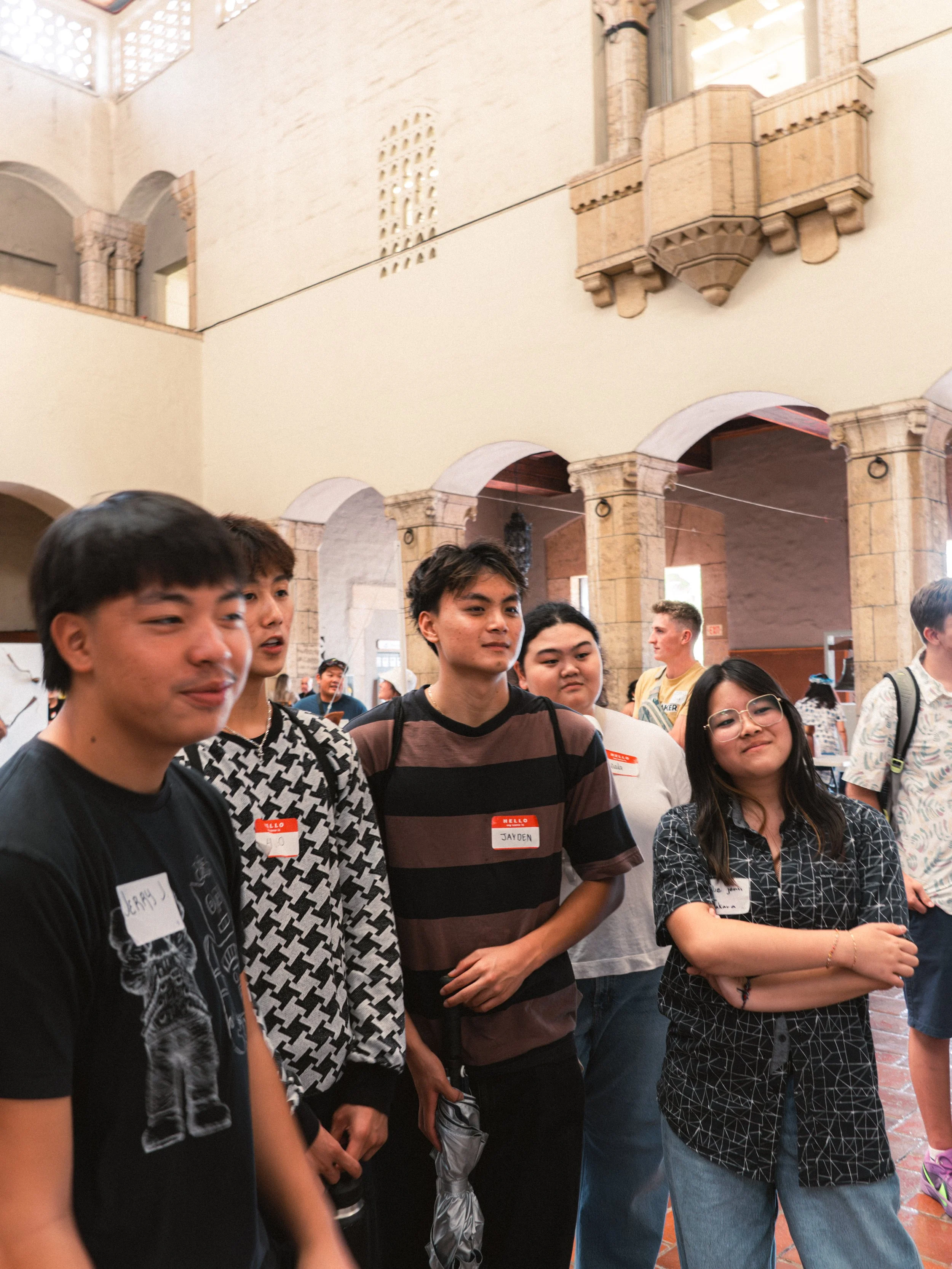
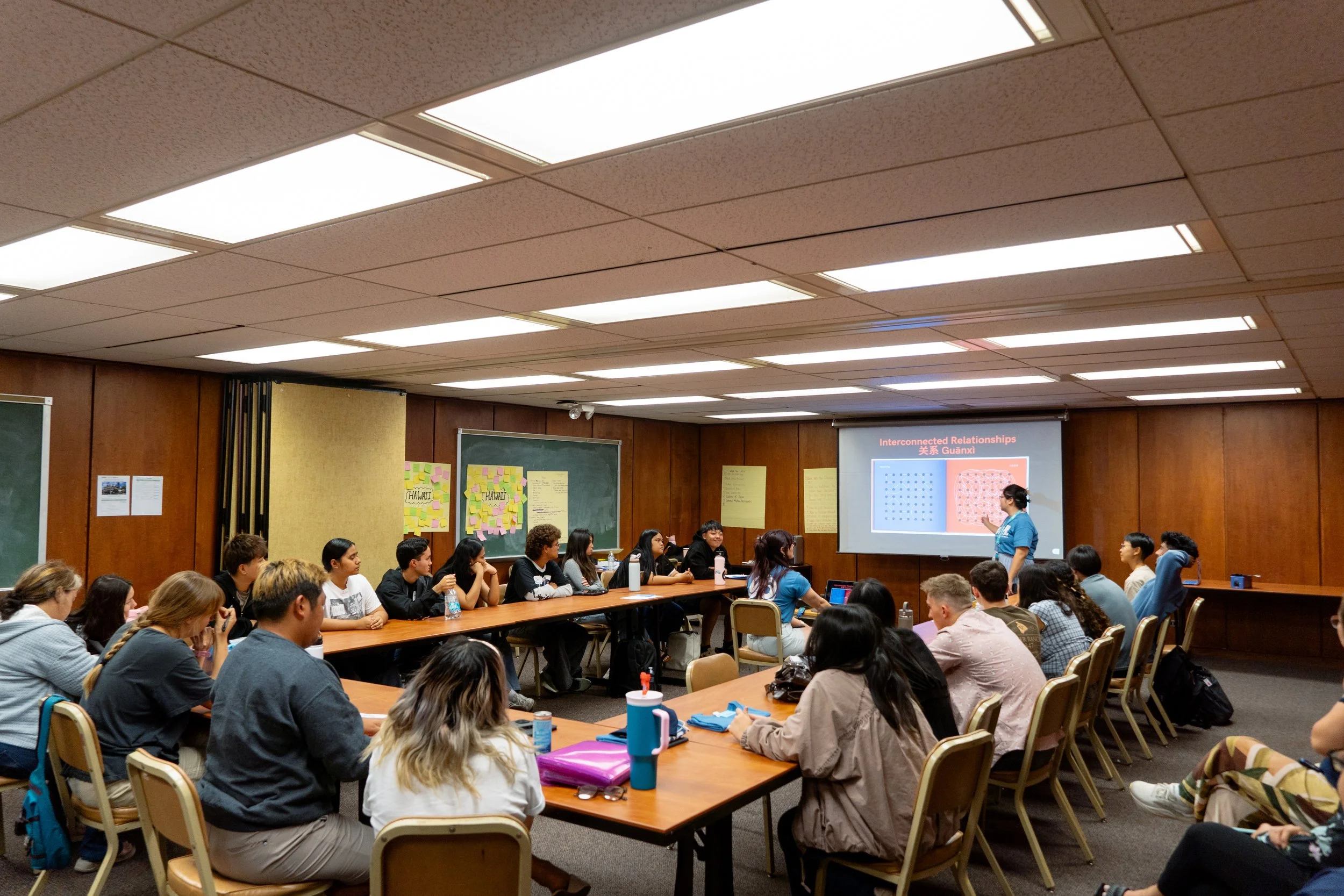
That moment — a student from Maui High School discovering something new about her own home while preparing to leave it — is exactly the kind of learning PAAC orientations are designed to produce. Before eighteen students from fourteen schools across Hawaiʻi board a plane to Taiwan this summer, they spent three days at the East-West Center's John A. Burns Hall building the knowledge, relationships, and cultural grounding that will allow them to show up in Taiwan as more than tourists.
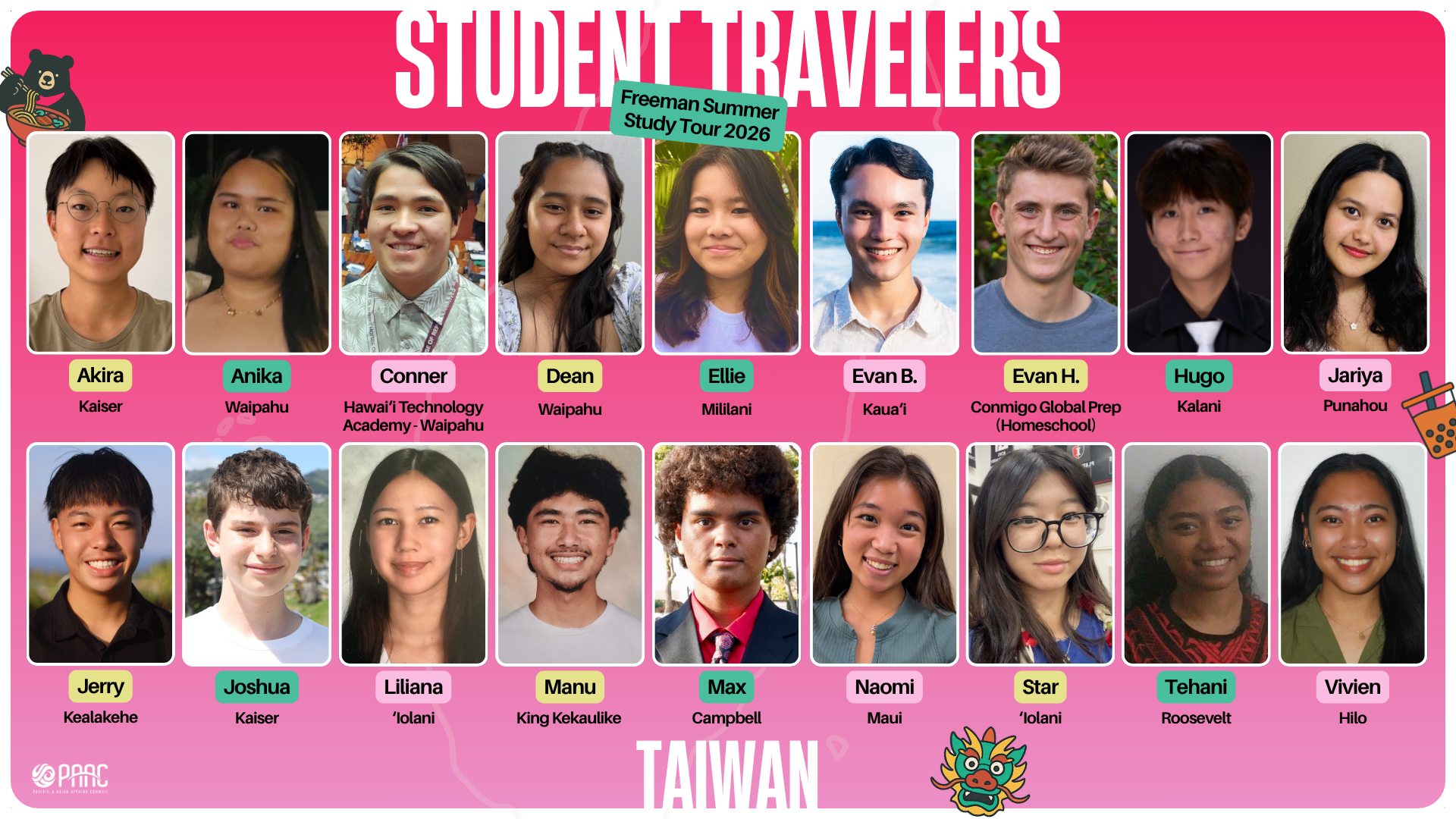
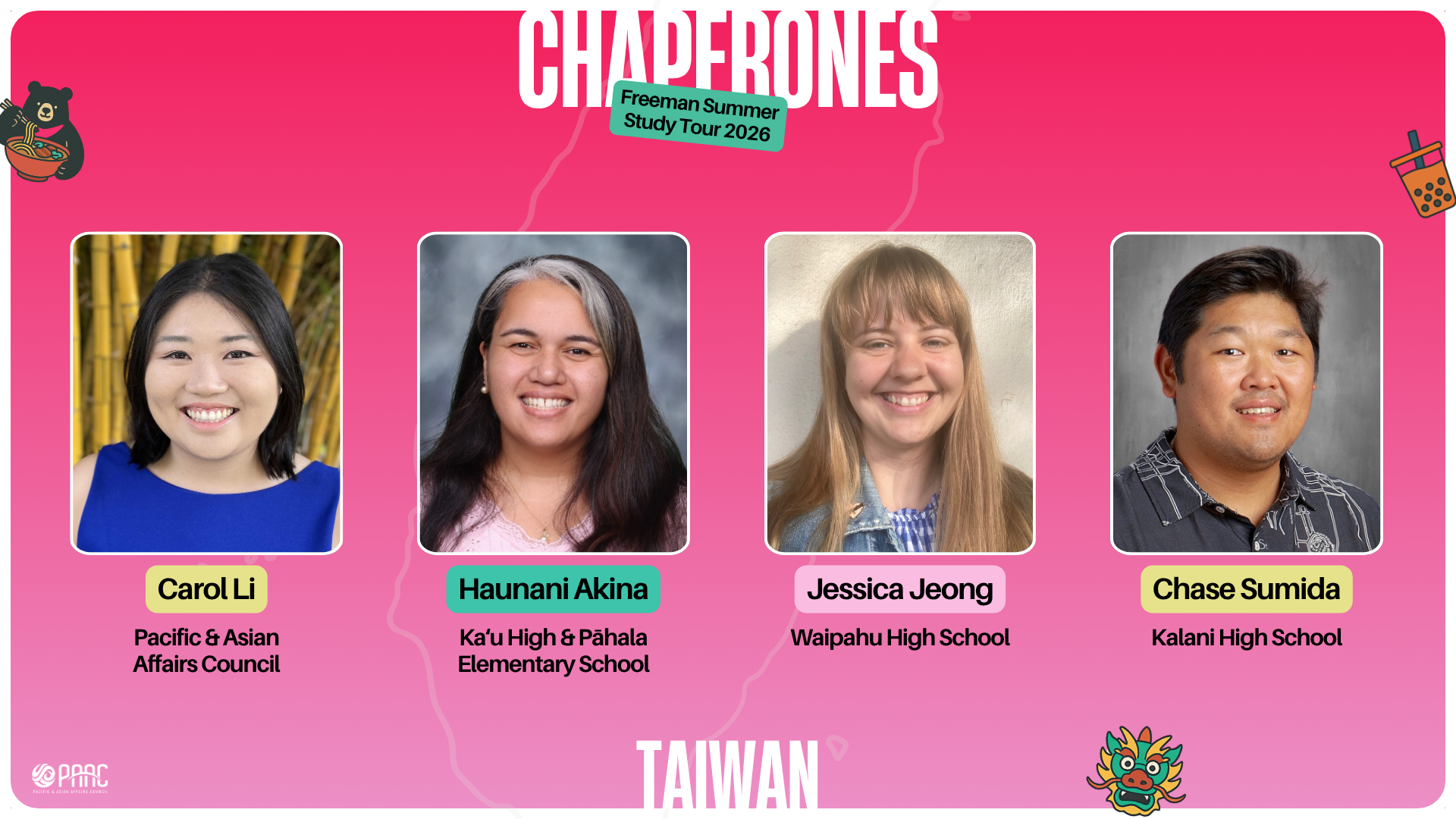
The Freeman Summer Study Tour to Taiwan is PAAC's first standalone Taiwan program. It is a program built on its own terms, made possible by the Freeman Foundation's investment in people-to-people exchange between Hawaiʻi and Asia. The cohort reflects that seriousness: students arrived from Punahou, ʻIolani, Kaiser, Waipahu, Kealakehe, Hilo, Kauaʻi, Campbell, Roosevelt, and more, carrying, as one student put it, "a lot of information for the first day" and rising to meet it.
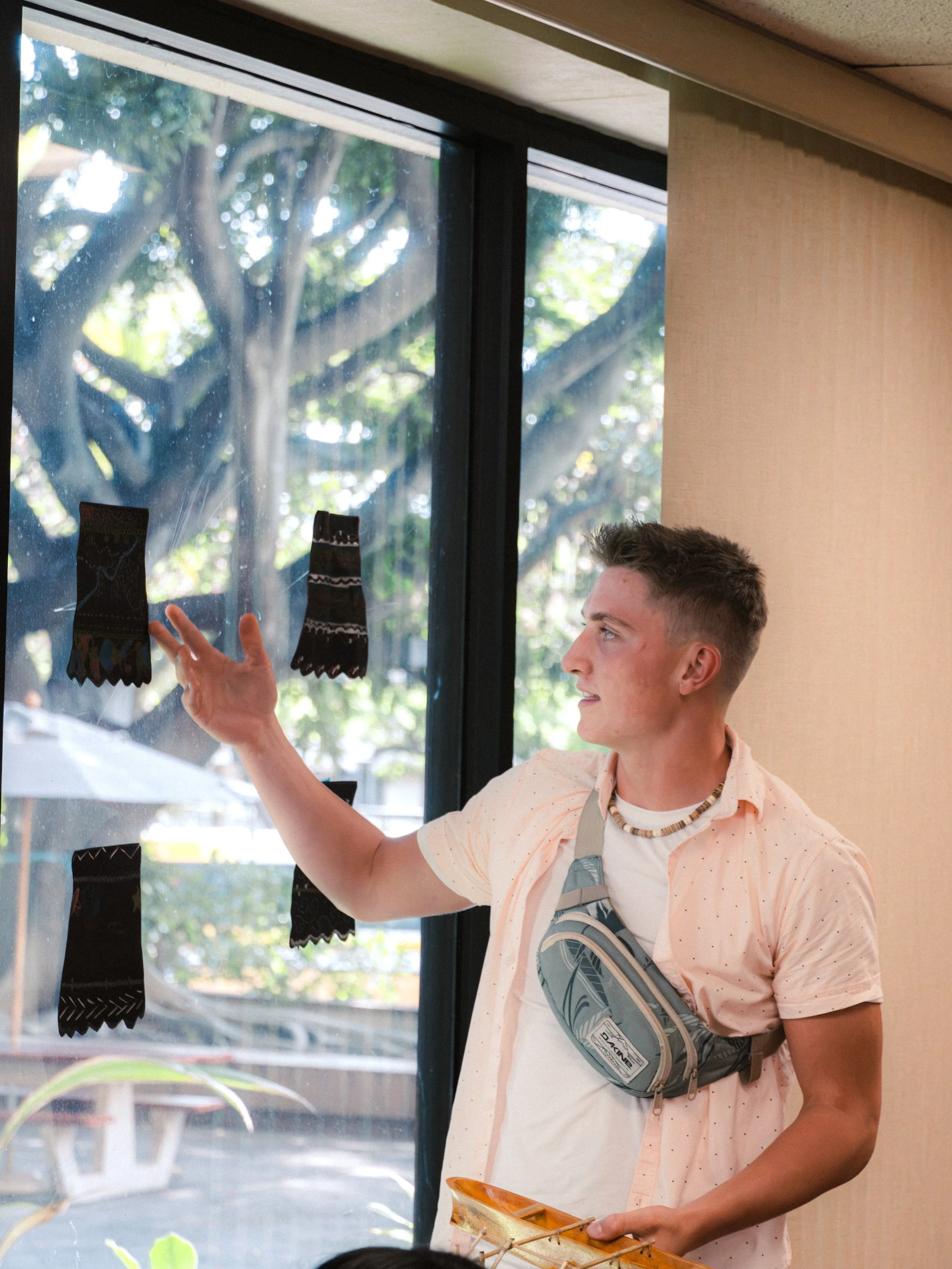
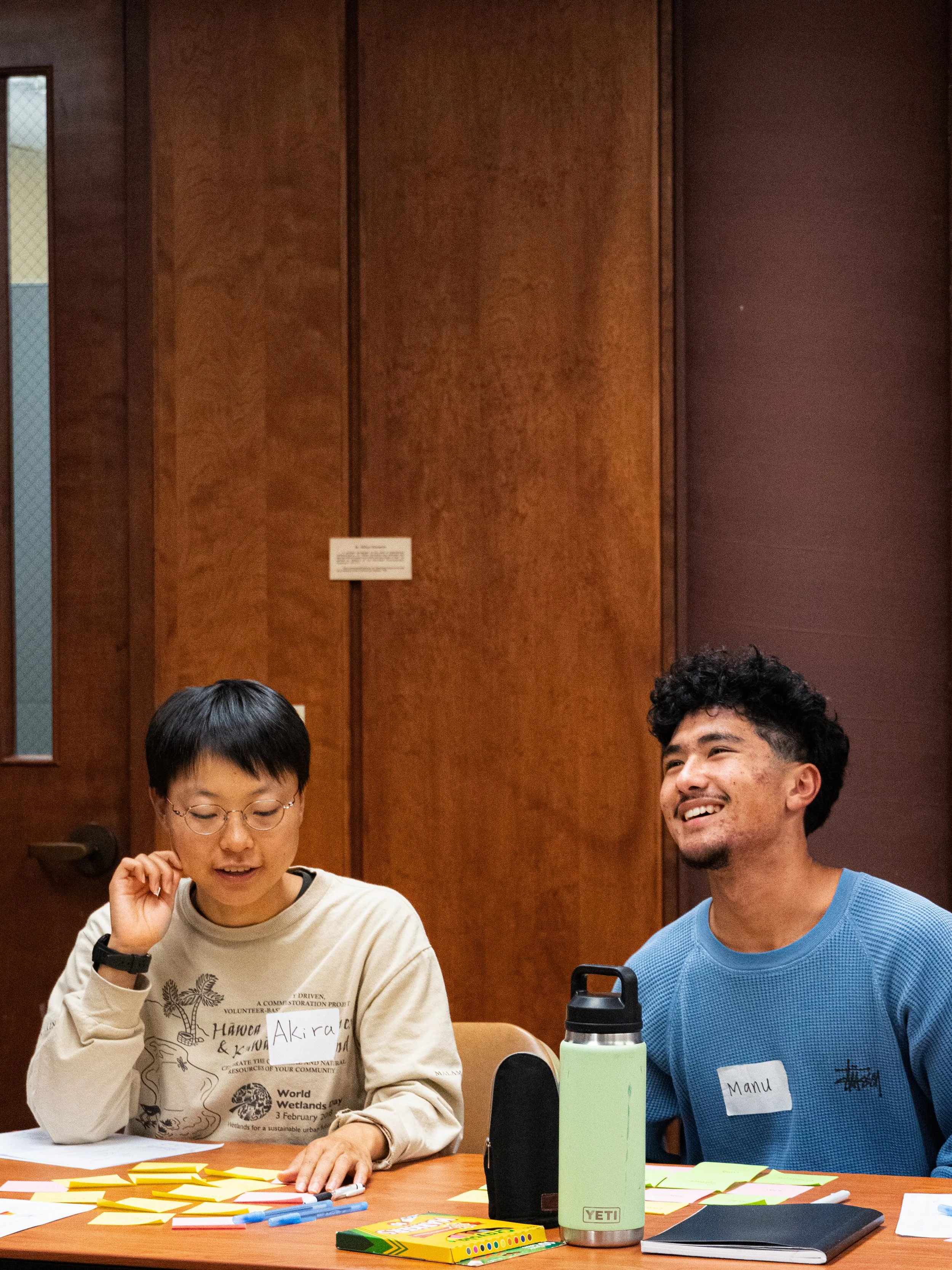
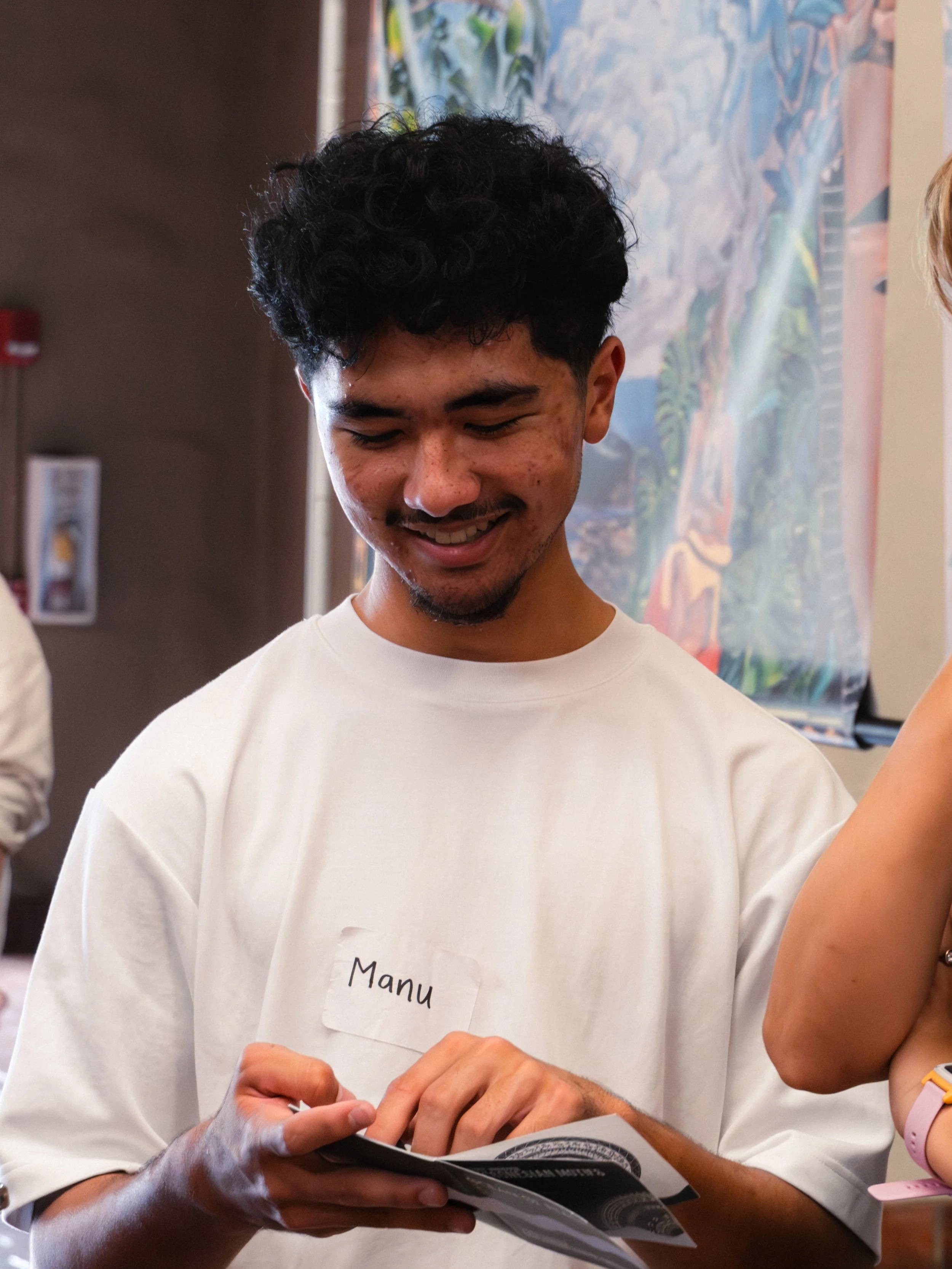
Day One set the foundation. Chi-Yuen Wu and Yen-Wei Pan led the cohort through Taiwan 101 — natural environment, pop culture, and politics. Binbin Laoshi followed with a historical timeline that situated Taiwan's present in the context of its layered past. The guiding questions posted for the cohort that day were not warm-up exercises: How has Taiwan's past shaped the island and its people? How does Taiwan balance and blend heritage with change? Manu Takeshita of King Kekaulike High School captured the effect: "All presenters knew about their topics well and educated us well. I really liked how we learned a lot about the different aspects of life of where we're traveling because it gets us as ready as we can be for the place we're about to enter."
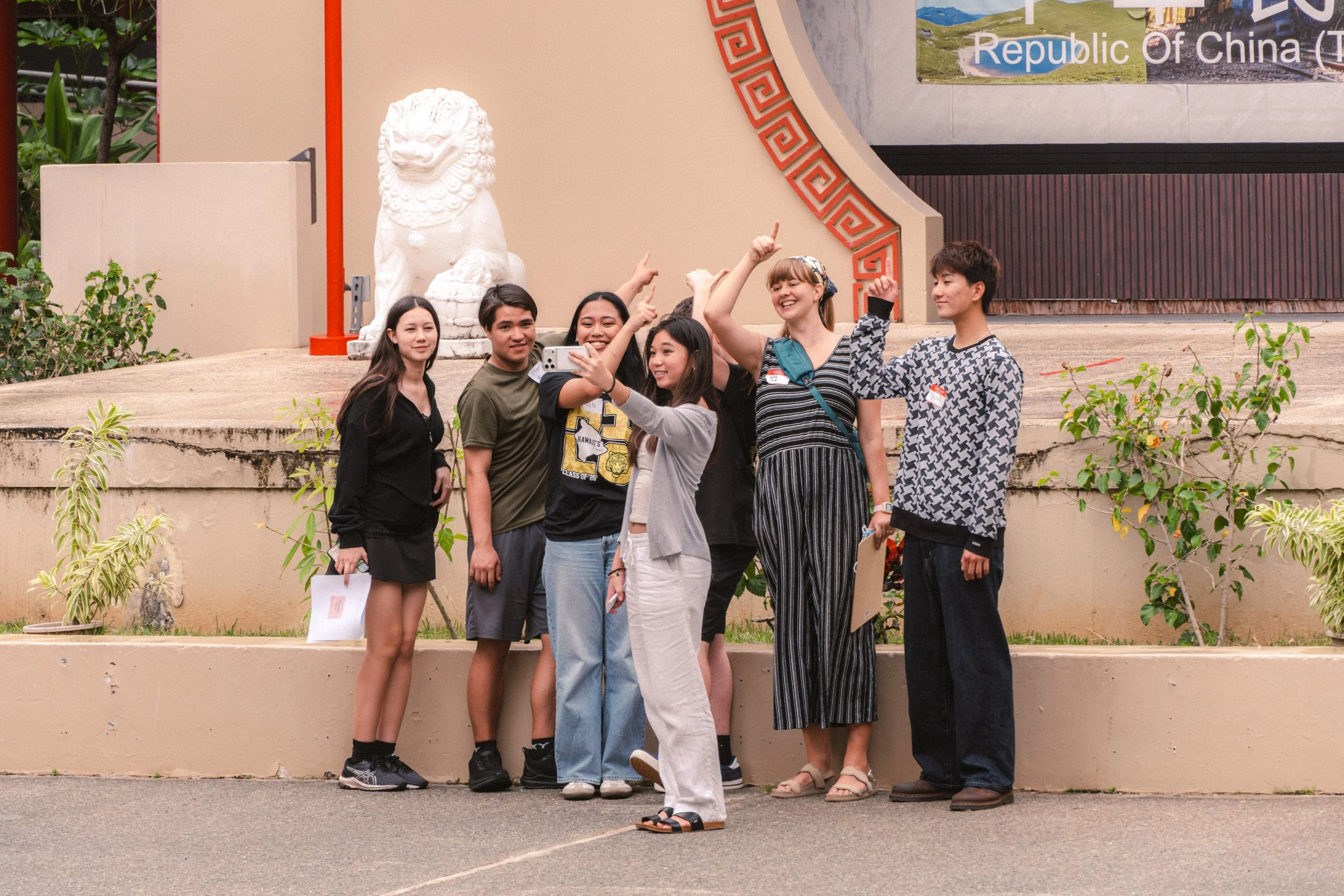
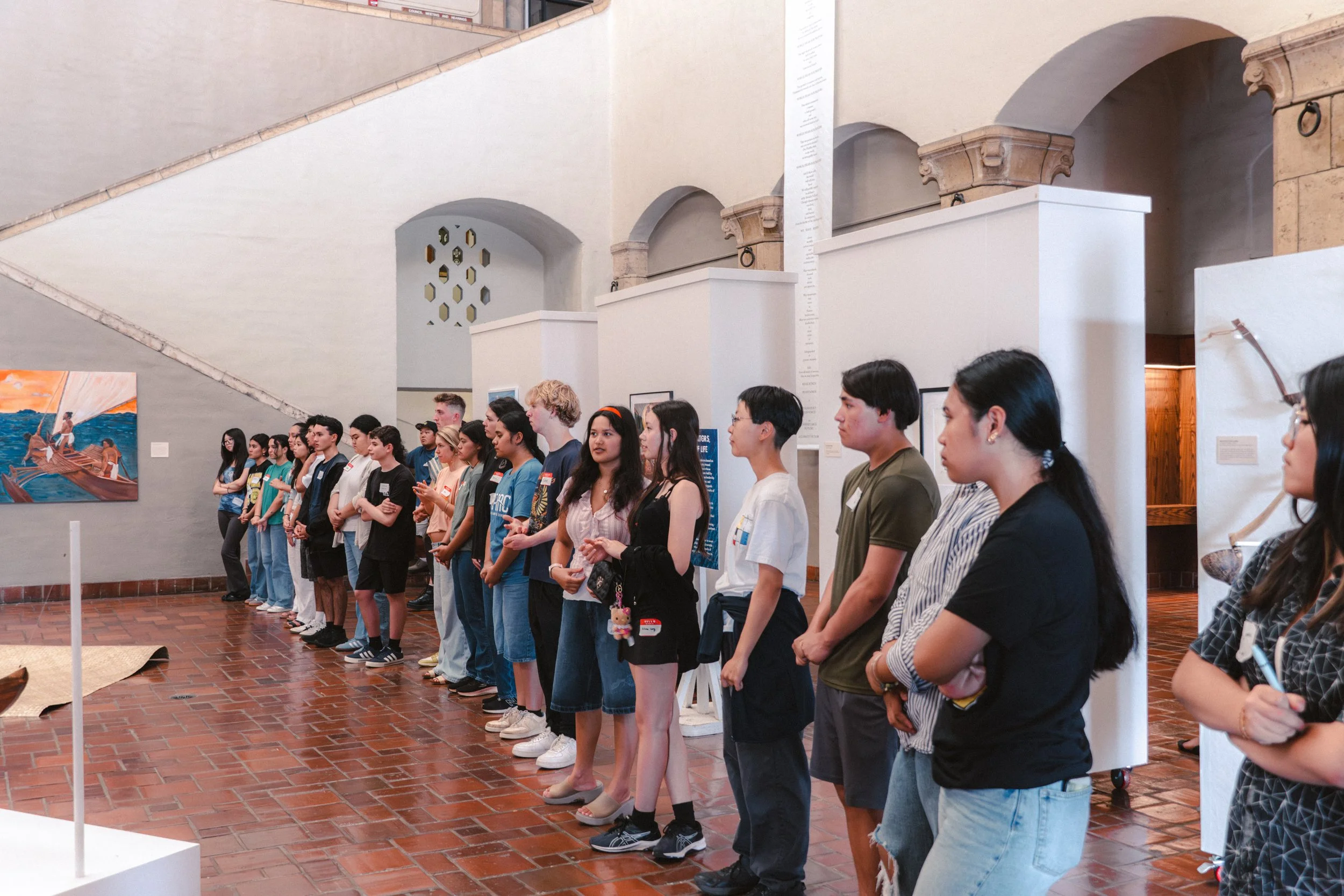
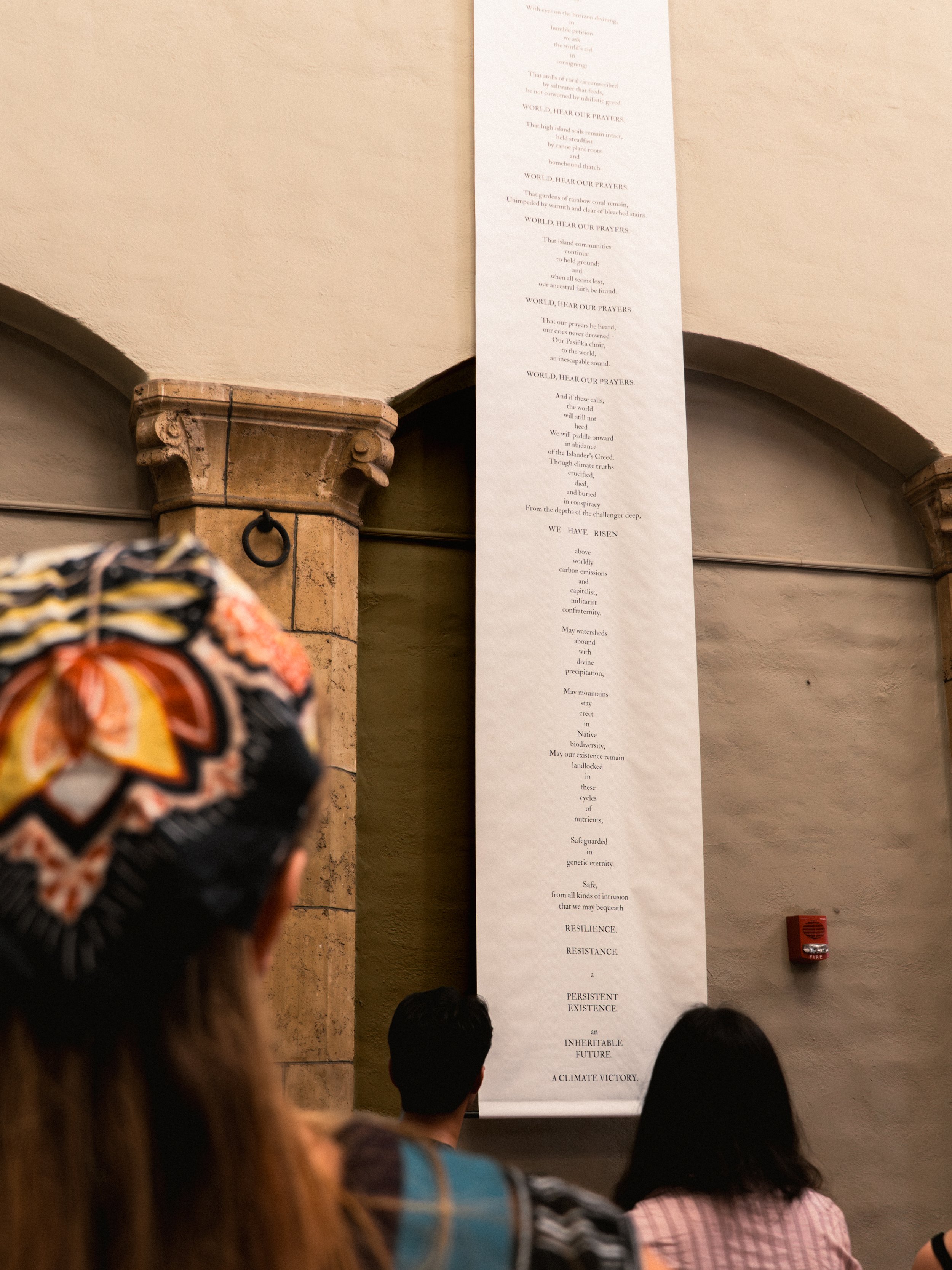
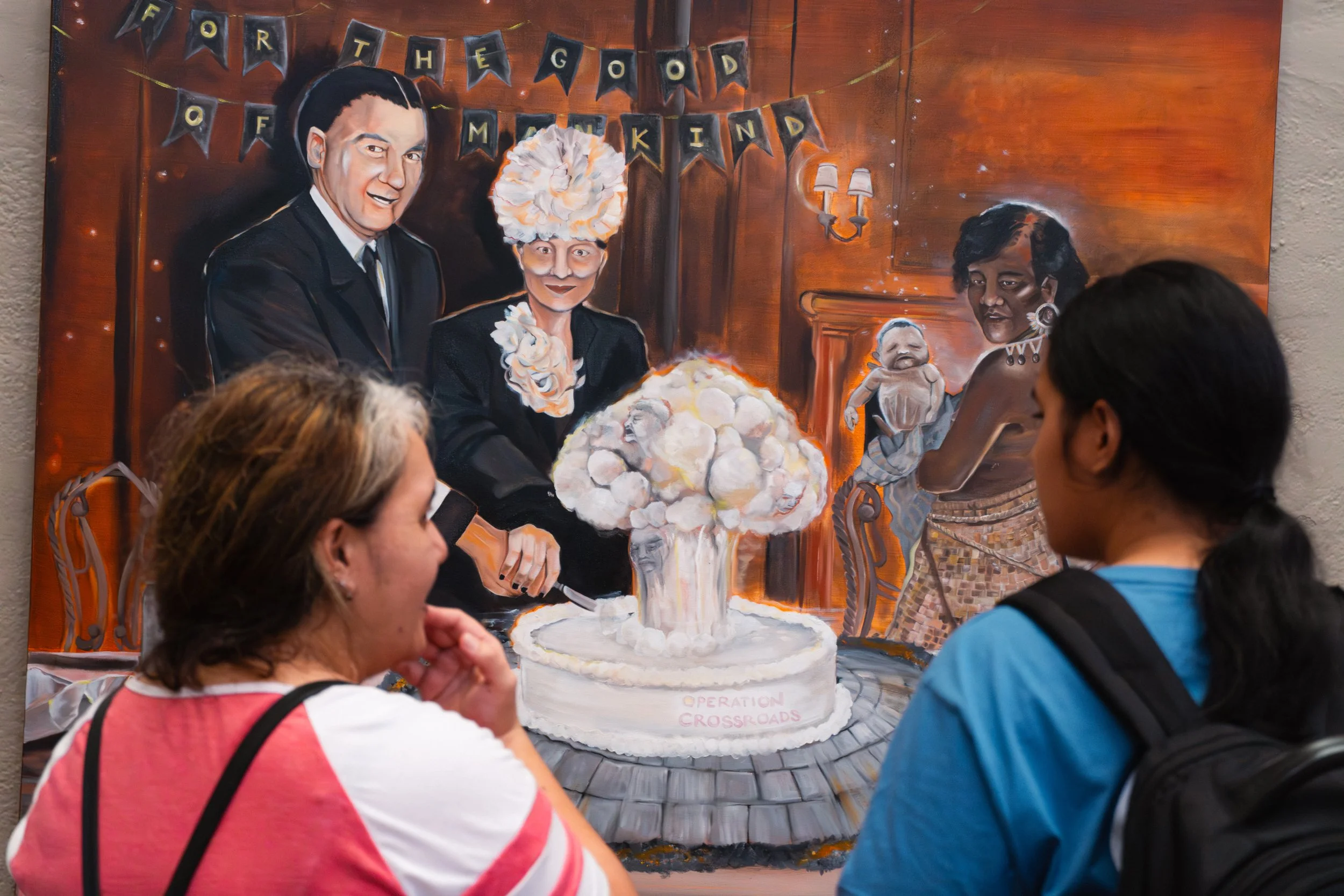
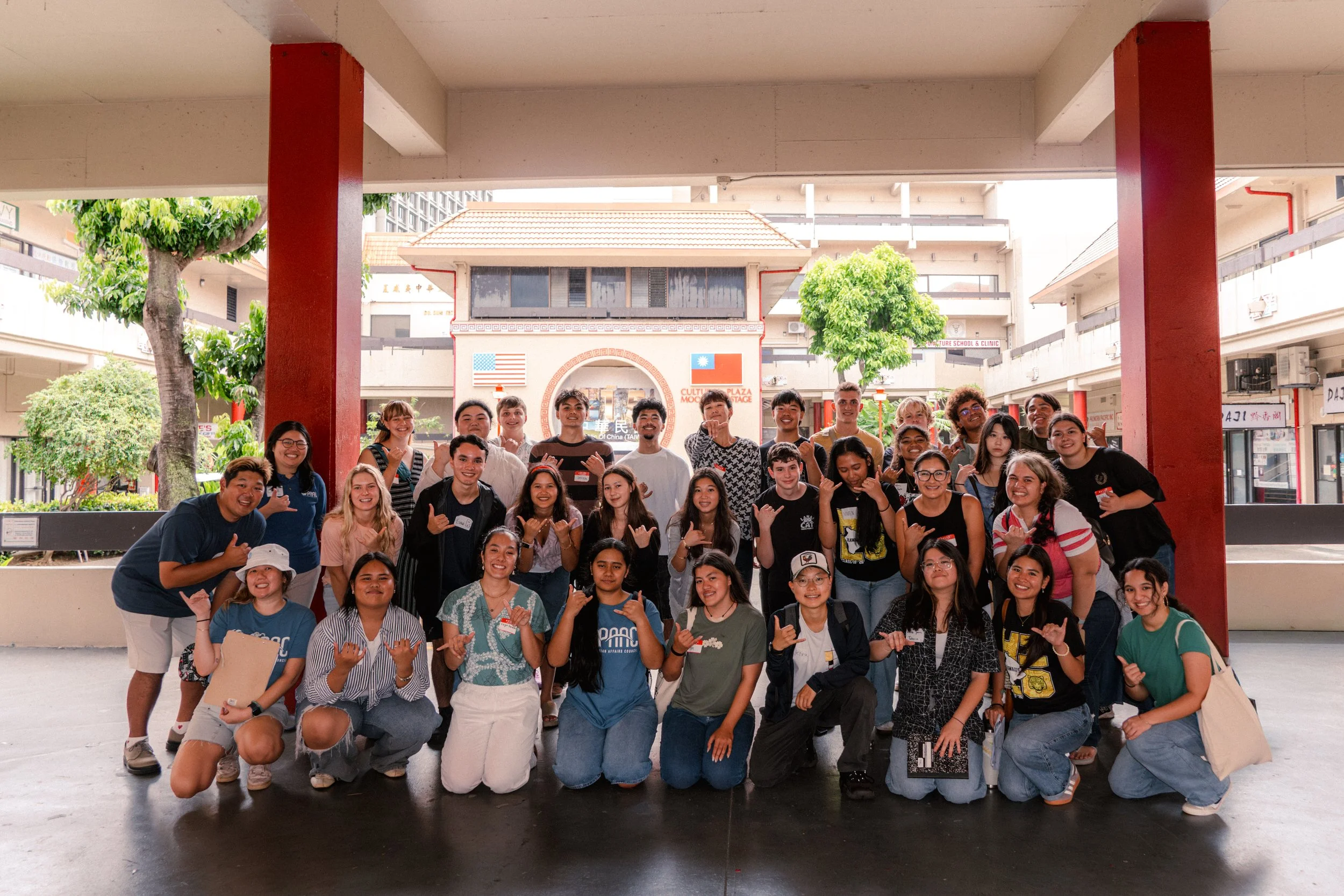
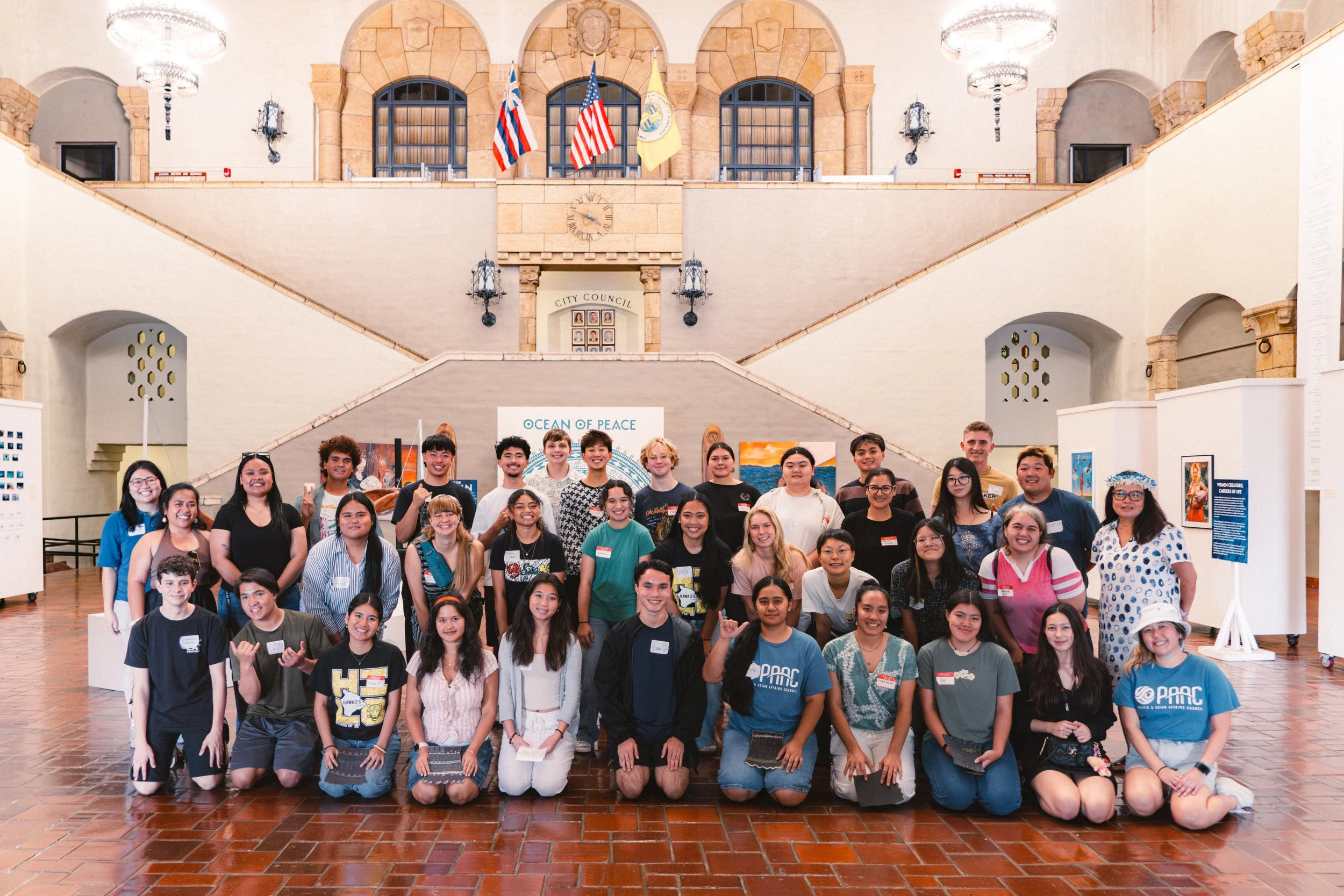
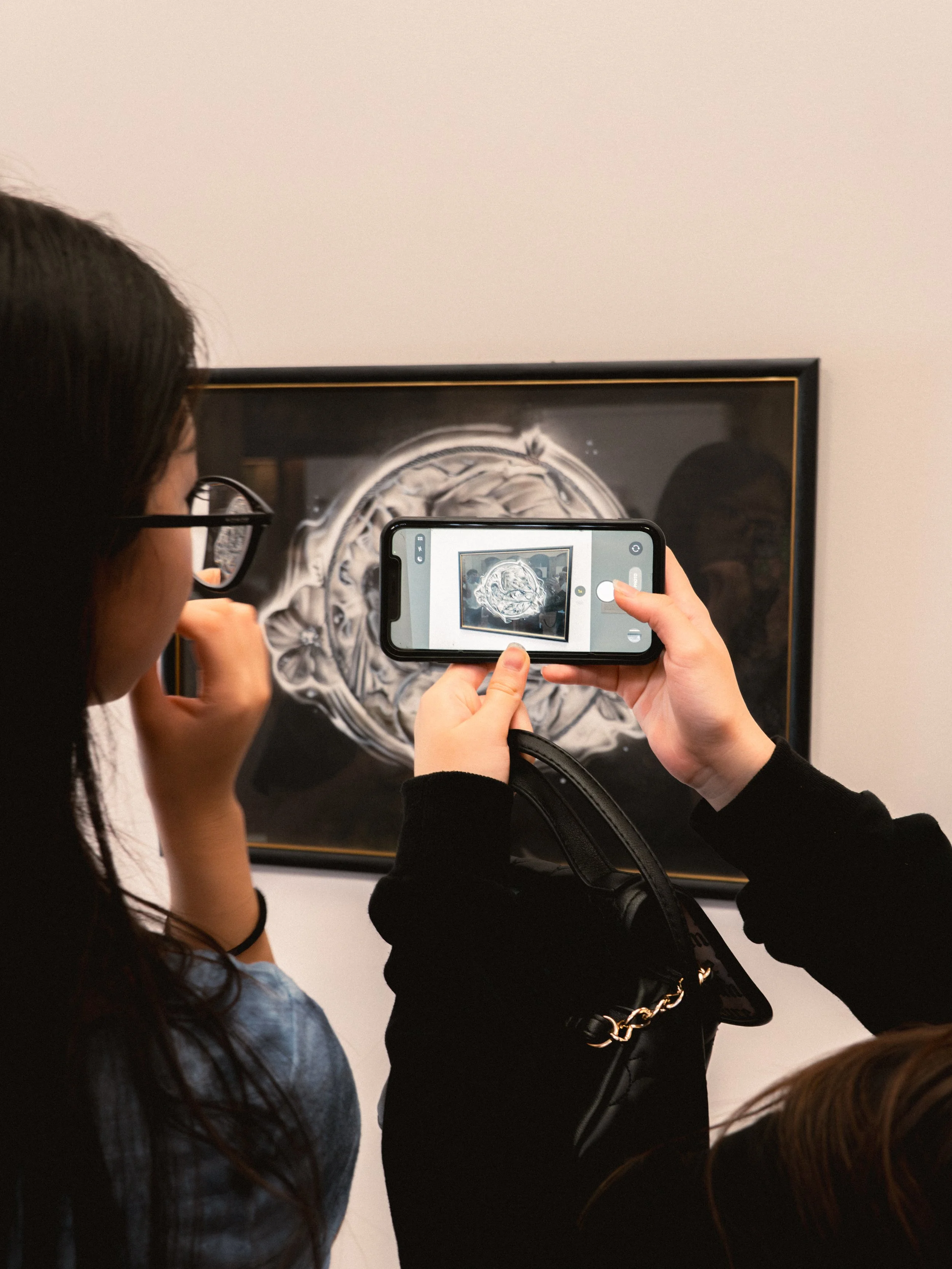
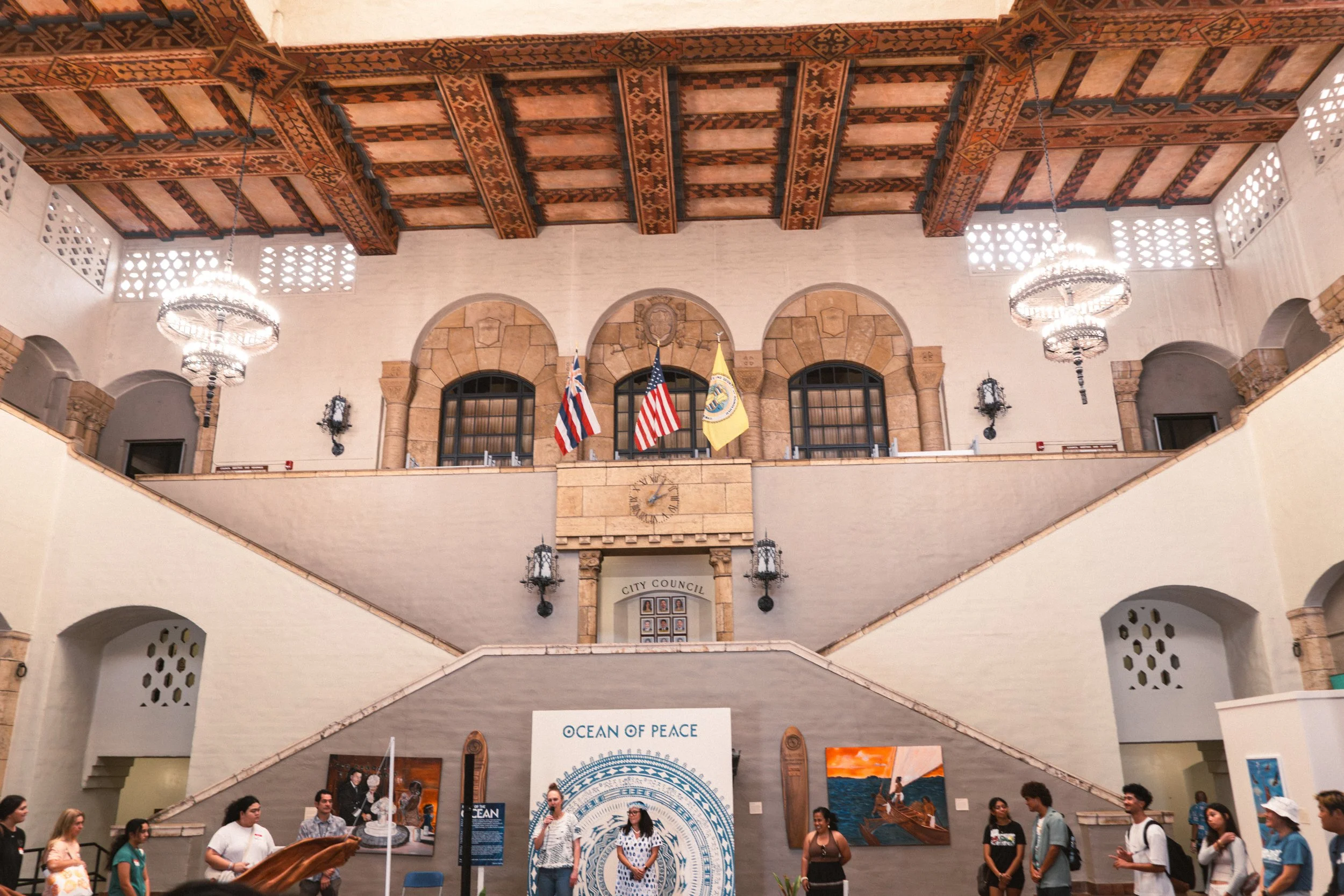
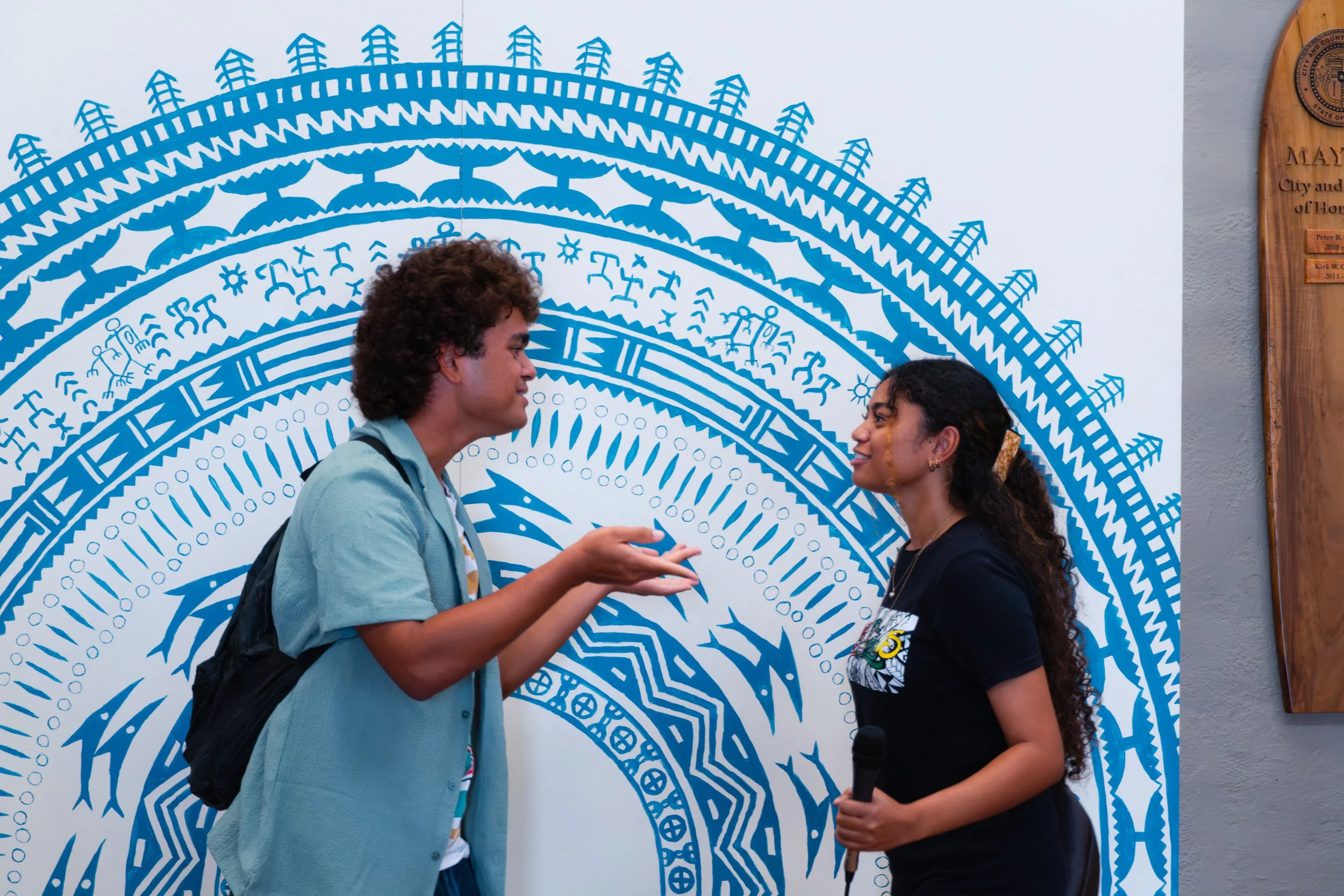
Day Two deepened the work. Betty (Yi-Ting) Liu led the first Mandarin lesson on tones, characters, and the particular challenge of pronunciation that Ellie Takara of Mililani High School described honestly: "I had an epiphany towards the end that the communication portion was actually going to be a struggle for me, like a genuine tourist." Then came lunch with Dr. Yuan-Yu Kwan, who taught the cohort about Taiwan's Austronesian Indigenous peoples and their music, including the story of Macacadaay, a traditional Amis singing style recorded without the original singers' consent and used in a 1990s pop song without credit or royalties. Akira Fujita of Kaiser High School wrote that the story "highlighted the privilege and arrogance of the researching/recording mindset" — and drew the line directly to Hawaiʻi, where hula has faced its own history of commodification. That afternoon, students walked through the "Oceans of Peace" exhibit at Honolulu Hale, where Micronesian artists had gathered work depicting the Pacific's shared history of colonization, resilience, and ocean stewardship. Then a scavenger hunt through Chinatown's Chinese Cultural Plaza — one of Honolulu's oldest immigrant neighborhoods — put field-note observation skills into practice. Jariya Baum of Punahou Schools left with a question that stayed with her: as the Cultural Plaza faces demolition, she wrote, "how many people will be affected? Who decides what replaces it?"
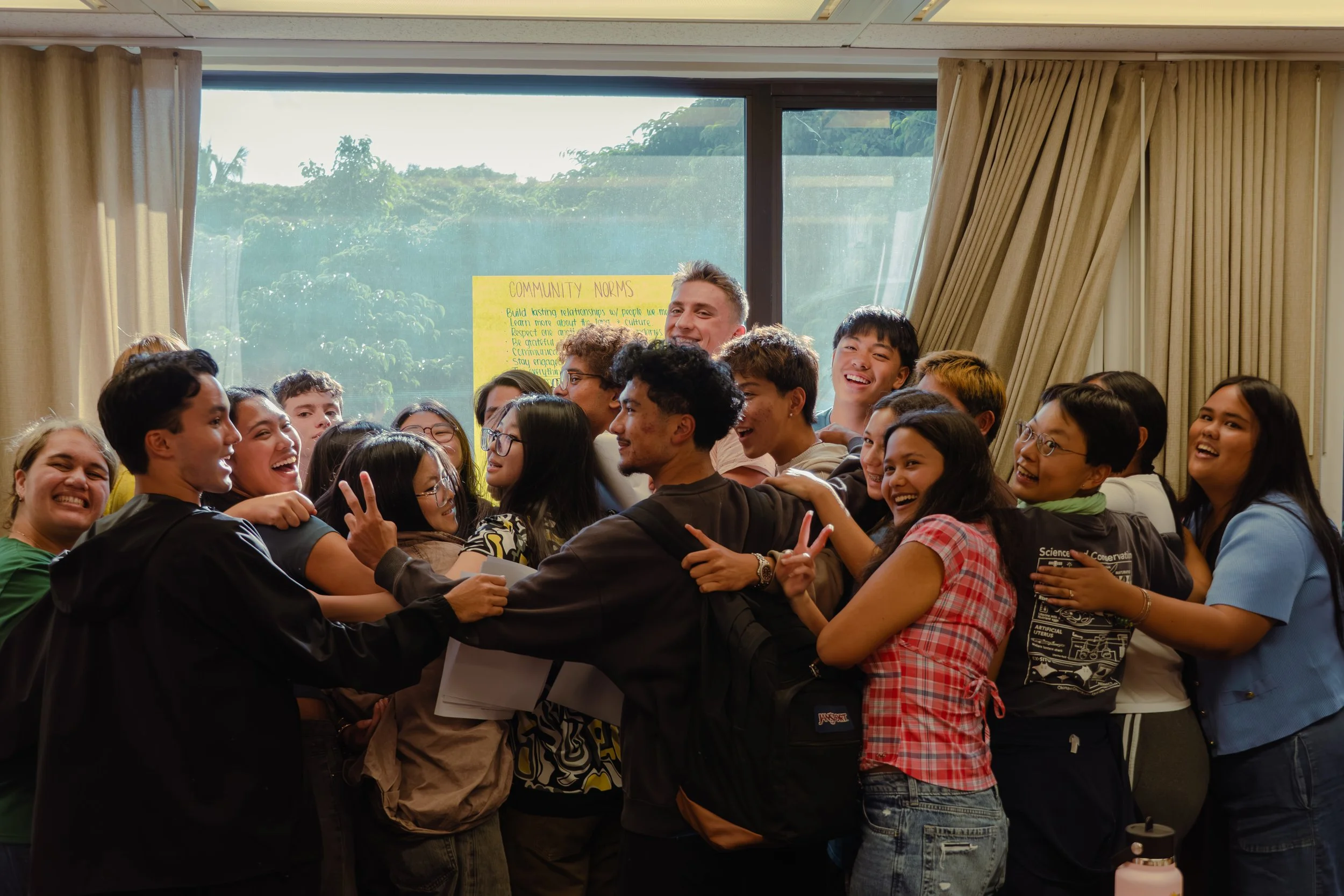
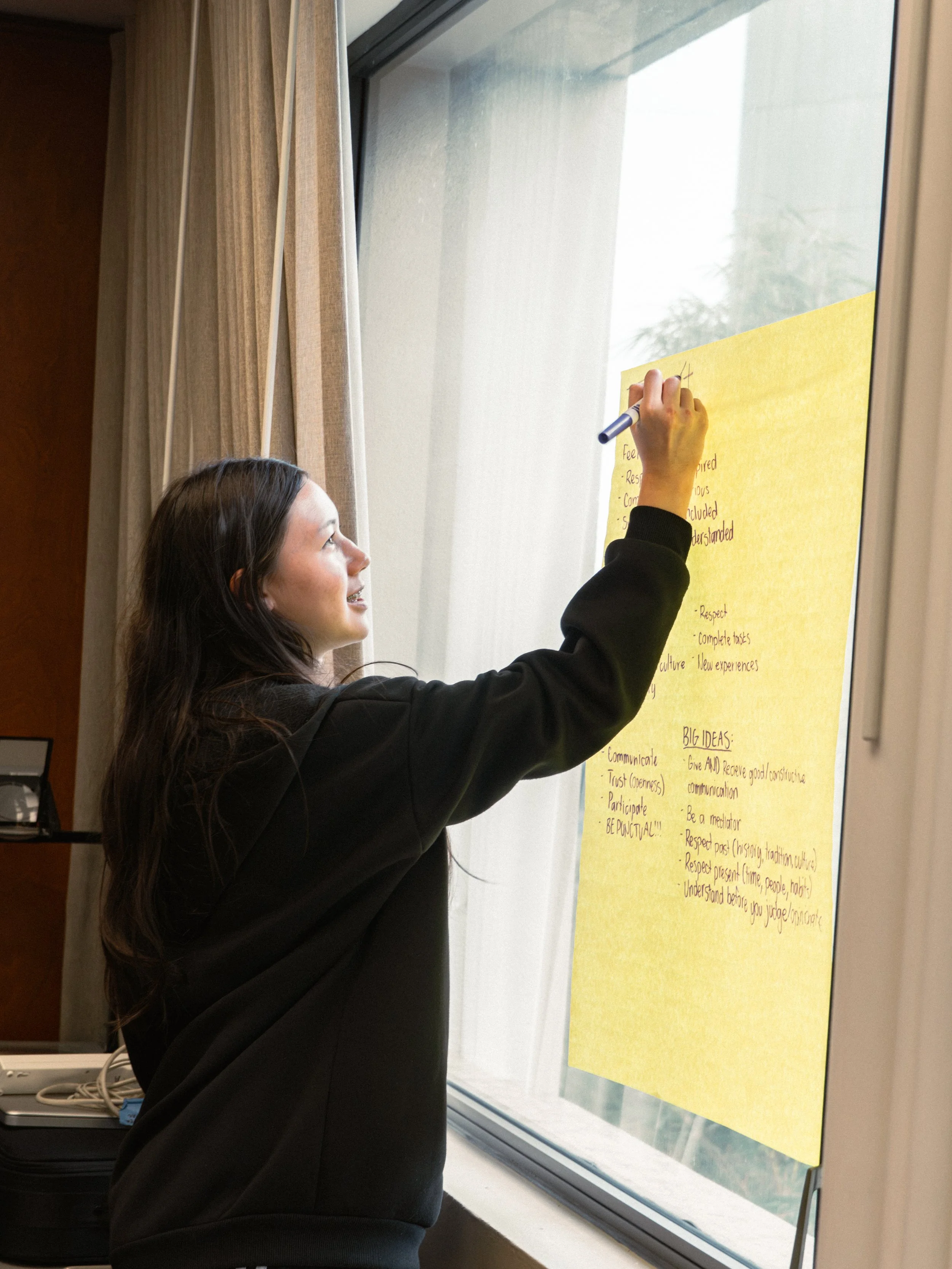
Day Three closed with Mandarin practice, roommate scenarios, and the co-creation of community norms — the practical and human work of preparing eighteen individuals to travel as one.
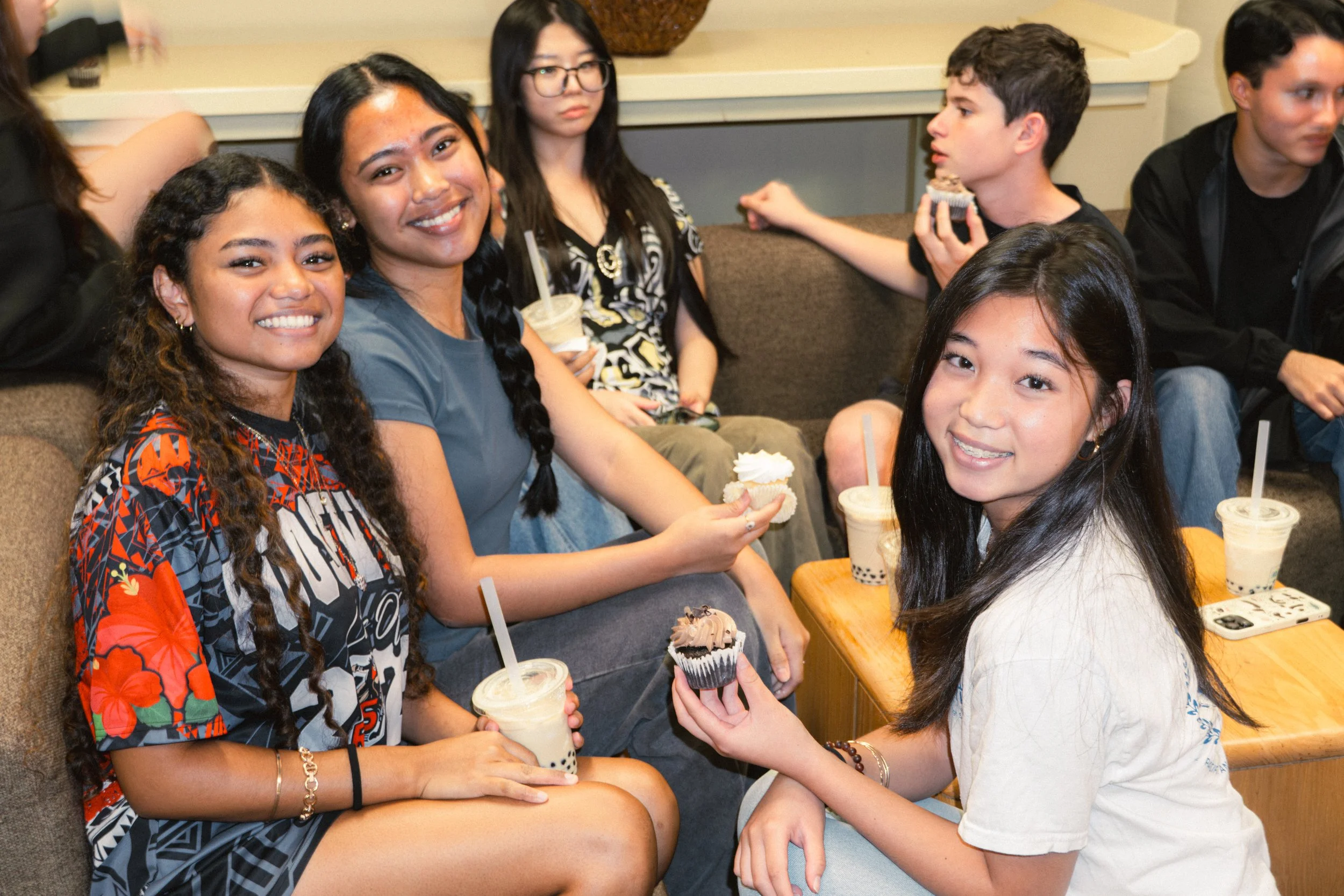
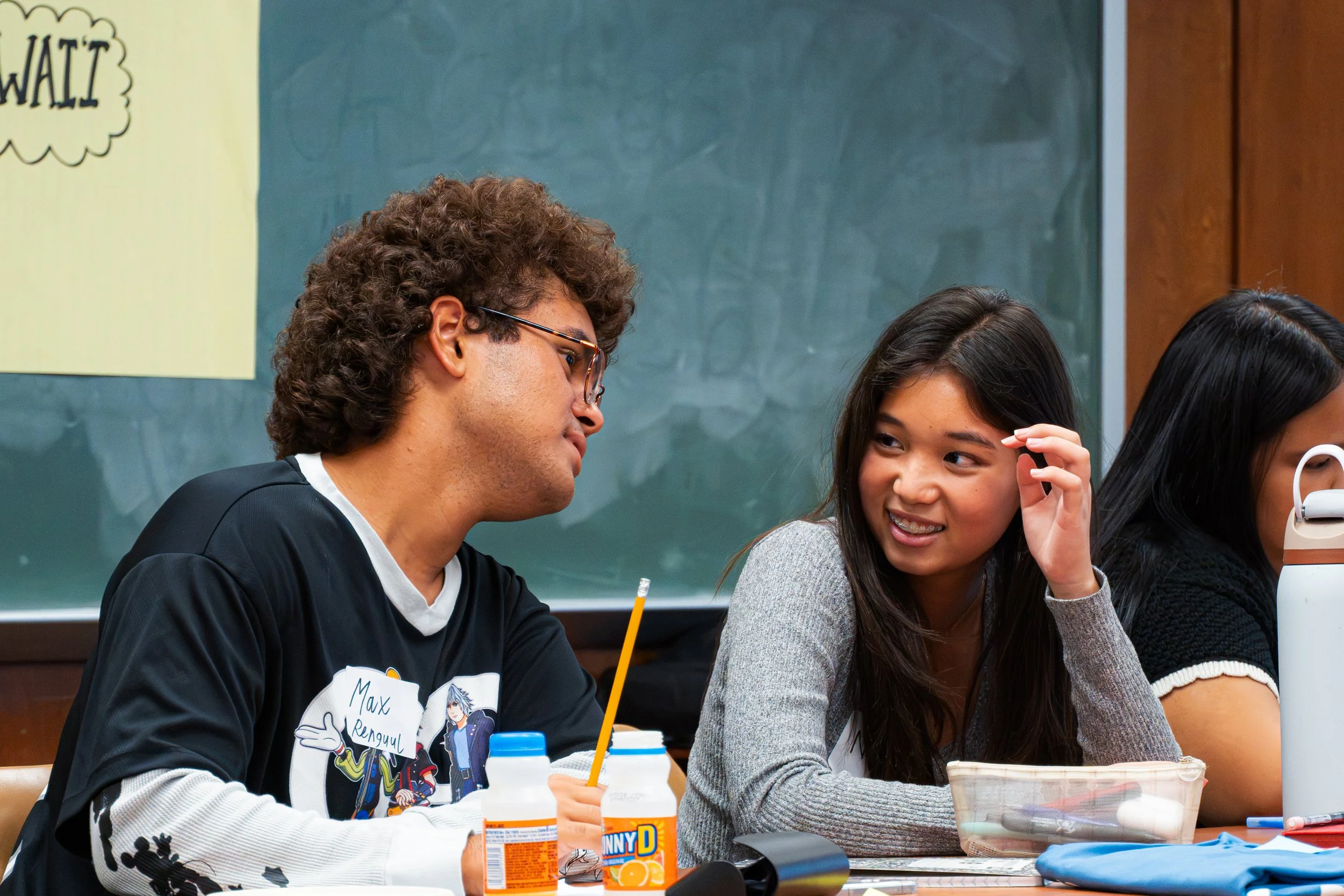
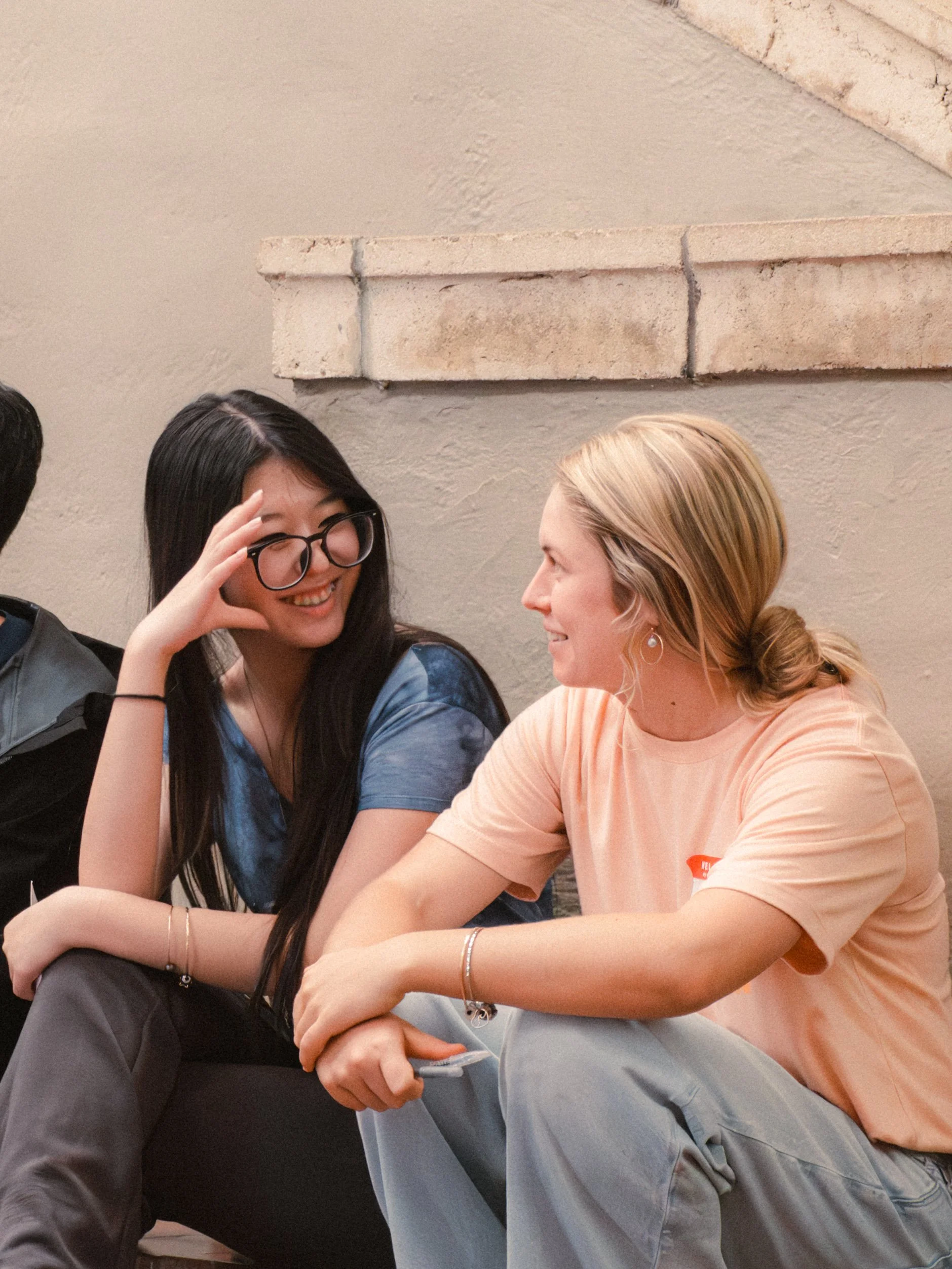
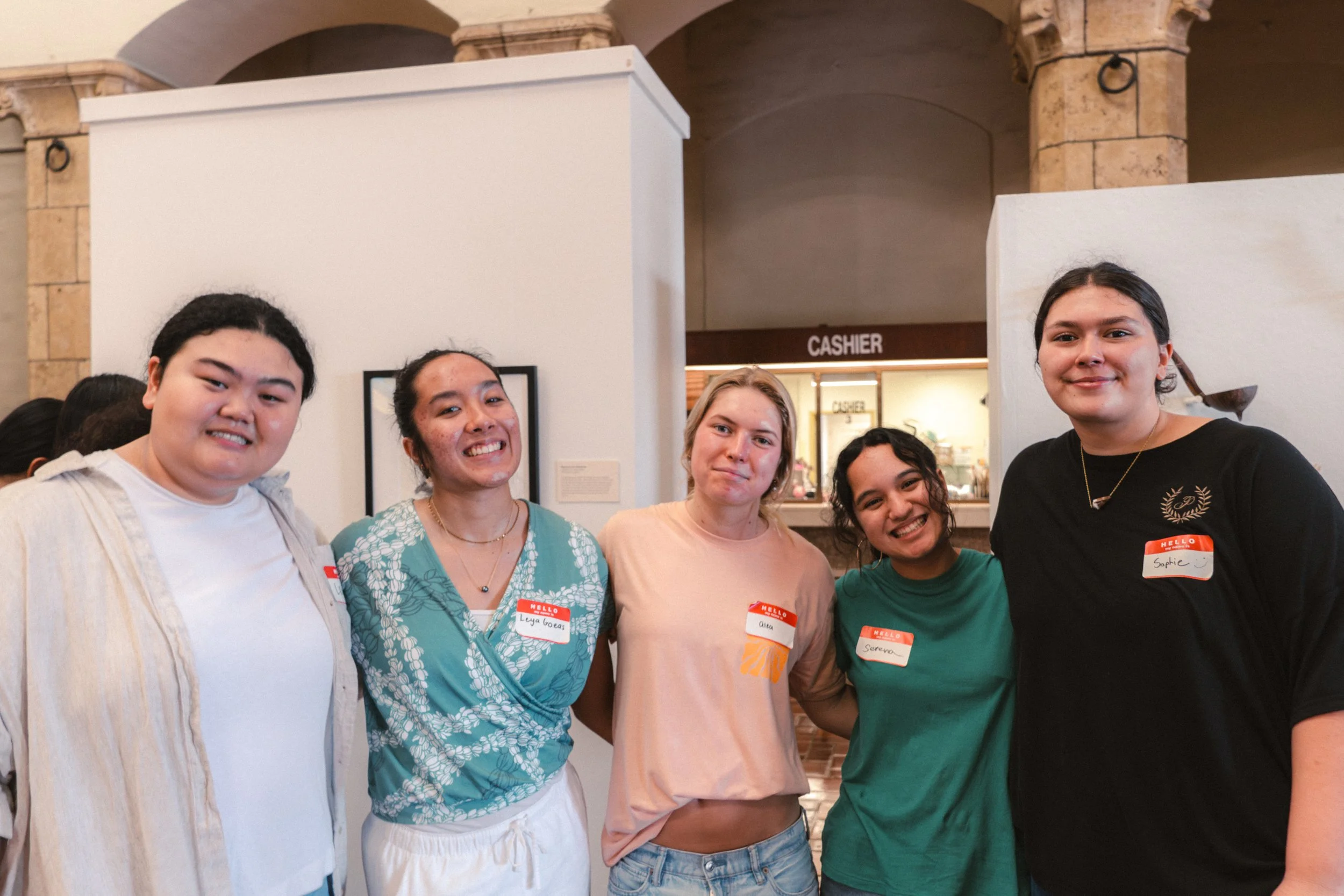
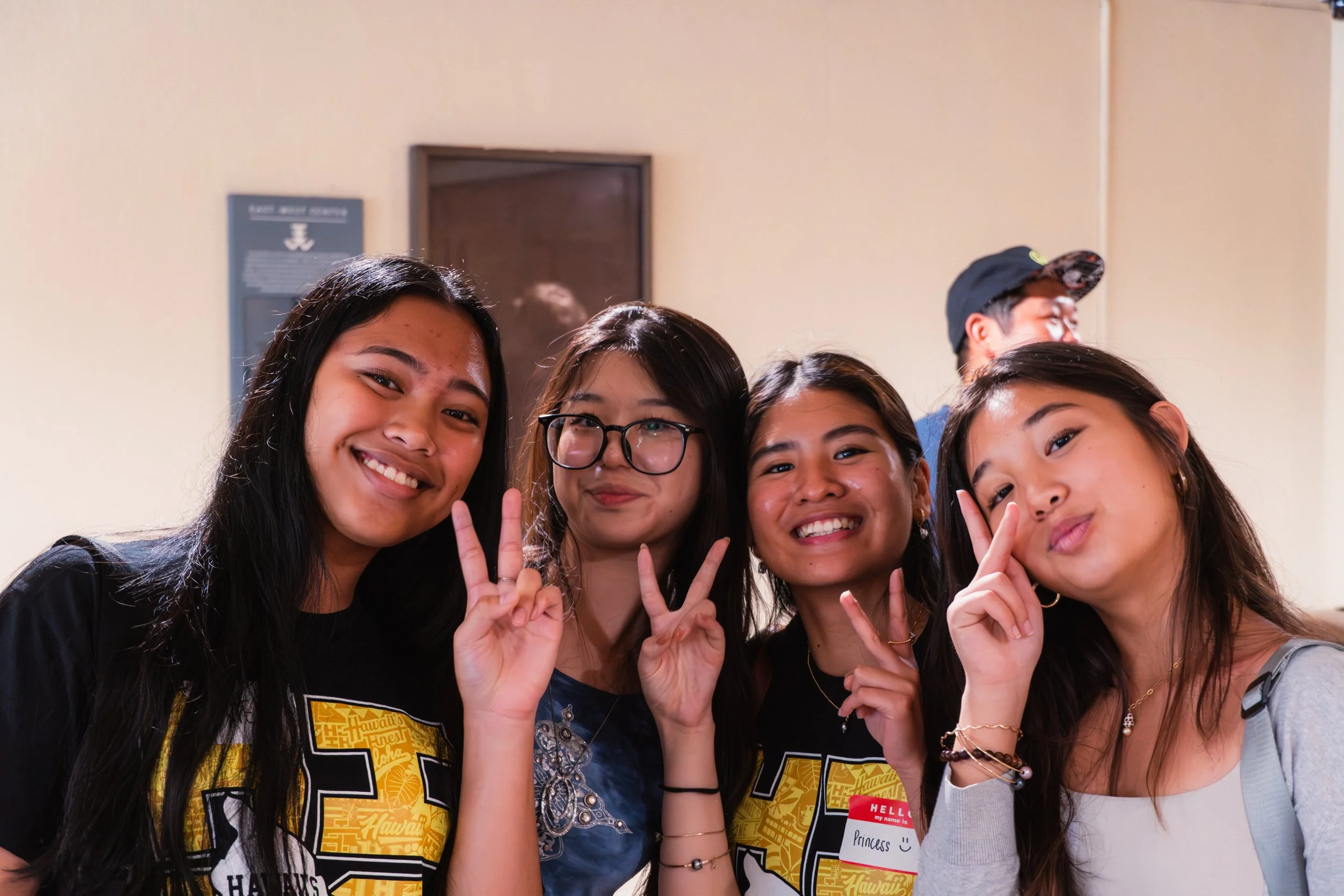
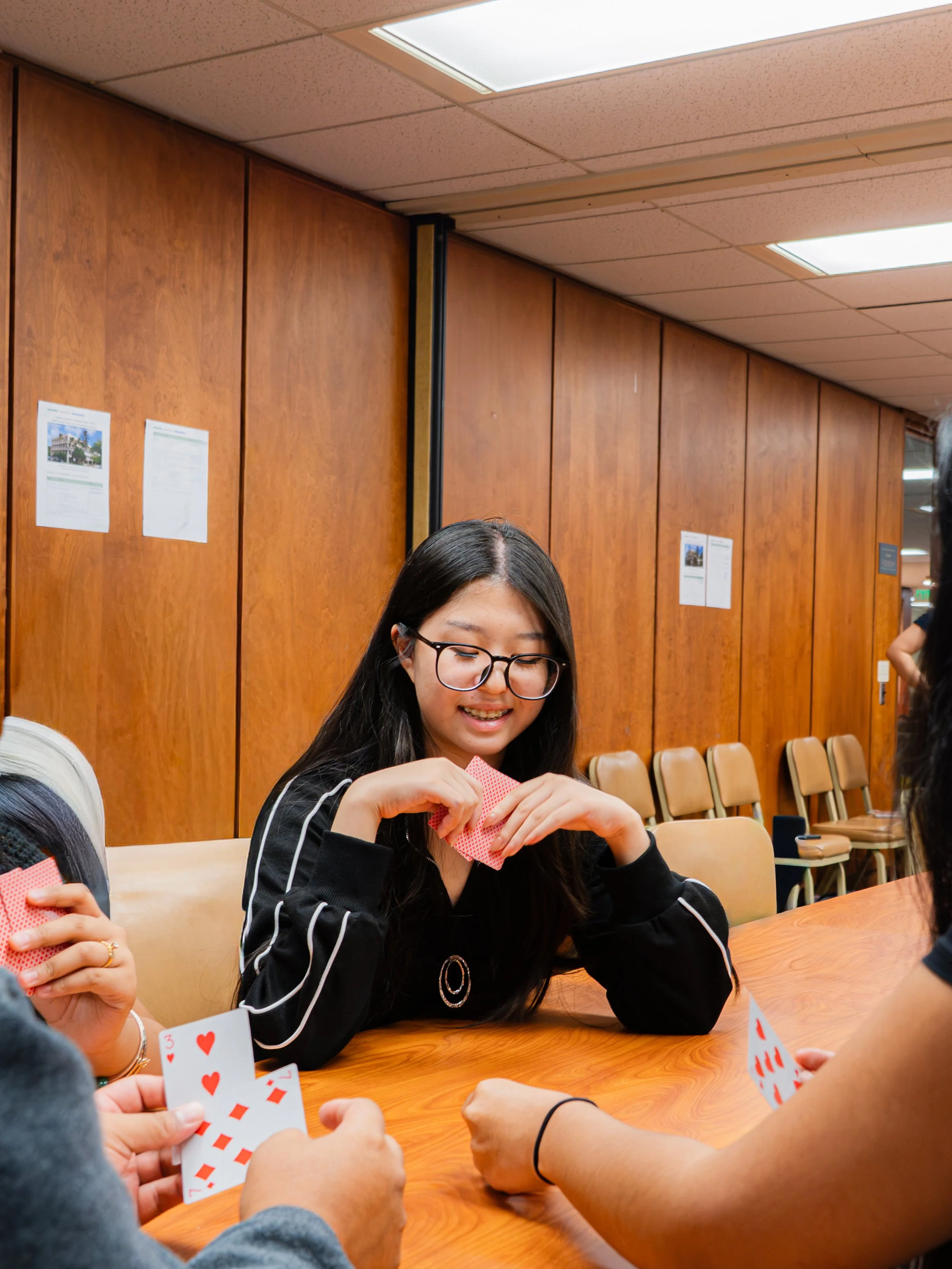
By the end, students weren't just oriented. They were connected. "I feel like I can talk to every single one of them without it being awkward," wrote Max Renguul of Campbell High School. "Getting to know more people in that sense feels very fulfilling."
They were also carrying questions that only Taiwan can answer. Anika Joy Cortez of Waipahu High School listed hers carefully in her field notes: How does Taiwan maintain its indigenous heritage despite limited recognition by its government? How does the mix of Indigenous, Hakka, and Chinese cultures influence the current way of life? Those are not questions a classroom can resolve. They are exactly the kind of questions that make a study tour matter.
The Freeman Summer Study Tour to Taiwan departs this summer. Follow along at paachawaii.org — and share this story with someone who believes Hawaiʻi's future belongs to students who ask hard questions before they even leave home.
