
A First Crossing: PAAC Brings Hawaiʻi Students to Palau for the First Time
Eight days in Palau. A traditional canoe. A chant at the taro patch. And one connected ocean Community.
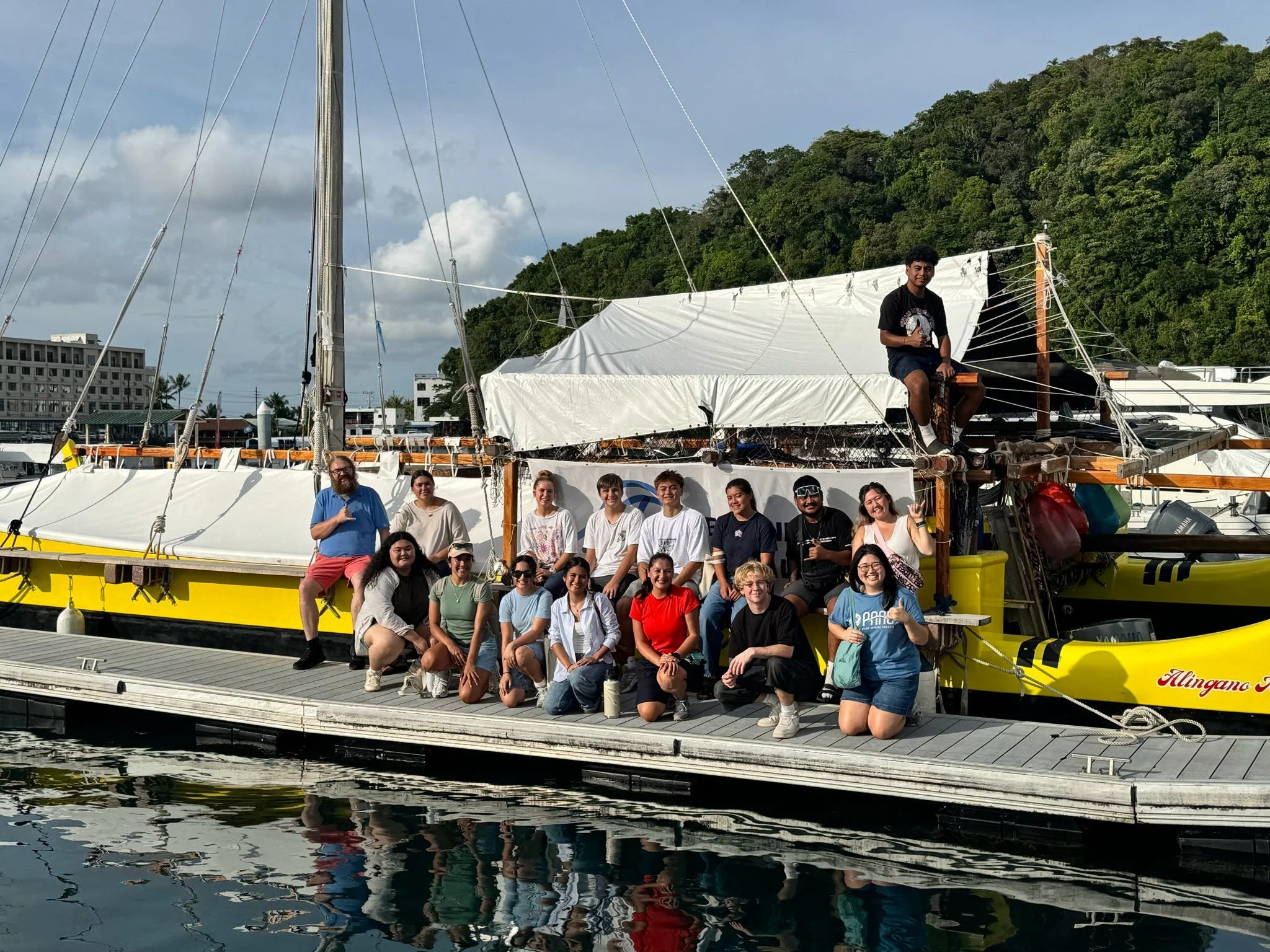
Serena Duarte (Kamehameha Schools Kapālama) stood at the bow of the Alingano Maisu, the voyaging canoe of Master Navigator Mau Piailug's family, and tied a knot. She had been voluntold, she said later. But she wanted to do it. And as her hands worked the line, she felt something she would spend the rest of the trip trying to name: the sense that she was bridging her knowledge of Hawaiian navigation with what Moss Sewralur, Mau's grandson, was passing to them here, in Palau, across thousands of miles of shared ocean. "I felt super grounded doing it," she wrote. "I was bridging two of the cultures I feel the most connection to."
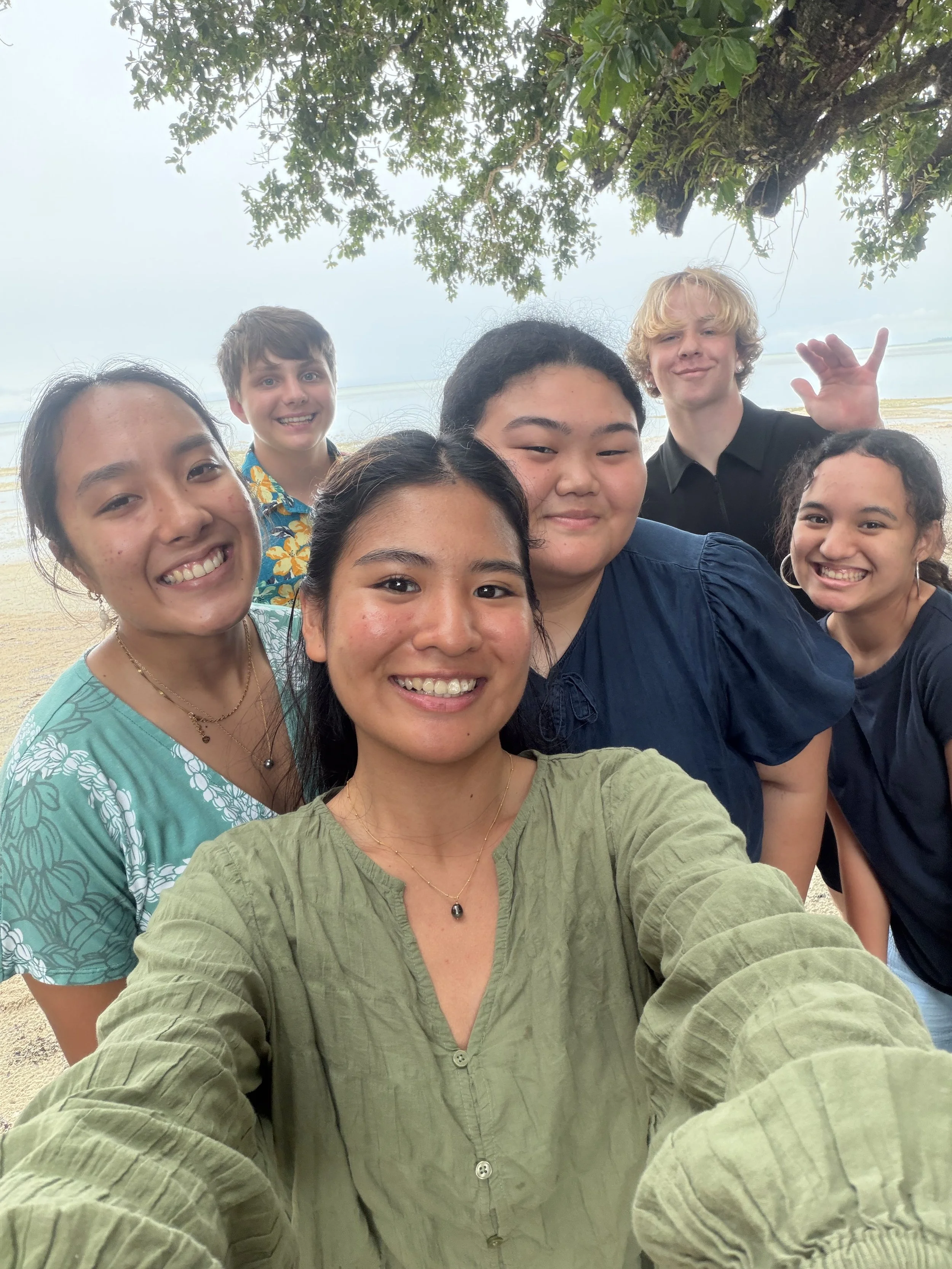
That moment, a student from Hawaiʻi tying a knot on a Micronesian voyaging canoe as her first act in Palau, is as good a summary of PAAC's inaugural Takitani Summer Study Tour as any. This past June, ten students from schools across the state spent eight days in Palau under the theme "Honoring Oceans, Inspiring Change," organized by PAAC in partnership with Ivory Vogt and EmeralDreams Palau. What followed was not a tour of Palau's highlights. It was an immersion into a community that had been waiting, in some ways, to meet them.
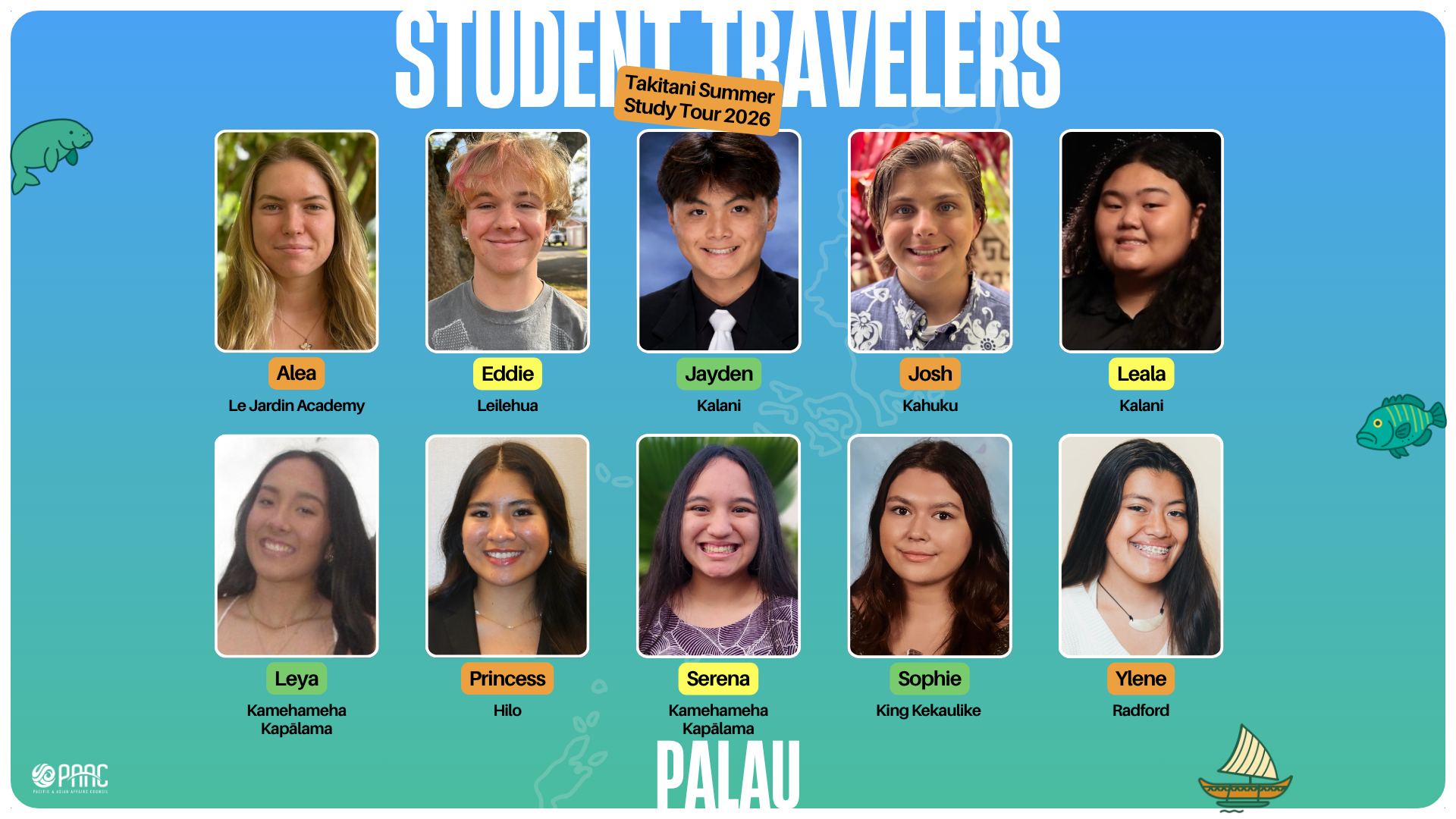
The very first Hawaiʻi high school student delegation to Palau included Alea Jaeger (Le Jardin Academy), Eddie Anderson (Leilehua High School), Jayden Tran (Kalani High School), Josh Neel (Kahuku High School), Leala Florendo (Kalani High School), Leya Goeas (Kamehameha Schools Kapālama), Princess Kaitlyn Mangoba (Hilo High School), Serena Duarte (Kamehameha Schools Kapālama), Sophie Toro (King Kekaulike High School), and Ylene Reid-Selth (Radford High School).
Traditional Navigation
Their first full day in Palau took the students onto the water aboard the Alingano Maisu with Moss Sewralur and Wayne Adelbai of the Micronesian Voyaging Society. They learned how navigators read the wind, waves, and stars, practiced tying a bowline, and took turns working the canoe’s steering paddle. For Sophie Toro (King Kekaulike High School), who had learned about Master Navigator Mau Piailug and his role in revitalizing traditional Hawaiian voyaging, it was an “honor to meet his grandson, talk and ask questions with him.”
The experience grounded students in the importance of passing traditional knowledge from one generation to the next. It also introduced an idea they would encounter throughout the week. Hawaiʻi and Palau may be separated by thousands of miles, but the ocean has long carried knowledge, traditions, and relationships between Pacific peoples. Rather than dividing them, the ocean connects them.
Partnerships in the Pacific
The connections students encountered on the water extended beyond shared traditions. Throughout the next day, they saw how relationships and cooperation shape Palau at the international, community, and environmental levels. At the U.S. Embassy, they explored Palau’s relationship with the United States and its place in the wider world, while also getting a glimpse into careers in international affairs. Later, over a traditional lunch prepared by Airai’s women’s cheldebechel group at the historic Airai Bai, they learned about relationships among Palau’s different states and communities.
At the Palau International Coral Reef Center, those ideas extended to one of the challenges island communities share: protecting the ocean. Students learned about the science behind Palau’s marine conservation efforts and the role cooperation plays in addressing environmental challenges that cross borders. Jayden Tran (Kalani High School) was struck by Palau’s “leadership and action towards sustainability and honoring the ocean,” a reminder that conservation, like diplomacy, depends on communities and countries learning from one another.
Ocean Conservation
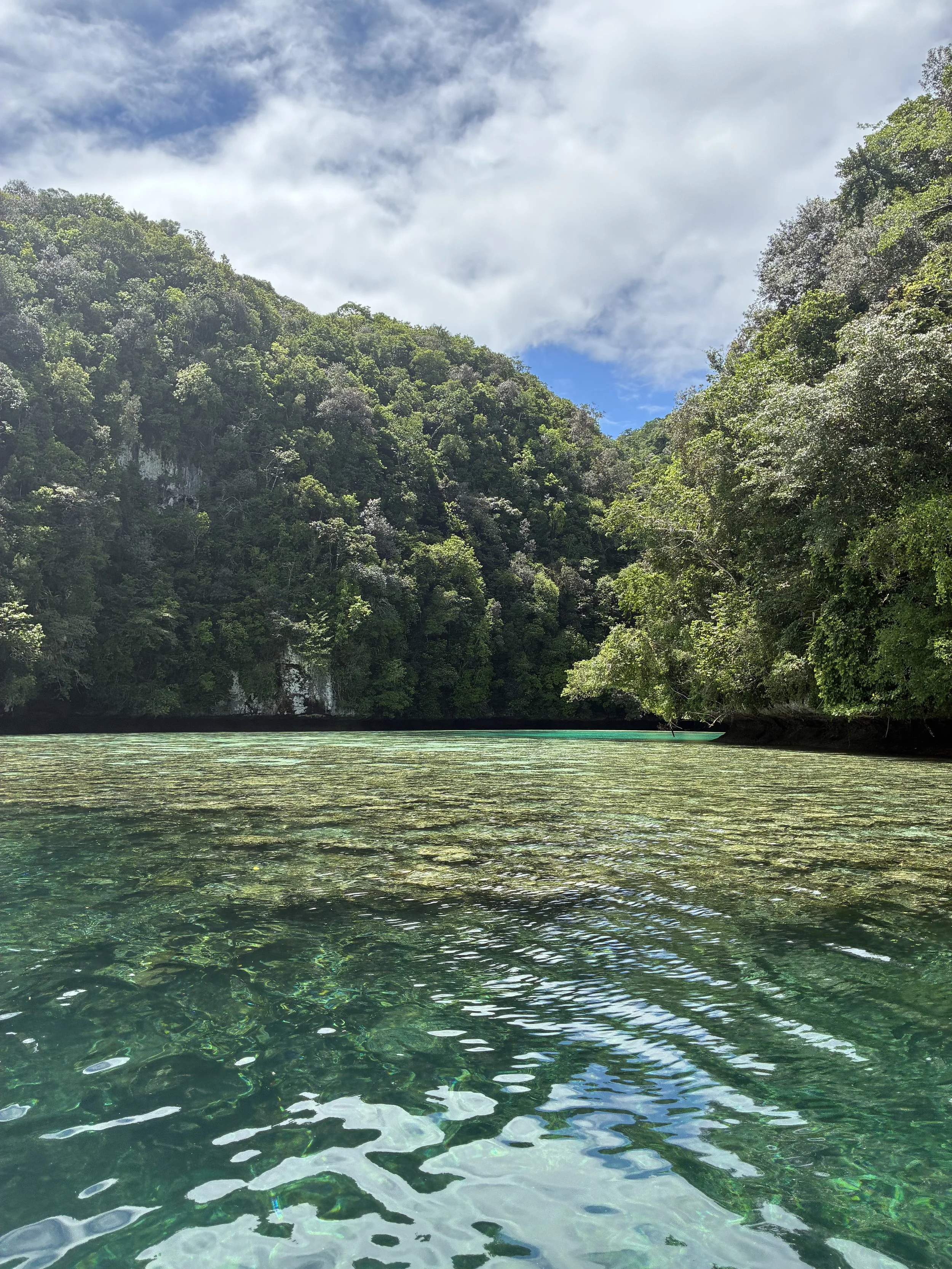
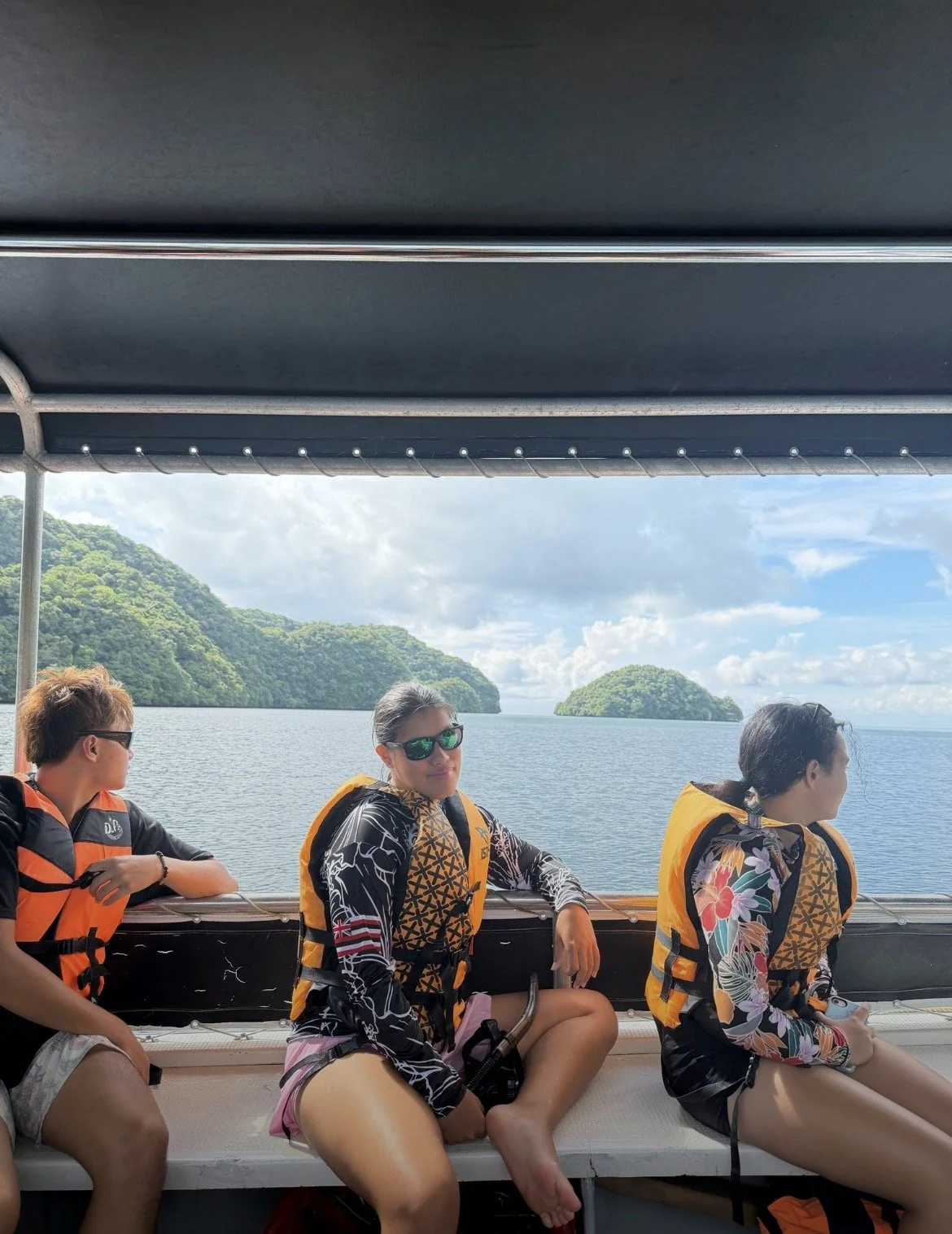
Palau’s marine ecosystems were no longer something students were simply reading about. After studying the country’s inner and outer reefs at the Palau International Coral Reef Center the day before, they headed out with Palau Blue Tours to experience the outer reef for themselves. They spent the day exploring the Rock Islands, snorkeling above thriving reefs and alongside blacktip reef sharks at Shark City, playfully covering themselves in the Milky Way’s naturally occurring white limestone mud, and discovering a World War II shipwreck that had become home to new marine communities beneath the surface.
For Alea Jaeger (Le Jardin Academy), the experience left her “totally speechless.” She described the scenery as “jaw-droppingly stunning,” but what stayed with her was seeing firsthand the positive effects of Palau’s conservation efforts. She left the Rock Islands feeling “blessed and privileged” and wrote that she “will forever be grateful.”
Education and Building Island Connections
Students also had opportunities to look toward Palau’s future through the young people helping shape it. After touring Palau Community College and learning about its programs, they joined students their own age at Palau High School for an exchange organized by Reng Collective. Together, they compared what it means to grow up on islands, discovering experiences that felt familiar alongside differences that challenged their assumptions. For Princess Kaitlyn Mangoba (Hilo High School) and Eddie Anderson (Leilehua High School), meeting students already contributing to their communities offered a glimpse into the future of both Palau and Hawaiʻi, and the role education and young leaders will play in shaping it.
That evening, the connections became even more personal at the Micronesian Film Festival organized by Create Belau. Students watched three films exploring Palauan culture, the ocean, and Micronesian identity, culminating with Remathau, which follows Dr. Nicole Yamase, the first Micronesian to descend to Challenger Deep in the Mariana Trench. Several students left the theater in tears. Nicole’s story resonated deeply, particularly as they reflected on the need for greater recognition and representation of Micronesians in Hawaiʻi and the significance of seeing a Micronesian woman accomplish something no Micronesian had done before.
Modern and Traditional Leadership
In Melekeok, students explored how Palau’s government brings together modern democratic institutions and traditional practices. At the Capitol in Ngerulmud, they met with staff from the Office of the President and learned how culture, data, and different ways of knowing inform decision-making. Sitting at the same table where foreign officials had recently met with Palauan leaders made the world of diplomacy and international affairs feel suddenly more tangible.
Not far away, students encountered another place where decisions have been made for generations: the Melekeok Bai, a traditional men’s meeting house that few outsiders are permitted to enter. Before stepping inside, Serena Duarte (Kamehameha Schools Kapālama) led the group in the Hawaiian chant E Hō Mai, asking for wisdom and knowledge as men from the community gathered to watch. Kenley Kenneth of Reng Collective later shared that the moment gave him chicken skin. For Serena, the day opened up new possibilities: “I definitely hope to work in an interconnected field like those in Palau’s government.”
Exploring Food Systems
In Ngchesar State, students explored how Palauan communities have long used the land and ocean to sustain themselves. Traditional fish cultivation reminded Leya Goeas (Kamehameha Schools Kapālama) of Hawaiʻi’s loko iʻa, with both working with natural processes to catch fish, while the village’s taro patches introduced students to varieties different from those they knew at home. The similarities offered another glimpse into how island communities have developed their own approaches to living sustainably with the resources around them.
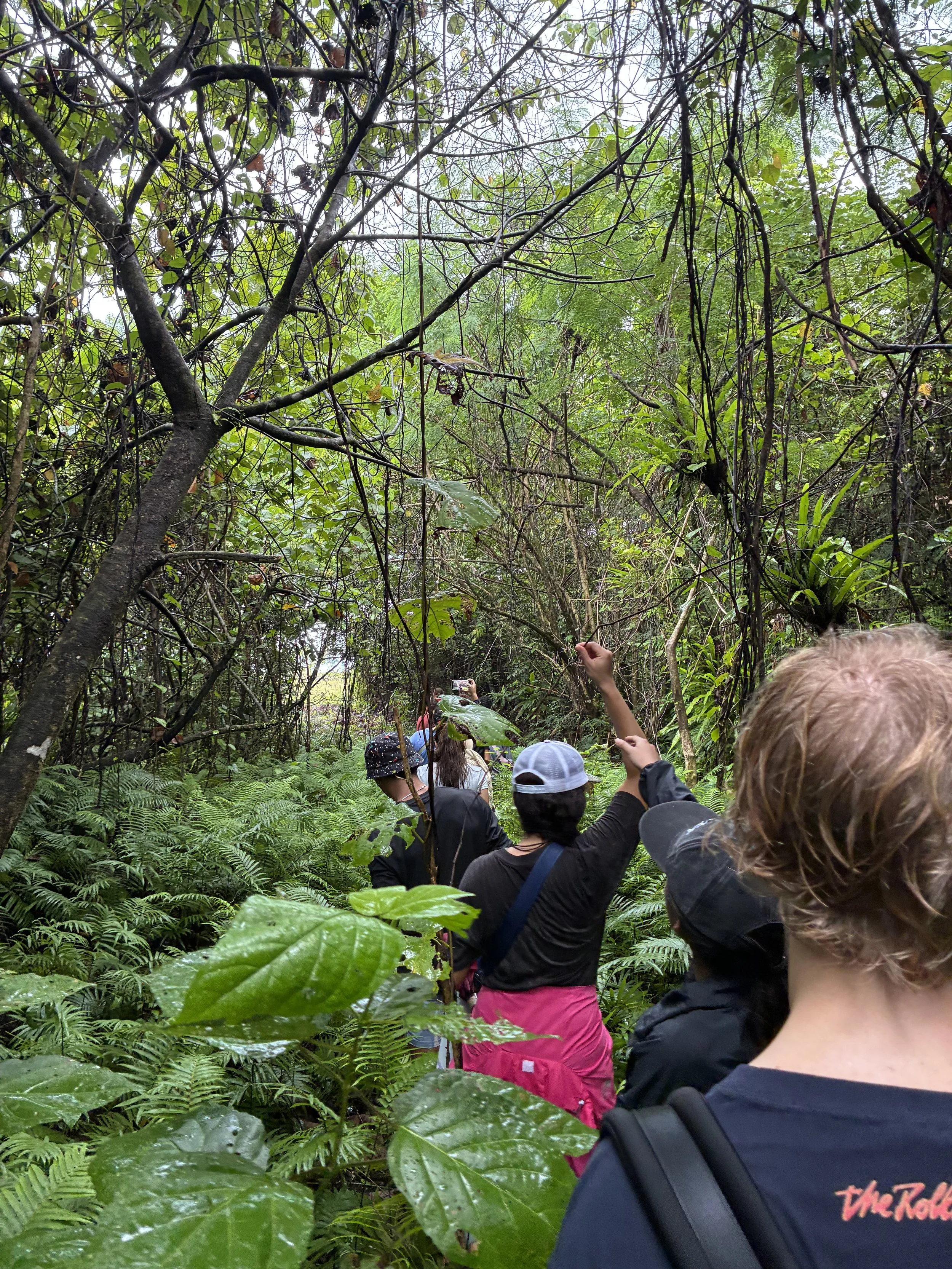
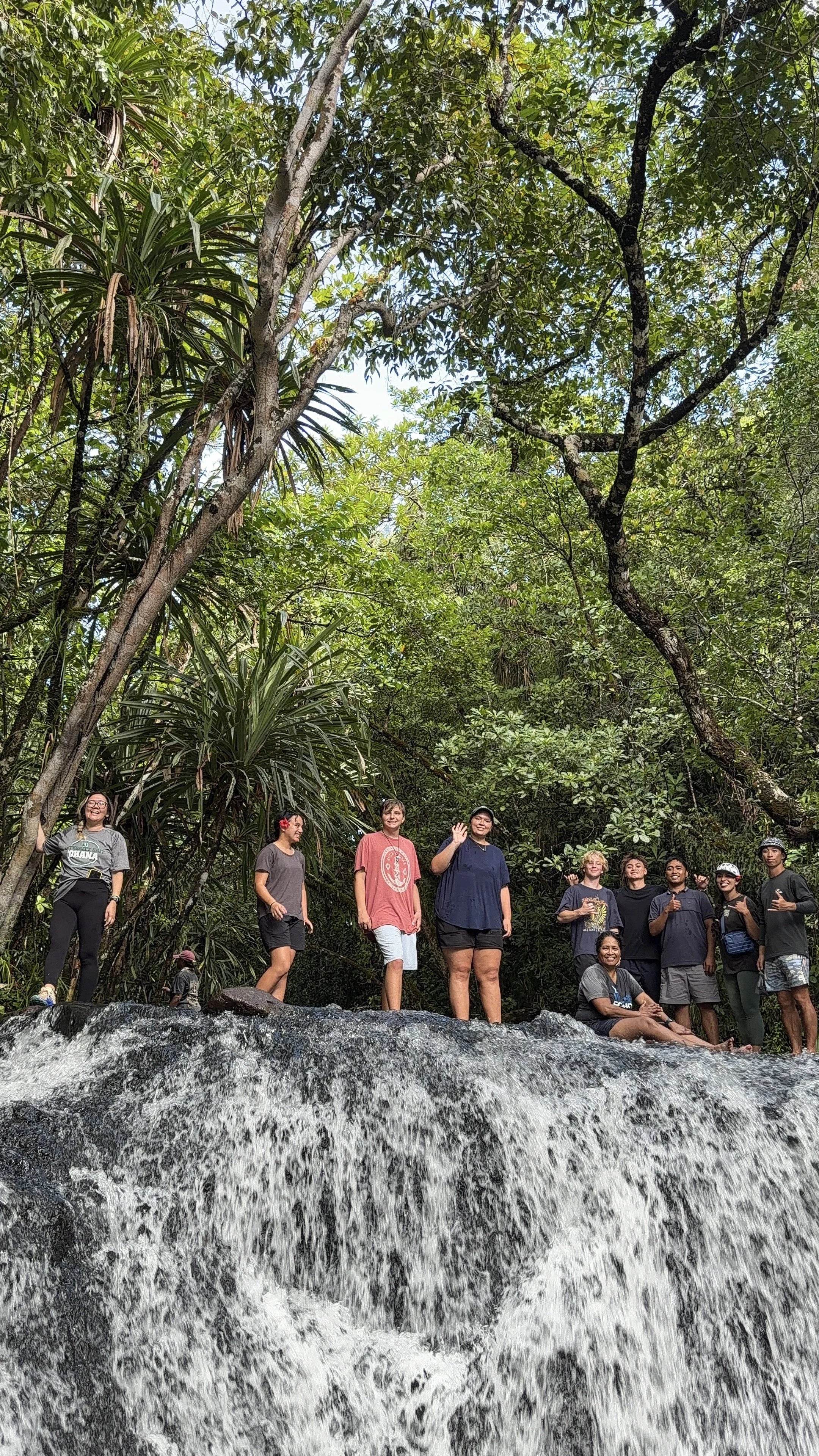
Guided by Aunty Cory Mason, students continued through the ancient village and taro patches as the rain came down, eventually reaching the waterfall at Mesekelat. They arrived soaked, muddy, and exhausted, but exhilarated, with many remembering it as one of the most memorable days of the trip.
Stories Above and Beneath the Surface
Back on the water, students explored the inner reef of Nikko Bay, bringing another layer to what they had learned about Palau’s marine ecosystems. Between swimming and visiting local spots, they encountered reminders of World War II, including a Japanese bunker and the remains of a B-24 aircraft. Like their own island home, Palau still carries visible reminders of a war that transformed communities across the Pacific, adding another layer to the histories students discovered beneath the beauty of the islands.
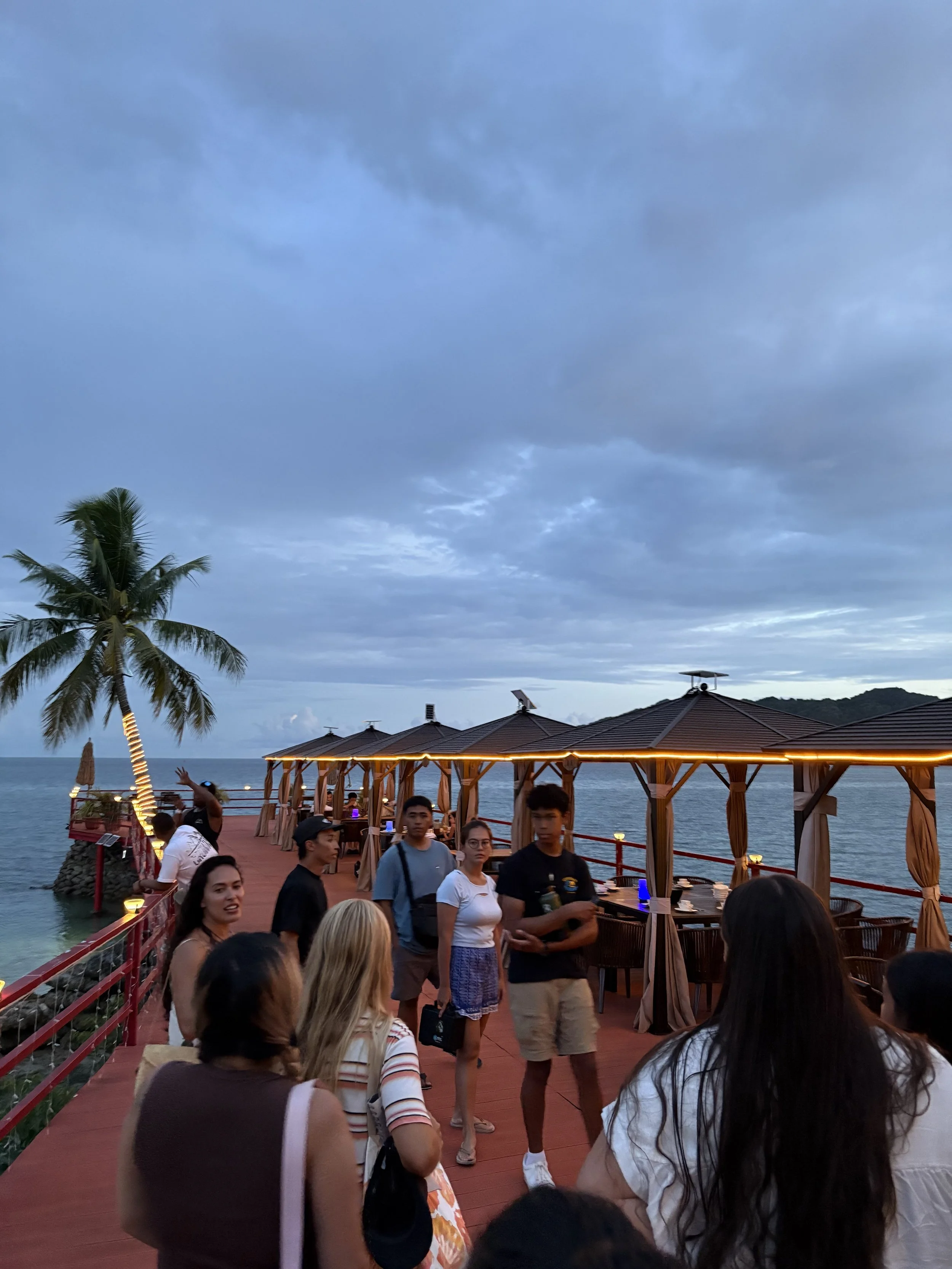
On their final day, students visited the Etpison Museum and Belau National Museum, tracing more of Palau’s history and culture and reflecting on how the country has changed over time. The journey ended around the table with a Palauan dinner celebration and traditional dancing. After eight days of learning from Palau’s waters, communities, and people, students had one final opportunity to reflect on what they had experienced and what they would carry home with them.
Committing to Change
What the experience produced in students was measurable and also hard to measure. Every student who completed the post-trip evaluation reported that the program helped them gain a deeper understanding of Palau's history and culture, that it strengthened their intercultural understanding, and that it inspired them to learn more about global issues. But the more meaningful shifts were the ones that took longer to articulate. Josh Neel (Kahuku High School) now wants to travel to more Pacific Islands. Ylene Reid-Selth (Radford High School) wrote that she used to feel some shame about her heritage, that years of hearing jokes at school had worked on her in ways she hadn't fully admitted. "To go to Micronesia and see it firsthand was changing," she wrote. She came home determined to make a presentation about Palau for her school's Micronesian club. Leya Goeas (Kamehameha Schools Kapālama) left with a specific, actionable goal: to be one of the people who brings a reef-safe sunscreen policy to Hawaiʻi, inspired by what Palau has already built. Jayden Tran (Kalani High School), whose four years with PAAC culminated in this crossing, wrote simply that he felt "way more cared for and loved in Palau" than anywhere he had been, including home. "Even in Hawaiʻi, where we pride ourselves on our sense of aloha," he added, "I felt it more strongly there." Leala Florendo (Kalani High School) wrote that “the memories I created with the people in Palau were so heart-touching” and that she will remember them forever. By connecting students directly with Palauan educators, leaders, and community members, the study tour sparked continued exchange between Hawaiʻi and Palau, strengthening relationships and inspiring future cooperation around the shared opportunities and challenges facing island communities across the Pacific.
PAAC was founded in 1954 to deepen Hawaiʻi's connections with Asia and the Pacific. The Takitani Summer Study Tour to Palau is the first program in PAAC's history to reach into Micronesia, and what ten students encountered there makes the case, plainly, for why this direction matters. No classroom can produce what Palau produced: the recognition, in students who grew up on islands, that they are part of something larger than the bubbles they were raised in. That the Pacific is not a distance. That it is a relationship, and they are now part of it.
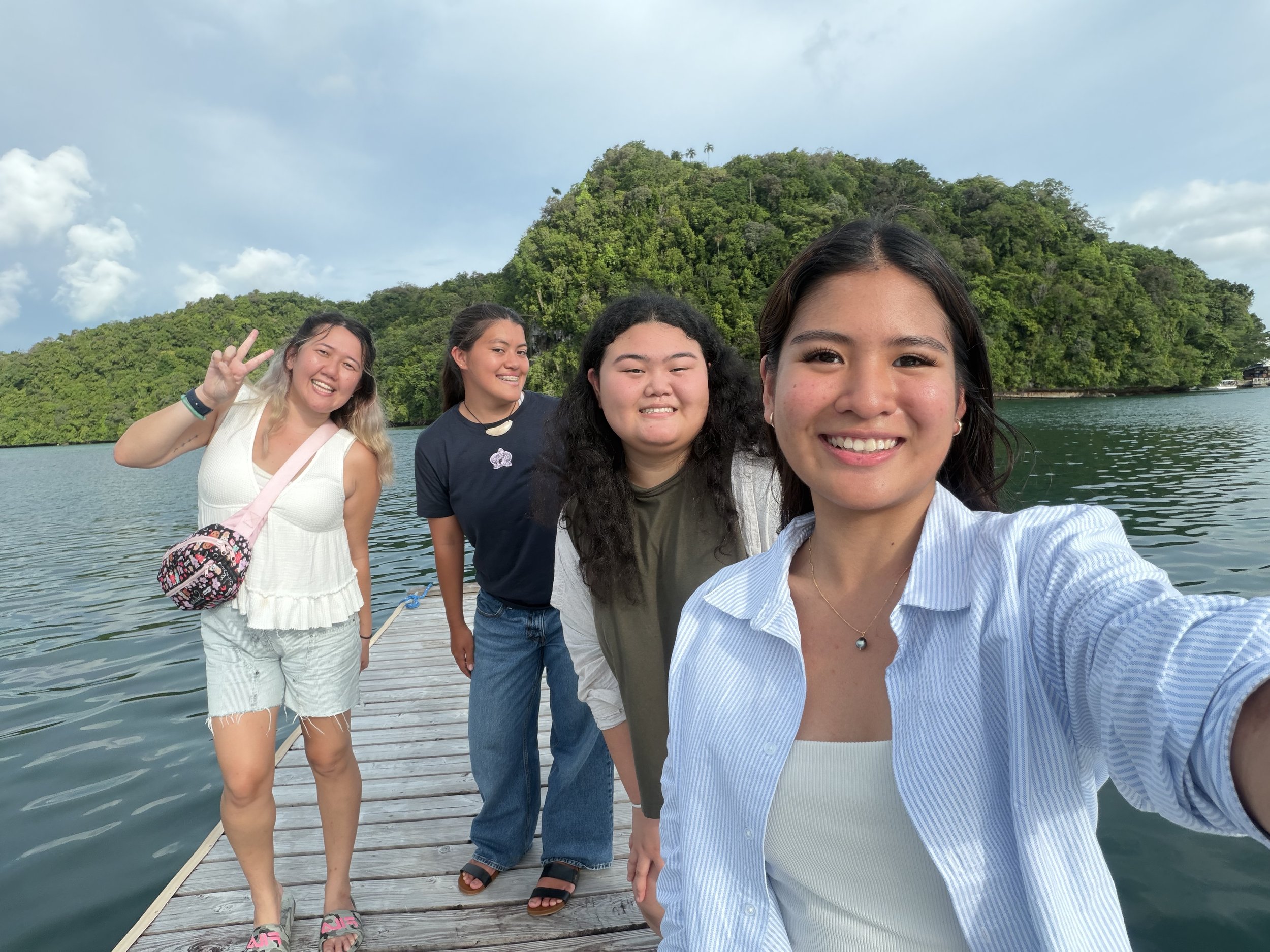
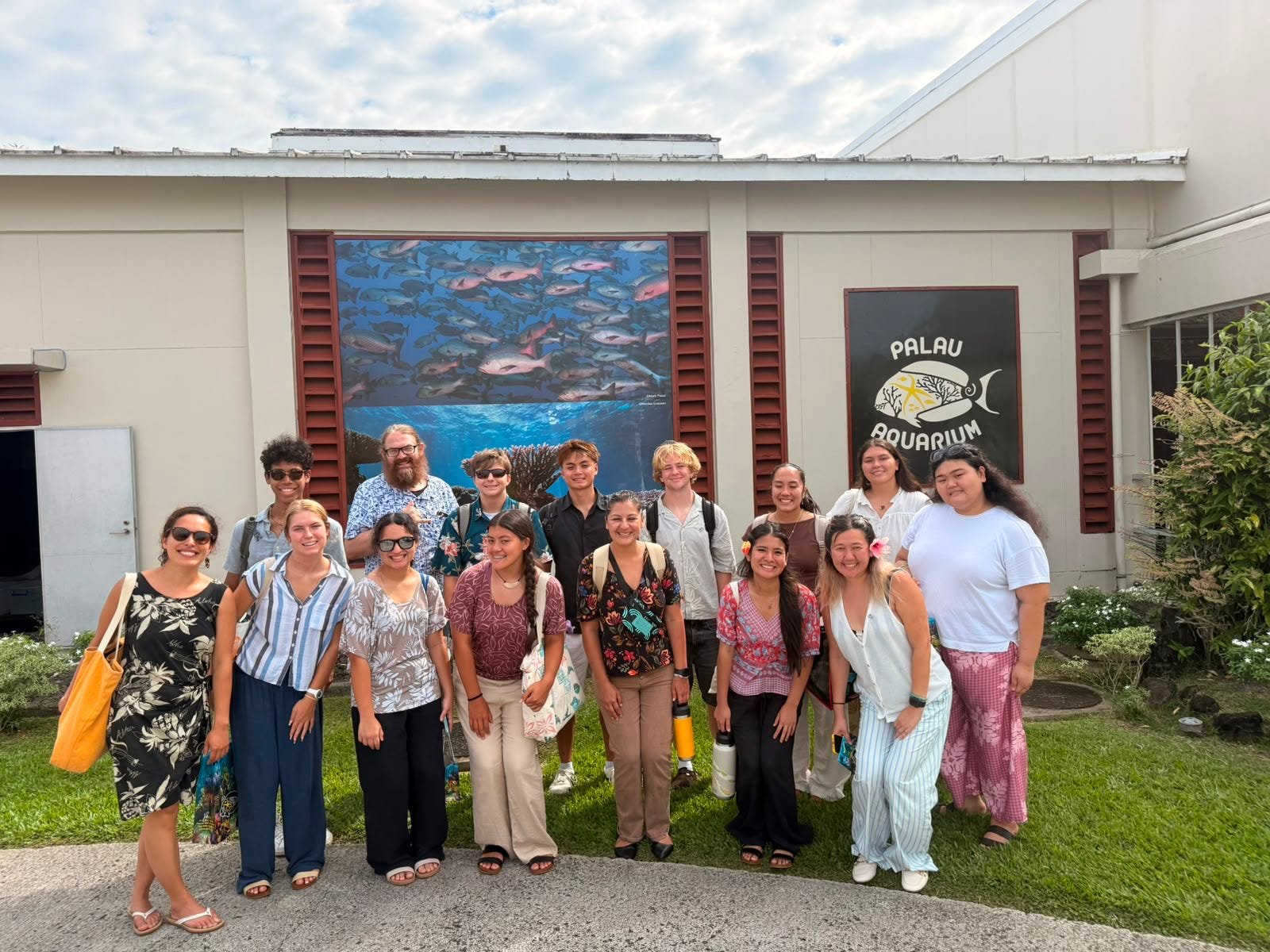
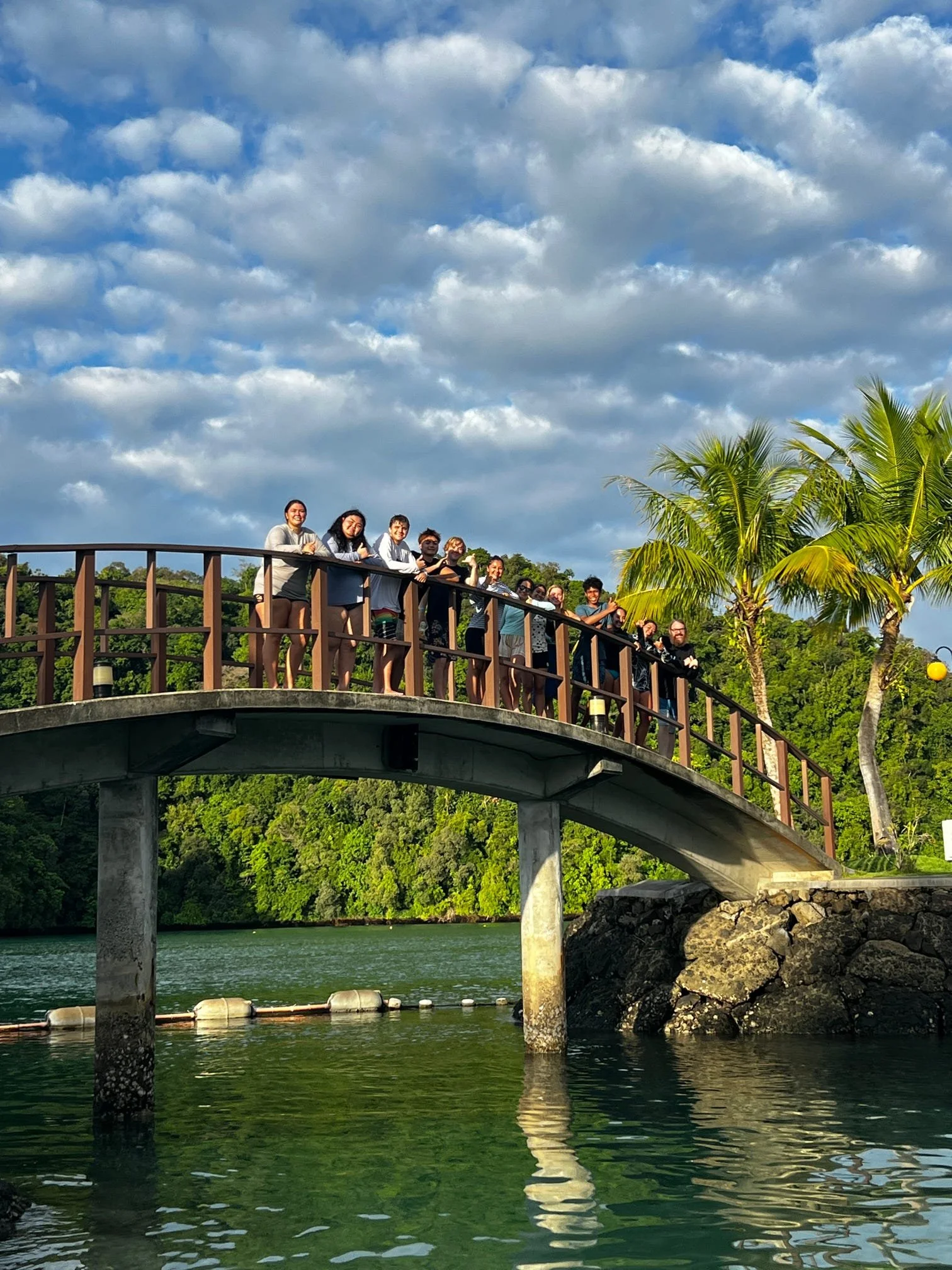
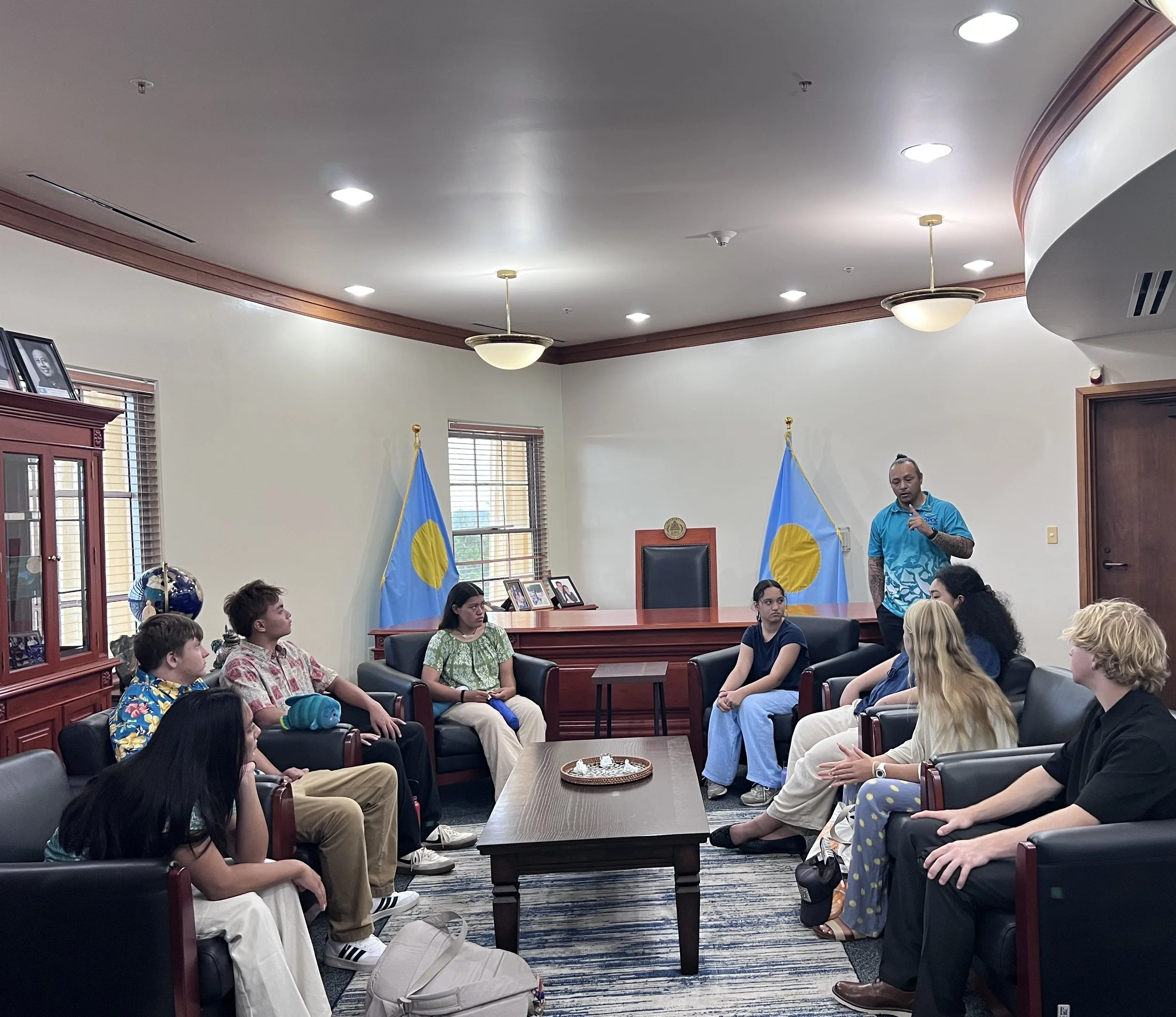
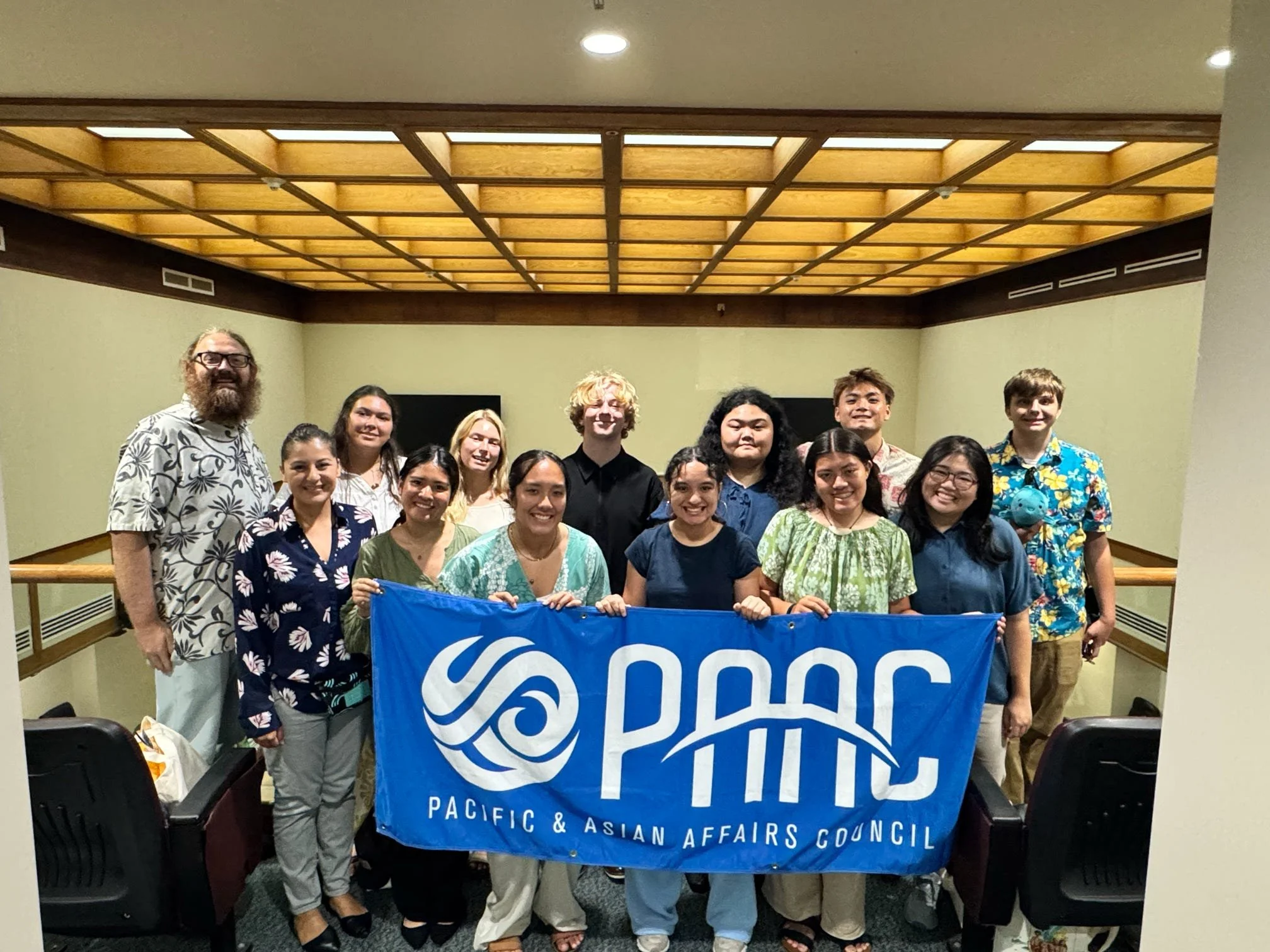
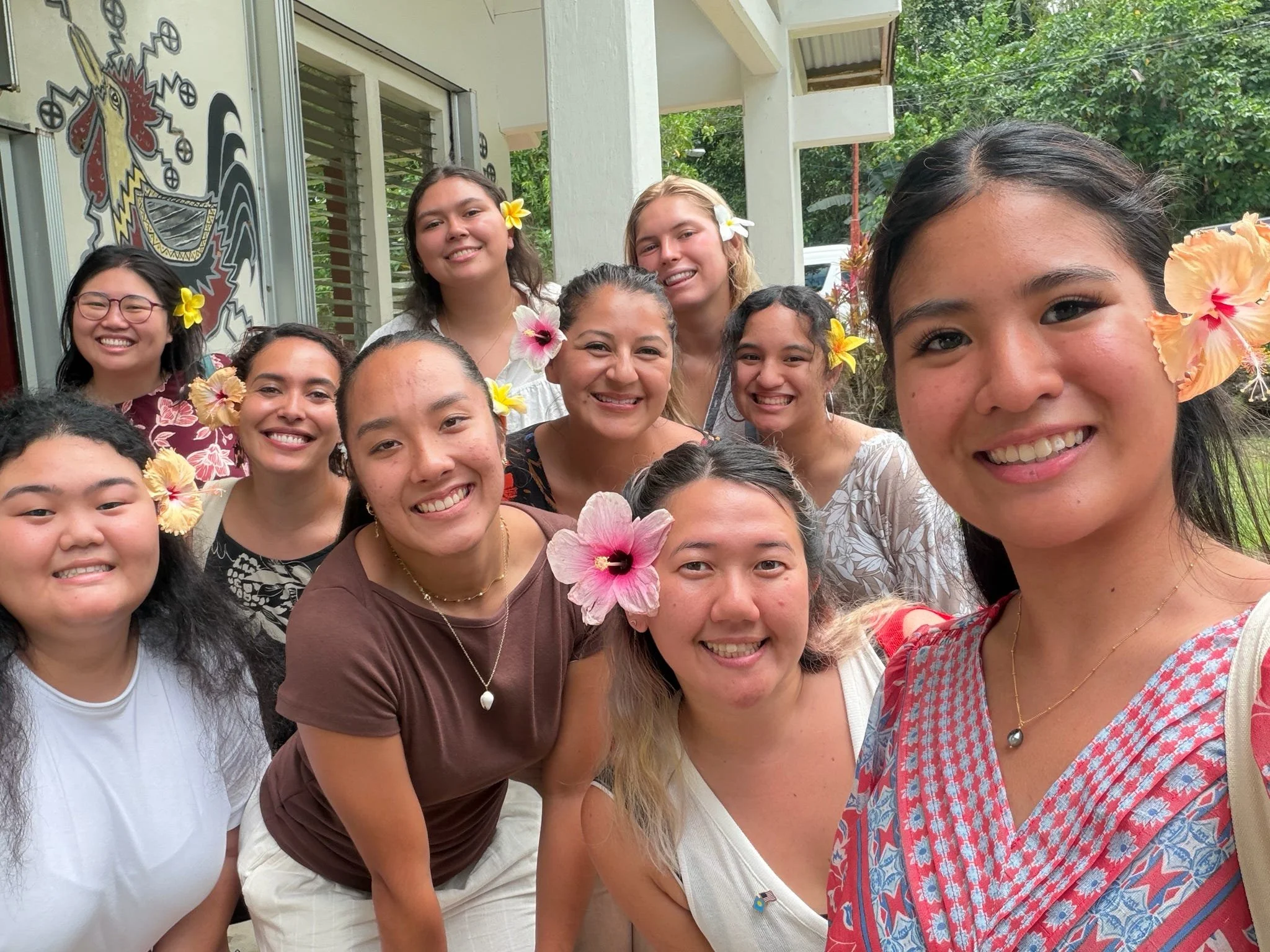
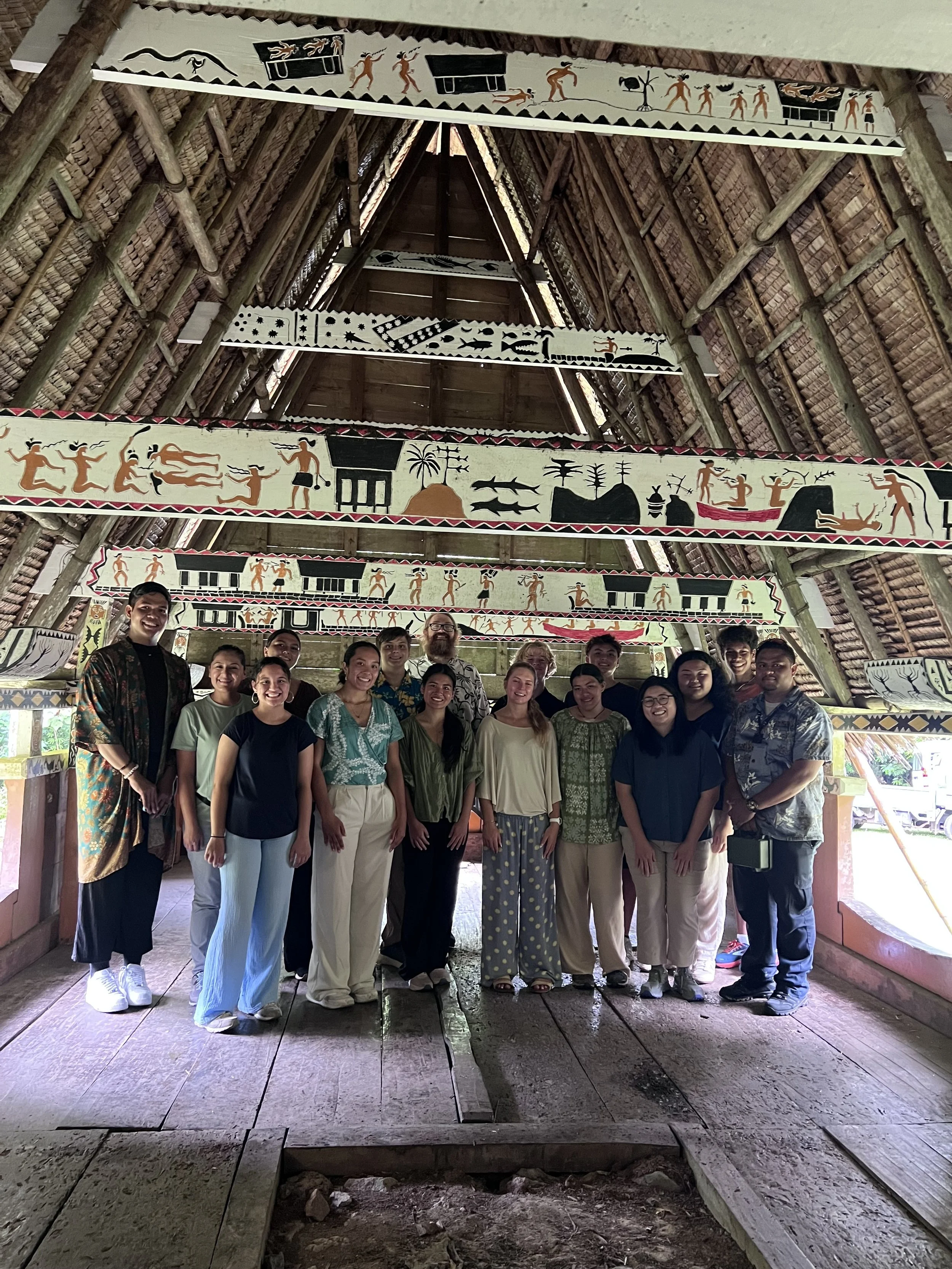
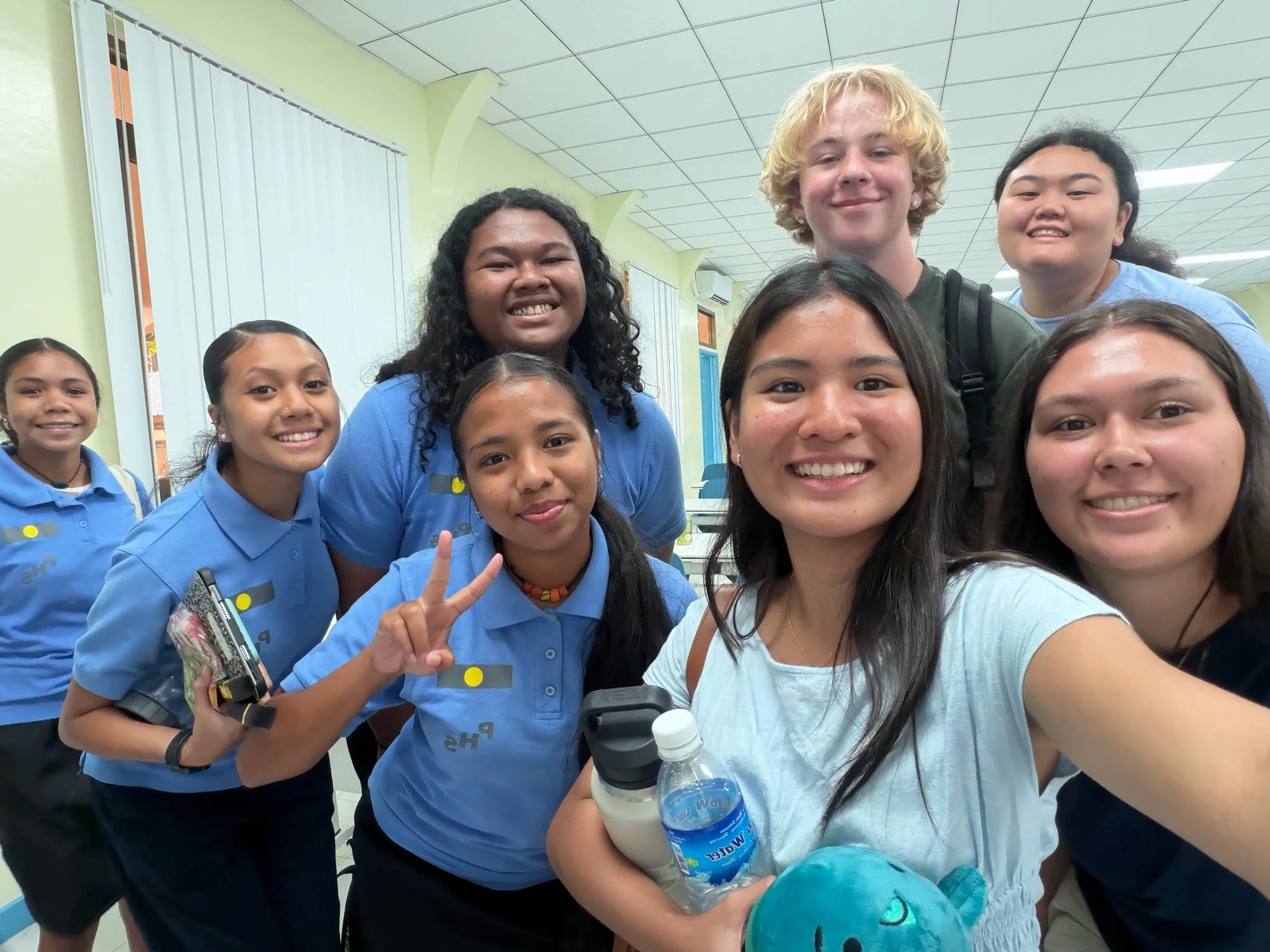
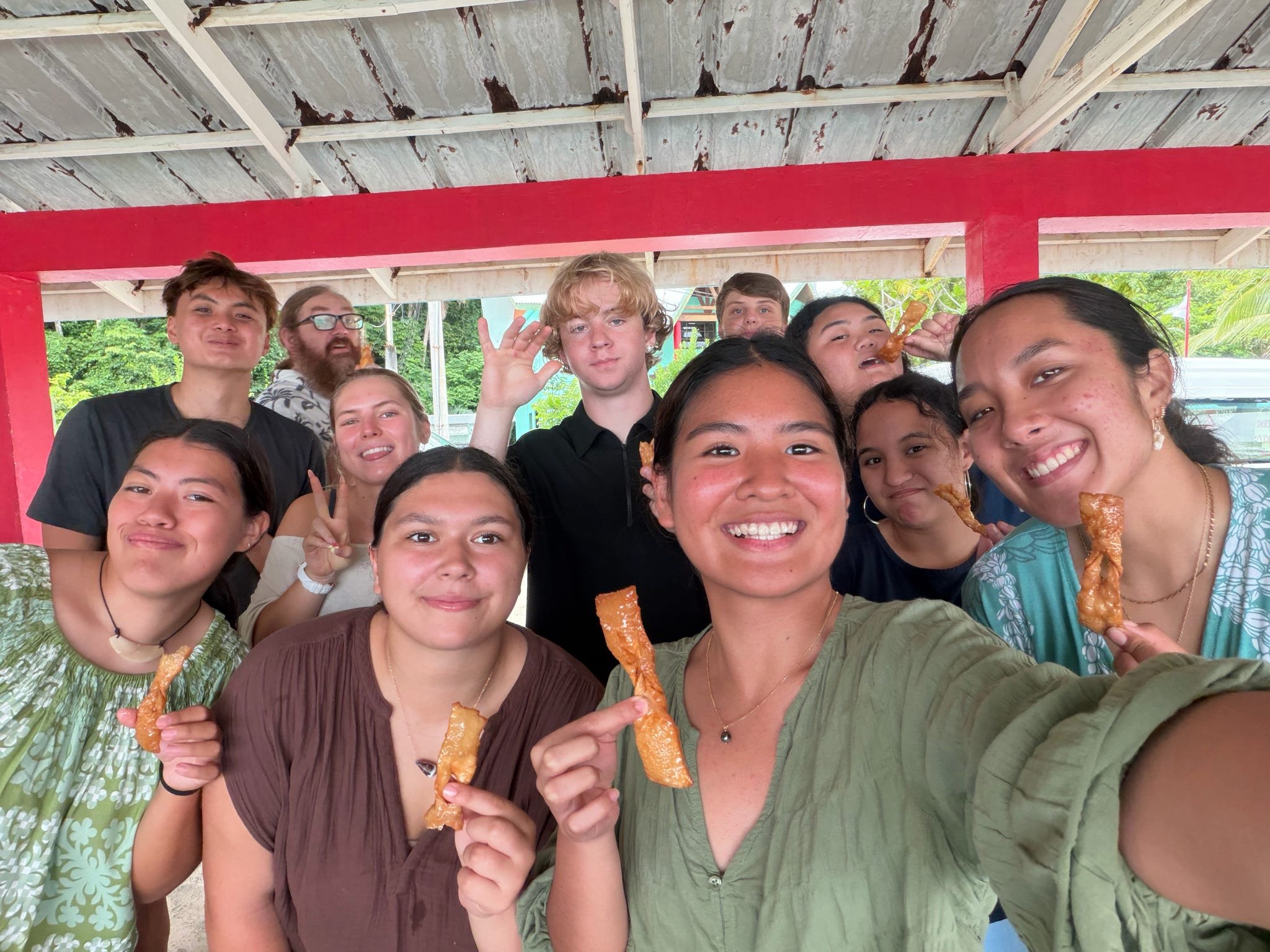
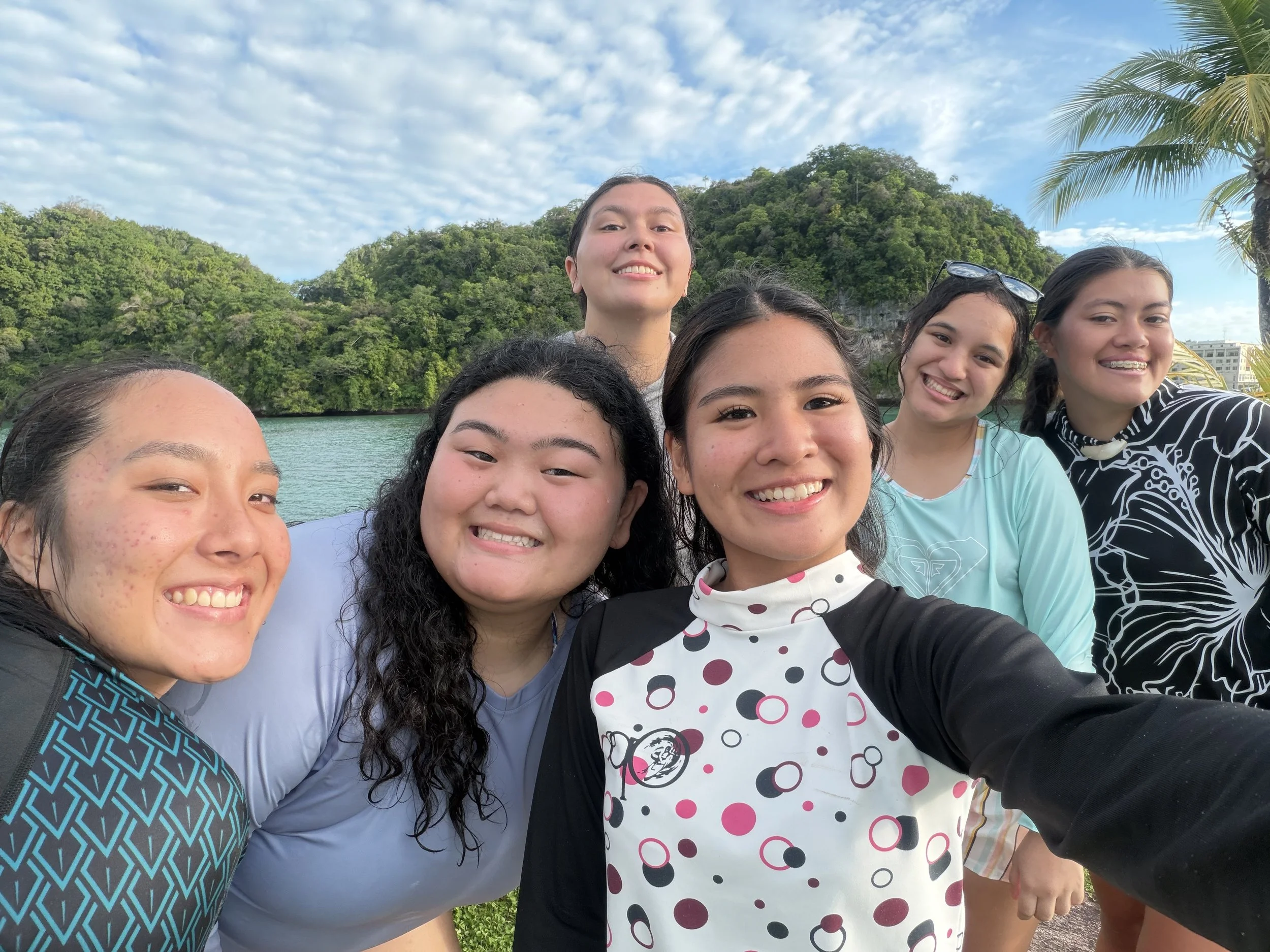
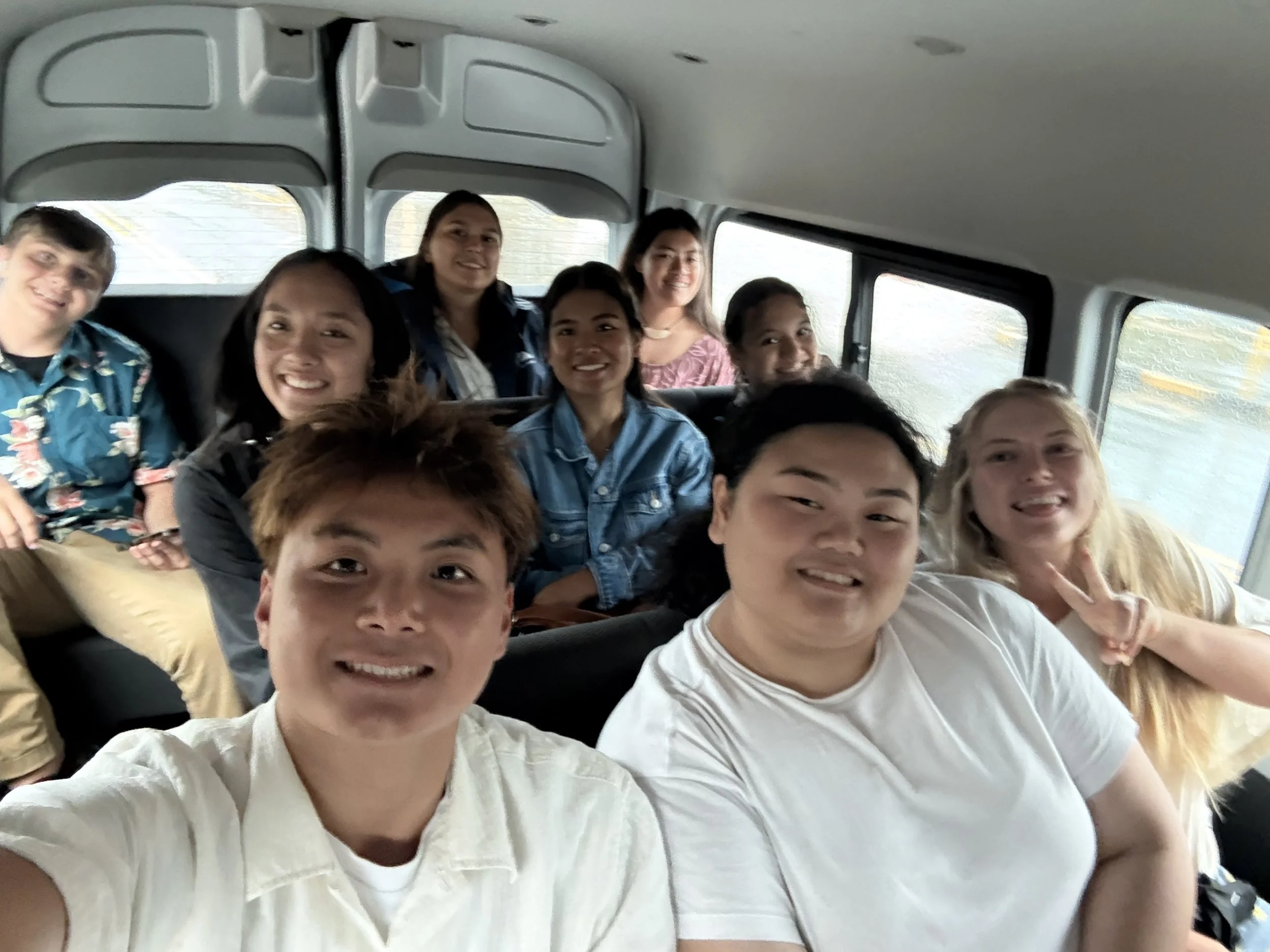
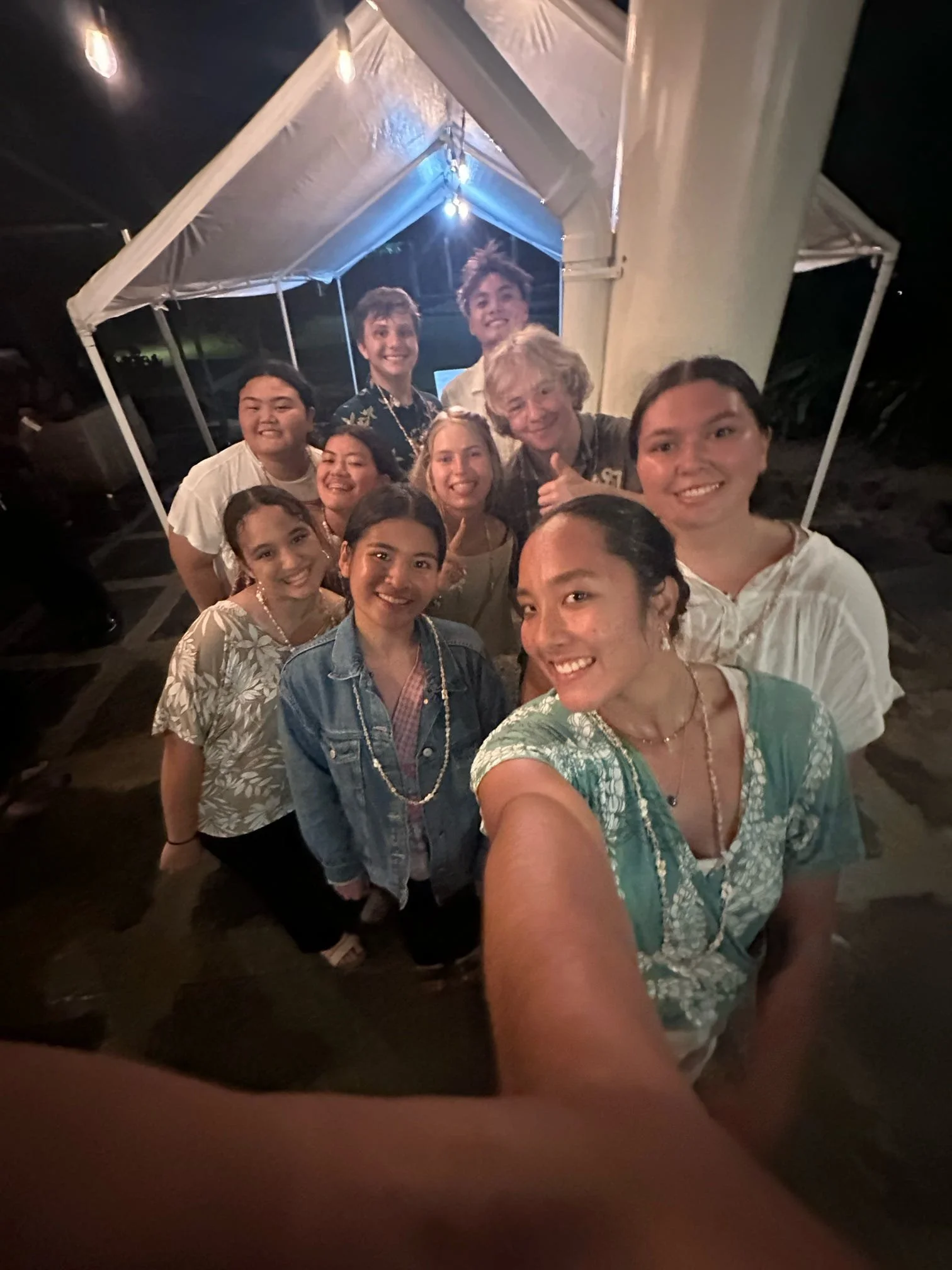
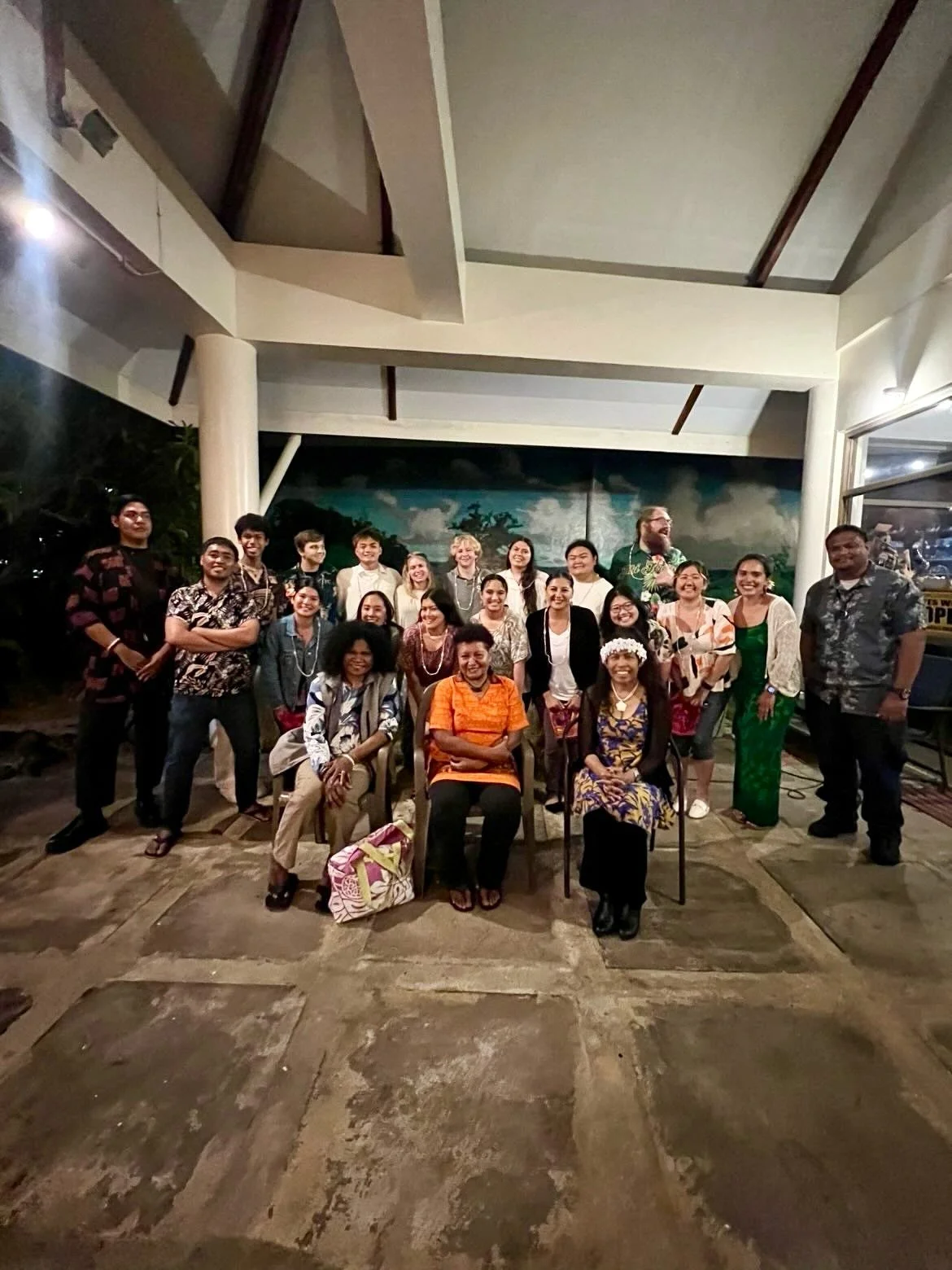
These ten students brought their experiences home through digital media projects, sharing what they took from Palau. Explore their projects to learn more.
The Takitani Summer Study Tour to Palau is made possible by the Mamoru & Aiko Takitani Foundation. To follow PAAC's programs and support the students who carry this work forward, visit paachawaii.org and share this story with someone who believes Hawaiʻi's future is Pacific.
Follow PAAC's Sister-State and Study Tour programs to see where our students travel next.
