
A Grandmother's Cloth, Handed Across an Ocean: Taiwan Freeman Summer Study Tour 2026
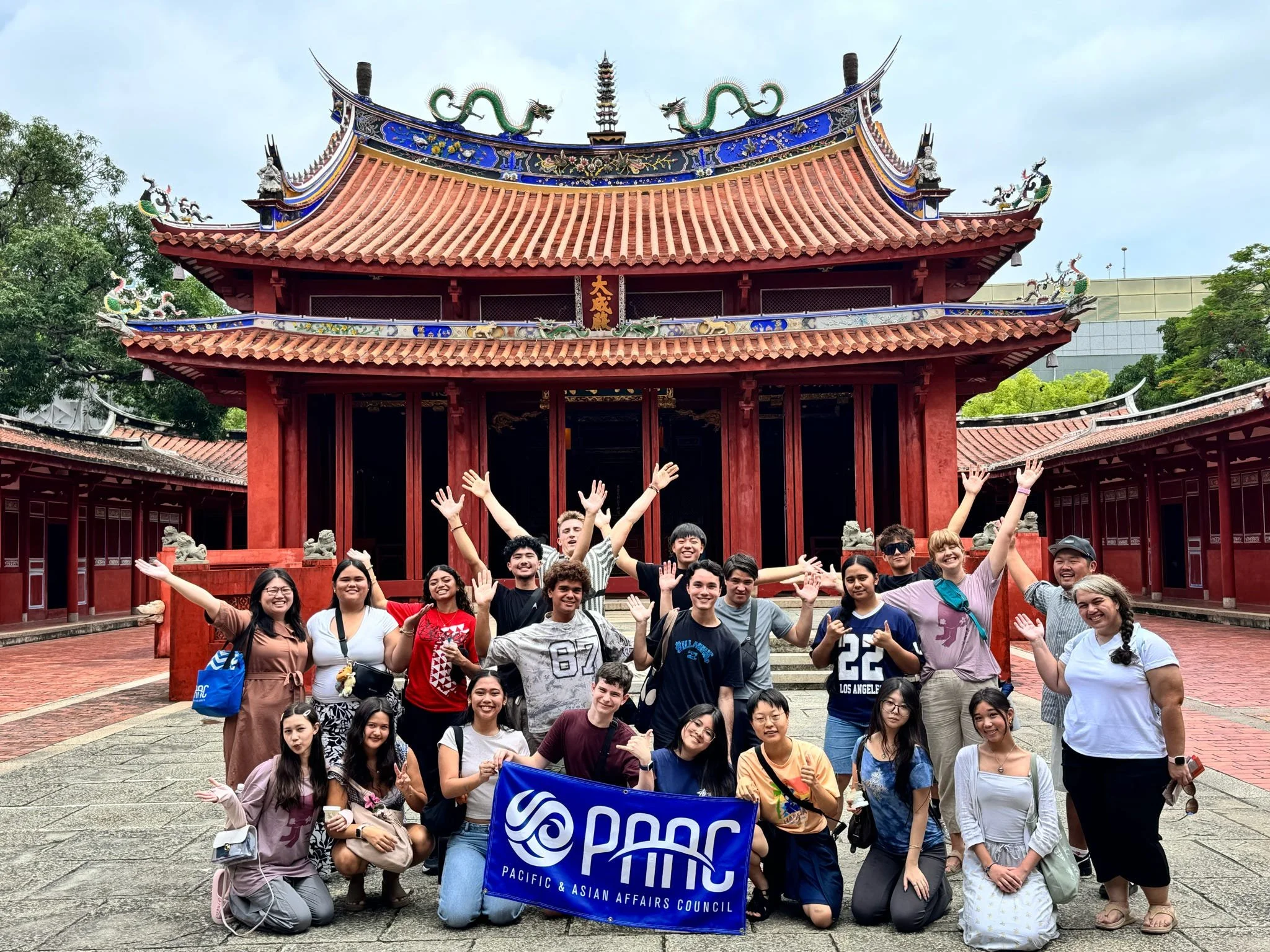
Eighteen Hawaiʻi students spent twelve days in Taiwan discovering that the Pacific is more connected than they ever imagined.
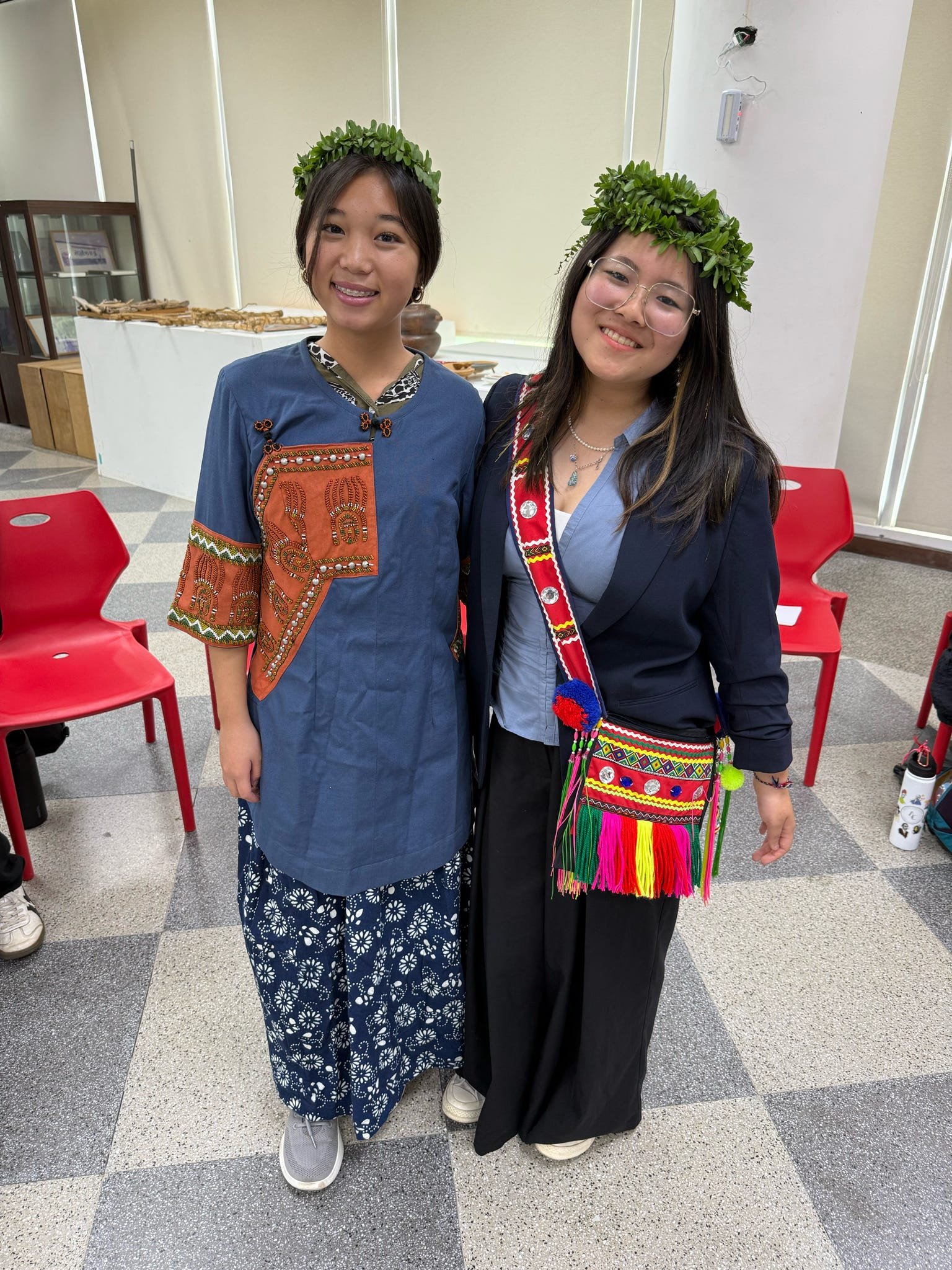
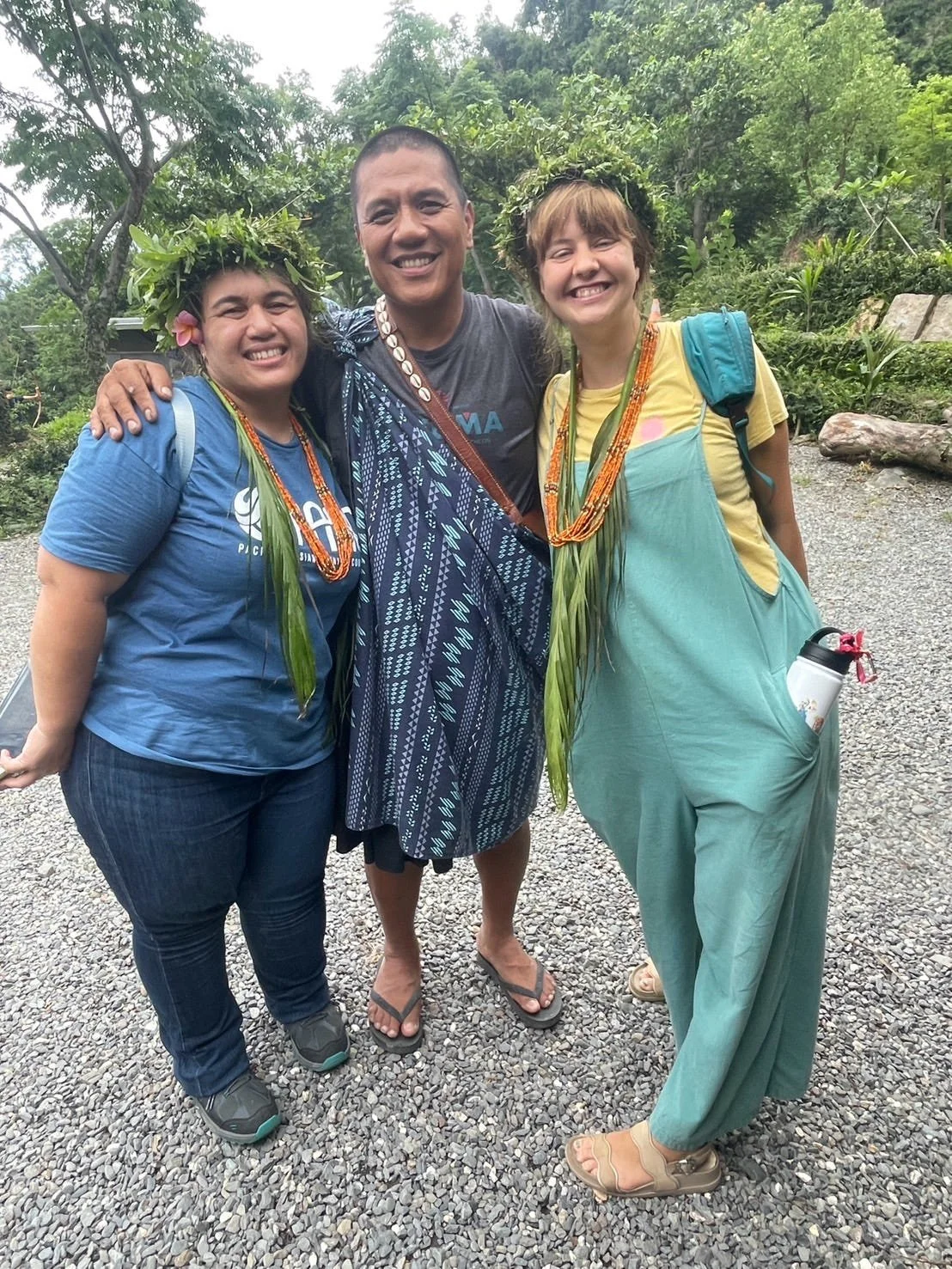
Naomi Tokishi (Maui High School) on left. Ellie Takara (Mililani High School) on right.
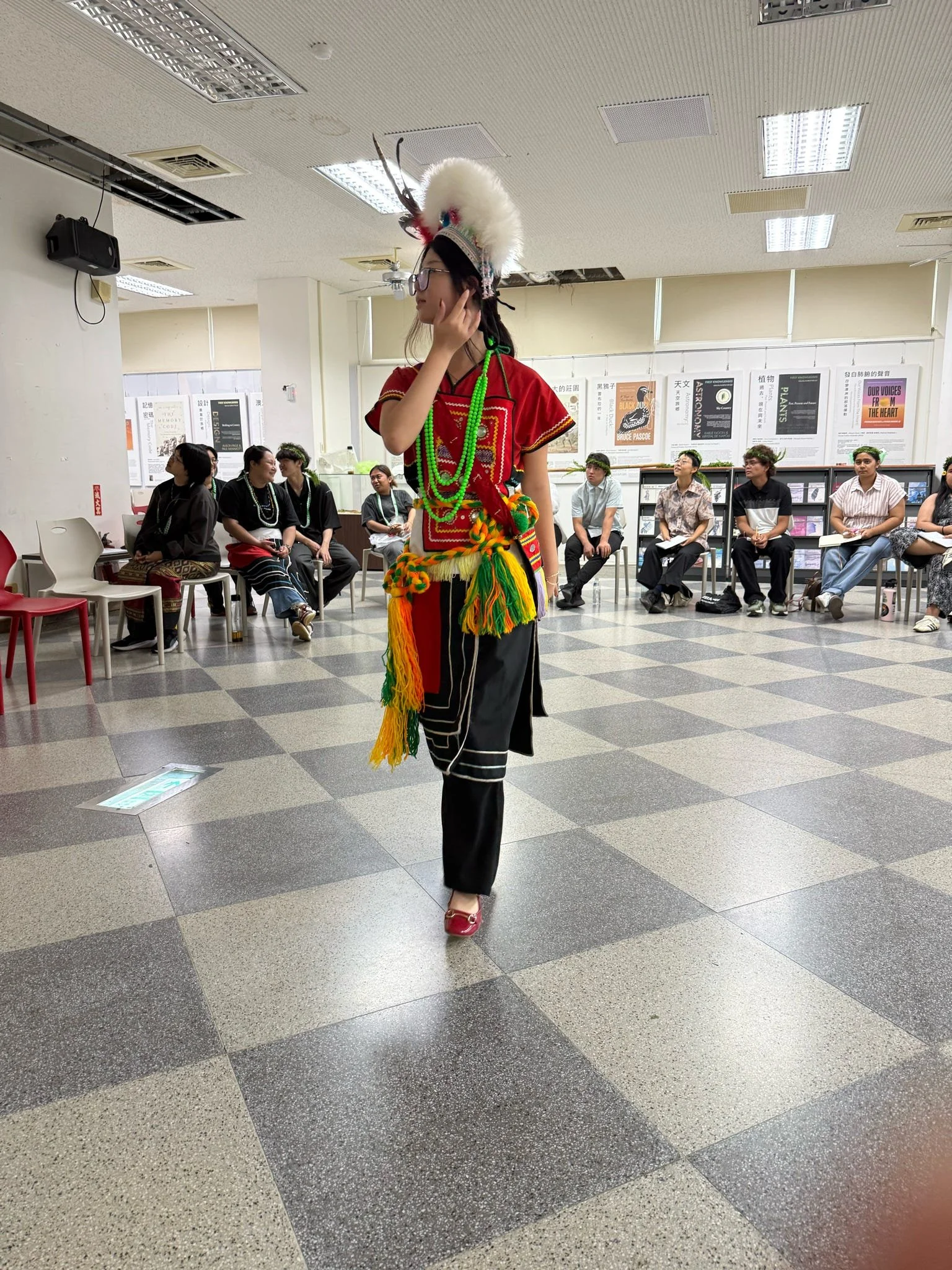
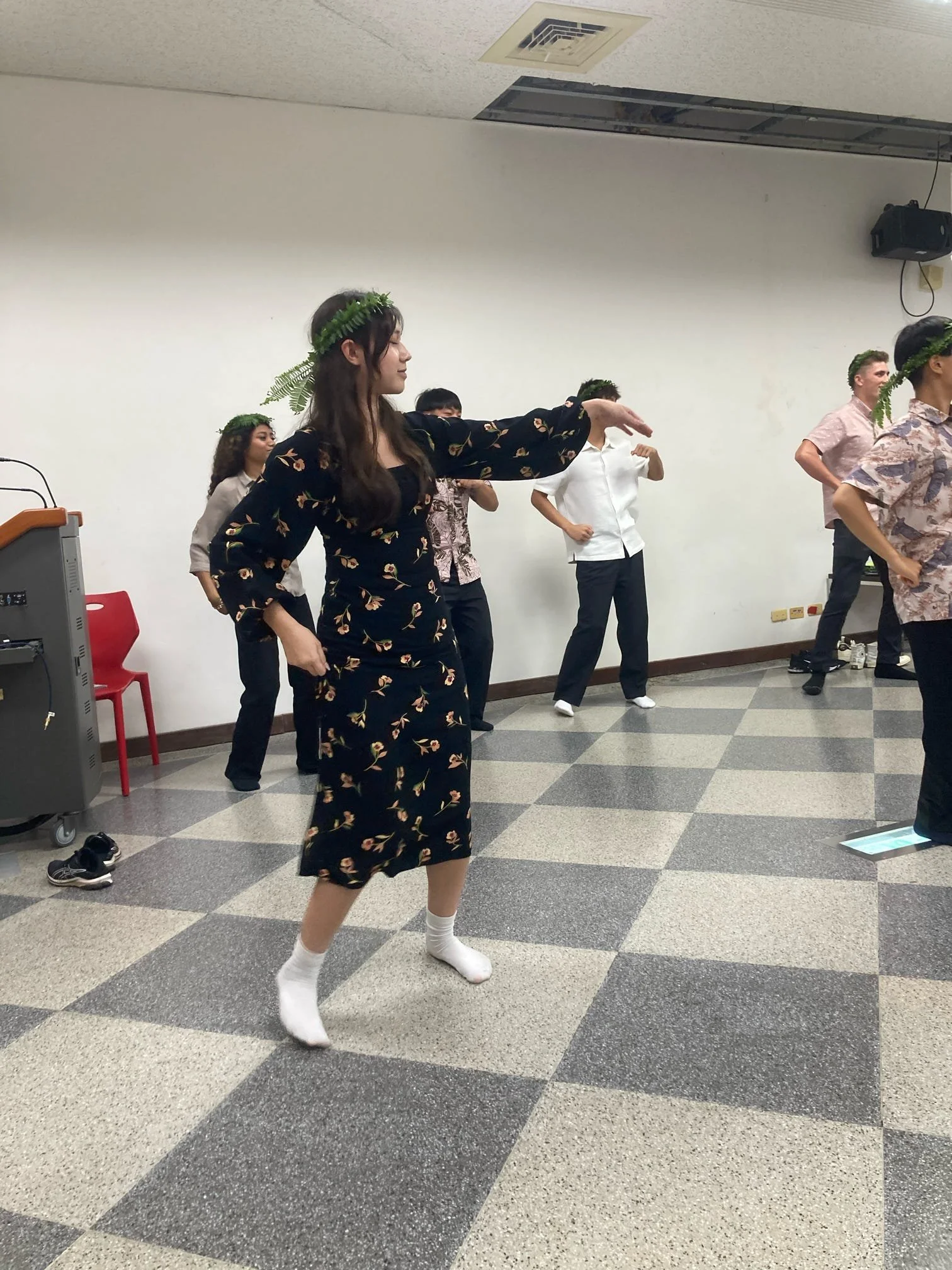
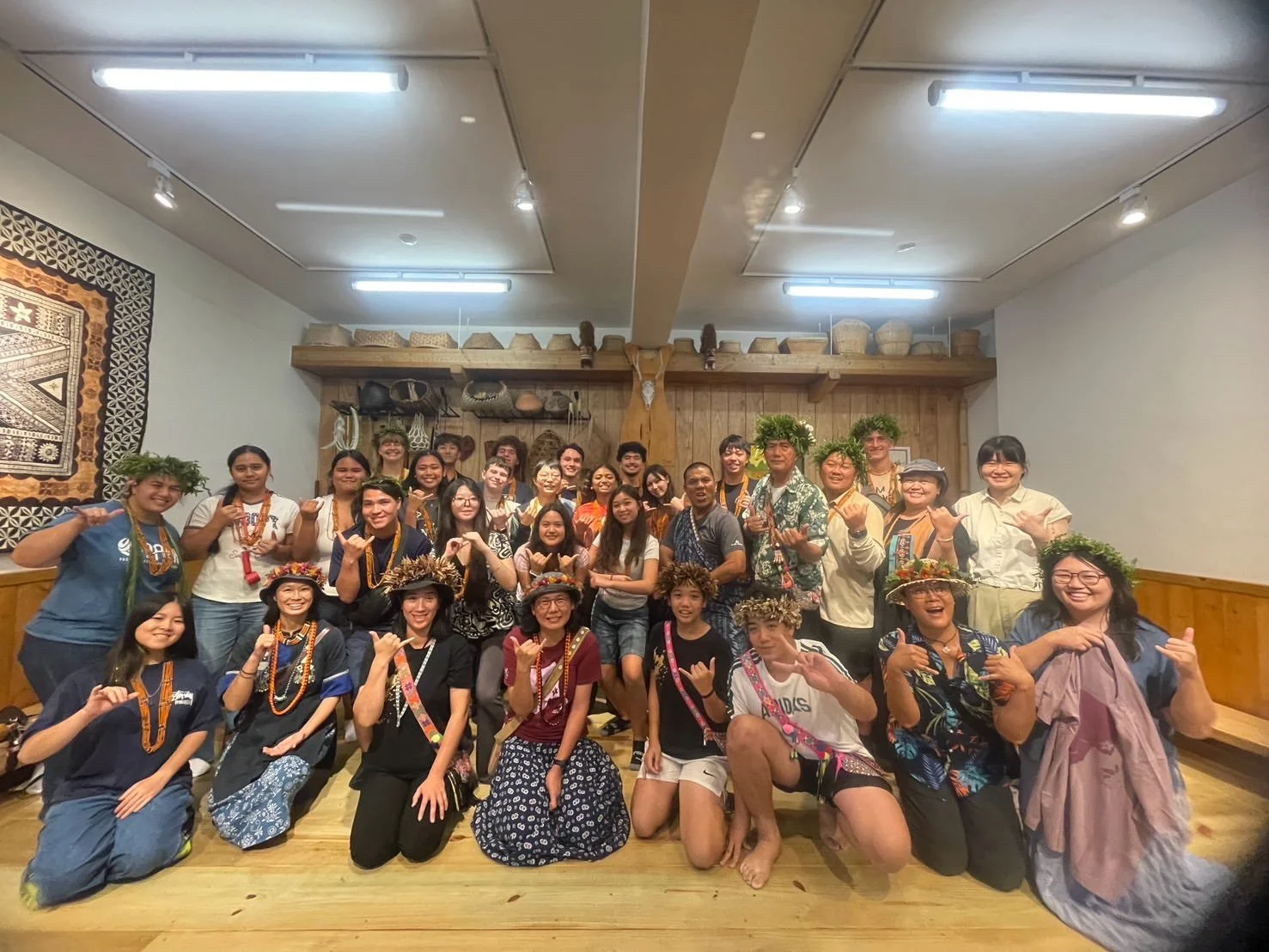
At National Dong Hwa University, a Taiwanese student pressed a folded piece of fabric into Naomi Tokishi's hands. It was a traditional Paiwan garment, and it had been hand-sewn by the girl's grandmother. The two of them had known each other for only a few hours. Naomi put it on anyway, and a short while later stood in front of the university's Indigenous Studies students to perform hula and represent Hawaiʻi, wearing a piece of someone else's grandmother's love. "Her openness and willingness to share with me made me feel like we were so close despite meeting just a few hours before," Naomi Tokishi, Maui High School, wrote afterward. It is the kind of moment that only happens when two island cultures recognize something of themselves in each other — and it set the tone for everything that followed.
An Inaugural Journey
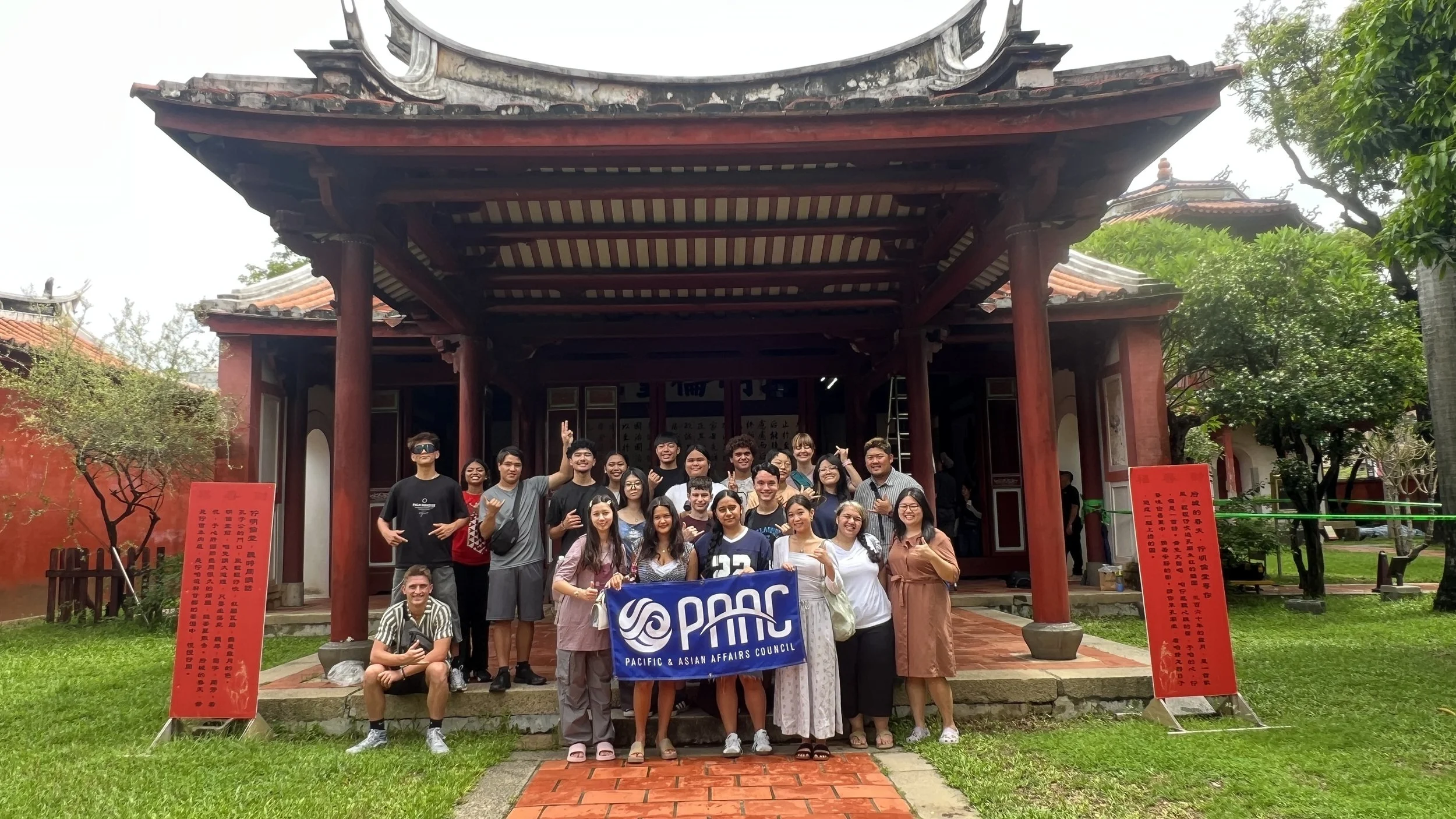
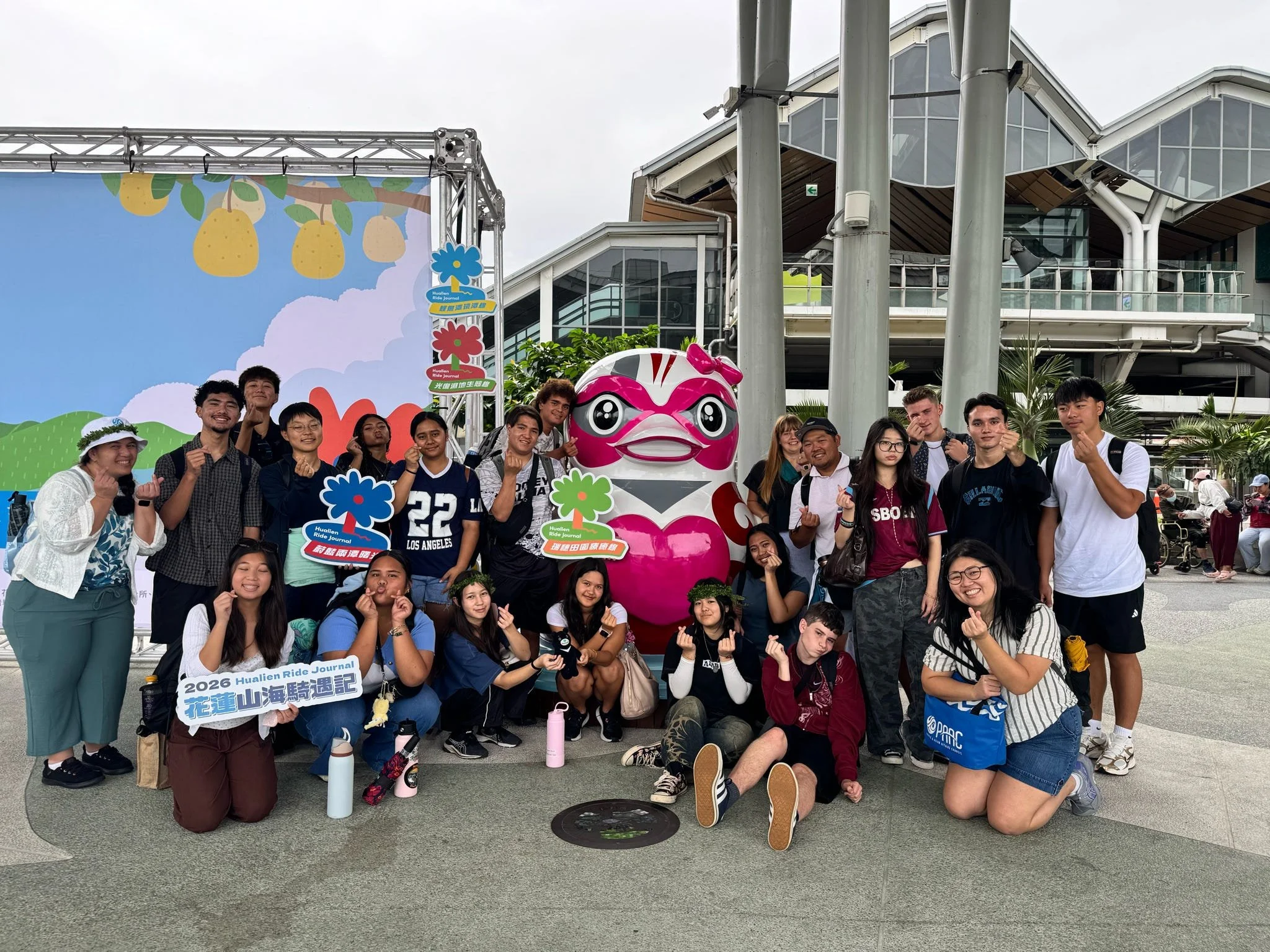
This June, eighteen Hawaiʻi public high school students touched down in Taiwan as the first cohort of the Taiwan Freeman Summer Study Tour — PAAC's first standalone program built specifically around Taiwan. PAAC has been sending Hawaiʻi students abroad for more than two decades, but Taiwan had never before had a program built on its own terms until now. The cohort spent eleven full days in-country, plus three travel days, moving from Taipei to Hualien, Taitung, Kaohsiung, and Tainan and back again — a full circuit of an island that many of them had only known from a map before orientation. Coming out of a pre-trip session that included a talk on ethnomusicology, connecting Taiwanese musical traditions to Hawaiian oral tradition, the group arrived already primed to look for the threads that tie these two Pacific places together. They would spend the next two weeks finding far more than they expected.
This program is made possible by the Freeman Foundation's investment in people-to-people exchange between Hawaiʻi and Asia, and it joins a track record more than two decades deep. Over the past 22 years, PAAC has awarded more than $1.5 million in scholarships to over 550 Hawaiʻi high school students traveling to Japan, China, South Korea, Vietnam, Indonesia, the Philippines, New Zealand, and Tahiti. Thanks to the Freeman Foundation's generosity, the majority of participants with demonstrated financial need and/or demonstrated commitment to PAAC programs have received merit- and/or need-based financial aid in recent years, with most receiving coverage for 50 to 100 percent of the trip. Every PAAC study tour, this one included, is built around hands-on learning, fostering friendships, and enriching cultural activities — and designed to be accessible to seasoned travelers and first-timers alike, with pre-tour preparation, dedicated chaperones, and a tried-and-tested itinerary that makes it easy to step into a brand-new environment.
The Delegation
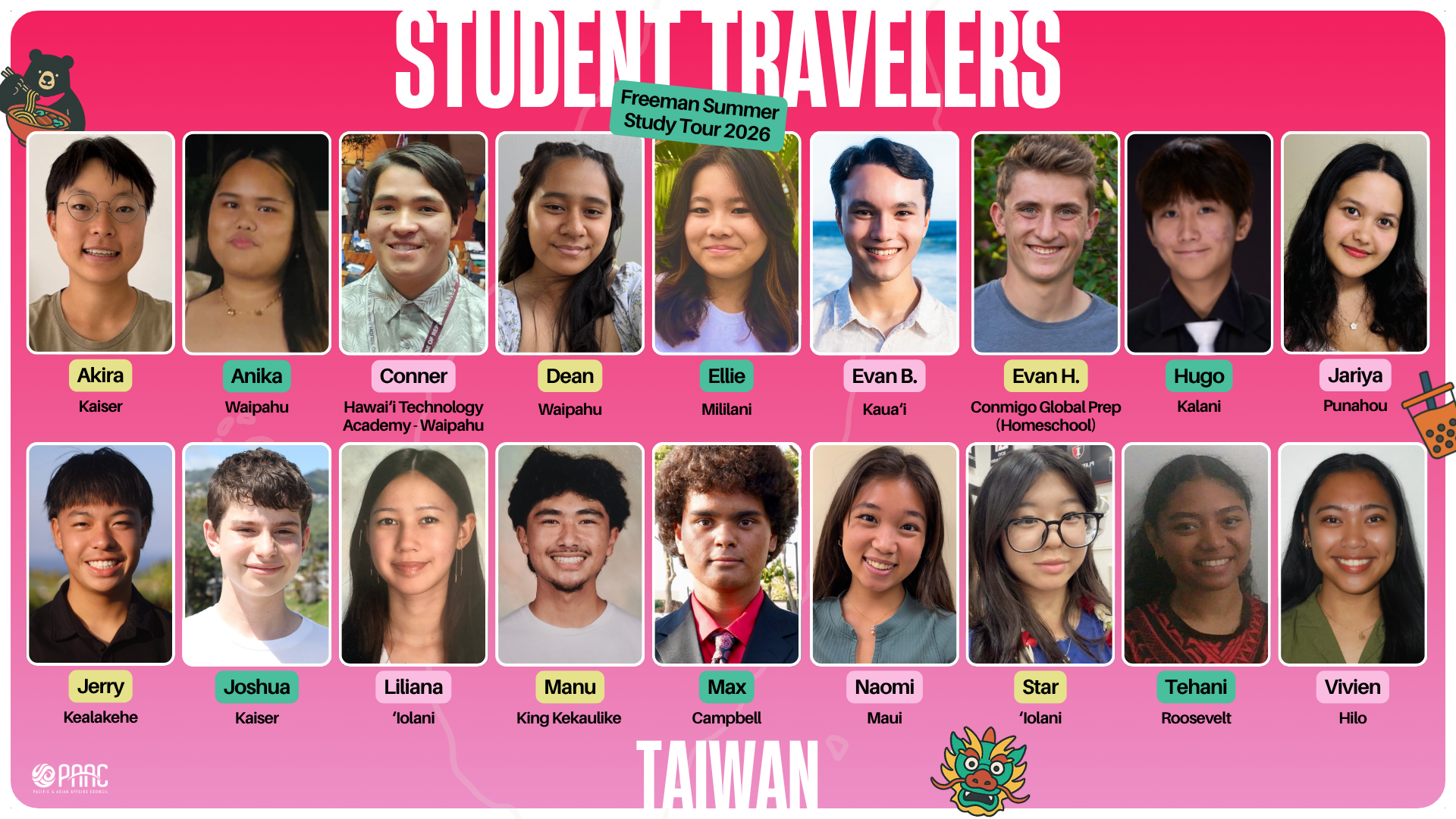
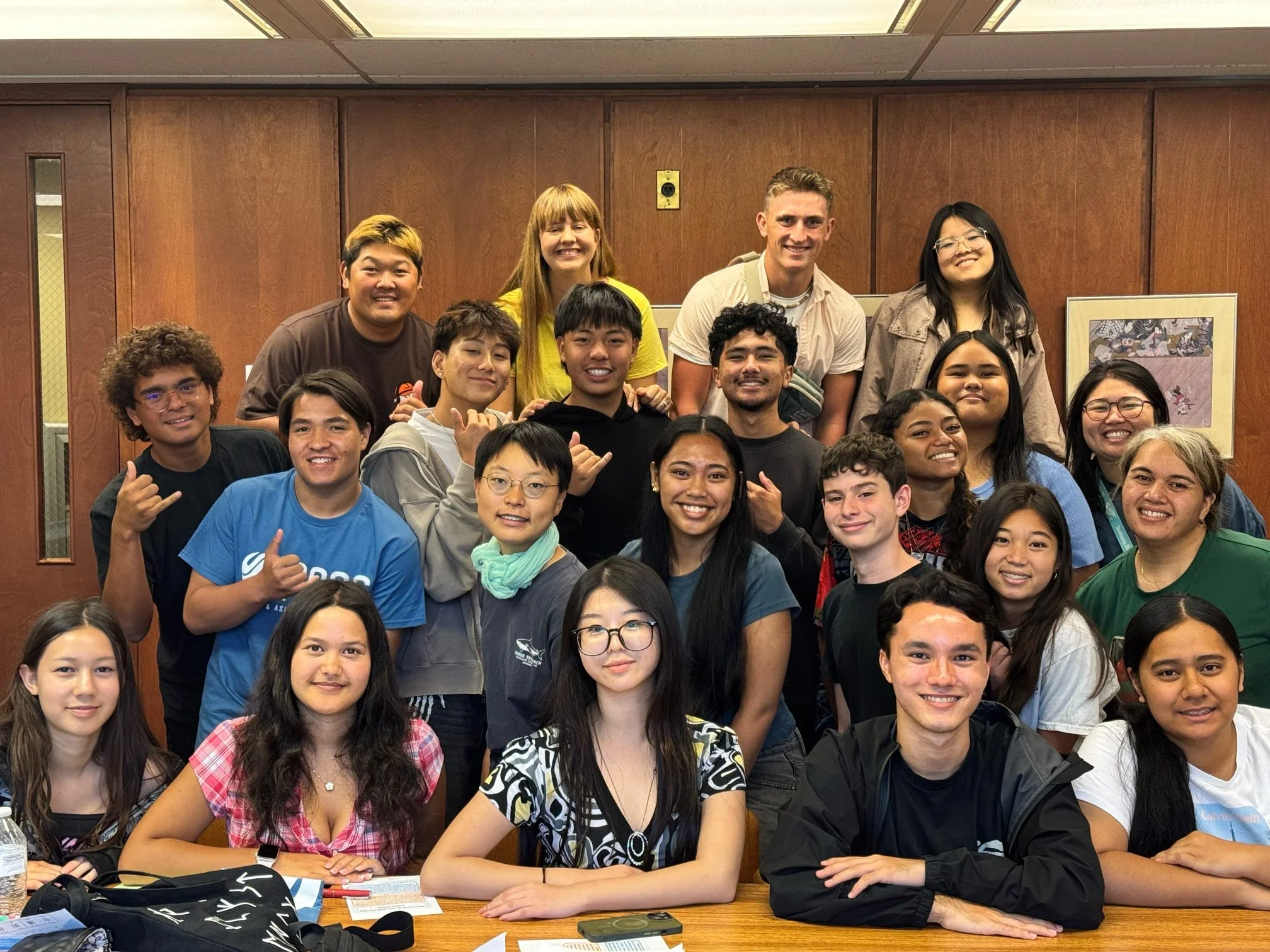
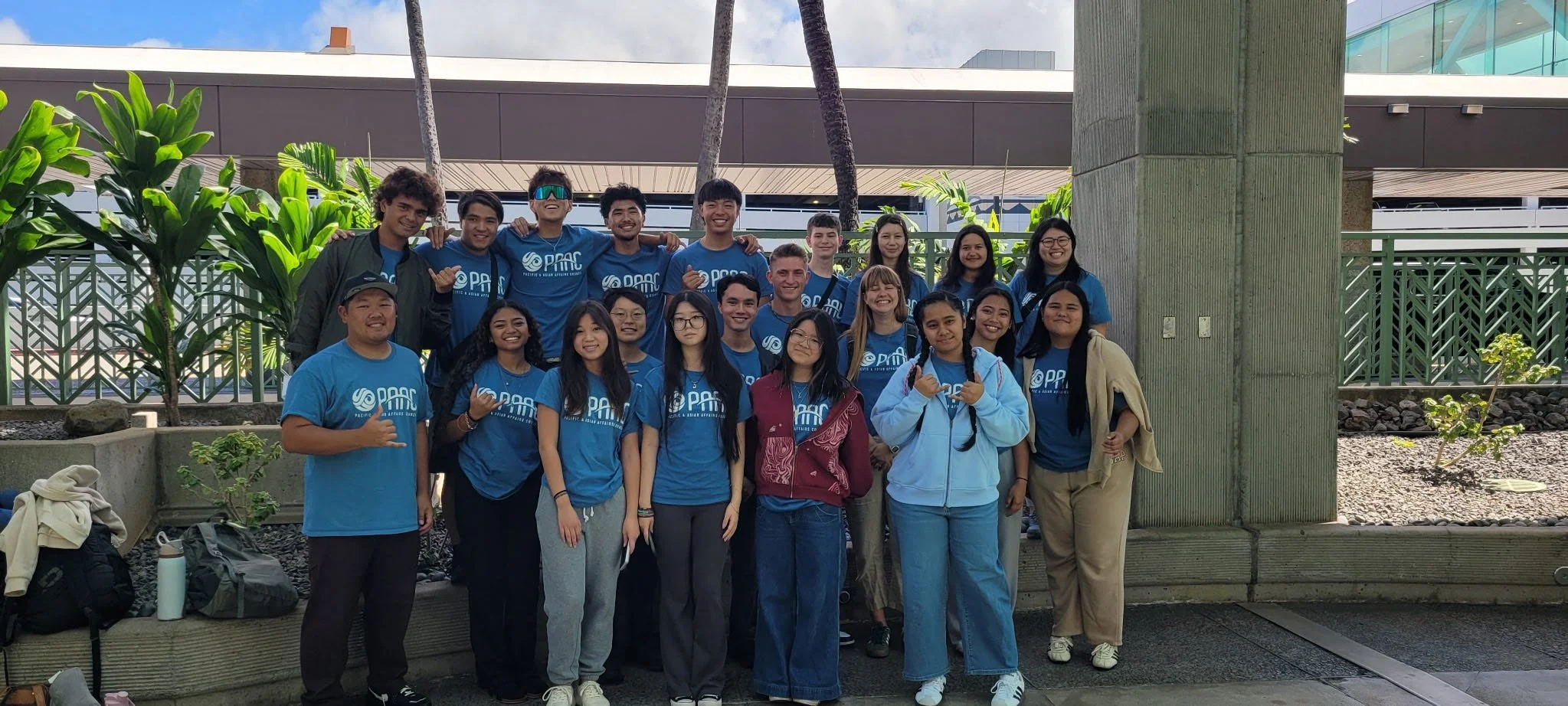
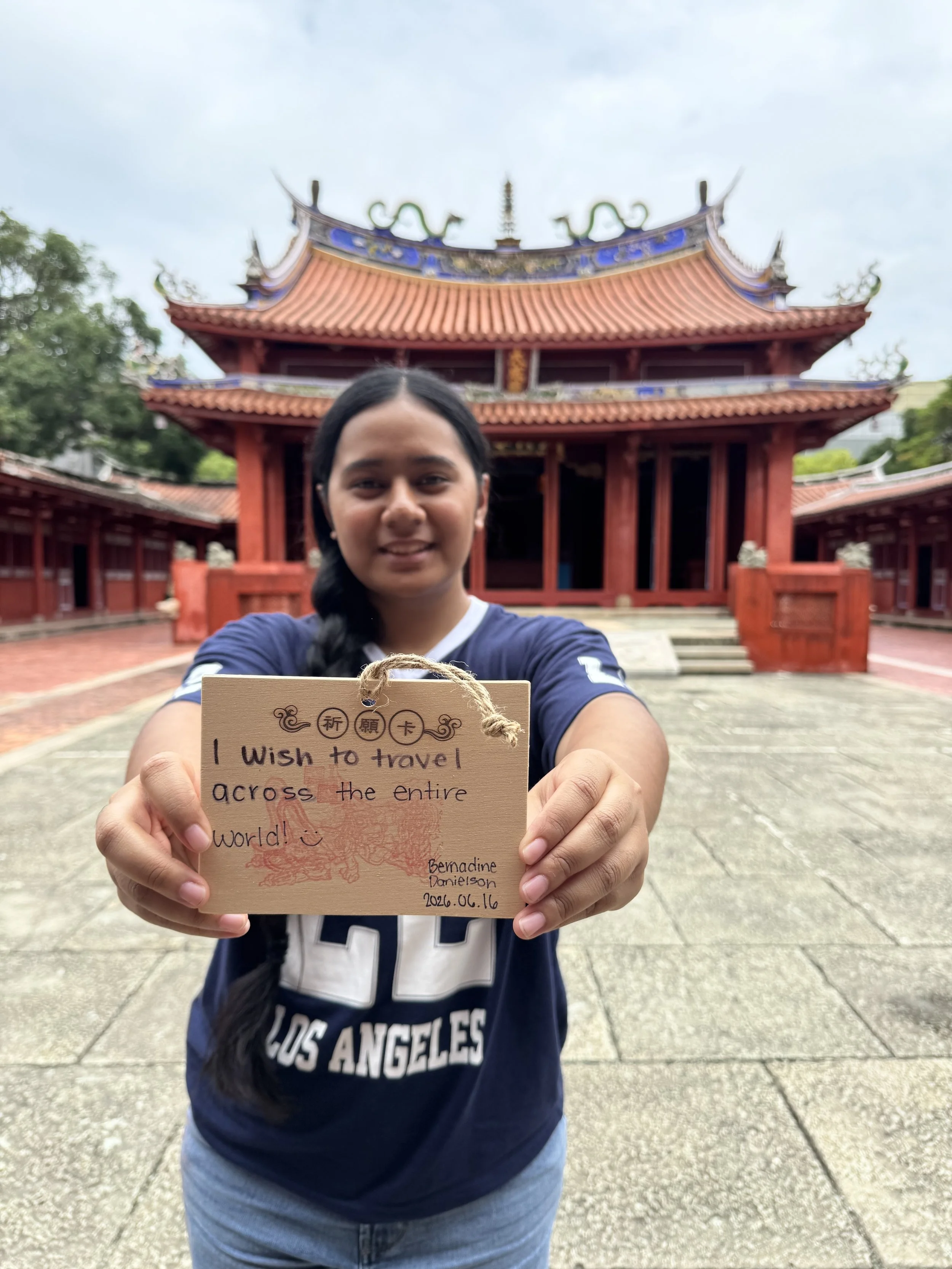
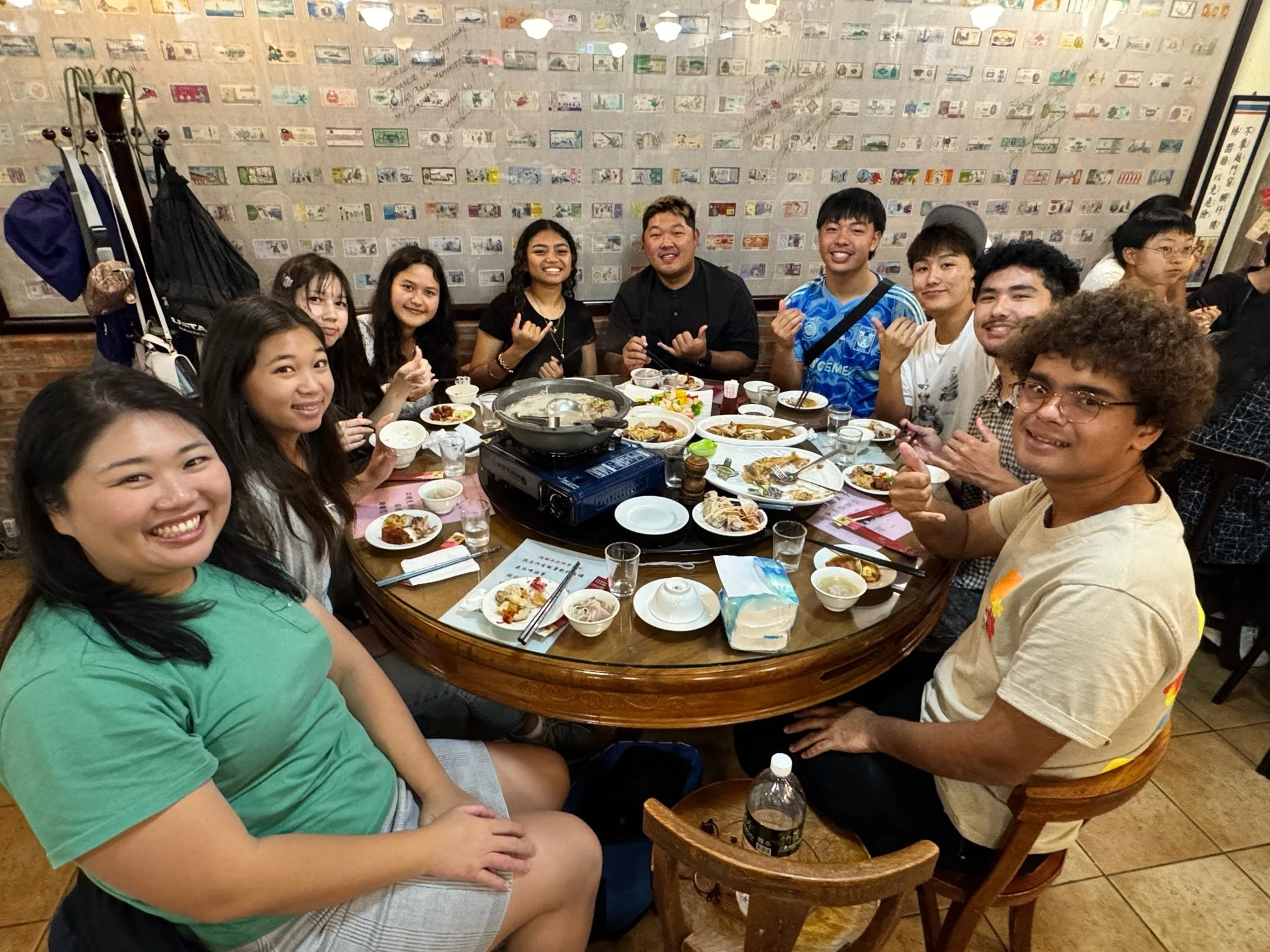
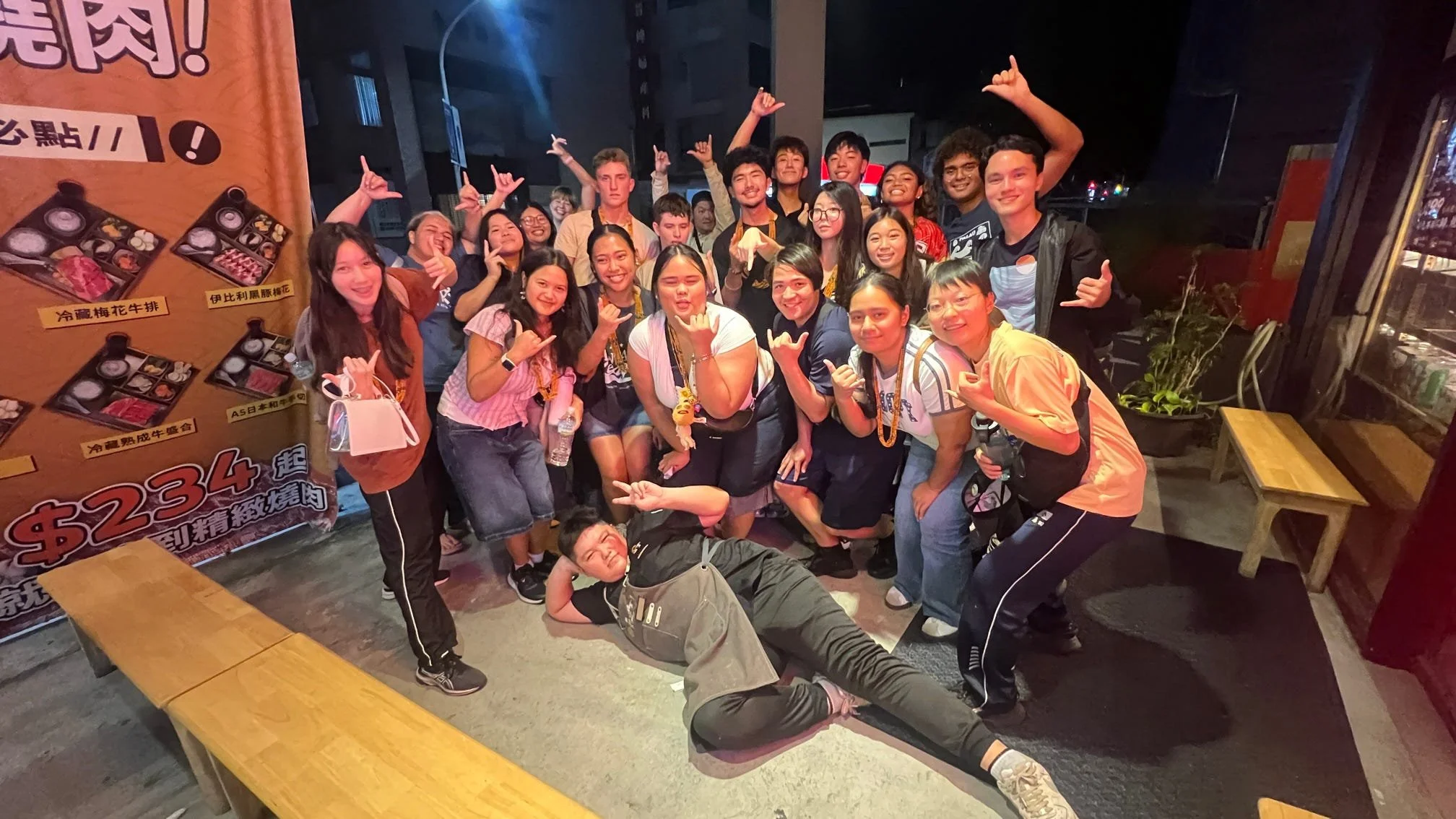
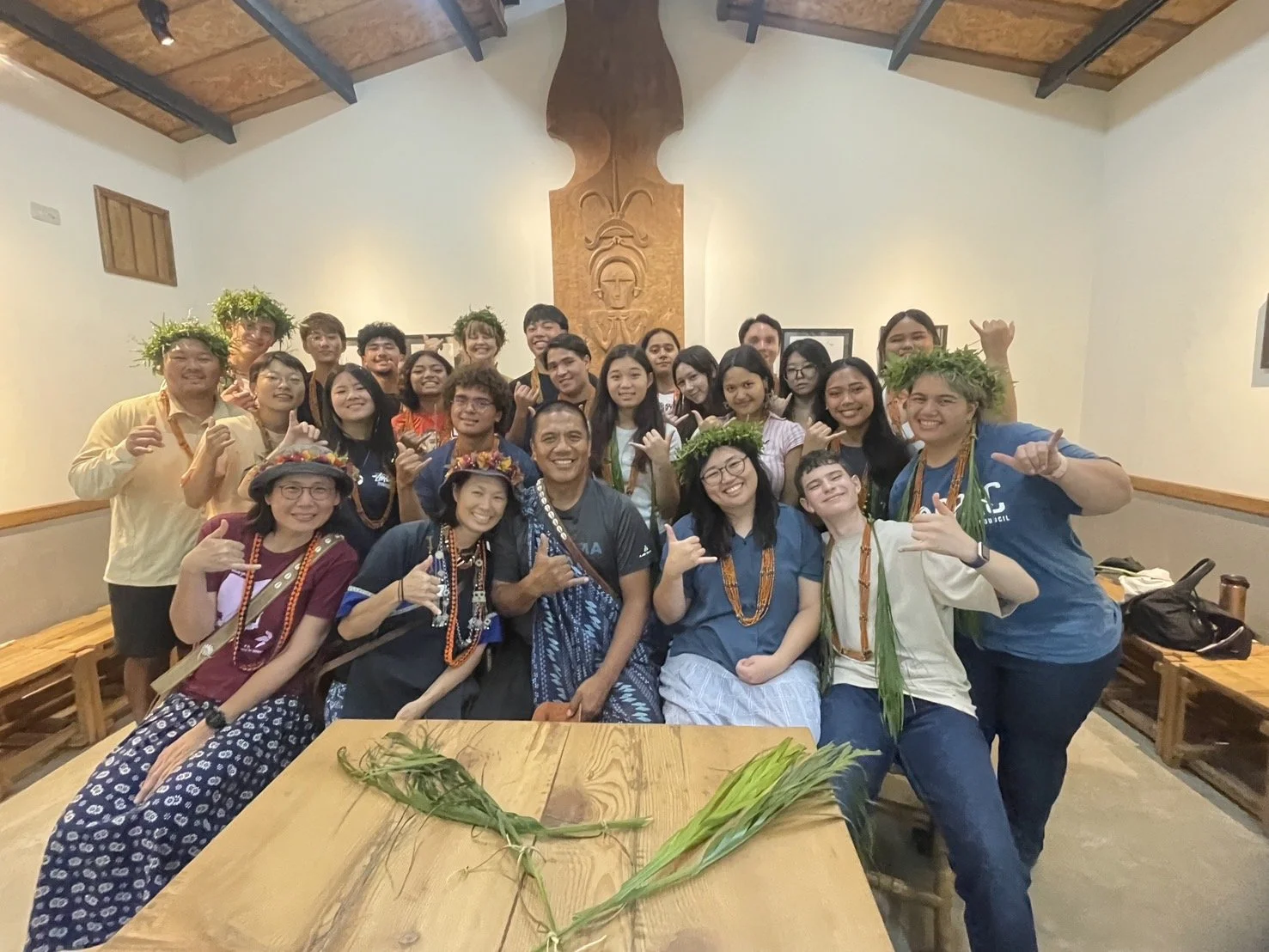
The cohort was Akira Fujita (Kaiser High School), Anika Joy Cortez (Waipahu High School), Conner Birdsall (Hawai’i Technology Academy - Waipahu), Bernadine “Dean” Danielson (Waipahu High School), Ellie Takara (Mililani High School), Evan Burgess (Kaua’i High School), Evan Hadfield (Homeschool), Hugo Lum (Kalani High School), Jariya Baum (Punahou School), Jerry Jiang (Kealakehe High School), Joshua Garcia (Kaiser High School), Liliana Lavy (‘Iolani School), Manu Takeshita (King Kekaulike High School), Max Renguul (Campbell High School), Naomi Tokishi (Maui High School), Xingyuan "Star" Qian (‘Iolani School), Tehani Yada (Roosevelt High School), Vivien Gaile Gonzales (Hilo High School). Eighteen students, most of them strangers to each other before orientation, who would spend the next two weeks calling each other family.
Taipei: Dumplings, Democracy, and a Night Market Awakening
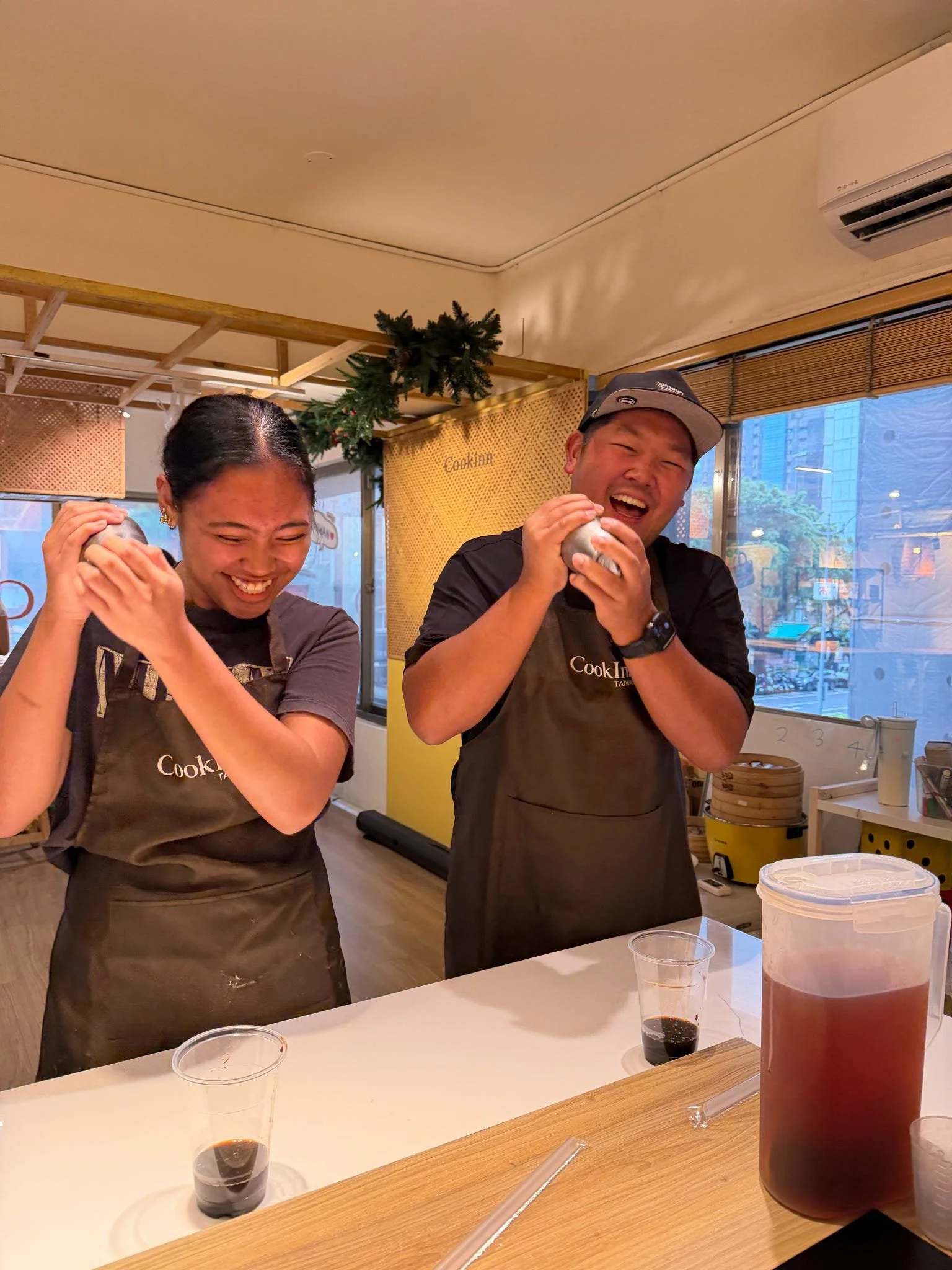
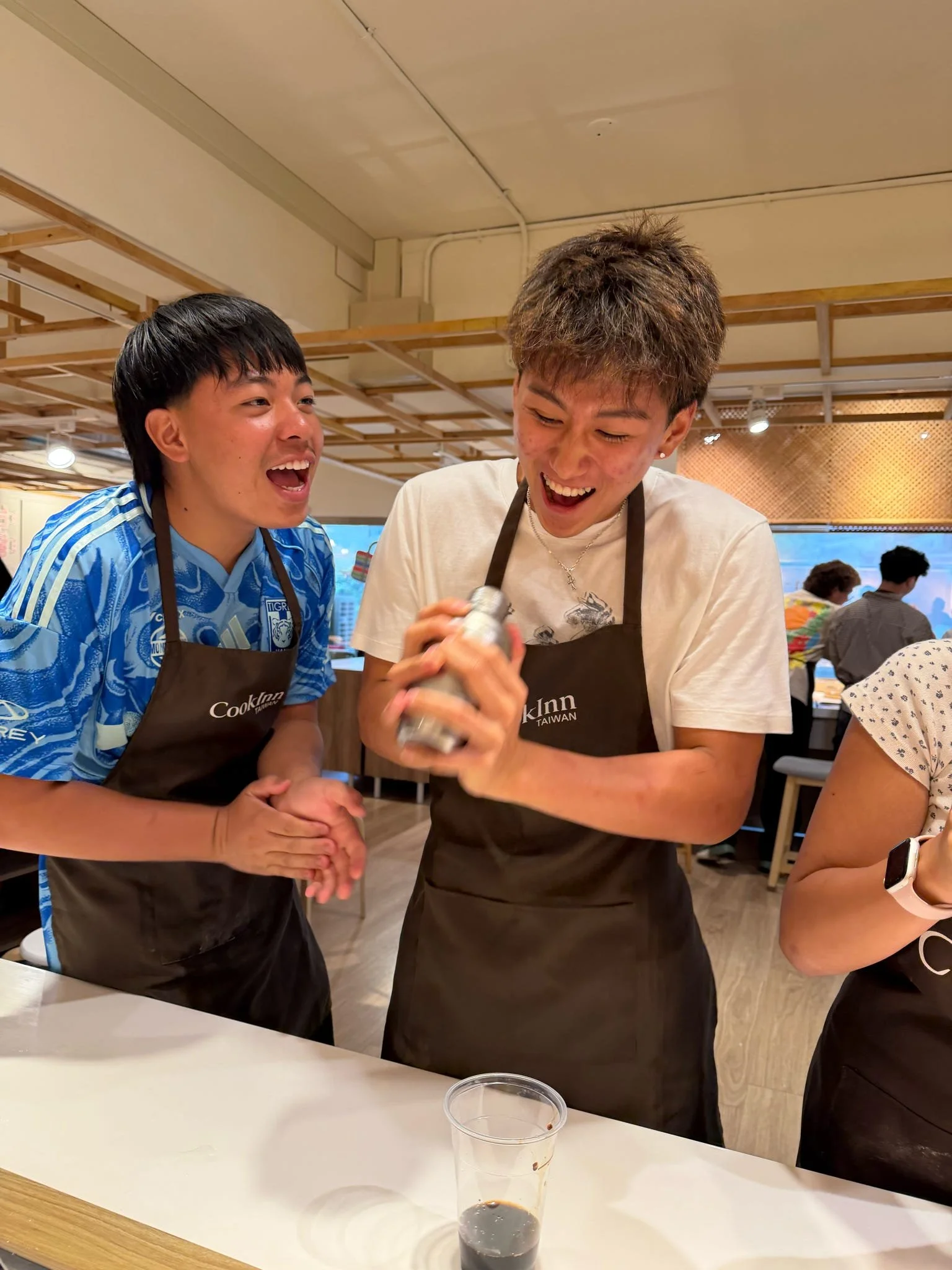
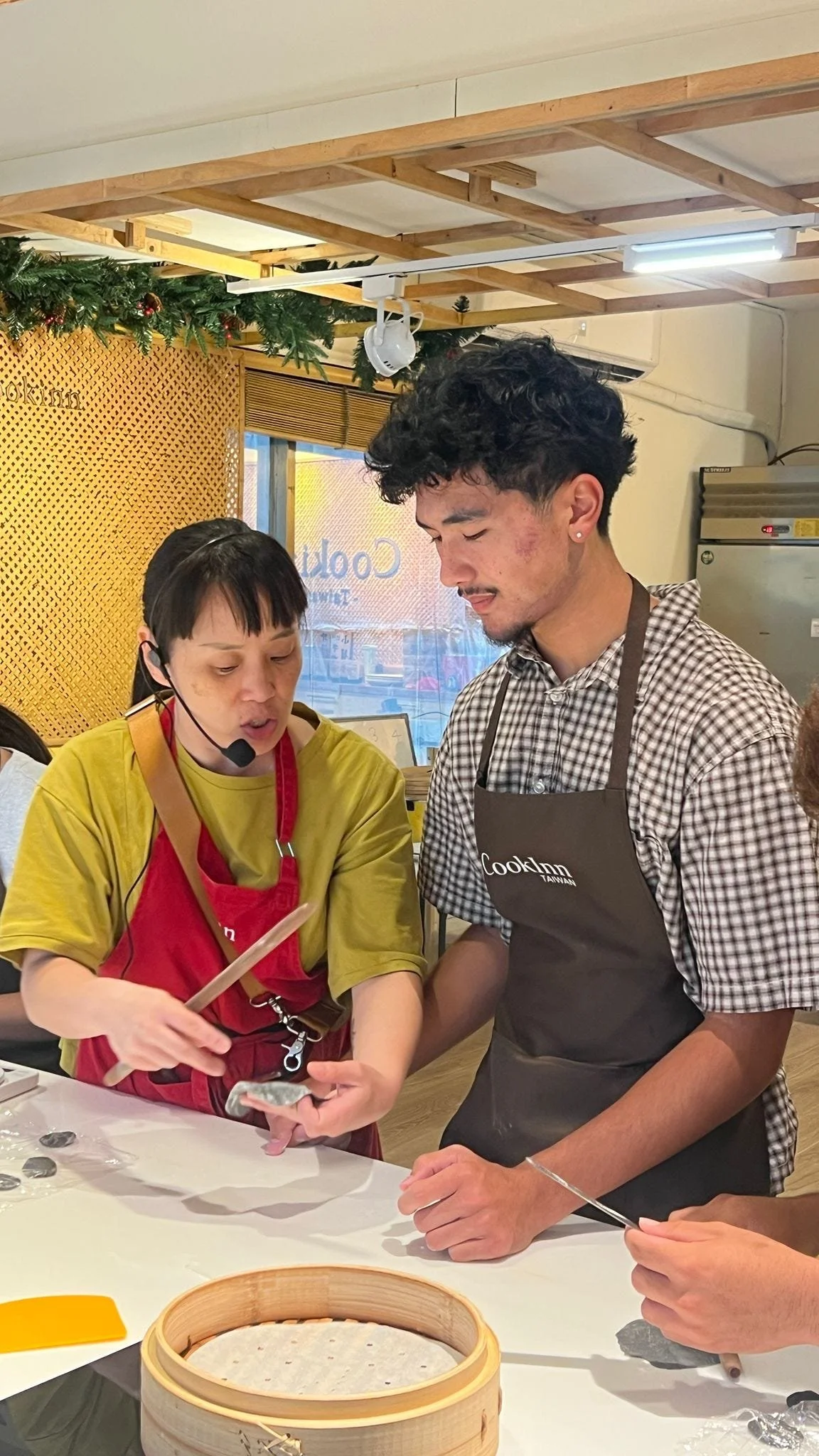
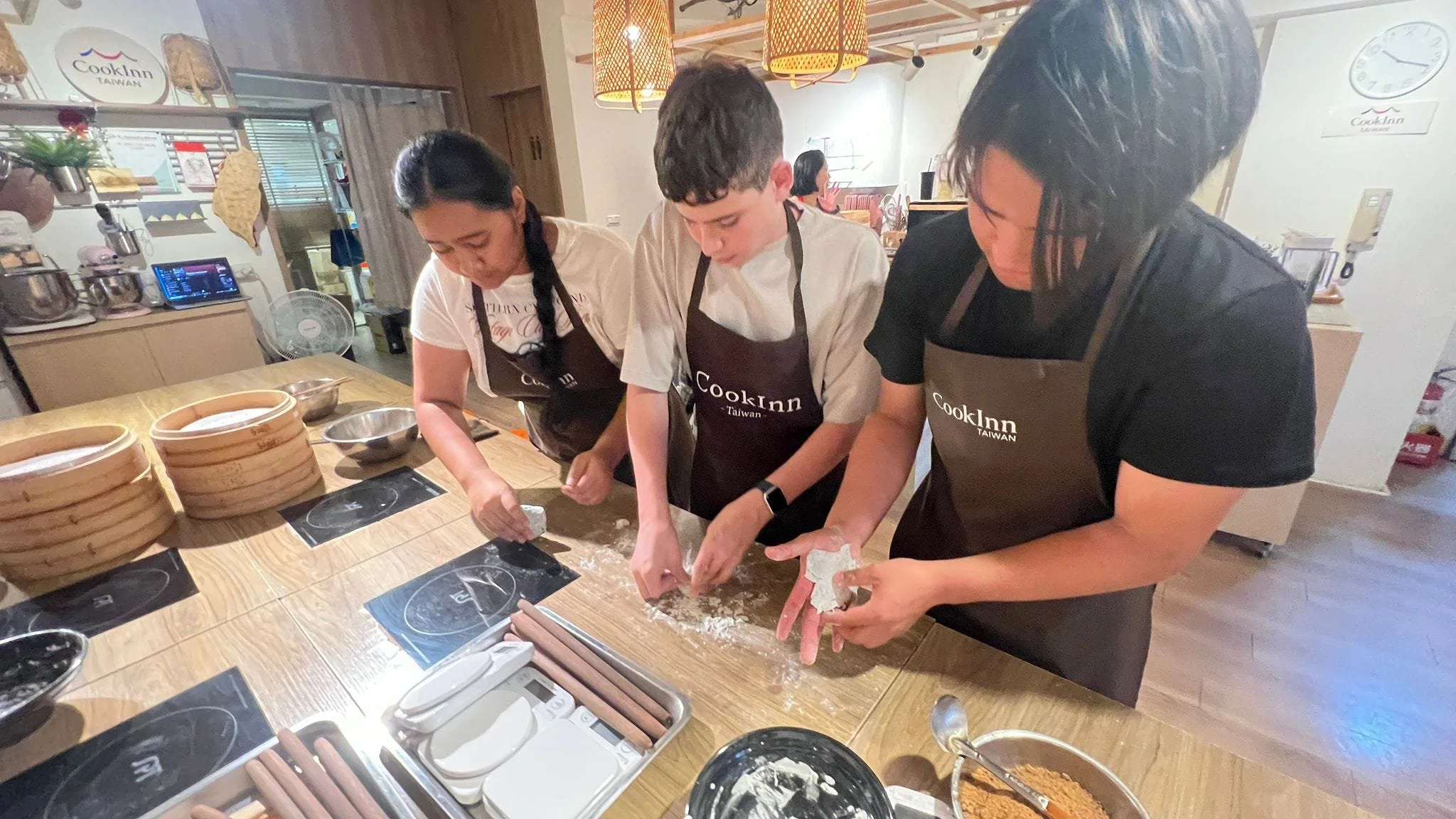
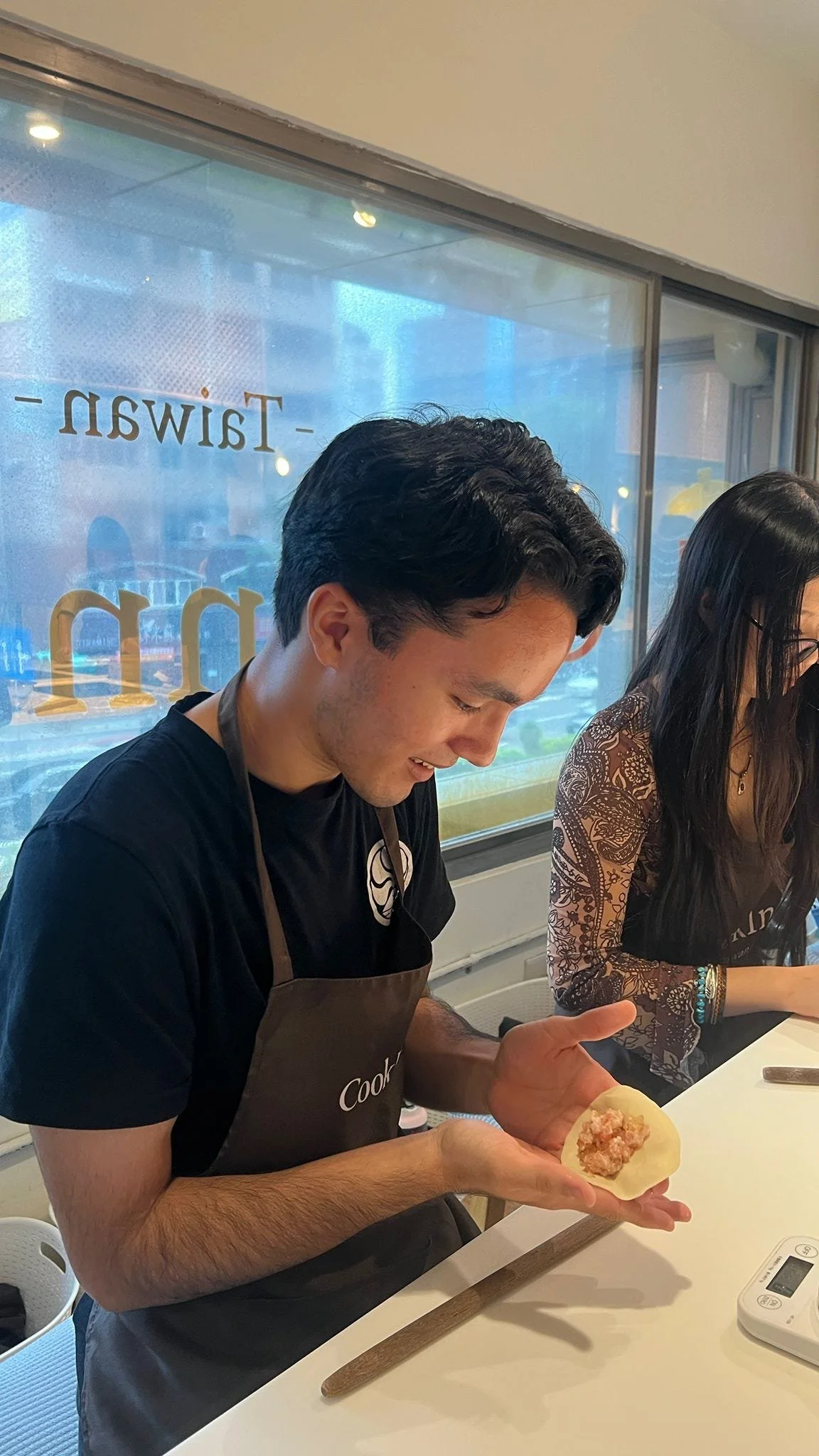
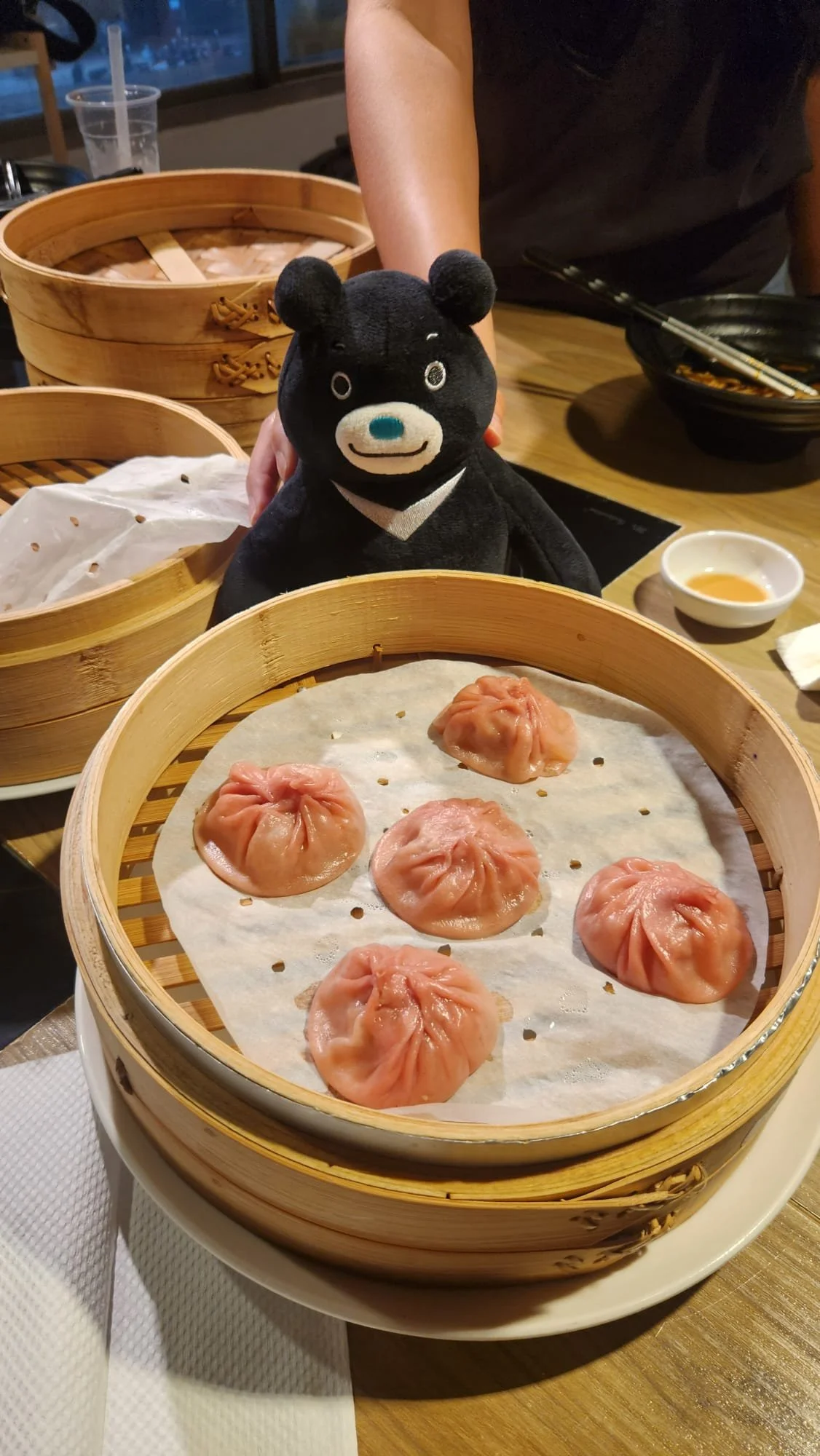
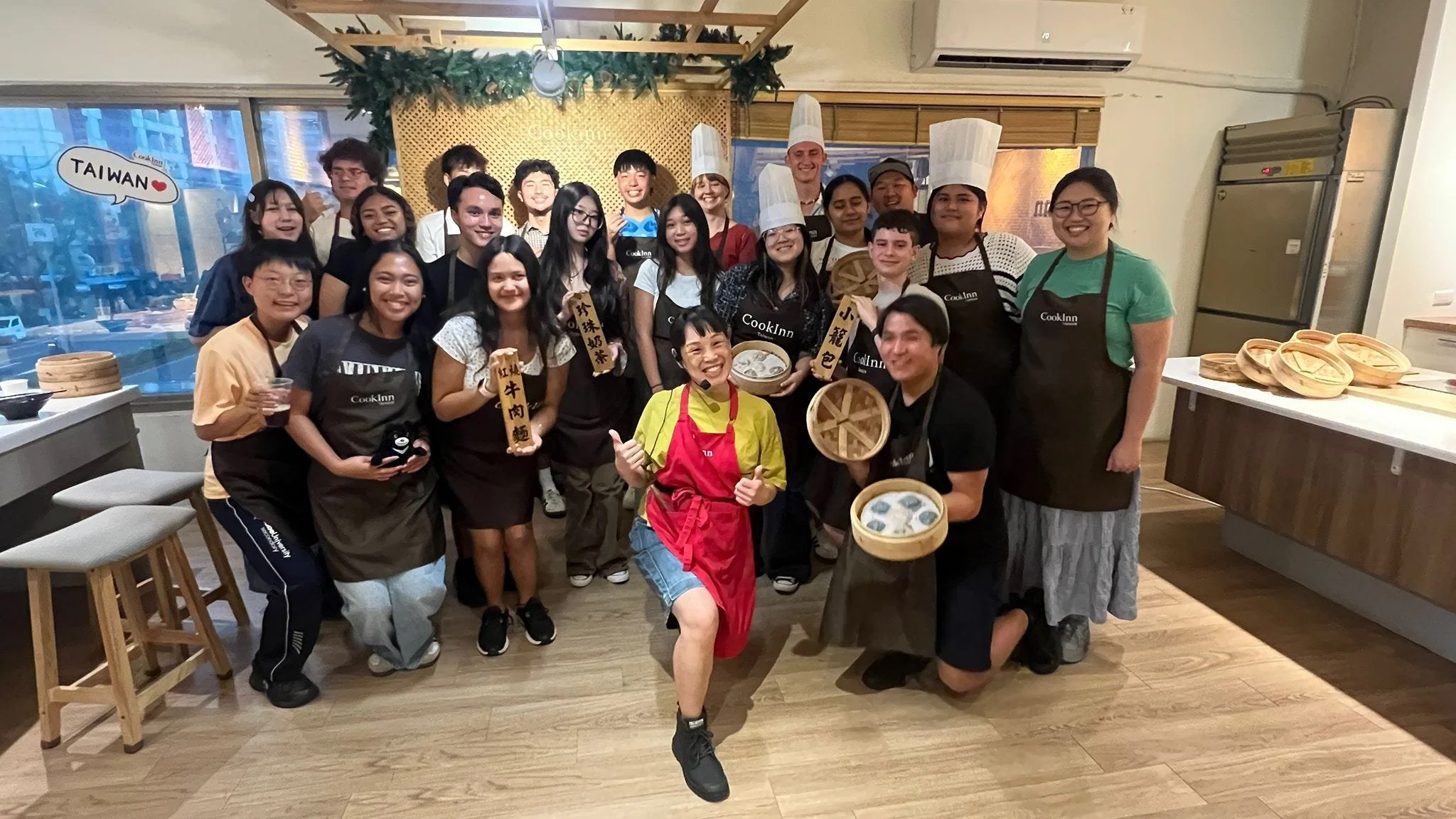
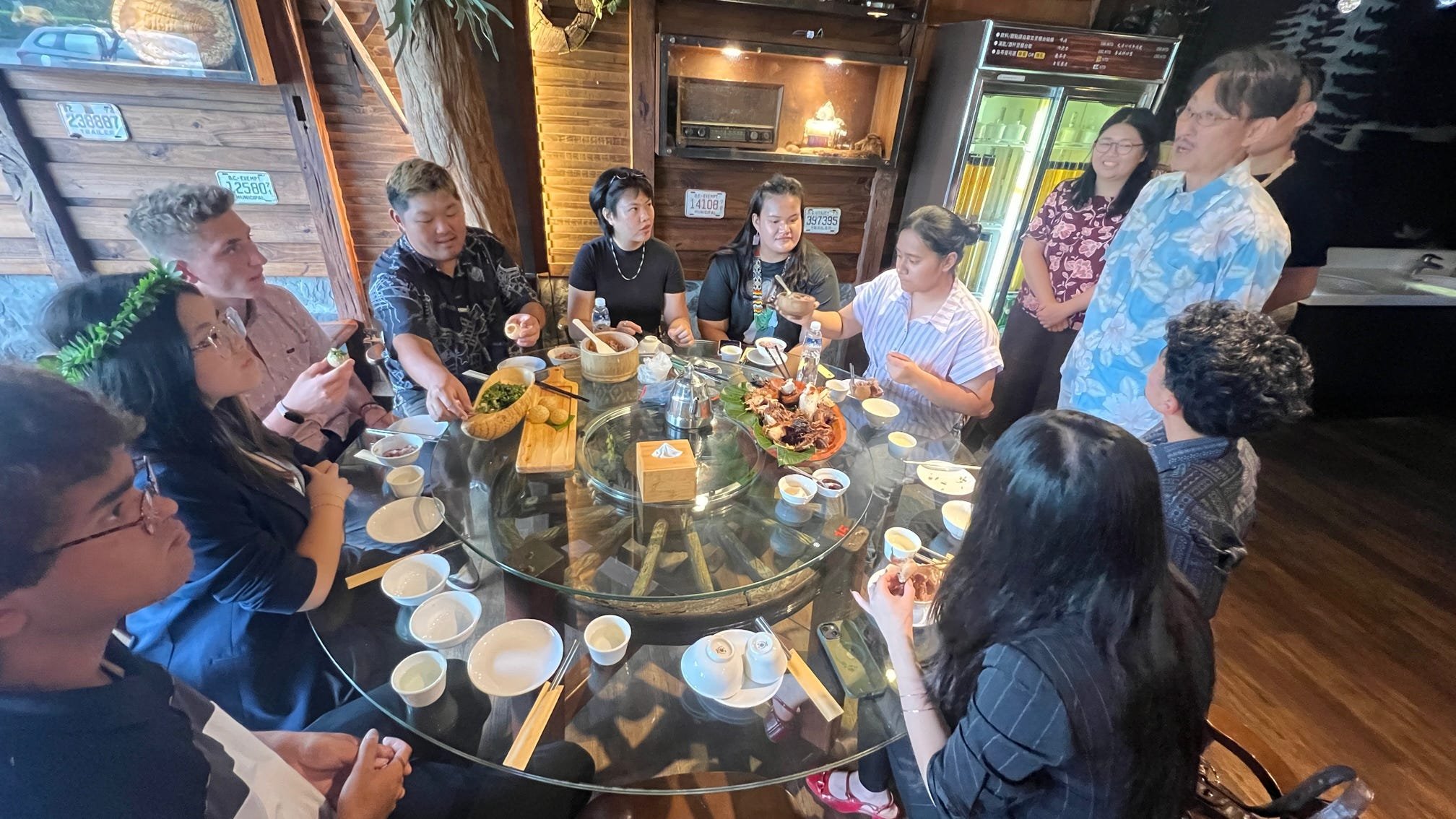
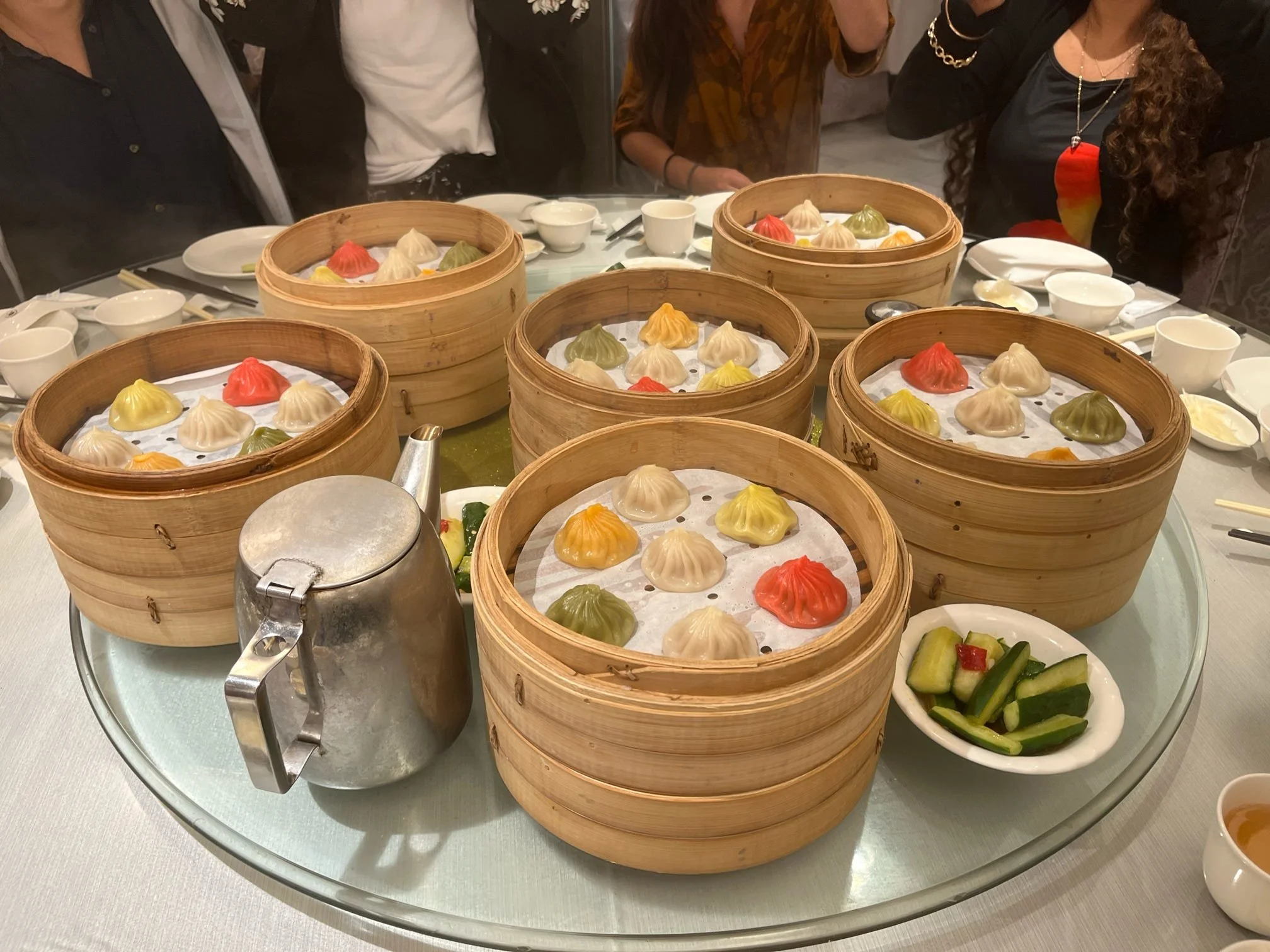
The trip began in a kitchen. On day one, the cohort gathered for a Taiwanese cooking class, learning to fold xiao long bao — soup dumplings — under instruction that made clear just how much skill goes into a dish most of them had only ever ordered. "It's that if you soak the dumpling in ginger and green onions, it gives the dumplings a unique and amazing flavor," Hugo Lum (Kalani High School) reported, proud of what he called a "sneaky sneak secret." Max Renguul (Campbell High School) admitted his first attempts looked rough, but the taste changed his mind entirely: "Never judge a book by its cover." For Dean Danielson (Waipahu High School) the real gift wasn't the dumpling itself but the recipe card that came with it — something to carry home and hand to family, "like bringing their culture back home."
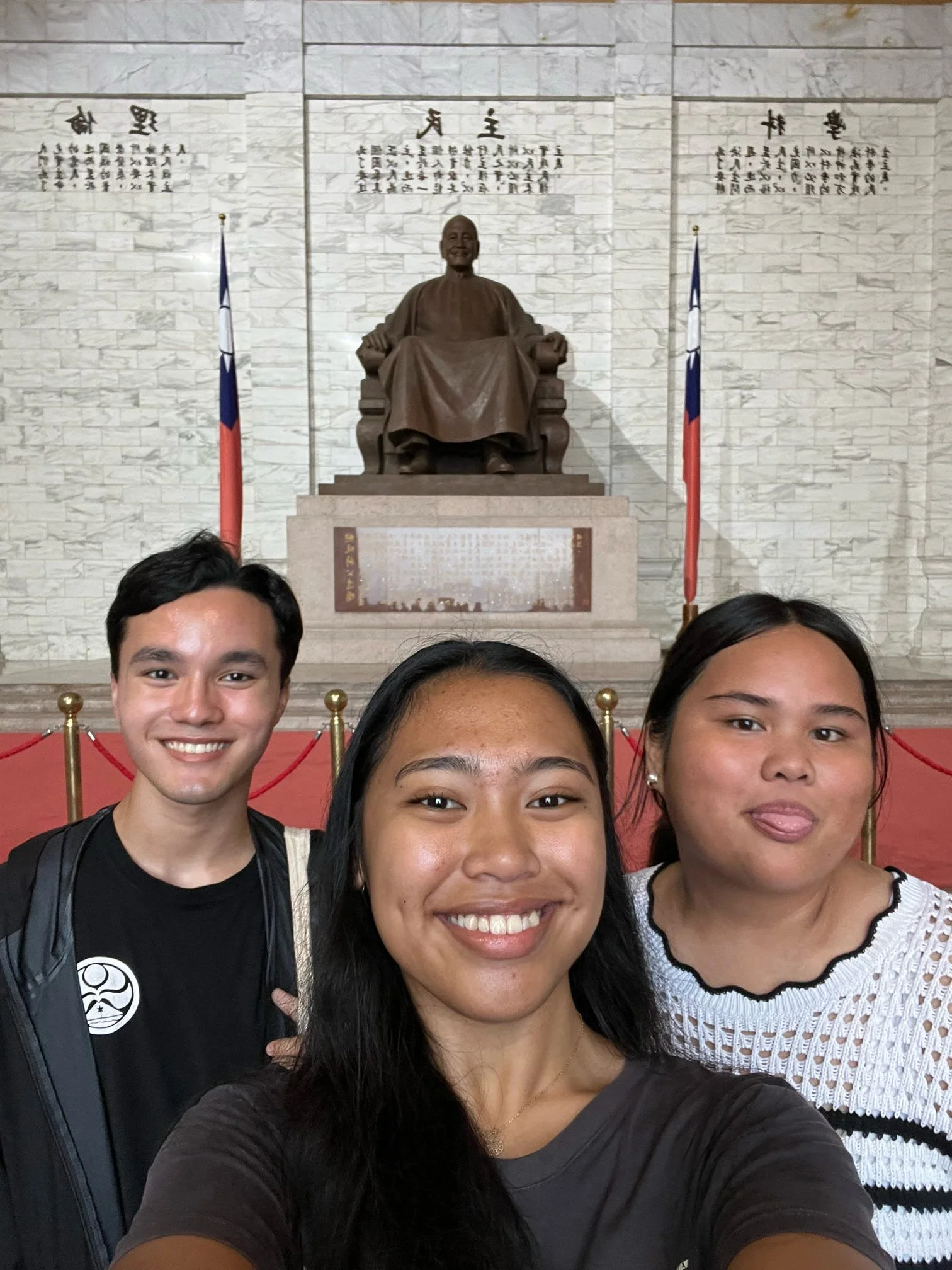
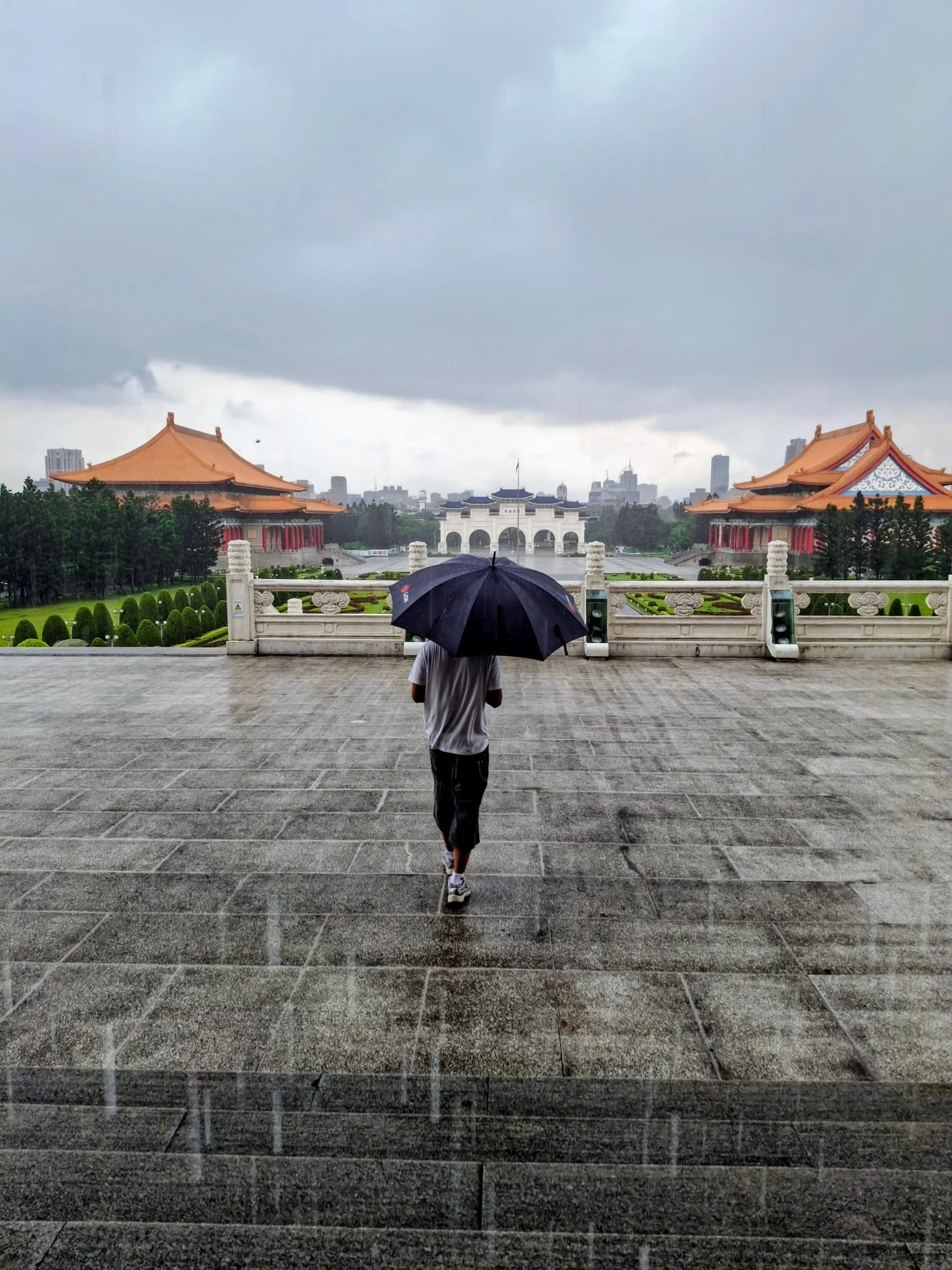
From the kitchen, the group walked straight into Taiwan's political memory at the Chiang Kai-shek Memorial Hall. Several students were struck by its scale and by the discomfort embedded in its symbolism. Akira Fujita (Kaiser High School) had not expected to feel so unsettled: visiting a monument built to commemorate an authoritarian first president made them ask "how is the authoritarian regime after World War II shaping today's Taiwan?" Joshua Garcia (Kaiser High School) counted the eighty-nine steps — one for each year of the president's life — and left wondering whether the idolization built into the architecture had shaped Taiwan's politics the way monuments shape political memory anywhere. Evan Burgess (Kaua’i High School) noticed how closely the seated statue echoed the Lincoln Memorial back home, a visual reminder of just how tangled the United States and Taiwan's histories really are.
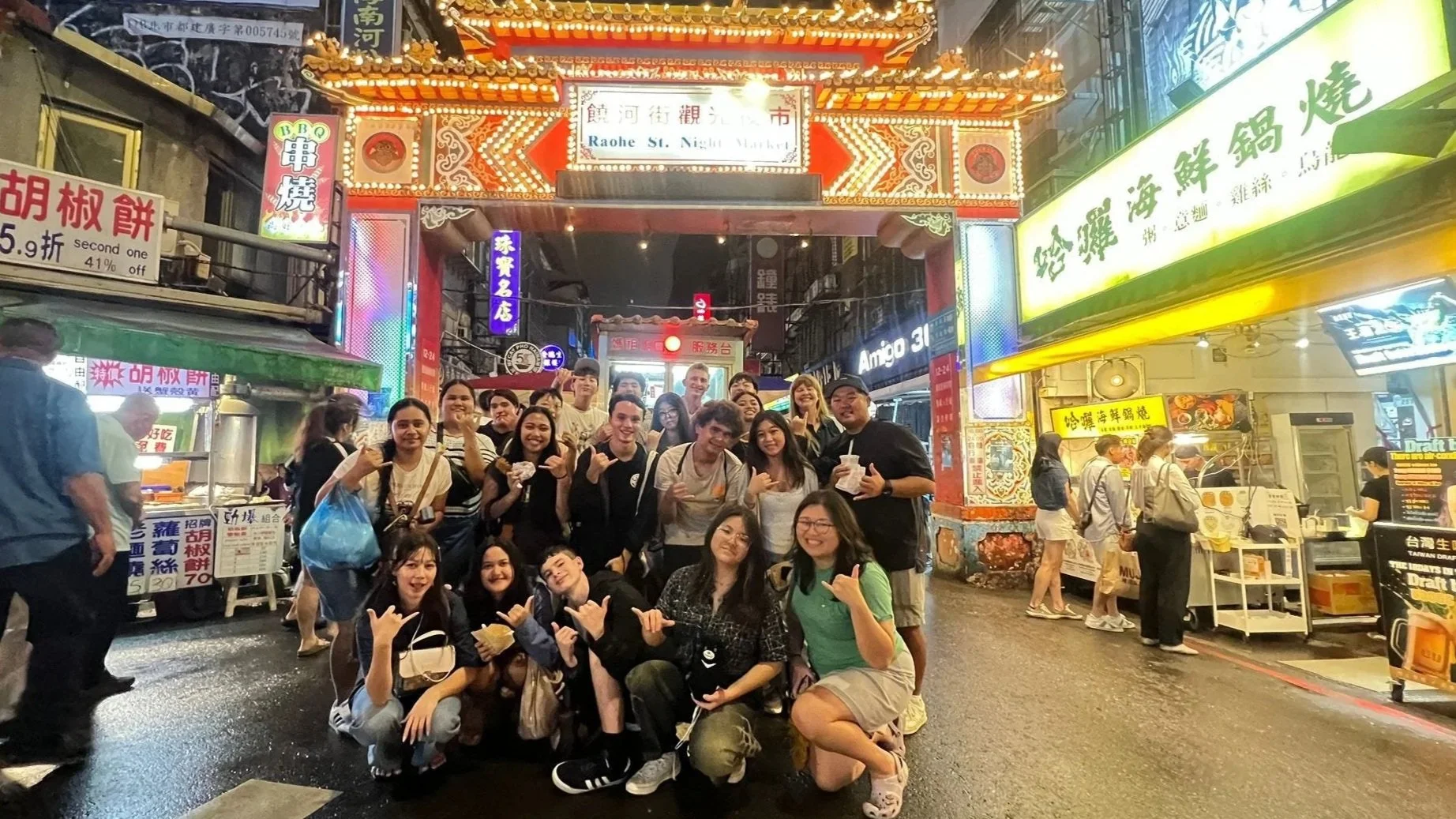
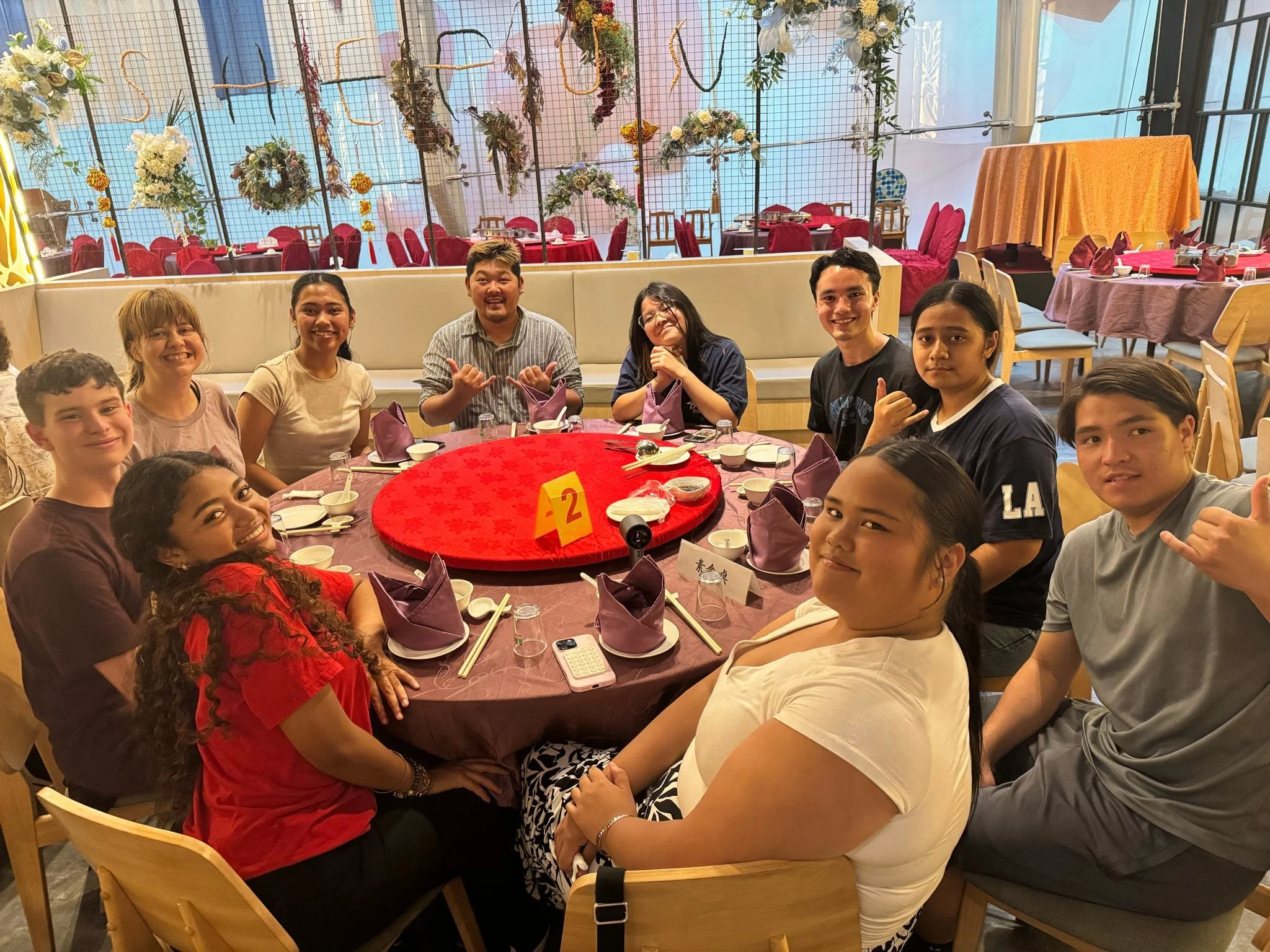
That night, the cohort spilled into Raohe Street Night Market, trading stir-fried squid and stinky tofu for game booths and neon-lit stalls. Jerry Jiang (Kealakehe High School) had assumed the smell of stinky tofu was manageable; he left with a newfound respect for exactly how "pungent" it could be. Ellie Takara (Mililani High School) lingered at the temple beside the market, watching people stop to shop, socialize, and pray to their gods all in the same breath — a night market that was doing three jobs at once, the way a good Hawaiʻi gathering often does.
Meeting Their Peers: Songshan and Da'an
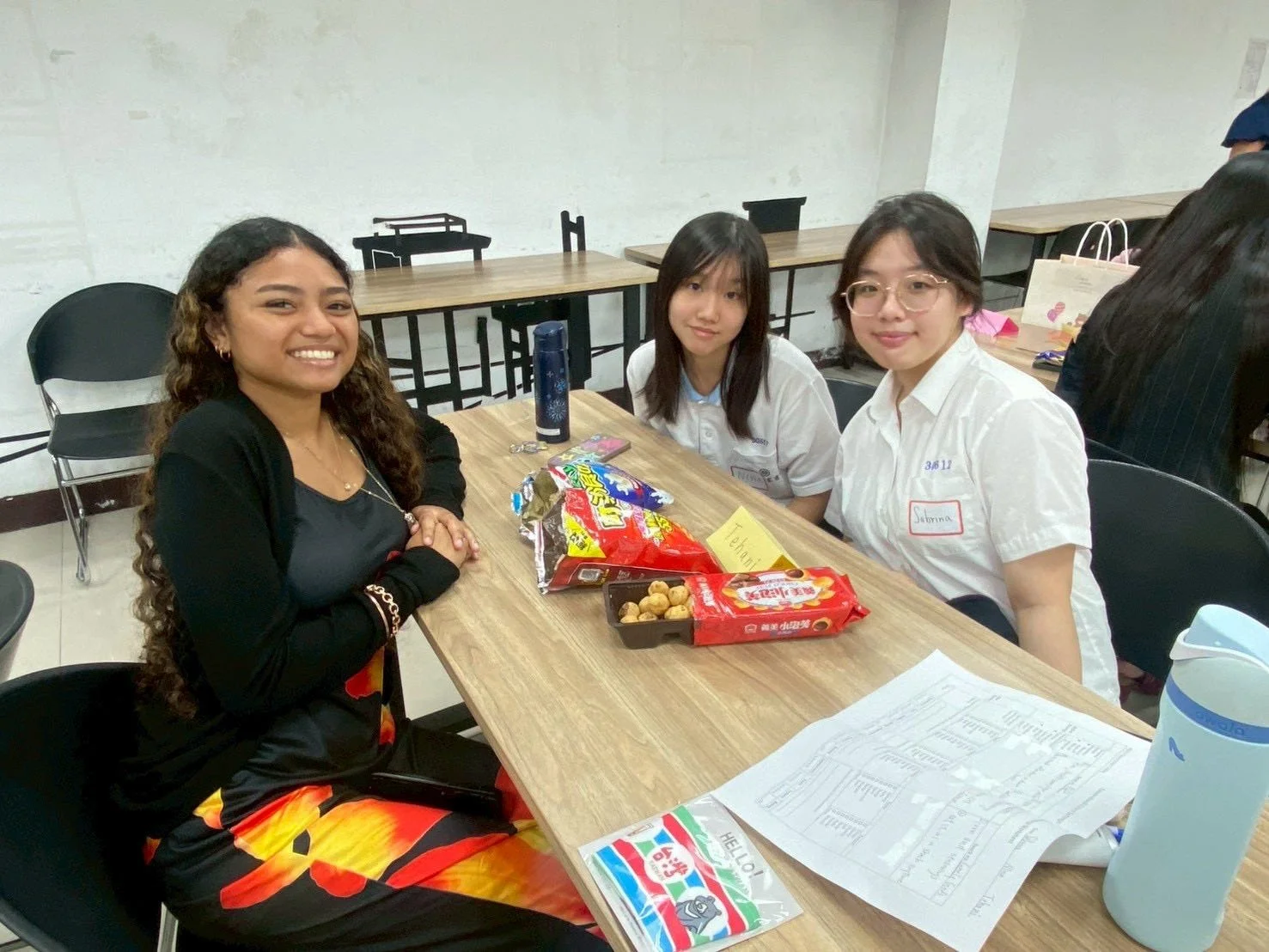
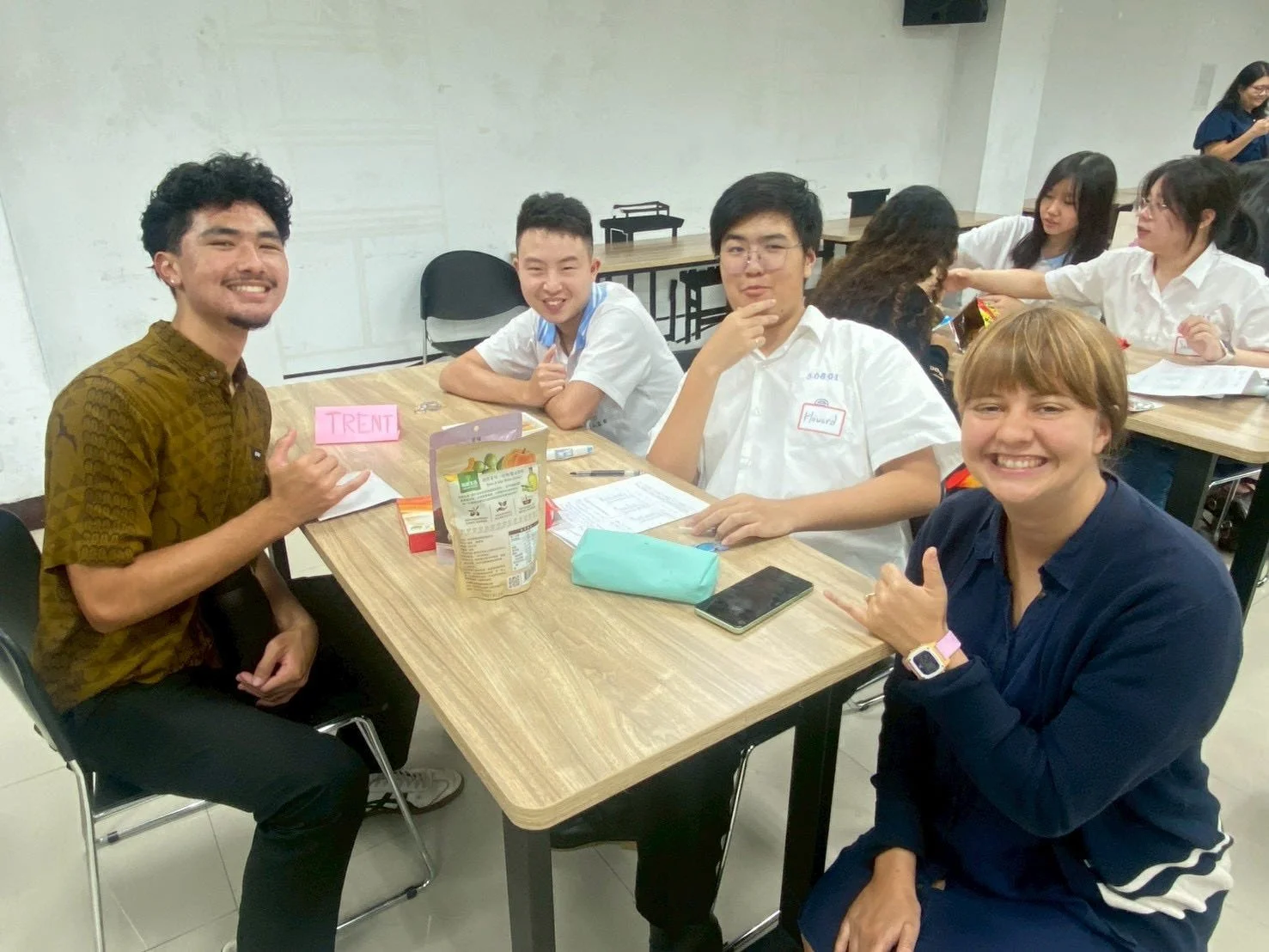
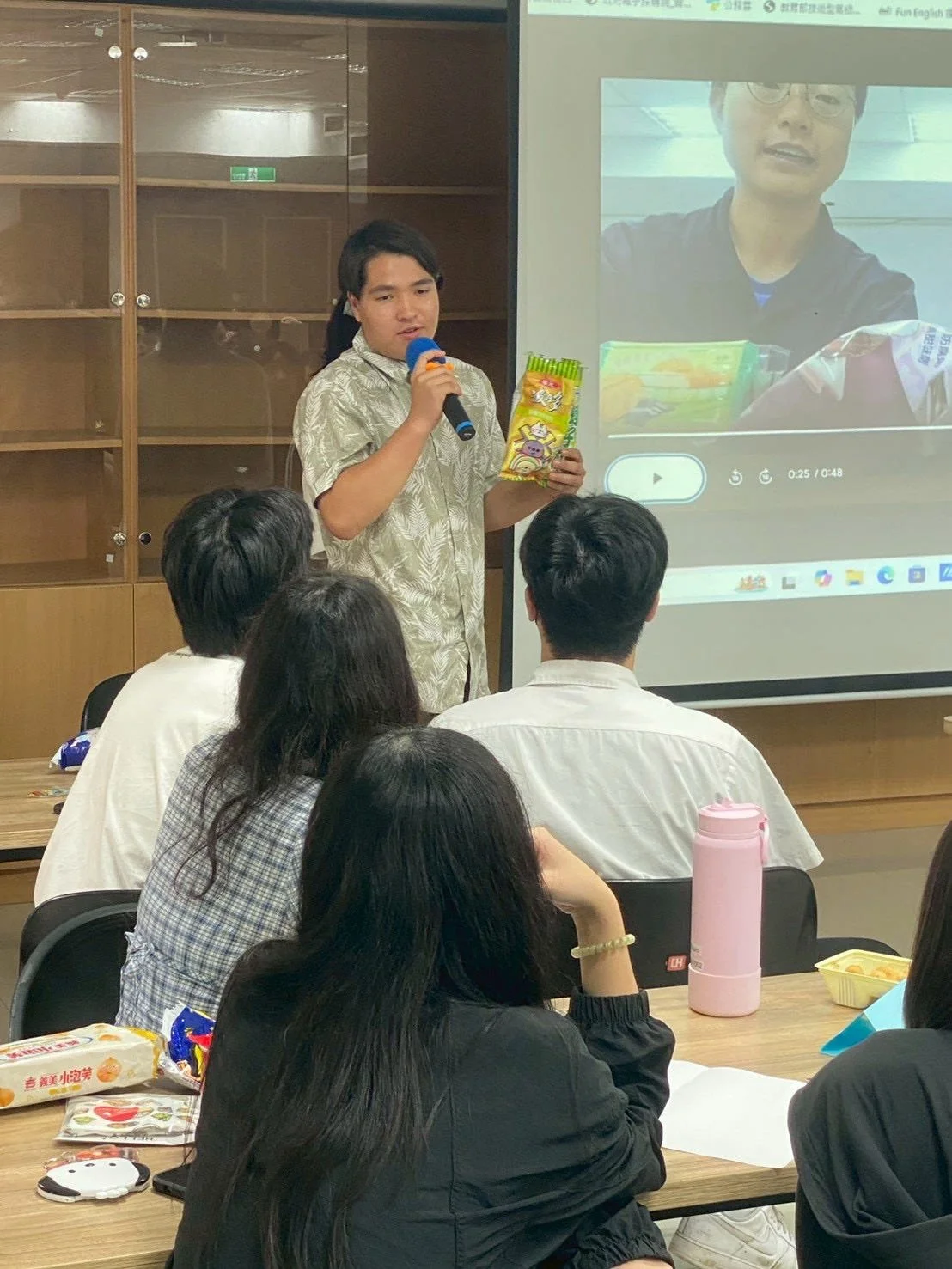
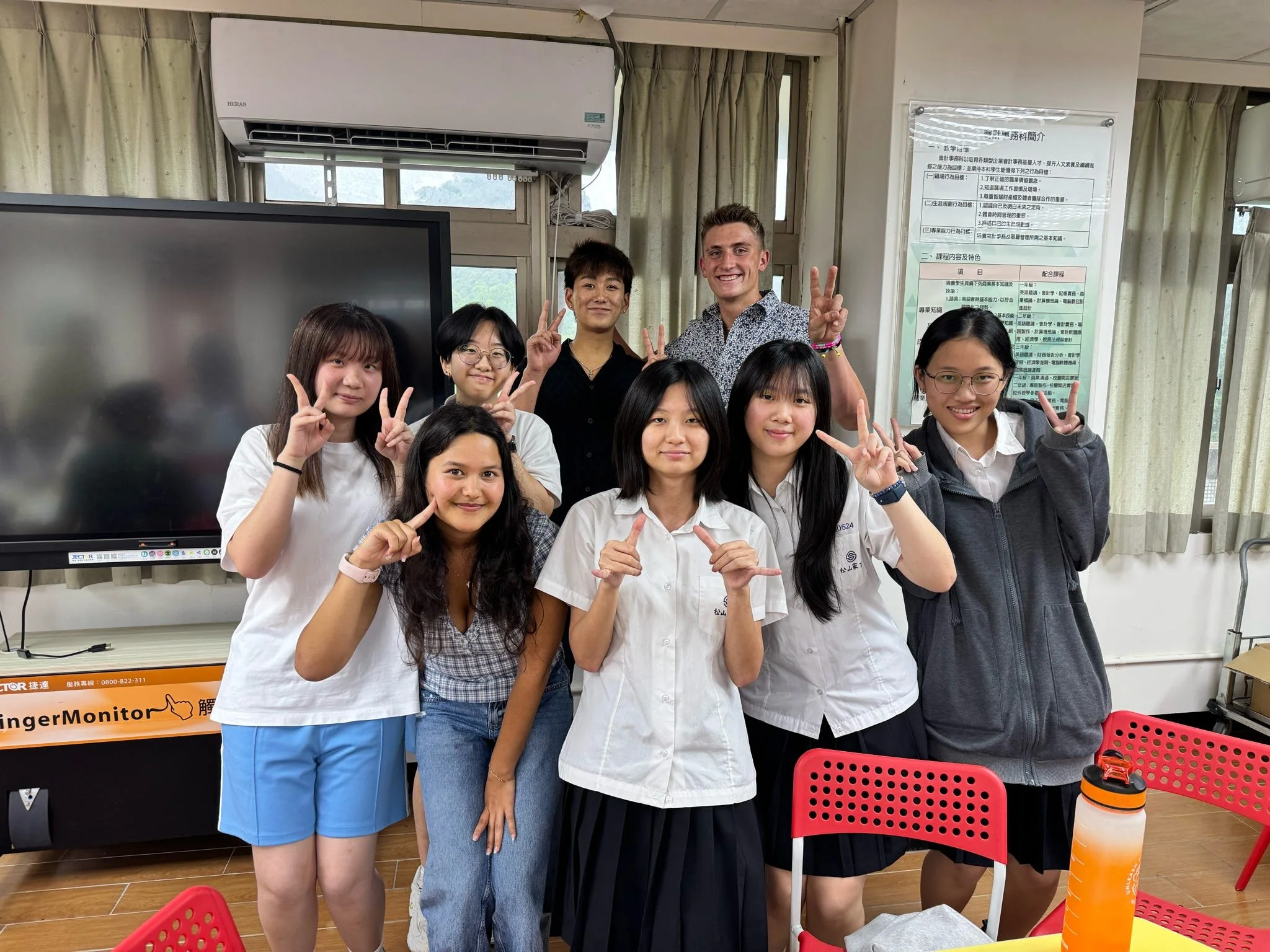
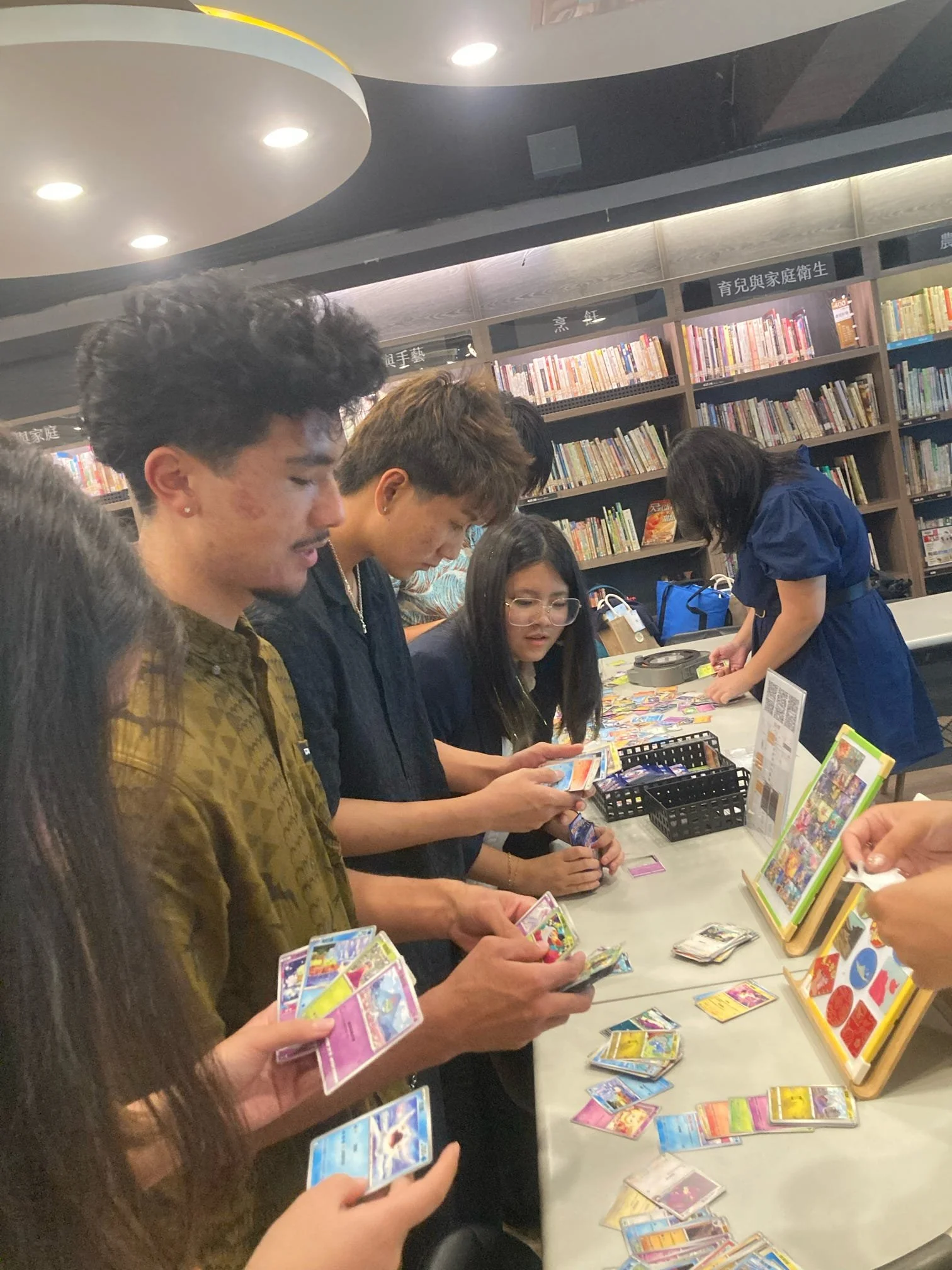
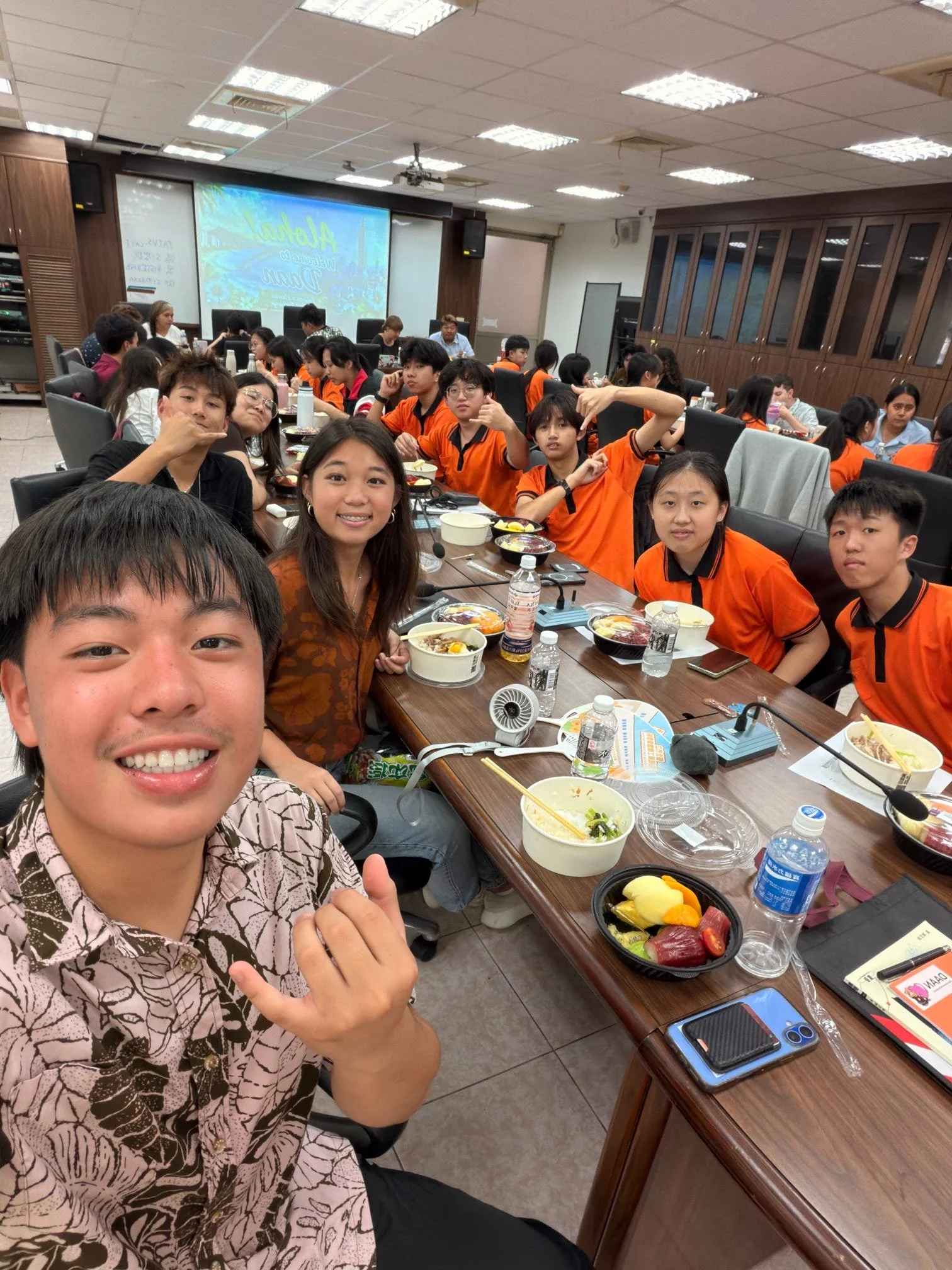
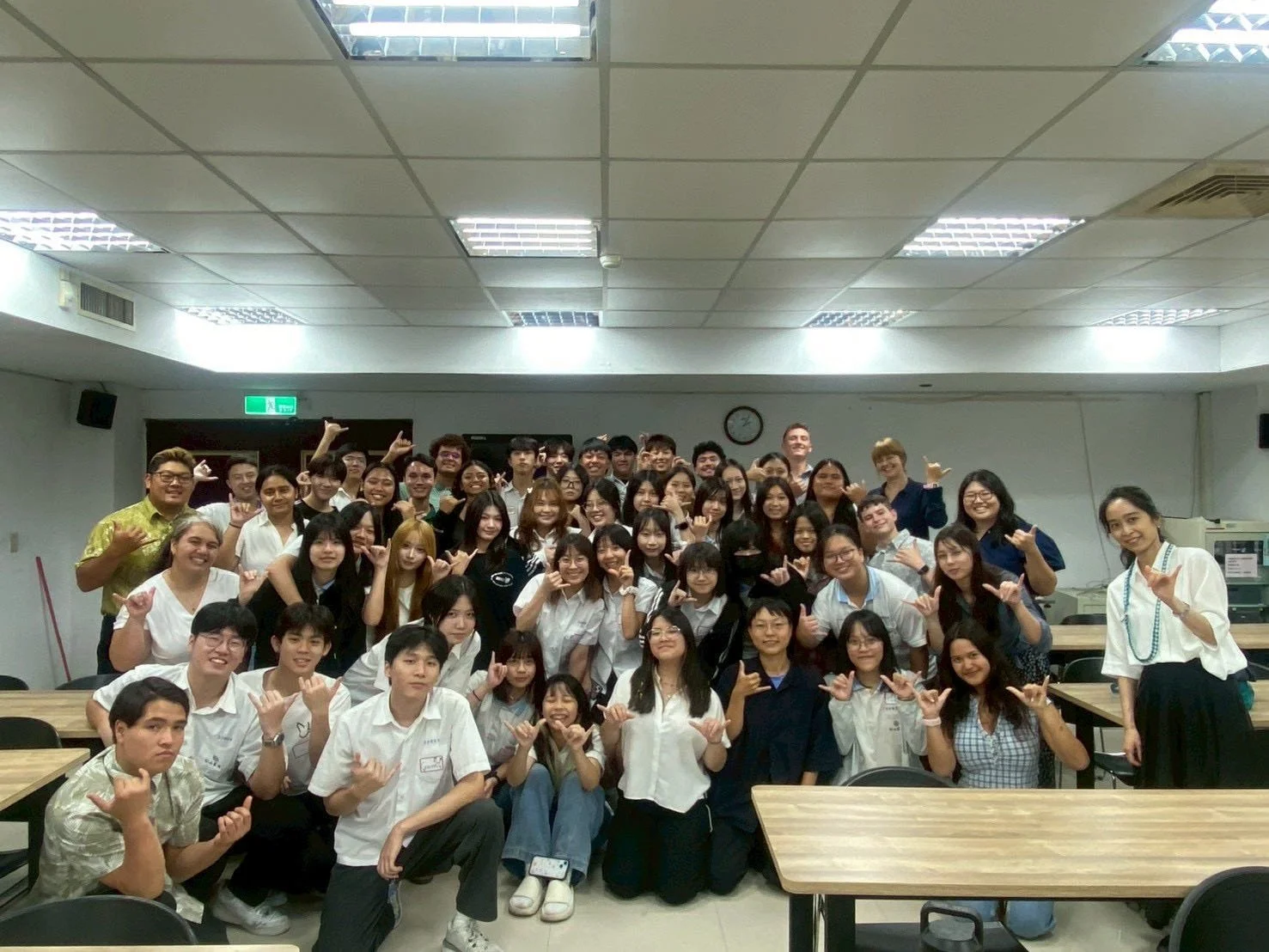
Two school exchanges bookended the trip, one near the beginning at Taipei Municipal Songshan High School of Commerce and Home Economics, the other near the end at Taipei Municipal Da'an Vocational High School — and together they did more to reshape assumptions than almost anything else on the itinerary. In Songshan, students traded snacks, compared class schedules, and discovered how much English their new friends spoke. Evan Burgess (Kaua’i High School) had gone in nervous about a language barrier; instead, "the students we talked to were very proficient in English, and we connected with them very easily." Manu Takeshita (King Kekaulike High School) learned that Taiwanese students crush their instant ramen packets for a snack — exactly like he does back home — and came away certain that some things about being a teenager are universal no matter the ocean between you.
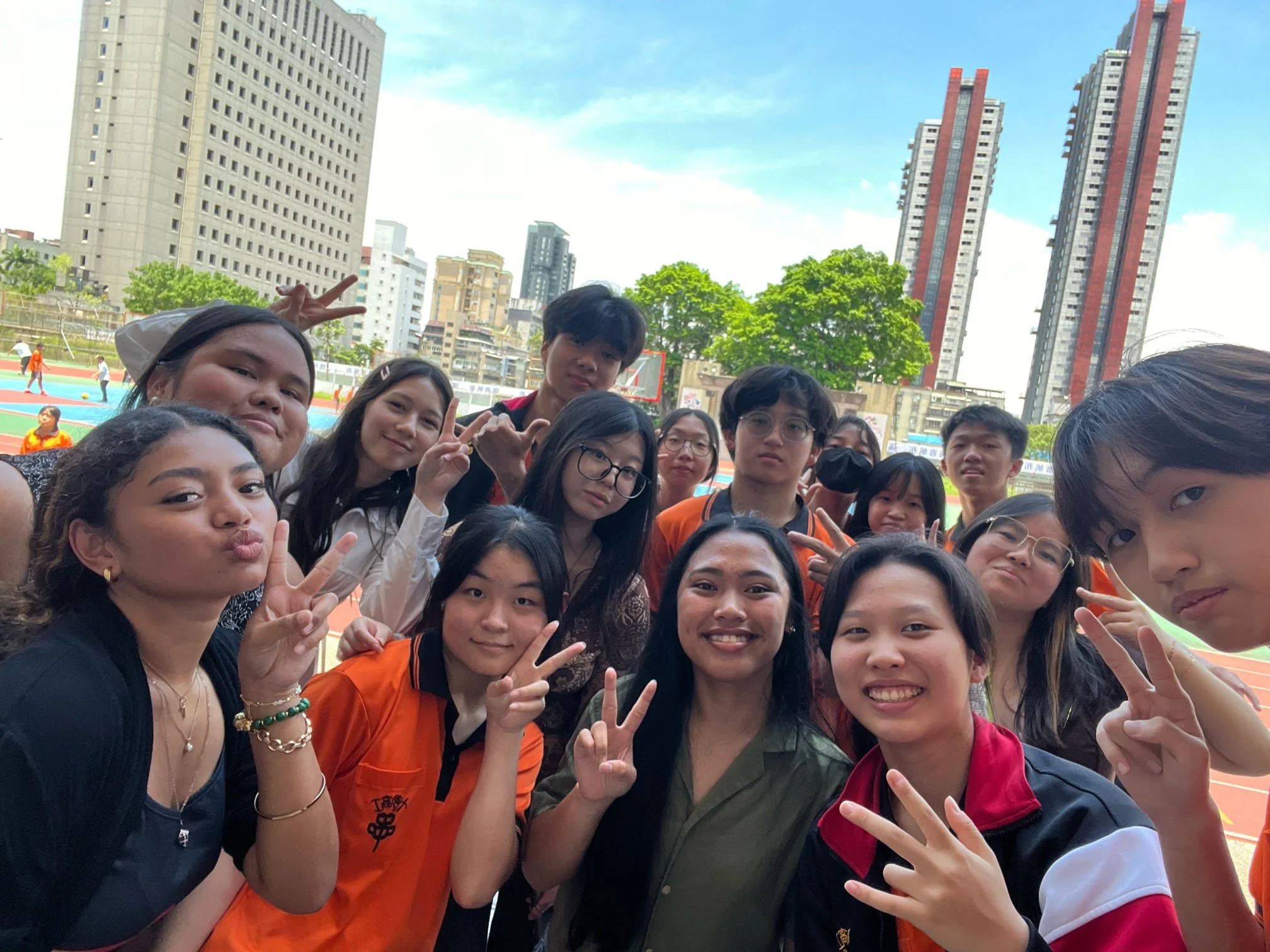
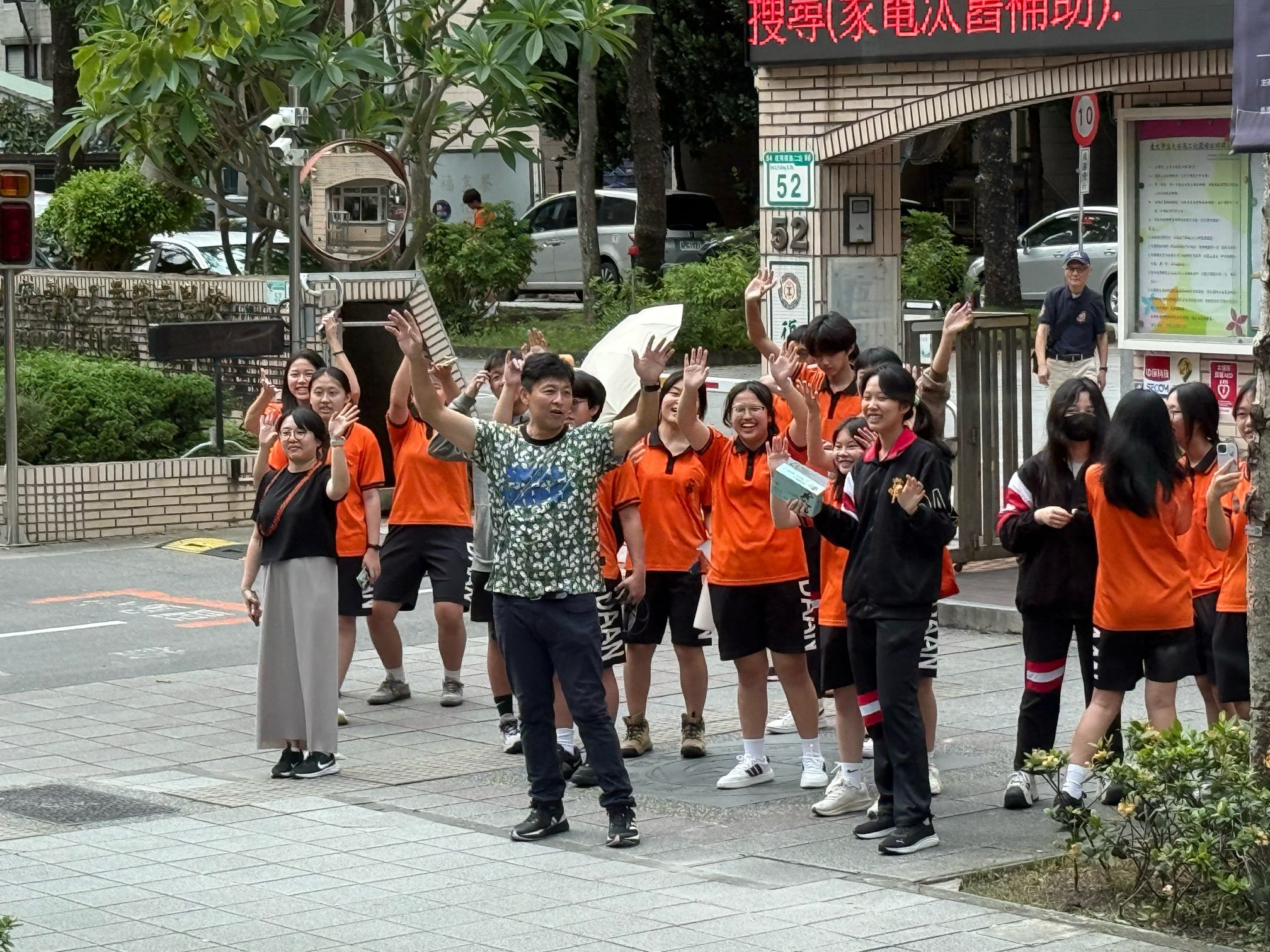
By the time the cohort reached Da'an, eleven days into the trip, the exchange felt different — deeper, less performative. Students spent an hour with individually paired "buddies," touring campus and swapping social media handles. Naomi Tokishi (Maui High School) appreciated finally getting to see how vast the campus was and how the relationships built over two weeks made this second exchange land harder than the first. Anika Joy Cortez (Waipahu High School) loved the student-led tour so much she admitted, twice, to spending too much money afterward at Ximending.
Hualien: A Beach, a University, and a Borrowed Garment
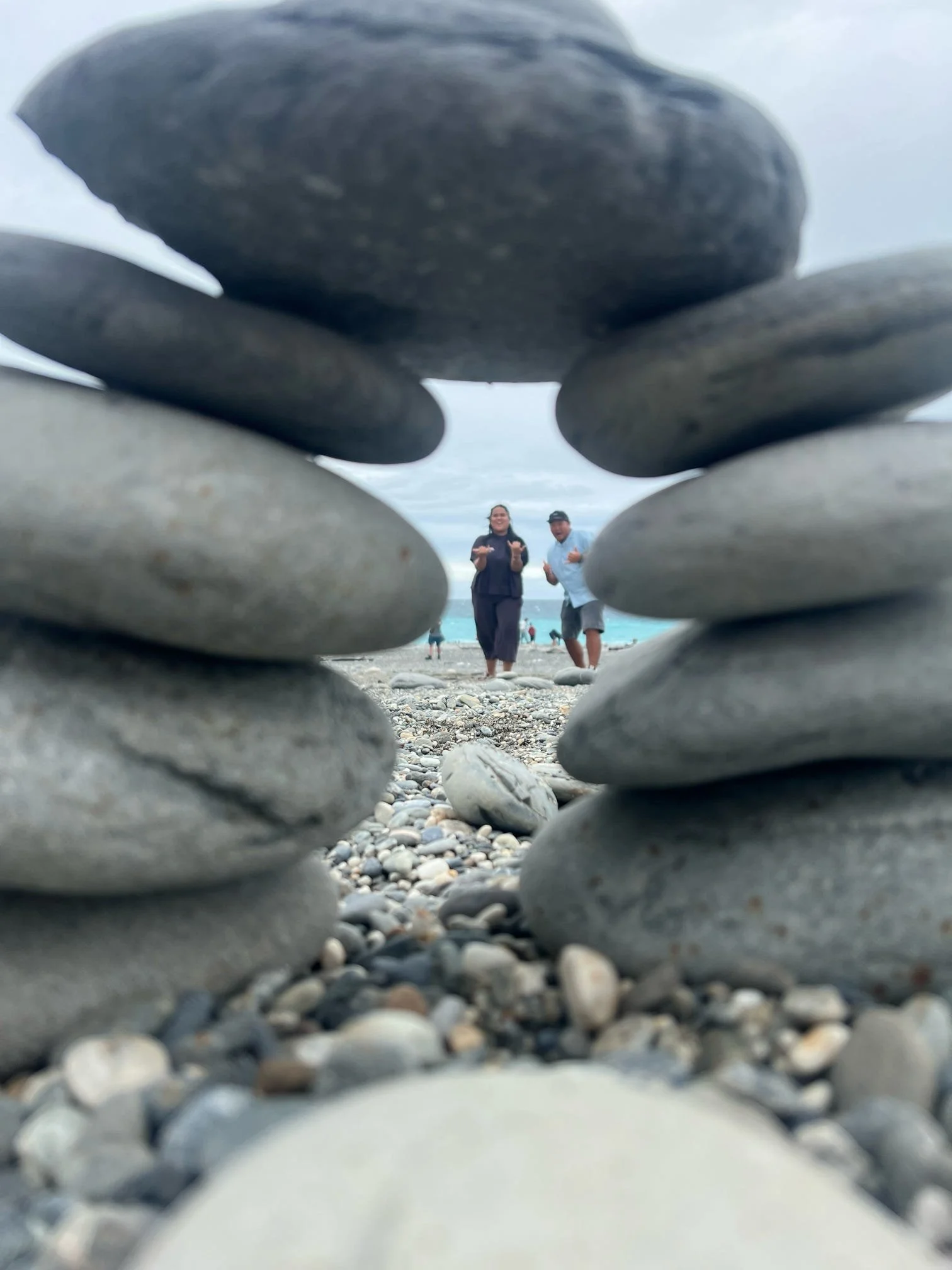
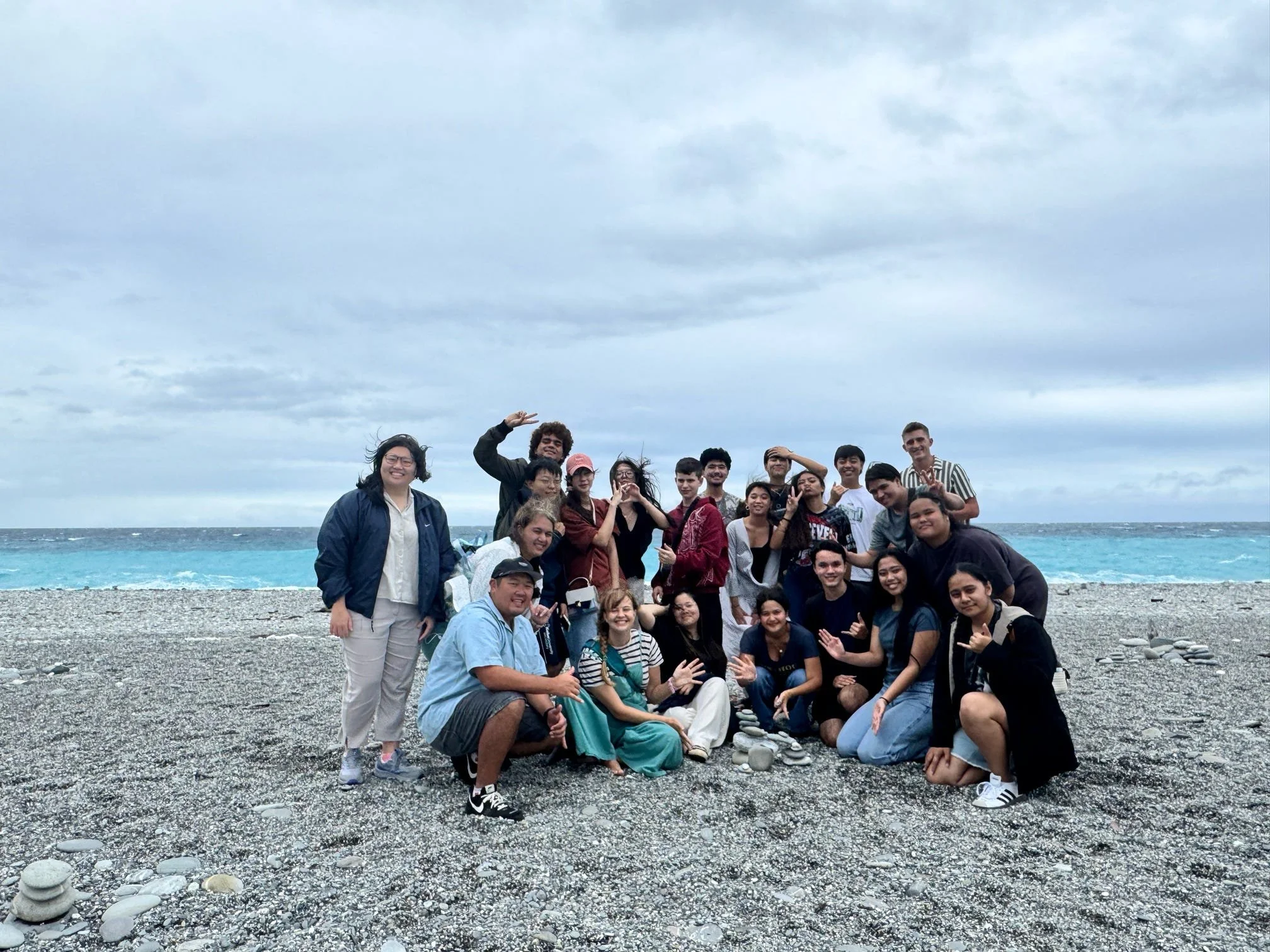
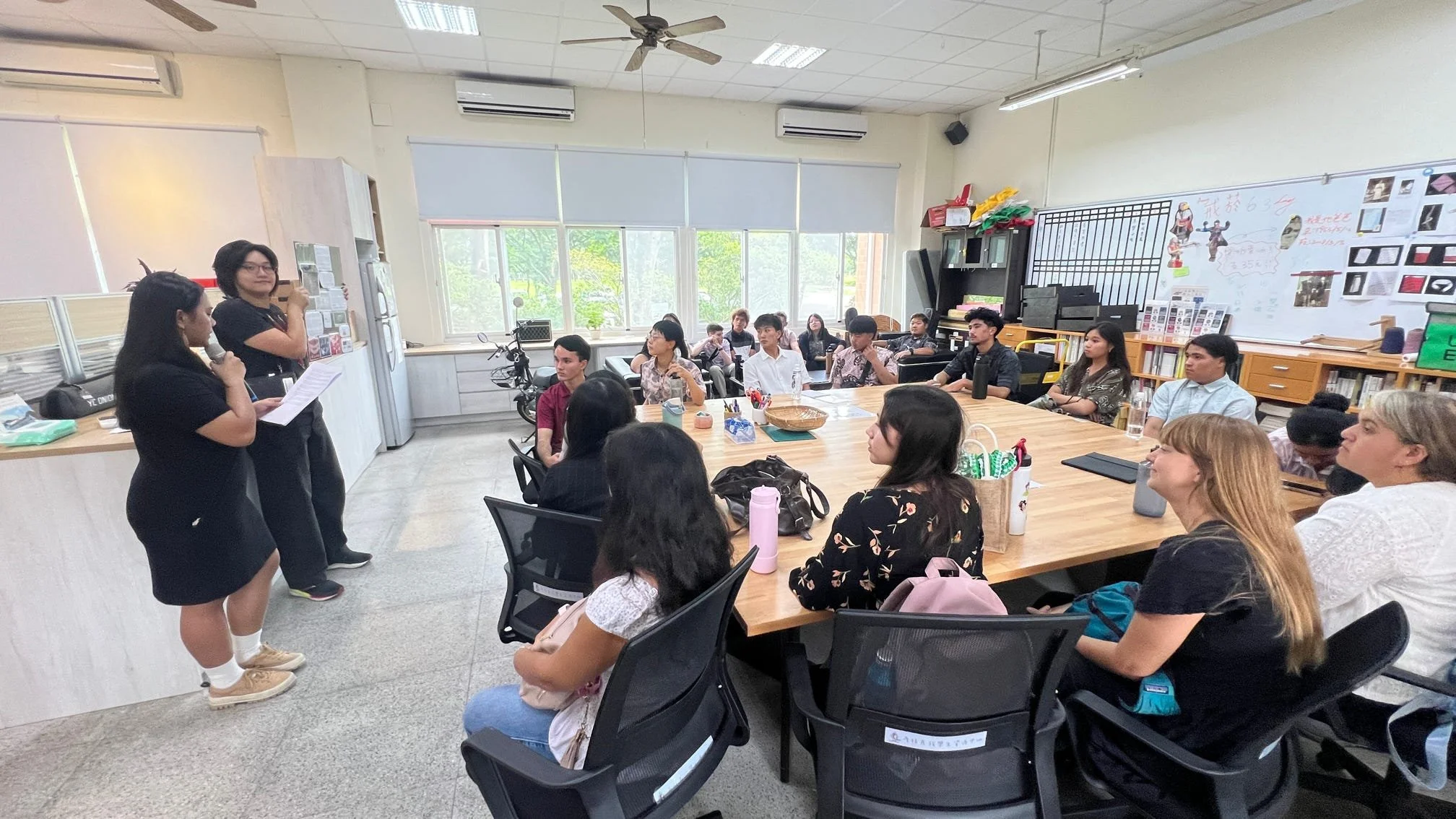
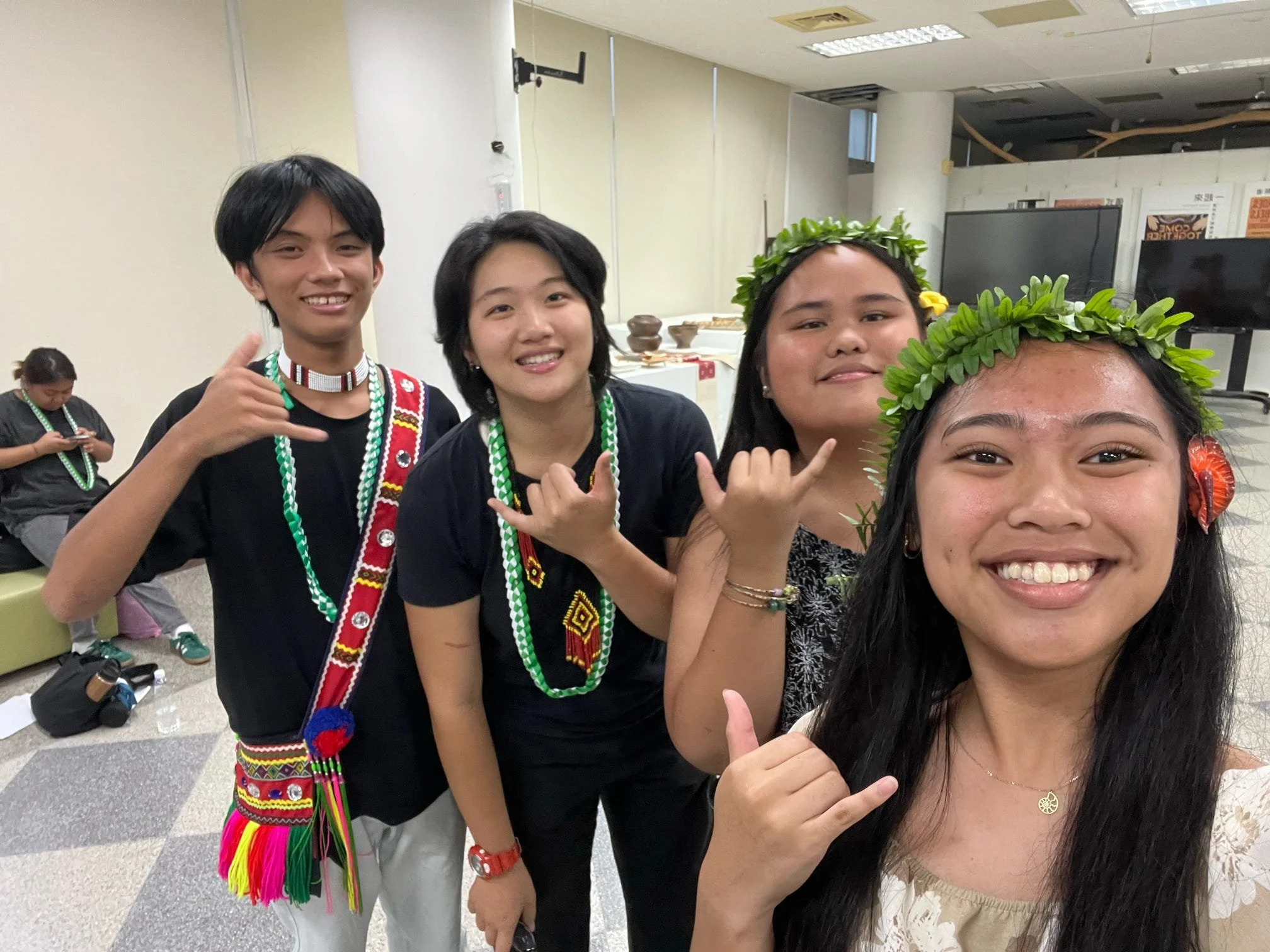
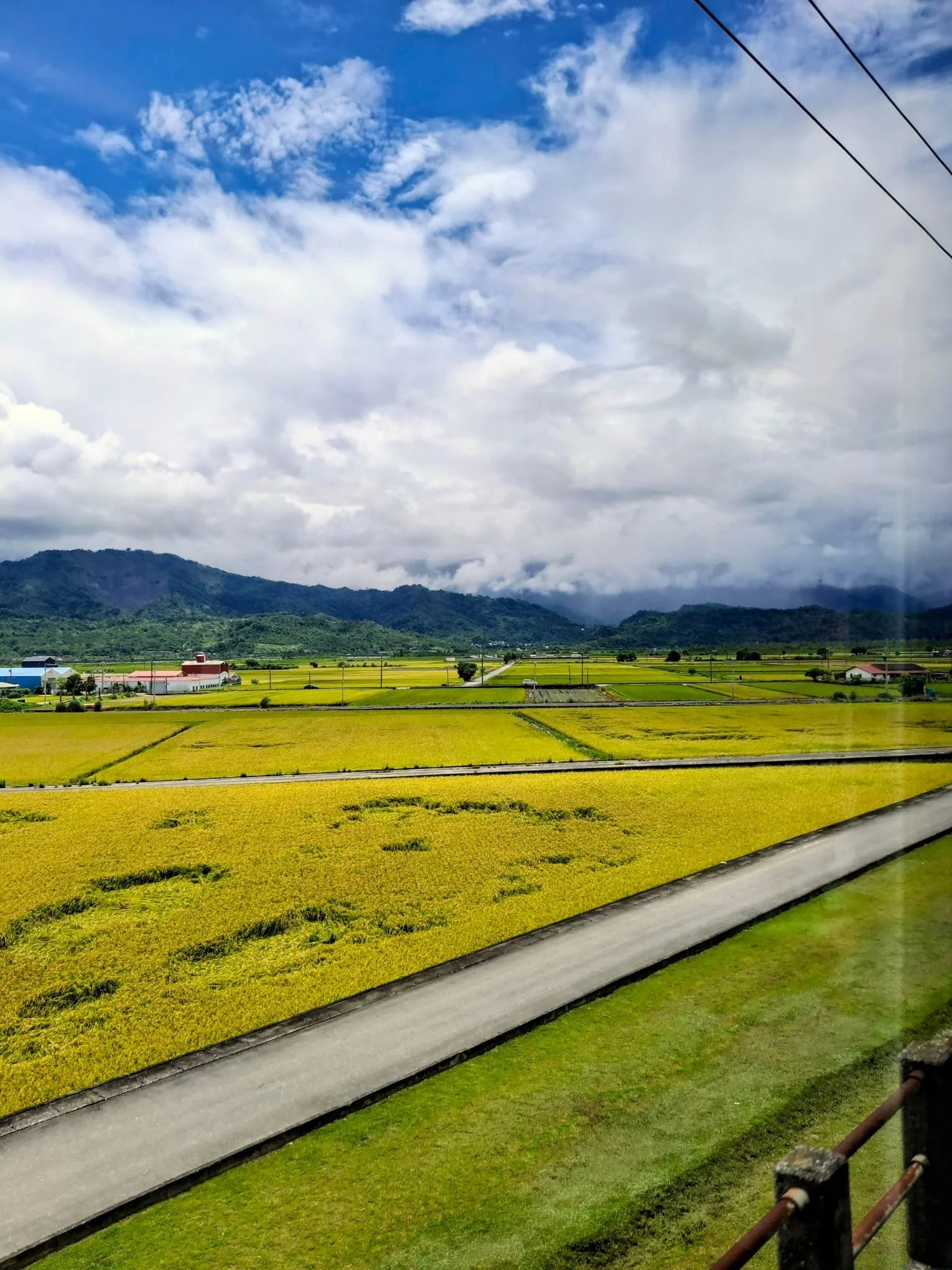
The road to Hualien ran along Qixingtan Beach, where the cohort took a breather from travel to stack rocks into small cairns along the shore. It was a quieter day, but it set up what came next: a visit to National Dong Hwa University's College of Indigenous Studies, where students met Amis, Paiwan, Bunun and other Indigenous Taiwanese university students face to face. It was here that the trip's emotional center of gravity started to shift. Evan Burgess (Kaua’i High School) learned that Indigenous history in Taiwan's public schools is taught mostly to Indigenous students, a striking contrast to Hawaiʻi's requirement that every public-school student learn Hawaiian history. Liliana Lavy (‘Iolani School) described the day as the moment she "truly understood the great level of similarity between the experiences of those peoples and the experiences of Native Hawaiians." And it was here, wrapped in a garment made by a stranger's grandmother, that Naomi Tokishi represented Hawaiʻi in a way she hadn't expected to.
Taitung: The Hunter School
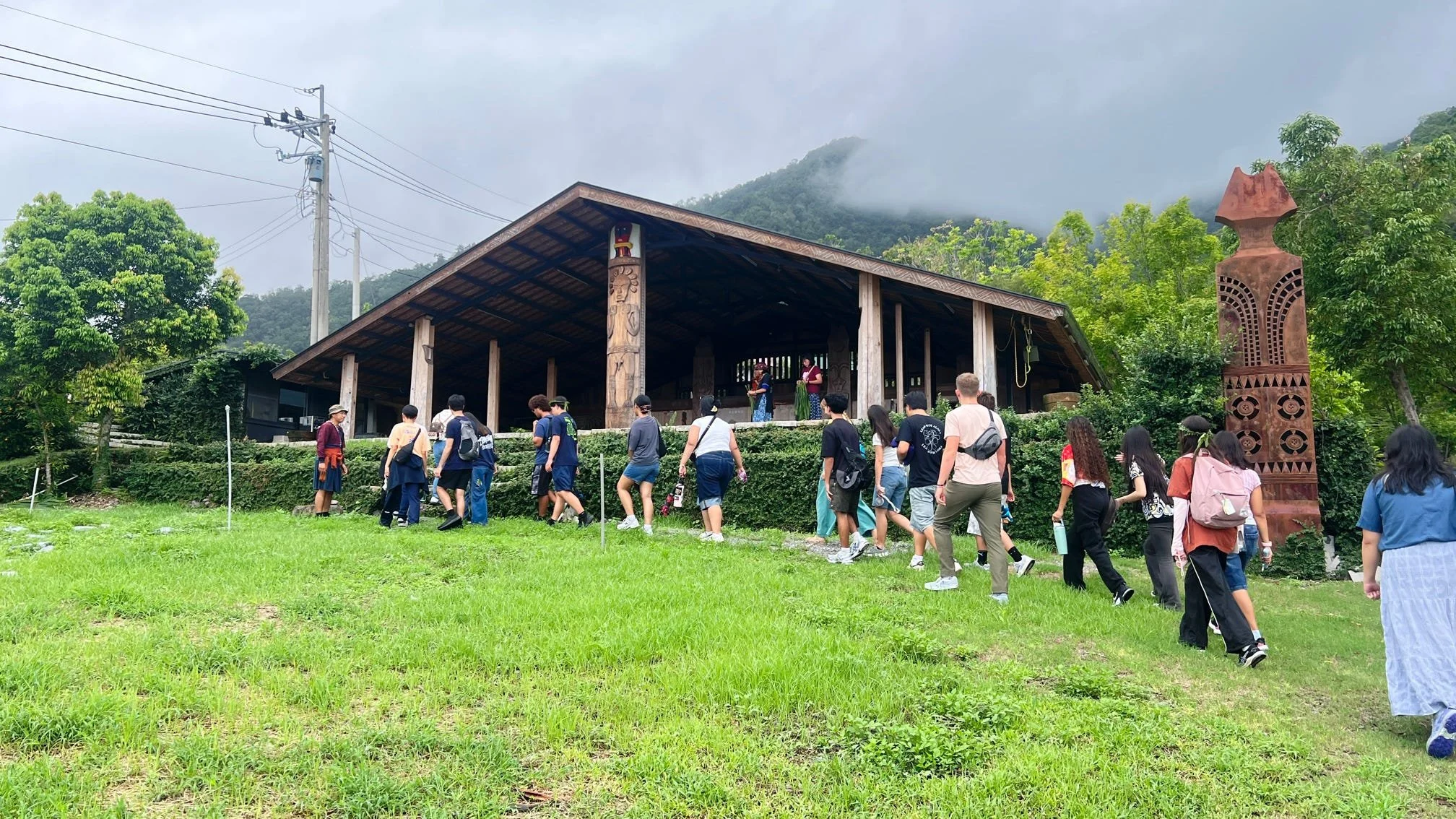
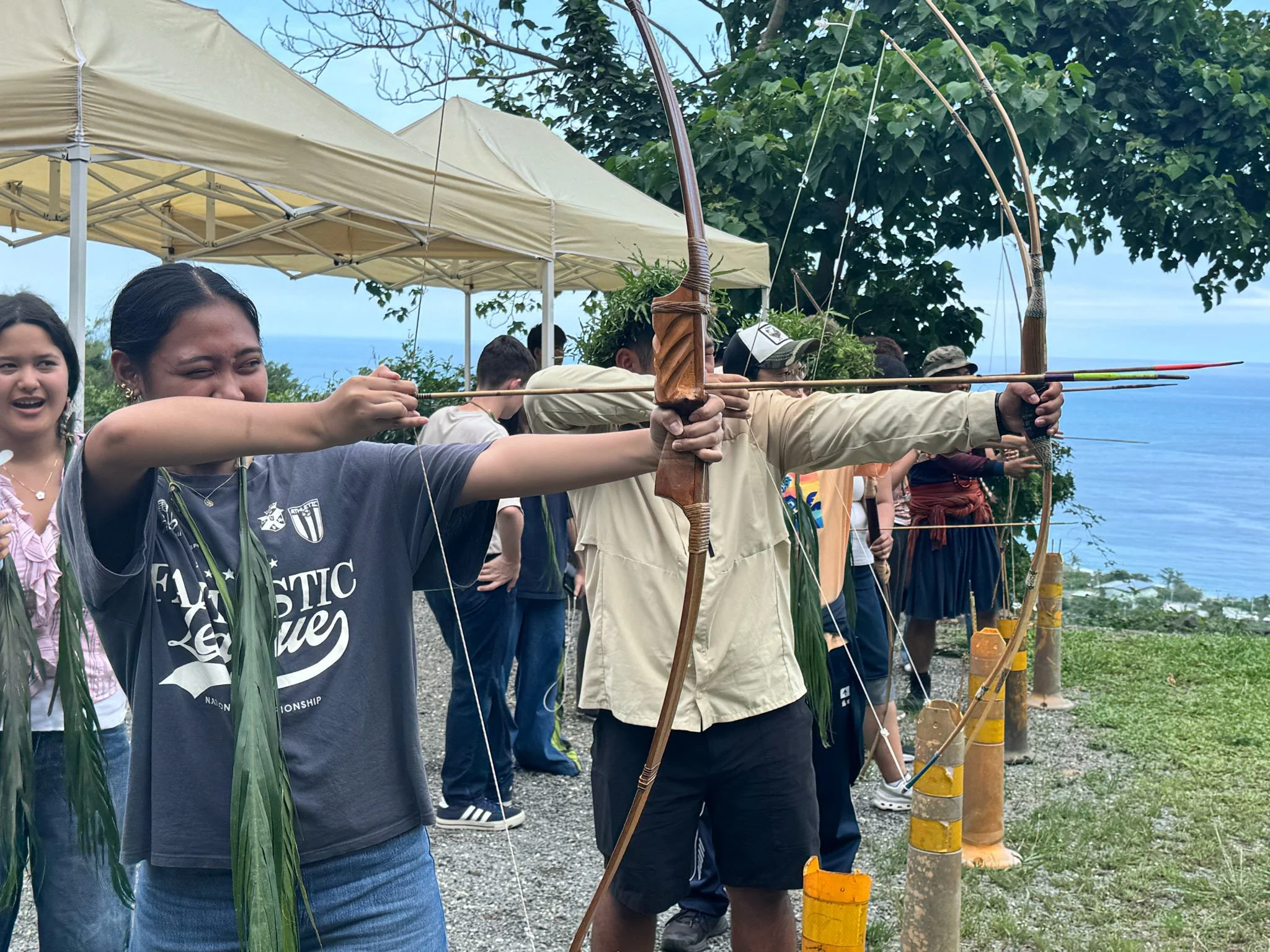
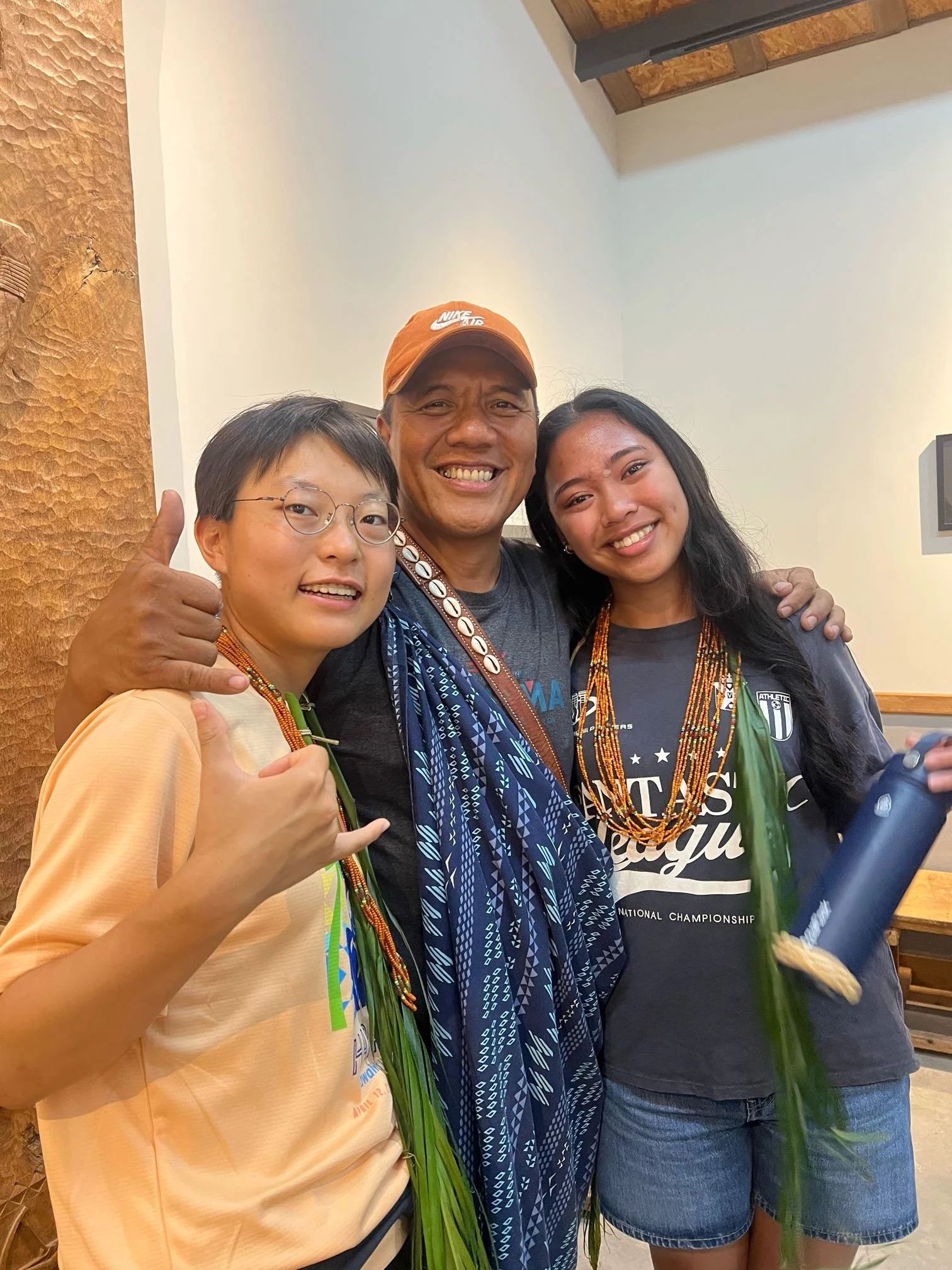
If the trip had a heart, most of the cohort agreed it was Taitung — and specifically, the Hunter School, founded by the Paiwan educator, writer and hunter Sakinu Ahronglong to keep Indigenous knowledge alive for a new generation. Students learned archery, Tehani Yada (Roosevelt High School), landed two bullseyes and called it one of her proudest moments, listened to Sakinu's stories about voyaging and hunting, and were welcomed into a community that many described as feeling like home before they'd even fully arrived. Jerry Jiang (Kealakehe School) said Sakinu "became a father figure so quickly," his words carrying "straight into the soul." Naomi Tokishi (Maui High School) put it even more directly: she had assumed the specific warmth she associated with Hawaiʻi was unique to Hawaiʻi. At the Hunter School, she realized it wasn't — "kindness, respect, and a sense of belonging exist in many cultures around the world."
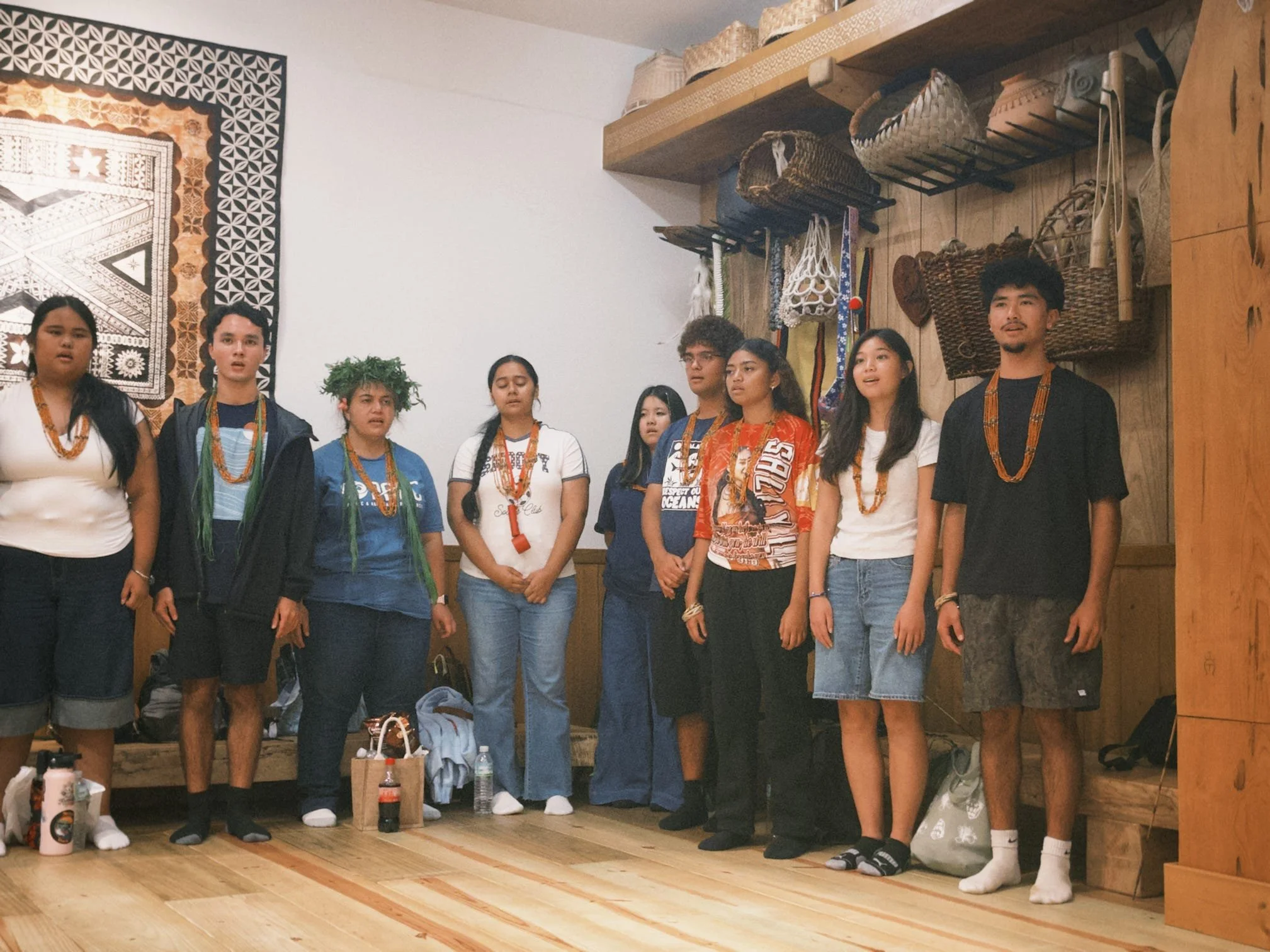
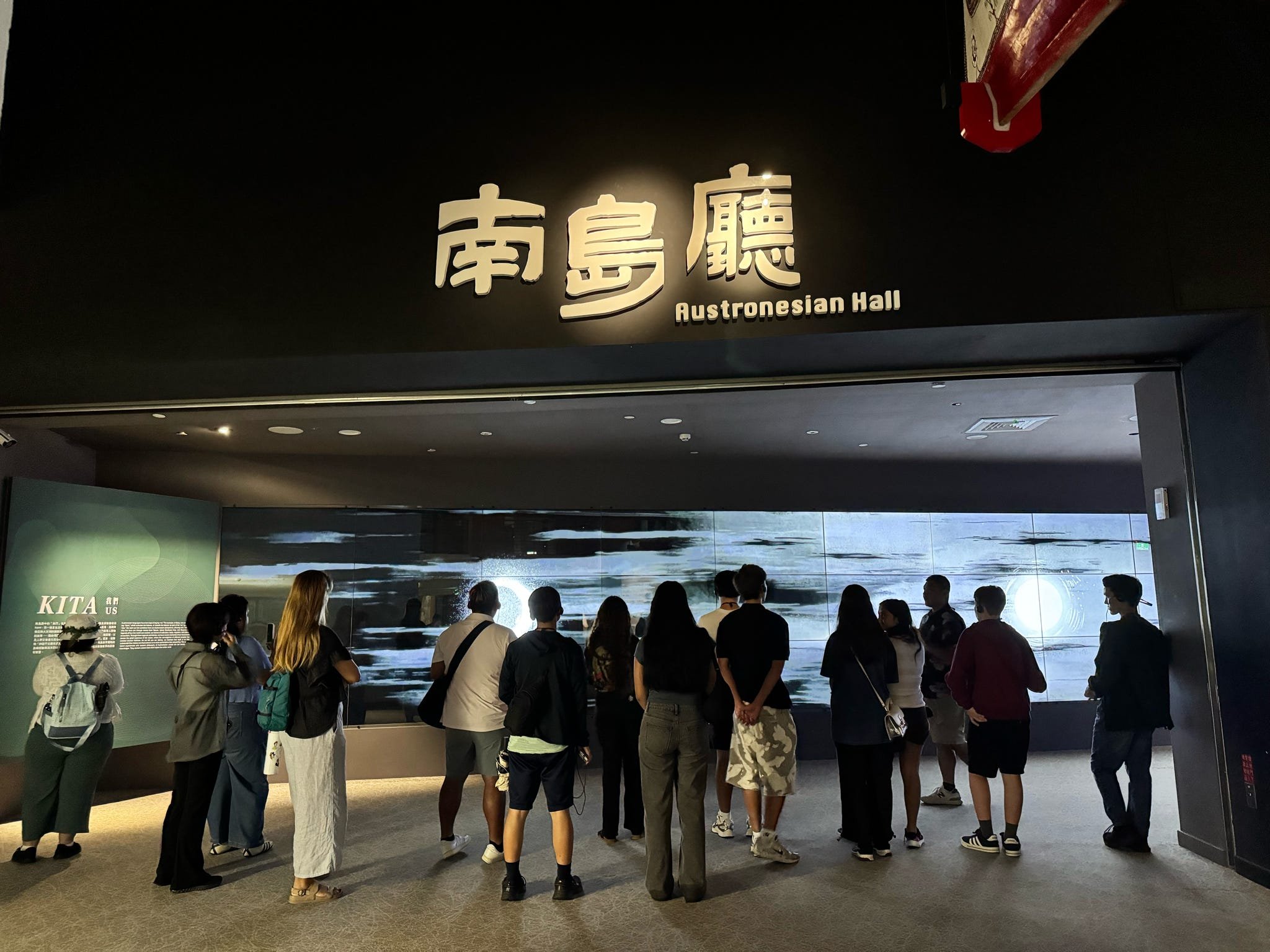
That evening, at the nearby Just Arts House, the cohort watched an Amis performance in a language none of them spoke. Naomi described forgetting, mid-show, that she didn't understand the words: "I felt every single word, hope, dream, and aspiration." The next day, the group toured the National Museum of Prehistory's Austronesian Hall, tracing the routes their own ancestors' canoes had once followed out of Taiwan and across the Pacific. Hugo Lum (Kalani High School) stood in front of a replica voyaging canoe and recognized it immediately — "very much like ours back at home."
South to Kaohsiung and Tainan: History Layered on History
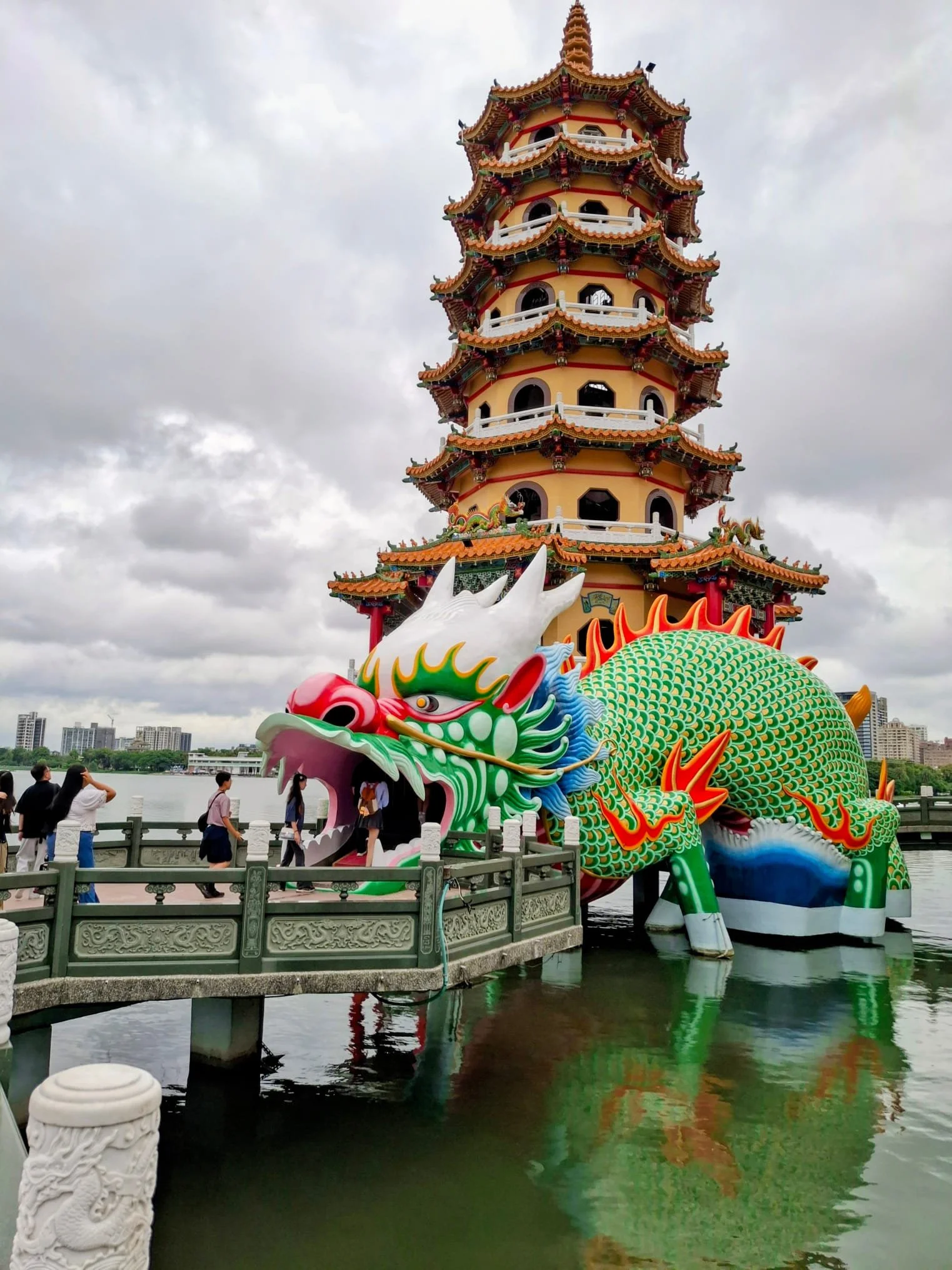
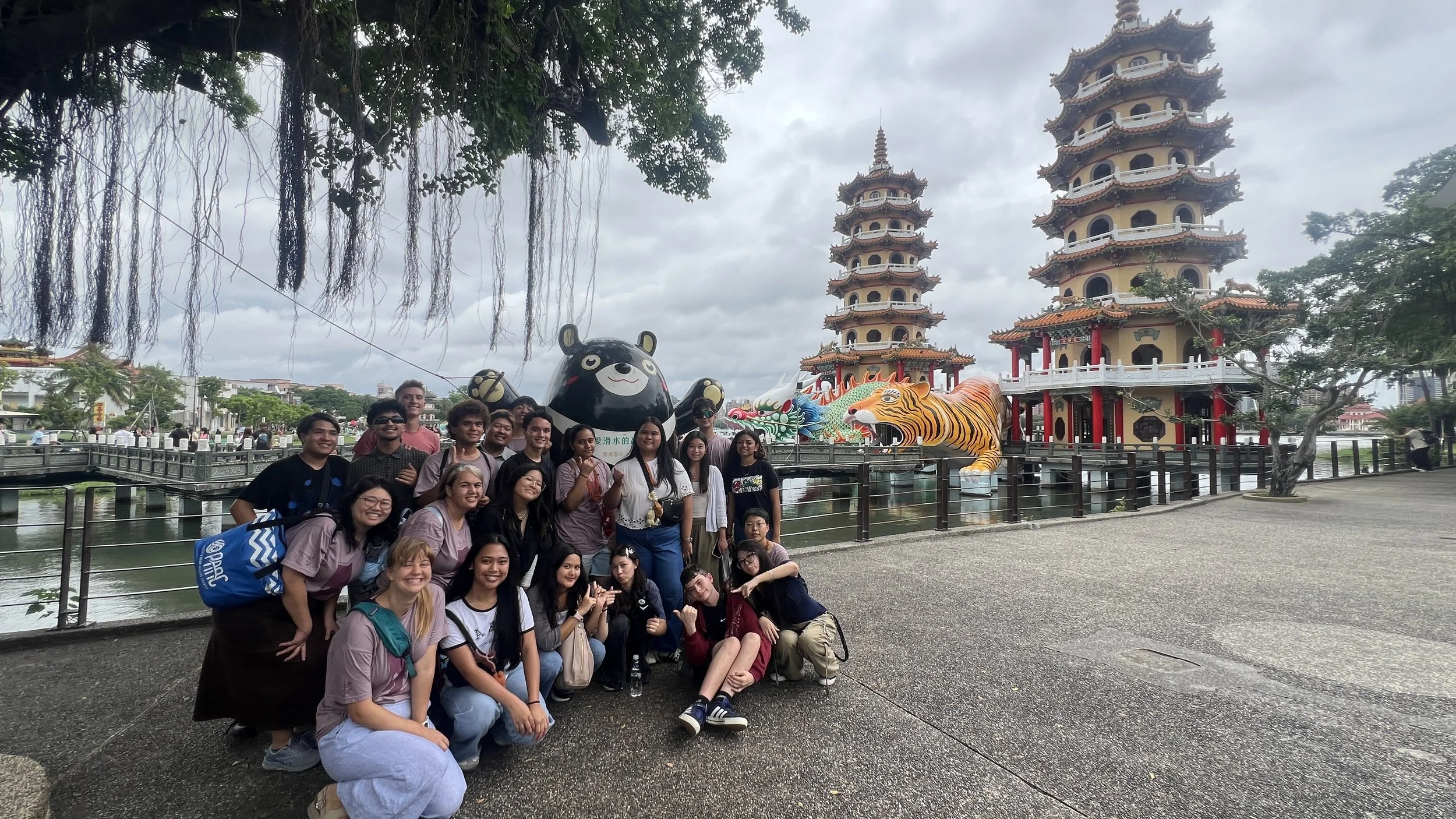
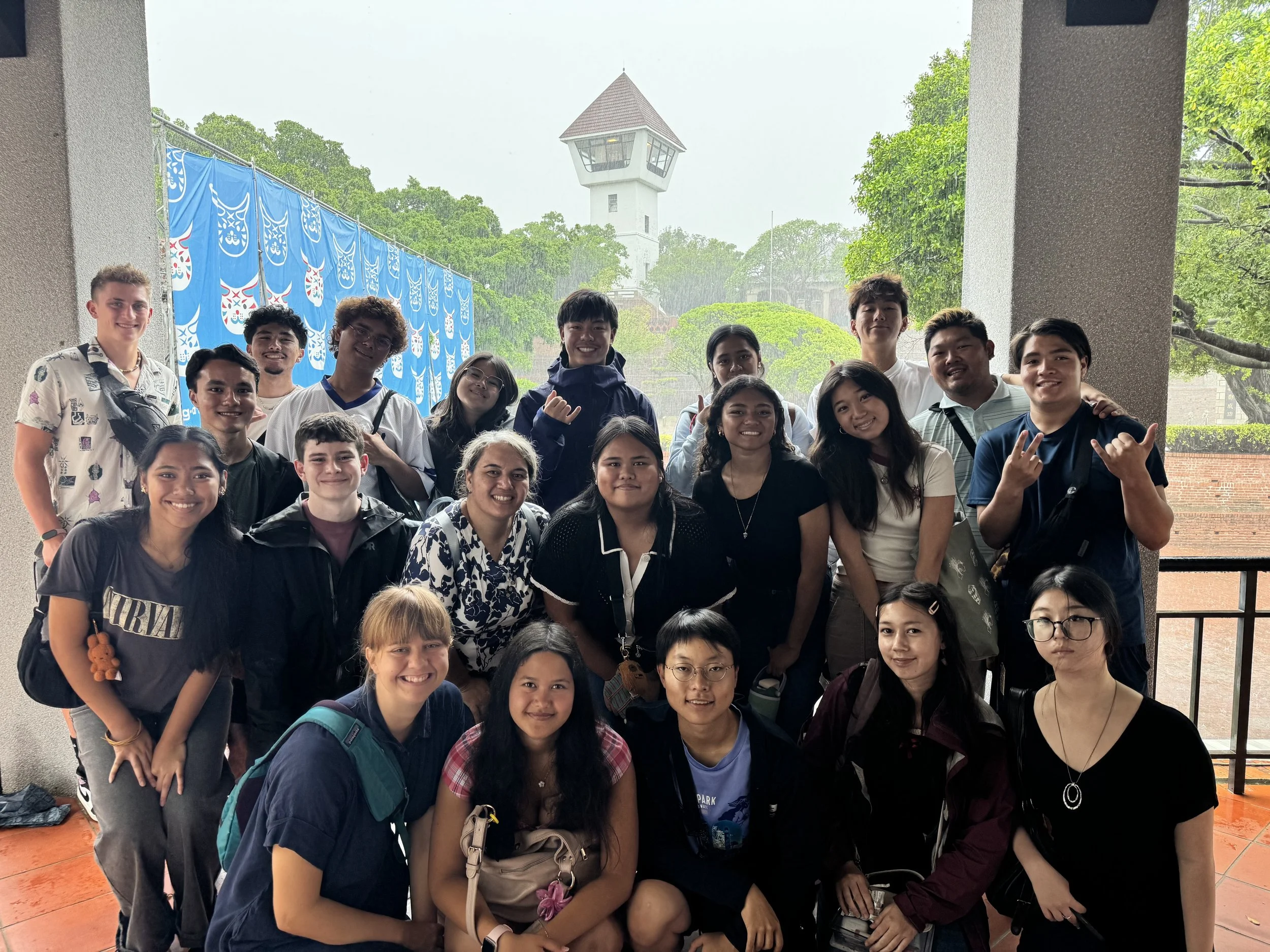
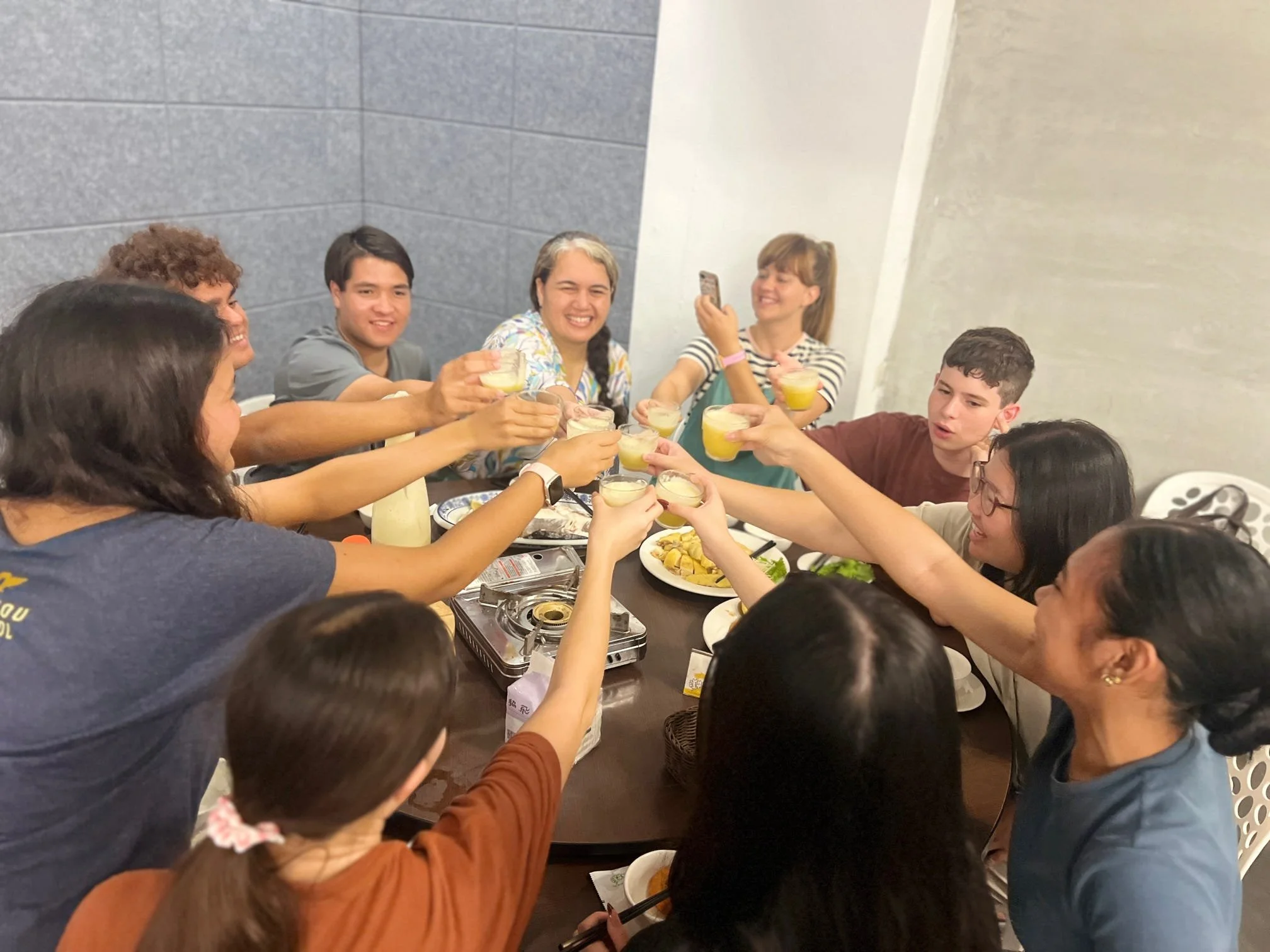
The cohort's route south took them past the Dragon and Tiger Pagodas in Kaohsiung, where tradition holds that walking in through the dragon's mouth and out through the tiger's brings good luck, before settling into Tainan — a city Evan Hadfield (Homeschool), described as "a city on top of a city on top of a city," where Dutch, Spanish, Qing, and Japanese layers all still show through. At Anping Fort, students learned the old fortress mortar had been made partly from sugar syrup, a small detail that stuck with several of them. The Matsu Temple offered a different kind of learning: Dean Danielson (Waipahu High School), raised in a different faith tradition, found herself moved by watching worshippers pray to the goddess, and admitted the experience quietly opened something in her about respecting devotion she didn't share. That night, KTV karaoke turned out to be one of the trip's great bonding experiences — Manu Takeshita (King Kekaulike) called it exactly what the group needed after "a long day of learning about the meaningful history," and more than one student singled it out as the moment their cohort truly clicked as friends.
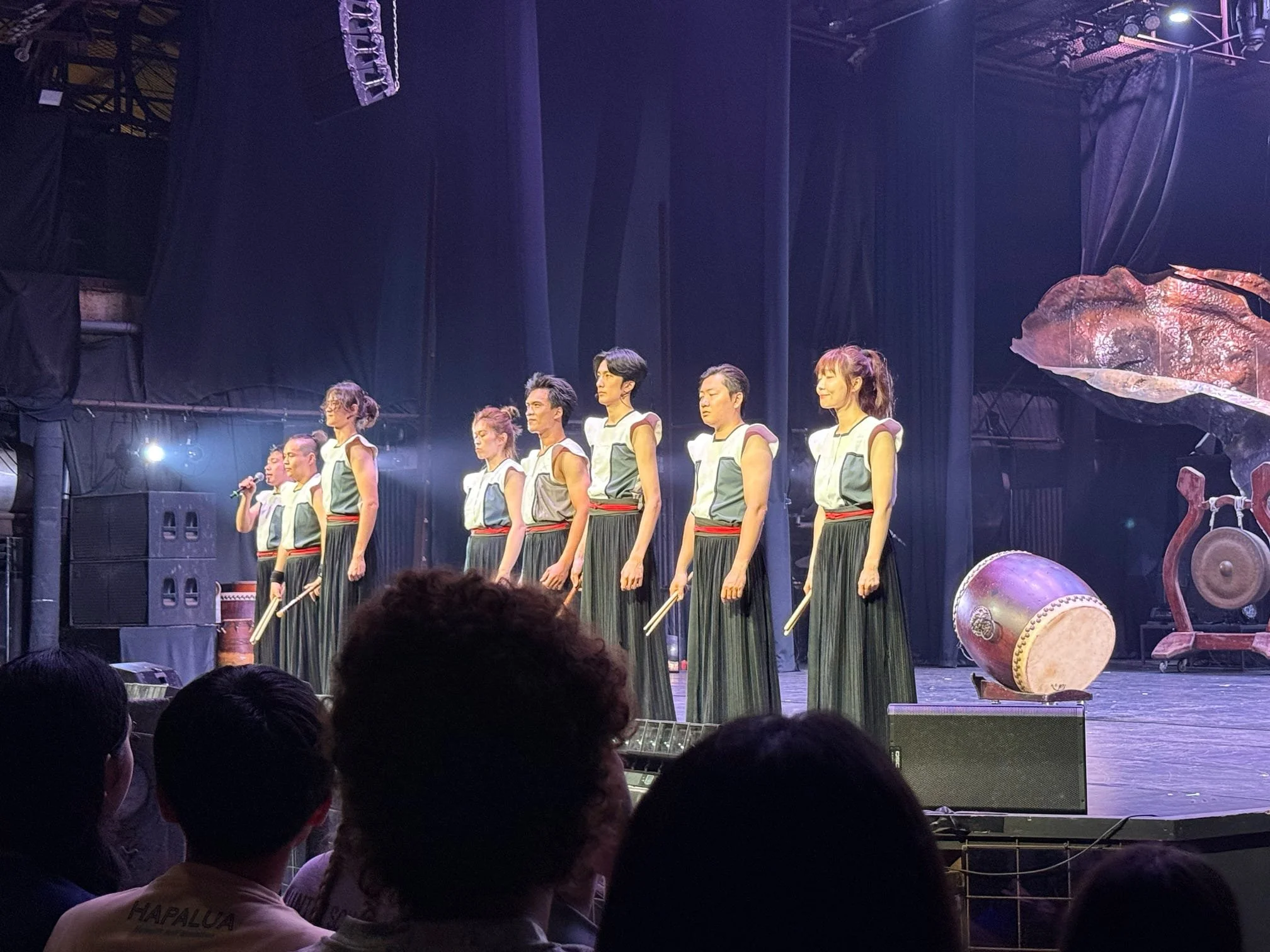
The Ten Drum Cultural Village, built inside a converted sugar refinery, gave the group a live drumming performance and a direct answer to a question several students had been circling all trip — how do you keep history alive without freezing it in place? Jerry Jiang (Kealakehe High School), pointed to Ten Drum as the clearest example he saw of Taiwan honoring its past while still building something new on top of it.
Back to Taipei: 228, Taipei 101, and the AIT
The final days brought the cohort back north for two of the trip's heaviest and most eye-opening stops. At the National 228 Memorial Museum, students confronted the 1947 uprising and the White Terror period that followed, a chapter of Taiwanese history that unsettled several of them precisely because it wasn't softened. Hugo Lum (Kalani High School) called it "a bit graphic," but said it "felt so important to see and listen to." At the American Institute in Taiwan, a staff member spoke candidly with the group about the complexity of Taiwan's international status — and, for at least one student, teared up describing his prior work in conflict zones. Max Renguul (Campbell High School) said the conversation left him wanting to go into that kind of work himself.
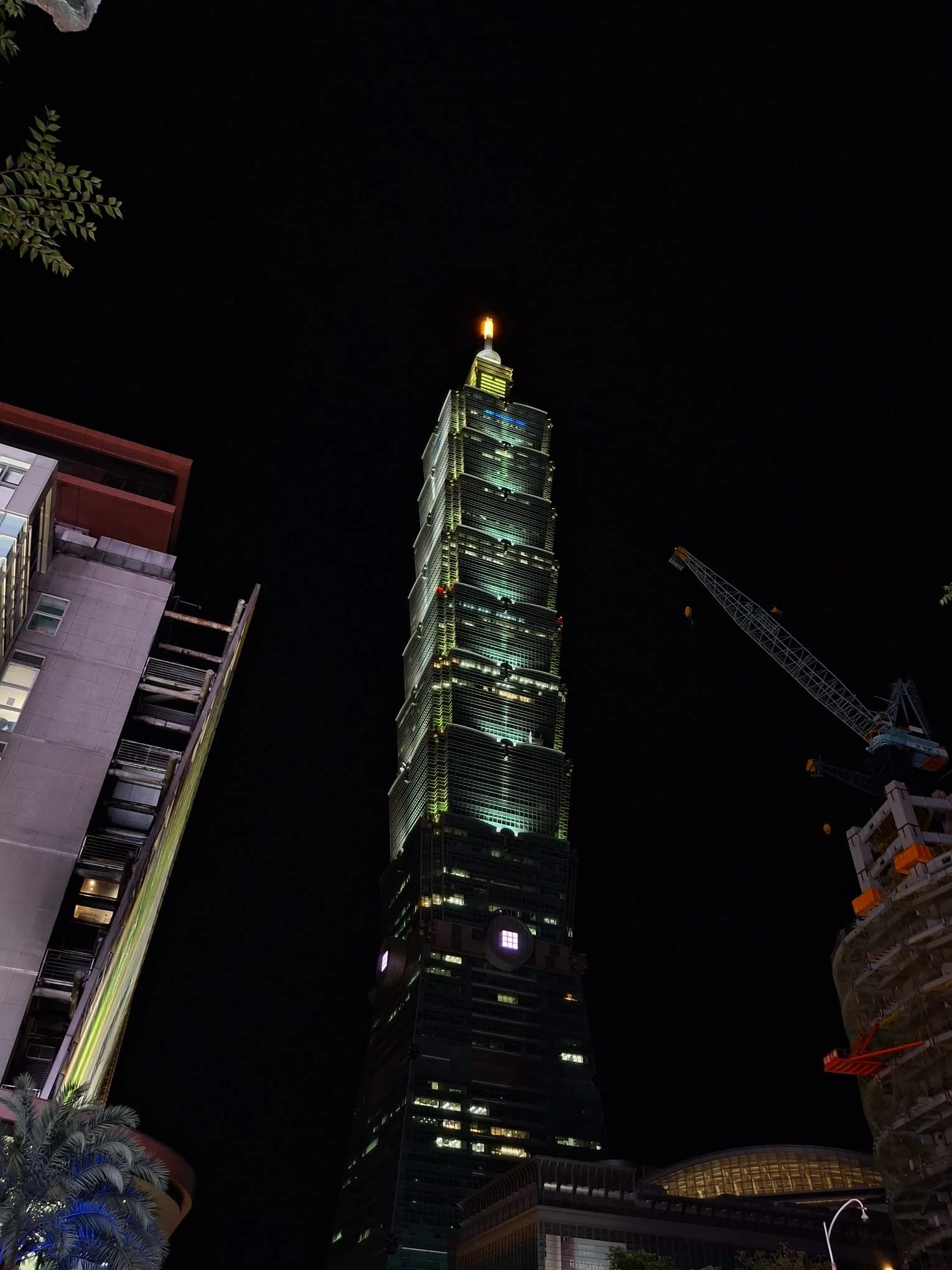
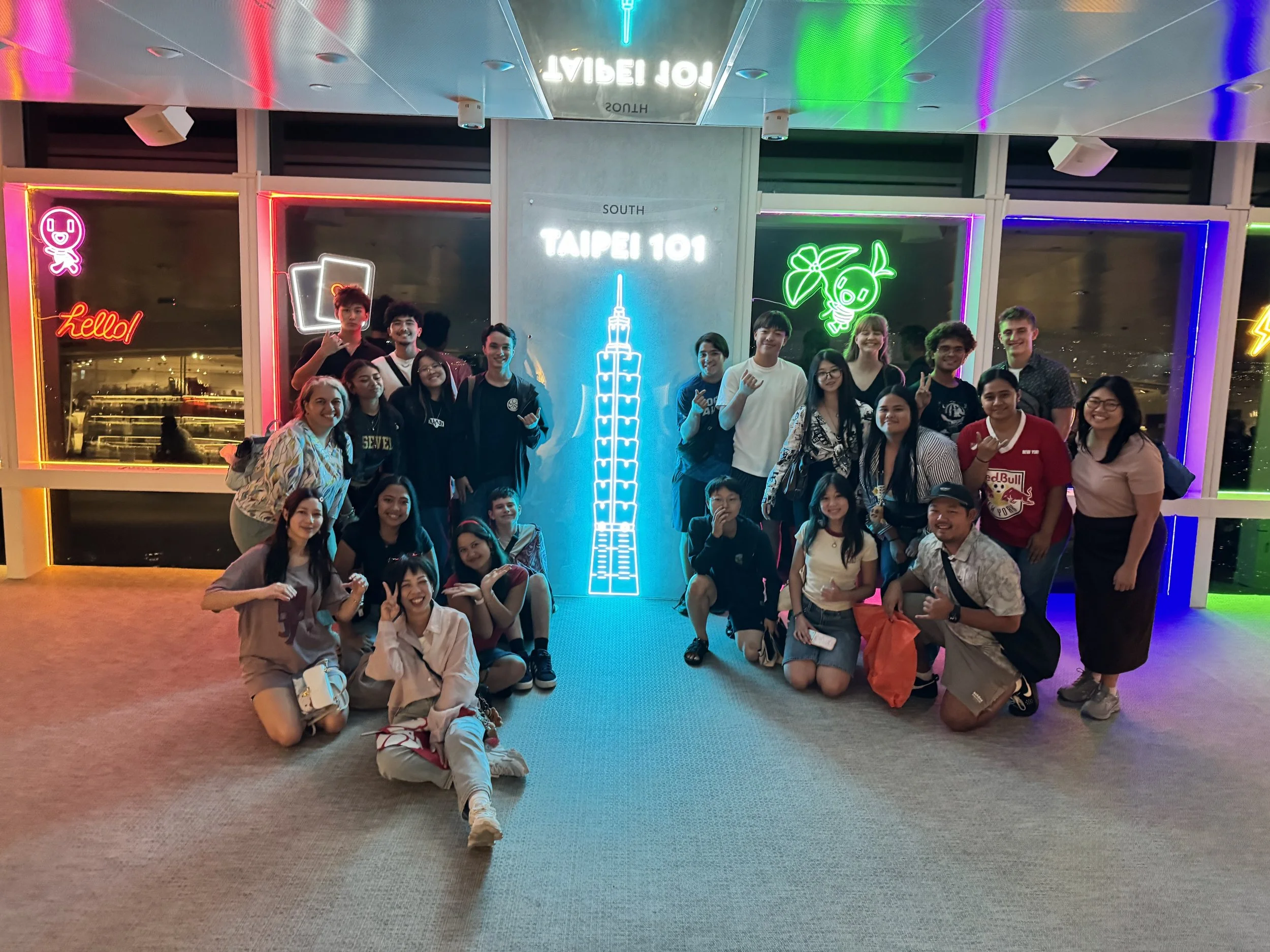
Taipei 101's observation deck gave the group its literal high point, a sweeping nighttime view that several students wished they'd had more time to take in. And Ximending, with its rainbow crosswalk and packed shopping lanes, gave them their freedom — the first real stretch of wandering all trip, and for Max Renguul (Campbell High School), a chance to feel, if only briefly, like part of the community he'd been dreaming about since he started studying Mandarin.
What They're Carrying Home
Ask this cohort what they learned about Taiwan, and nearly every answer loops back to Hawaiʻi. They saw plantation-era sugar economies and recognized their own islands' histories. They saw Indigenous communities fighting for recognition inside their own governments and thought immediately of the Native Hawaiian sovereignty movement. They saw a museum wing devoted to Austronesian voyaging and understood, more concretely than any classroom lecture could have given them, that Taiwan isn't just a place with cultural parallels to Hawaiʻi — it's where the voyage that became Hawaiʻi is understood to have begun.
Several students are already turning the trip into something ongoing. Evan Burgess (Kaua’i High School) plans to start a PAAC club at his school. Dean Danielson (Waipahu High School) wants to bring what she learned back to Waipahu's PAAC club. Star Qian (‘Iolani School) is preparing a presentation for classmates who couldn't make the trip. And Naomi Tokishi (Maui High School), who wore a stranger's grandmother's cloth on a stage across the ocean, put it simply: this trip taught her that "culture connects us, even across oceans, and sharing our stories is one of the most meaningful ways we can learn and grow."
Eighteen students went to Taiwan as strangers to the island and, in several cases, to each other. They came home as something closer to family — carrying dumpling recipes, archery stories, a Paiwan mentor's words, and the quiet certainty that the Pacific has always been smaller than the maps suggest.
Follow PAAC's Sister-State and Study Tour programs to see where our students travel next.
