
2027 COHORT · APPLICATIONS OPEN UNTIL OCT. 23RD ✈️
forty-Five students.
forty-Five schools.
one Statewide delegation.
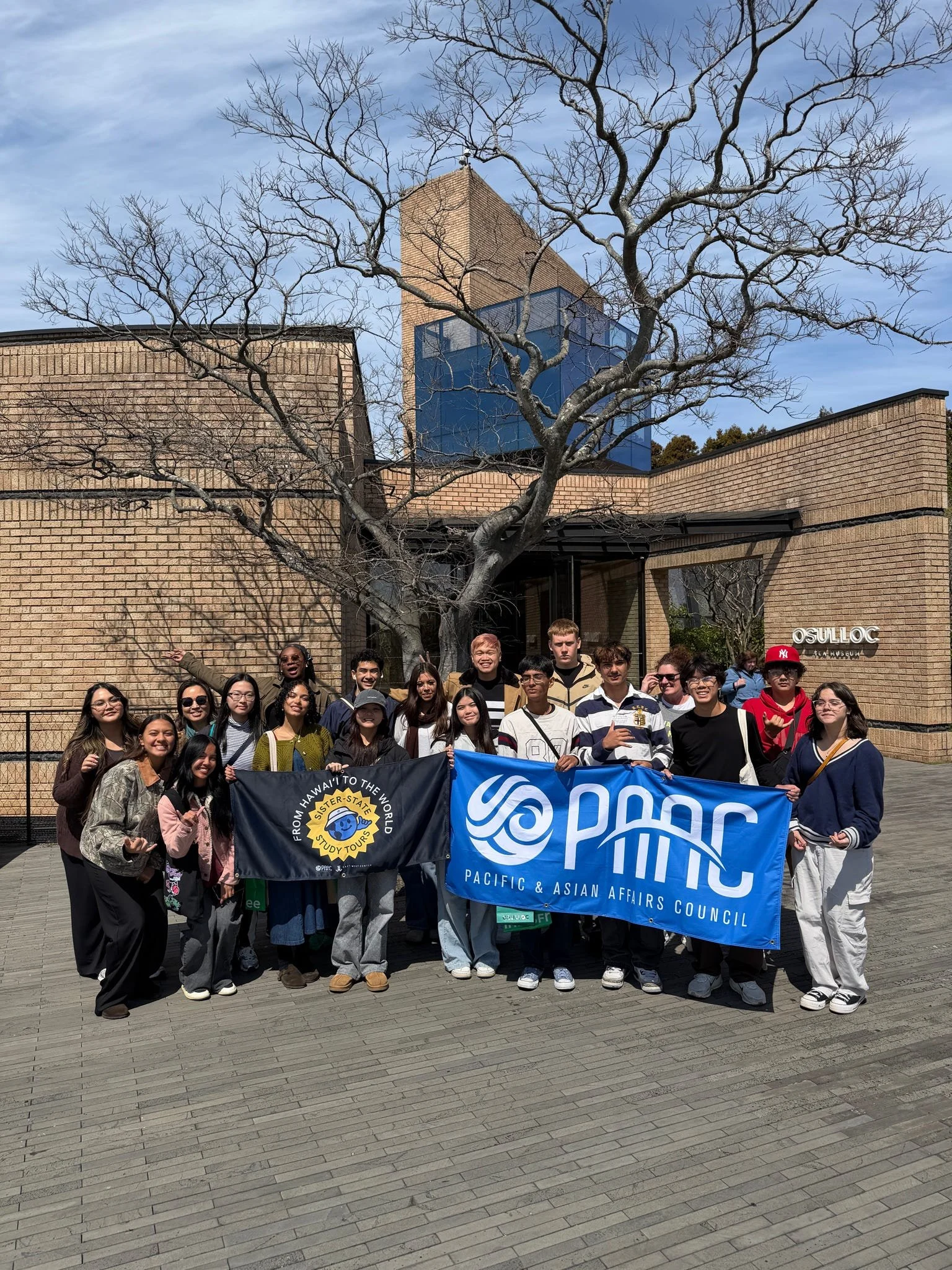
One student from every public high school in Hawaiʻi, sent abroad to represent the state — then brought home to brief the people shaping its future.
Travel dates: March 13-26, 2027
THE 2026 COHORT, BY THE NUMBERS
42 student ambassadors
from Hawai’i Island, Maui, O’ahu, Lanai, and Kauai traveled with us in 2026
$500
or LESS
for the full, all-inclusive Sister-State Study Tour experience from Orientation to Presentation
1 IN 4
LEFT THE COUNTRY FOR THE FIRST TIME
through this program
98%
FOUND THEIR PEOPLE
building lifelong relationships with their cohort
WHEREVER YOU'RE STARTING FROM
Student, parent, or teacher, you're not figuring this out alone
Whether you're considering applying, supporting a student, or helping lead the experience, we’re here to help you along the way.
I’m a Student
You don’t need to have traveled before — just curiosity, commitment, and the willingness to represent your school somewhere new. Hawaiʻi public high school students in grades 9–12 can apply (with preference given to 10th and 11th graders), but know that you don’t choose your destination. You apply to the program and commit to wherever PAAC needs you most.
I’m a PARENT OR GUARDIAN
The program cost is capped at $500 for an experience valued at over $8,800, including airfare, lodging, meals, and travel insurance. Payment plans and need-based waivers are available, and financial need should never keep an eligible student from applying.
I’m a teacher
Your recommendation can make a real difference in a competitive application process. Teacher recommendations are due October 26, 2026. Selected students will also need support attending required program meetings.
Interested in being more involved? Hawaiʻi public school teachers may also apply to serve as a Study Tour chaperone and help guide students through the experience.
THE THREE DESTINATIONS
One application.
Three possible Journeys.
Hawaiʻi’s sister-state relationships are built on generations of connection—and sustained through ongoing cultural, educational, economic, and government exchange. Wherever you are assigned, you’ll learn alongside local students, explore important issues, and experience much more than the usual tourist itinerary.
PHILIPPINES
Ilocos Norte & Ilocos Sur
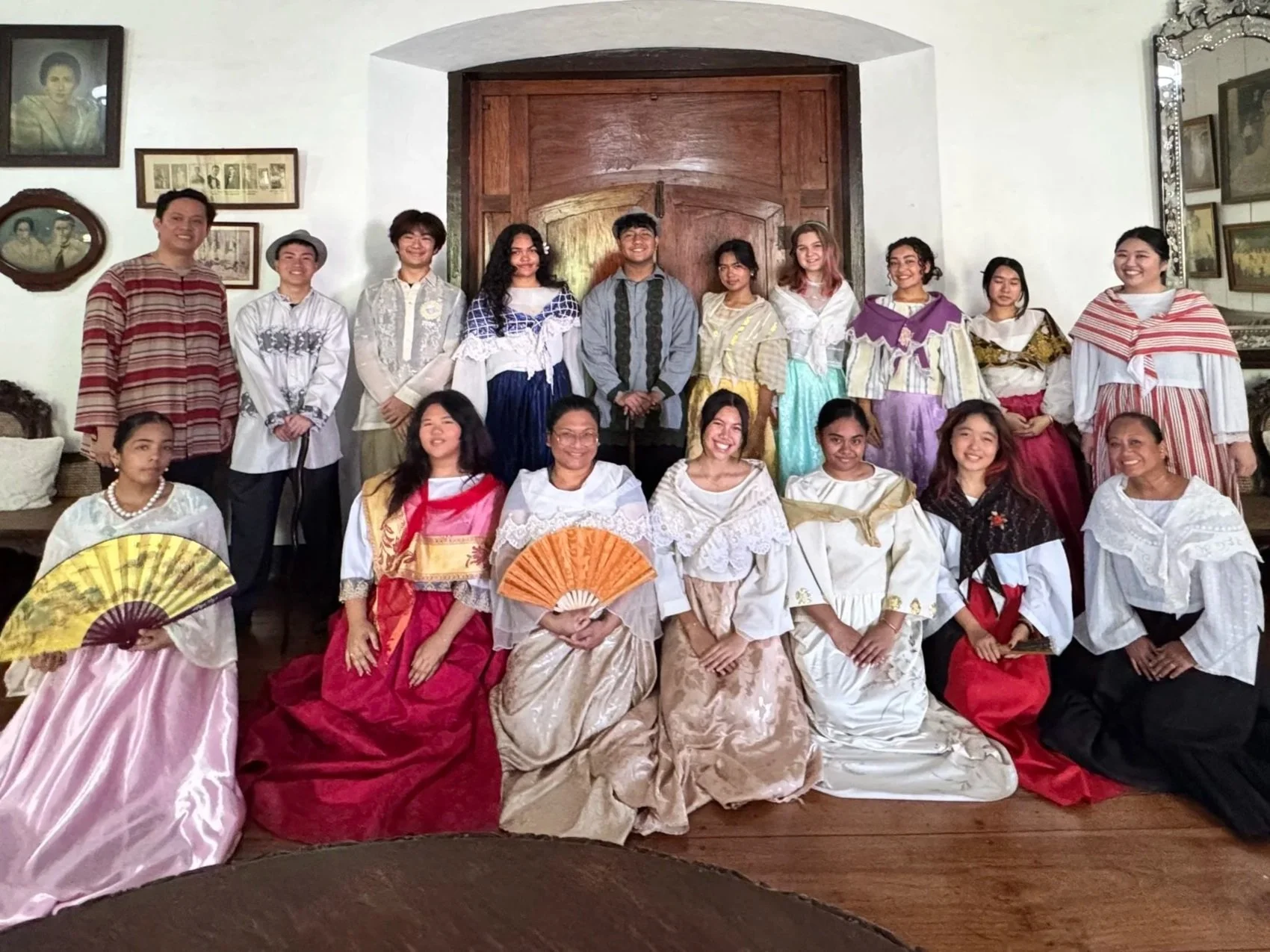
Hawaiʻi’s connection to the Ilocos region began in 1906, when the first Filipino plantation workers arrived. Their descendants helped build the Filipino community that is now one of the largest in Hawaiʻi.
Today, Hawaiʻi, Ilocos Norte, and Ilocos Sur continue that relationship through cultural exchange, education, workforce development, and conversations about trade and shared opportunities.
“Although we’re separated by an ocean, Ilocano culture crossed the Pacific and became part of what makes Hawaiʻi what it is today.”
KOREA
JEJU ISLAND
Hawaiʻi and Jeju are island communities connected by Korean migration, cultural exchange, and a sister-state relationship established in 1986. For decades, students and educators from both regions have participated in exchanges that keep the partnership active.
Today, Hawaiʻi and Jeju are exploring shared interests in education, tourism, local industries, food, and sustainable island development.
“Hawaiʻi and Jeju face many of the same island challenges, like overtourism, which means we can learn from each other’s solutions.”
JAPAN
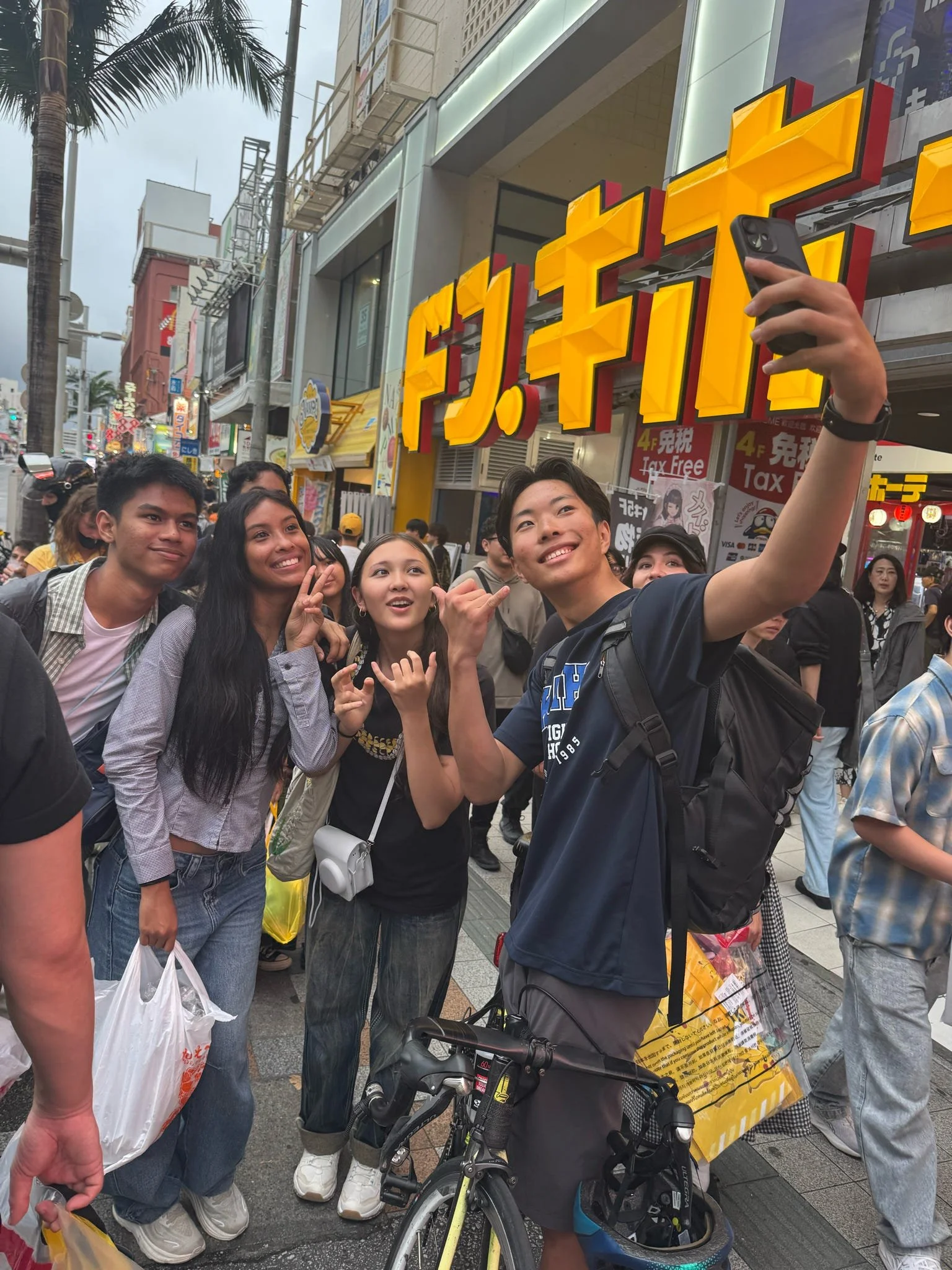
OKINAWA
Hawaiʻi and Okinawa are connected by more than 125 years of migration, family ties, and cultural exchange. After World War II, Hawaiʻi’s Okinawan community raised money to send hundreds of pigs across the Pacific to help Okinawa rebuild—an enduring example of yuimaru, or communities helping one another.
That relationship continues through student exchanges, government partnerships, cultural organizations, and cooperation on issues affecting both island communities.
“Okinawa is experiencing a cultural renaissance much like the Hawaiian Renaissance, showing how much we are the example.”
REAL STUDENT STORIES
The moments you won’t find in the itinerary
New friendships, culture shock, early mornings, big questions, and unforgettable breakthroughs. Our 2026 Student Ambassadors share what the journey was actually like—from takeoff to the trip home.
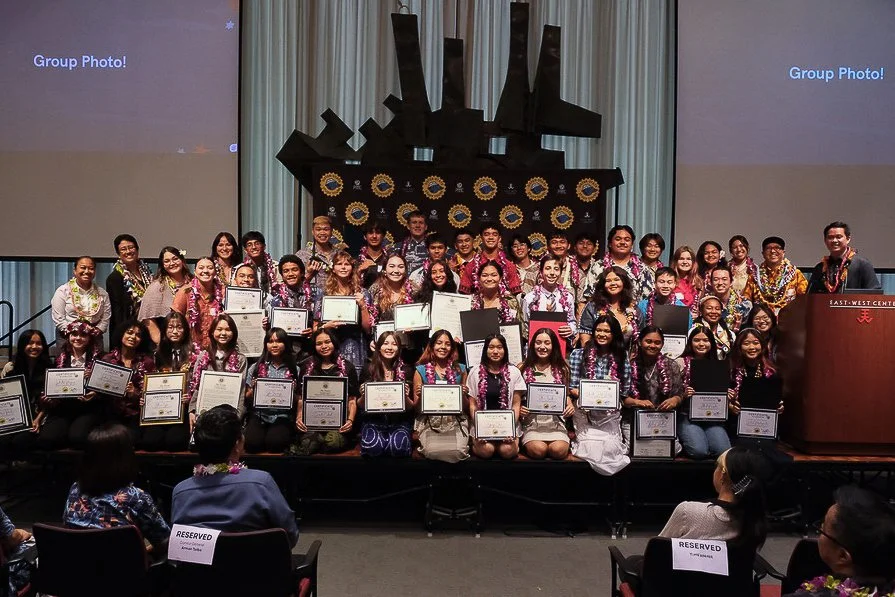



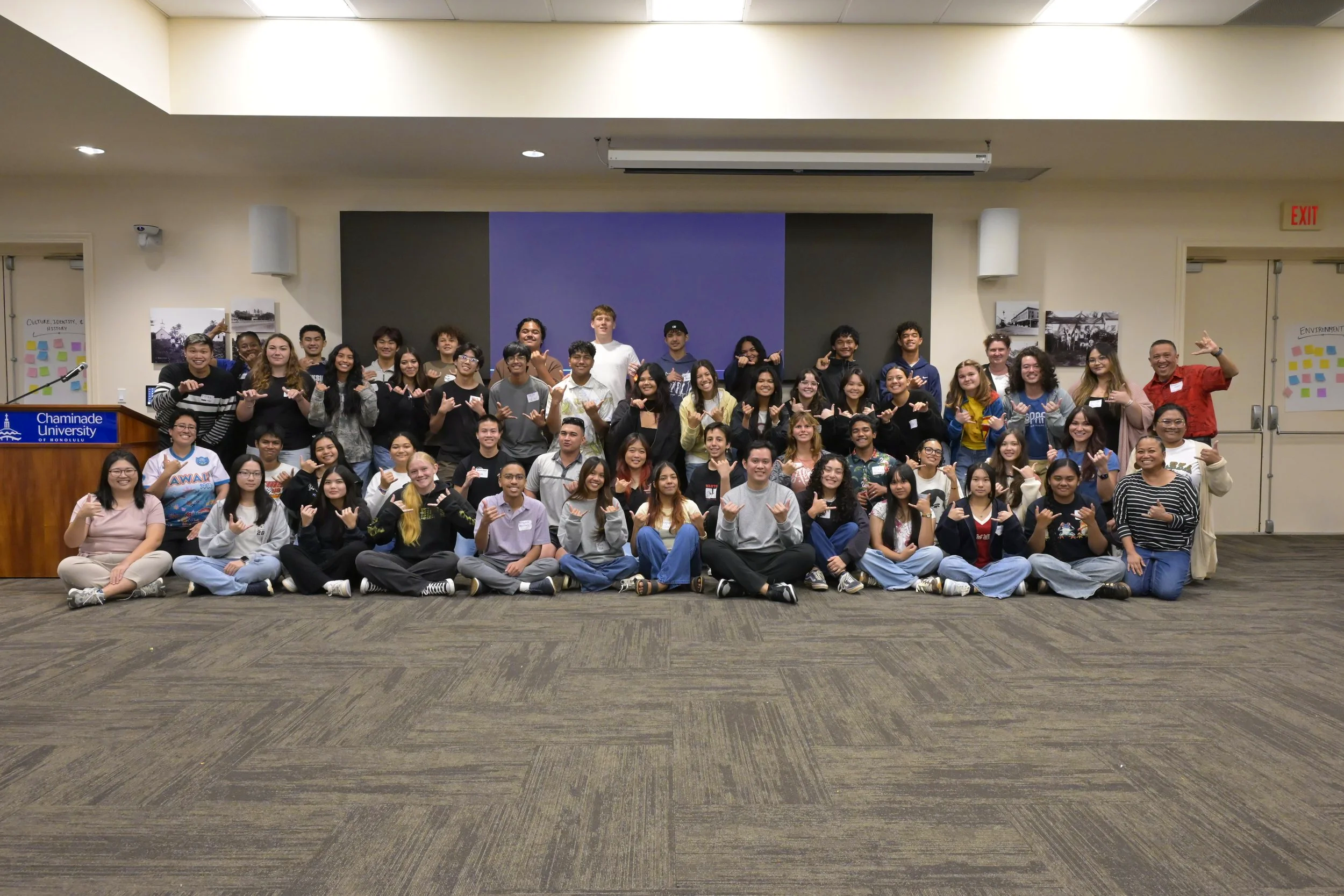

THIS IS WHAT LEADERSHIP ACTUALLY LOOKS LIKE
Not a leadership seminar. Not a workshop. A real trip that built real skills — according to the 42 students who lived it.
REAL STUDENT IMPACT
89%
left understanding global diplomacy firsthand
91%
built the confidence to represent something bigger than themselves
81%
learned to think in economic and cultural systems, not just facts
86%
felt ready to navigate future unfamiliar situations
WHAT APPLYING ACTUALLY MEANS
The full arc, from application to alumni
The Study Tour may last 11 days, but the experience starts long before your flight and continues after you come home. From your first application to your final community presentation, you’ll move through each stage with a statewide cohort of students learning, preparing, traveling, and growing alongside you.
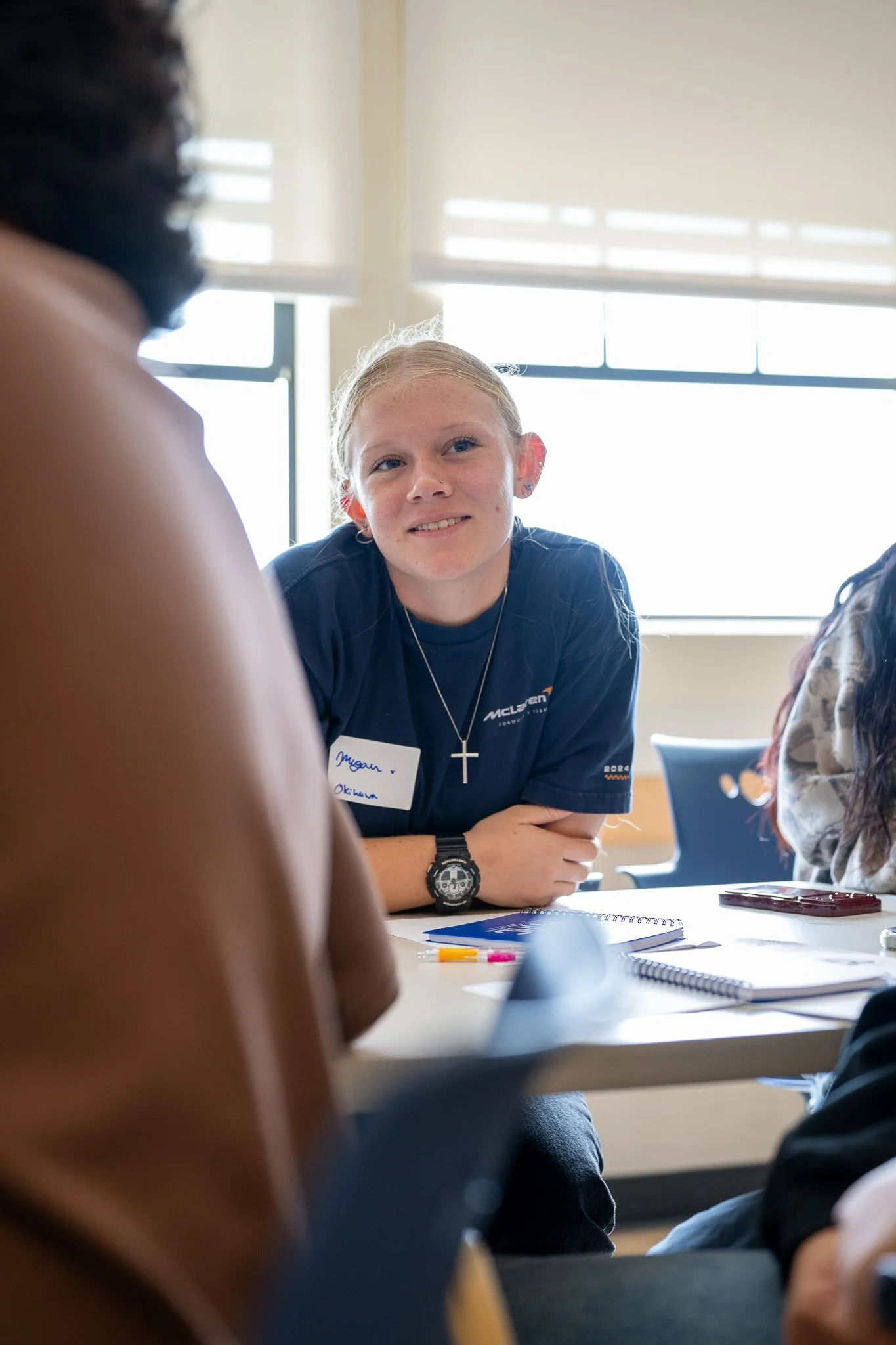
01. Apply
Applications due Oct 23, 2026 | Teacher Recommendations due Oct 26, 2026
Every Student Ambassador starts in the same place: an application. Tell us who you are, what matters to you, and why you’re curious about the world beyond Hawaiʻi. You’ll submit your application, transcript, recommender contacts, and parent/guardian information.
— Don’t overthink the first step. You don’t have to know exactly where this experience will take you yet. You just have to hit submit.
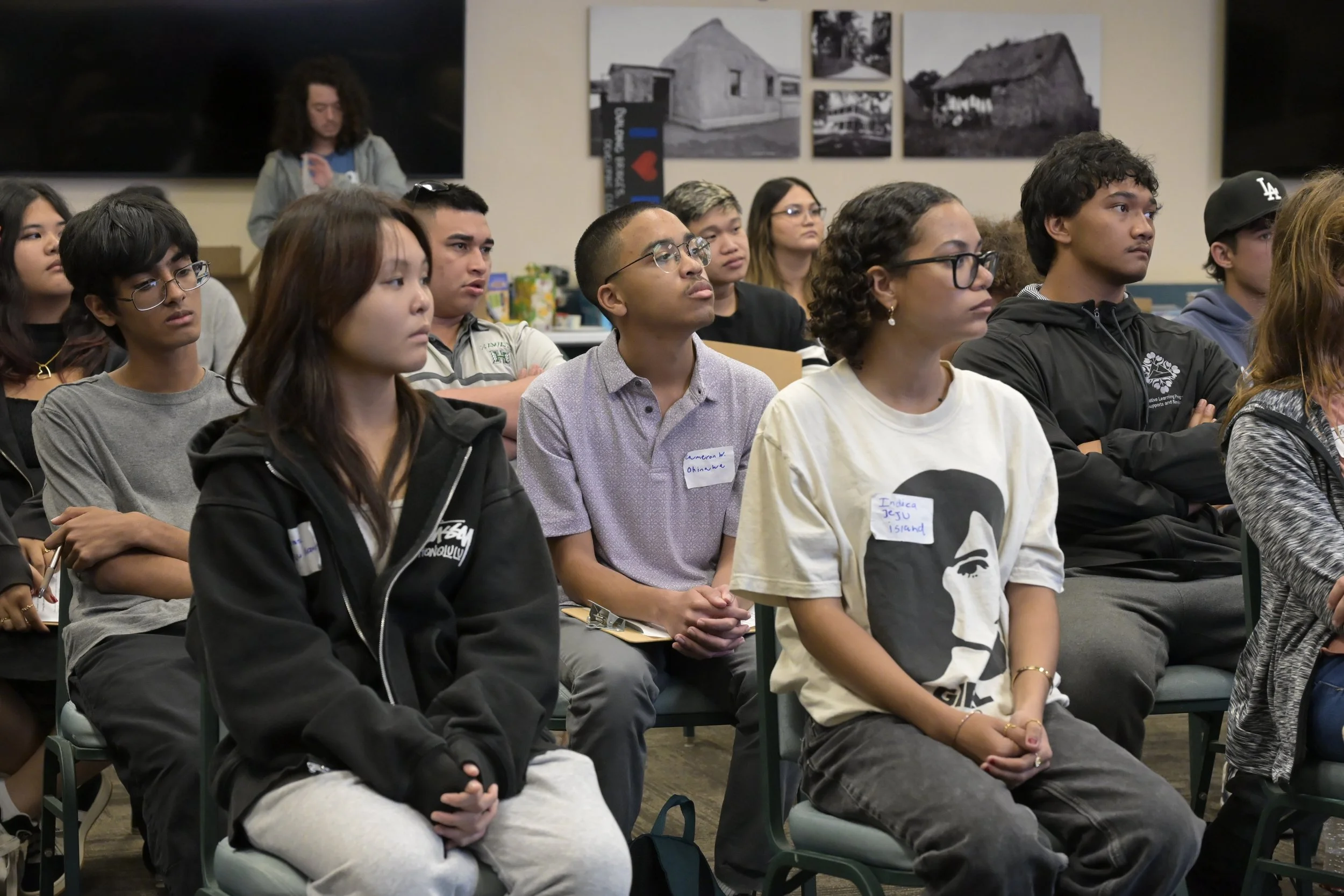
02. Virtual Meetings
Dec 17, 2026 | Jan 7, 2027 | Jan 21, 2027 | Feb 5, 2027 | Mar 11, 2027
Once you’re selected, the journey starts before anyone gets on a plane. You will join required virtual meetings to meet the team, understand what’s ahead, and get ready for everything from travel logistics to expectations abroad.
— There will be plenty of questions. These meetings are where we start answering them together.
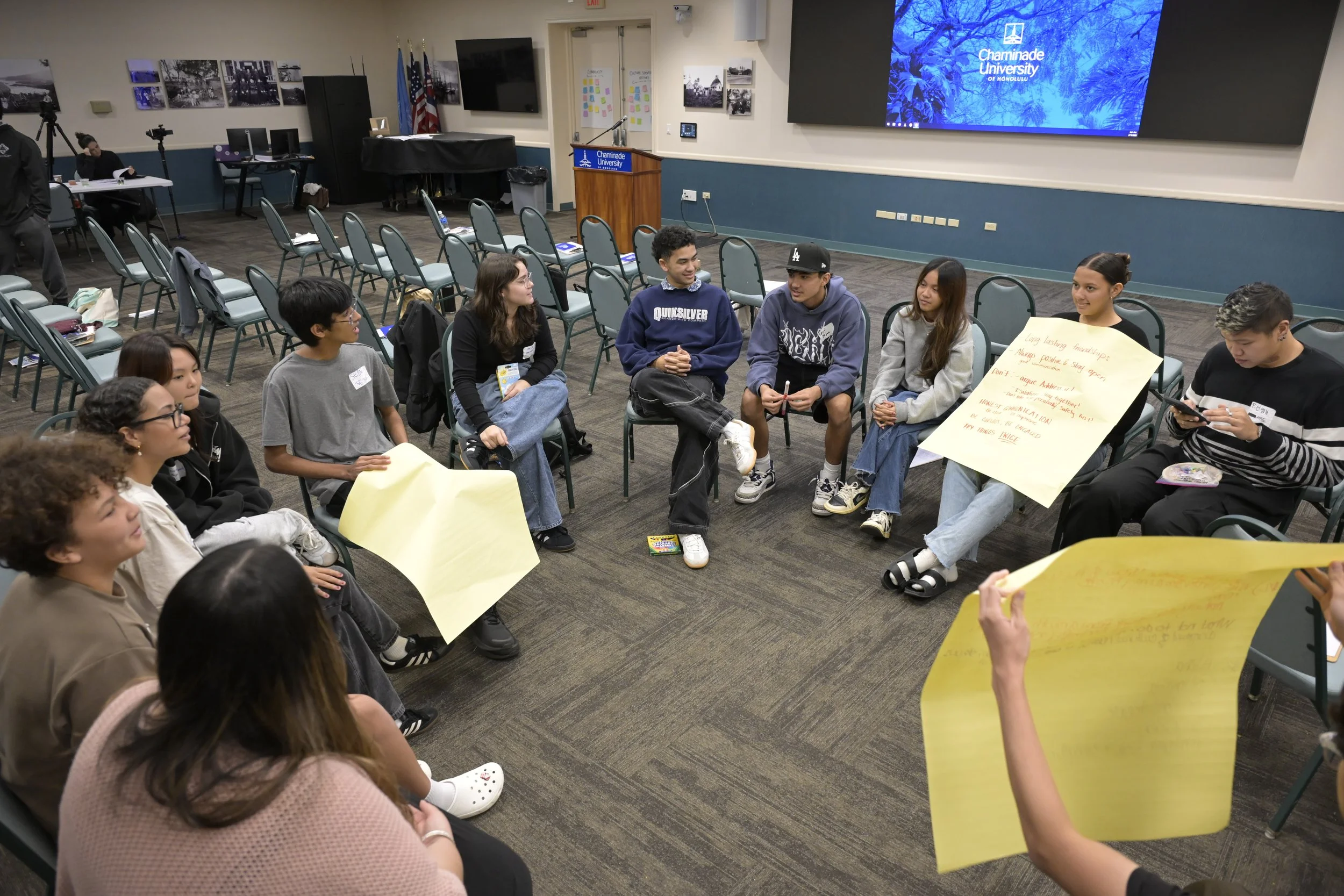
03. In-Person Orientation
Feb 13-15, 2027
This is where a group of students from across Hawaiʻi starts becoming a cohort. You’ll spend two days together in-person preparing for the experience through community visits, survival language lessons, cultural learning, and the kind of team-building that makes traveling together feel a lot less intimidating.
— You may arrive not knowing everyone’s name. You won’t leave that way.
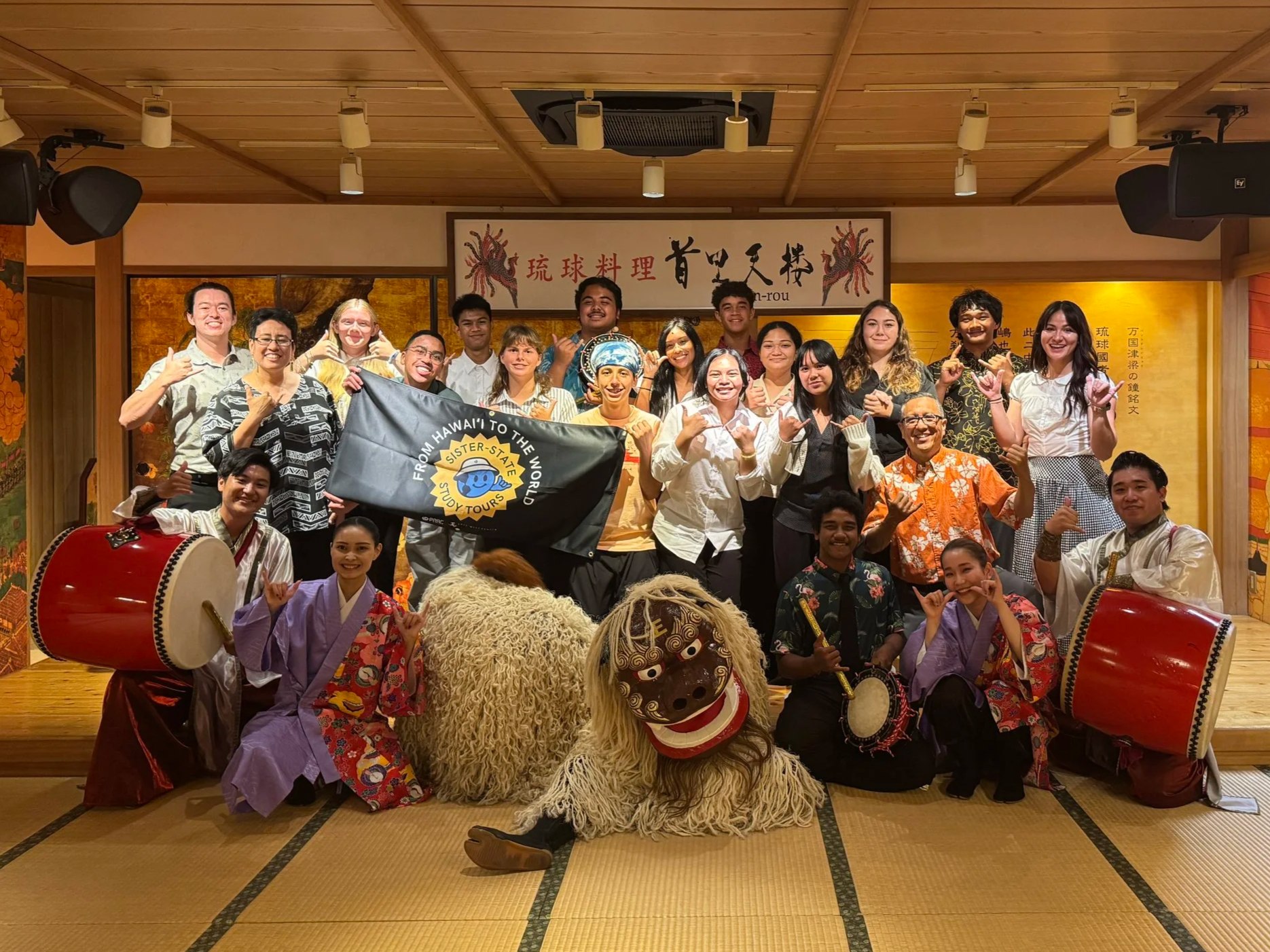
04. Study Tour
March 13-26, 2027
Then comes the part you’ve been preparing for. You’ll travel with your cohort to your assigned Sister-State, where school exchanges, government meetings, cultural experiences, and community visits turn everything you’ve been learning into something real.
— You’re not traveling as a tourist, and you’re never doing it alone. Your cohort and chaperones are with you the whole way.
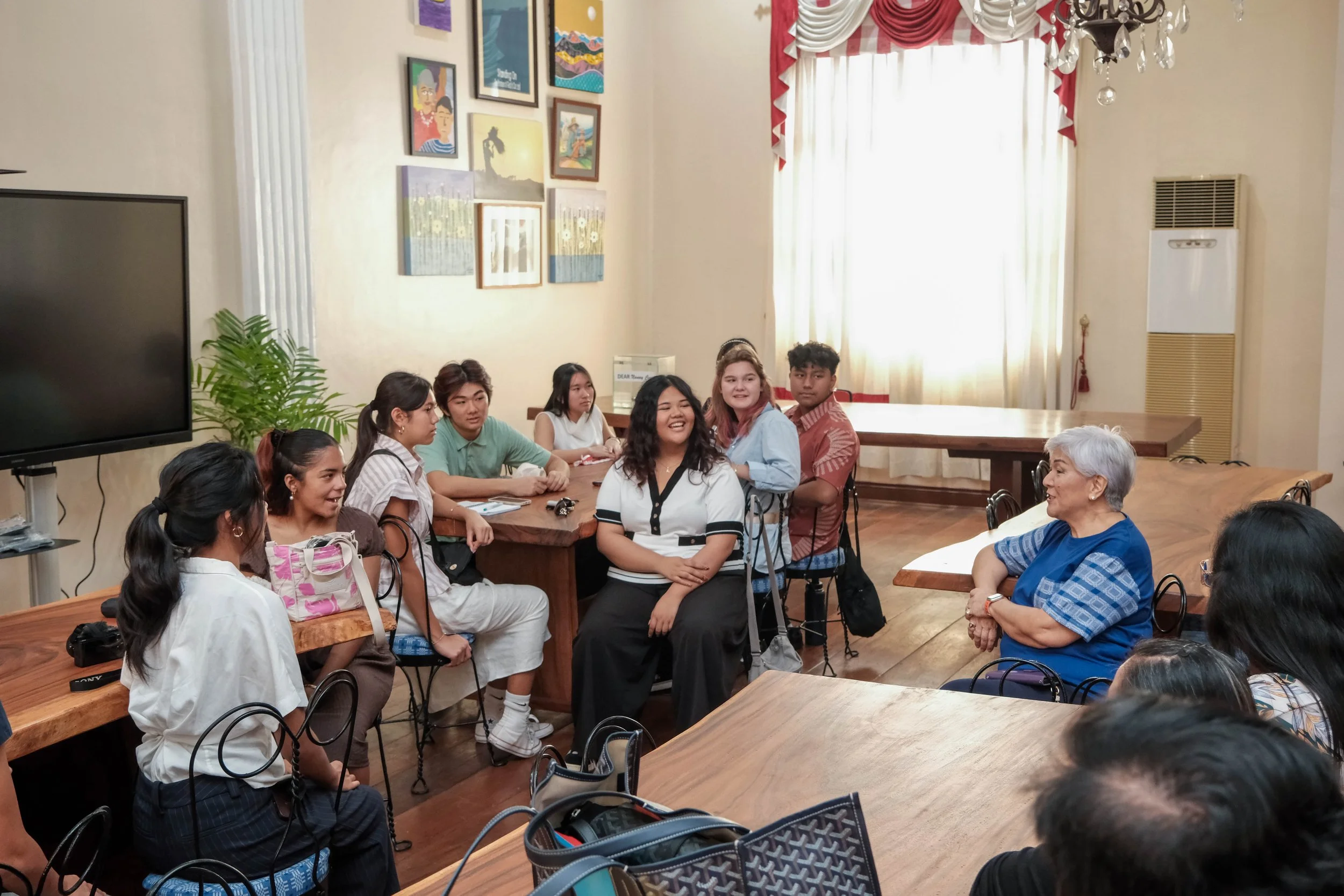
05. GLOBAL PERSPECTIVES RESEARCH
Apr 9, 2027 | Apr 15, 2027 | Final Deliverables due May 2, 2027
This is where your ideas turn into action. Investigate a real challenge Hawaiʻi shares with your sister-state. Through site visits, interviews, and conversations with local leaders, you’ll compare solutions, work with mentors, and turn what you learn into recommendations you’ll pitch at the Community Presentation.
— No research paper experience needed. Your mentors help shape it with you
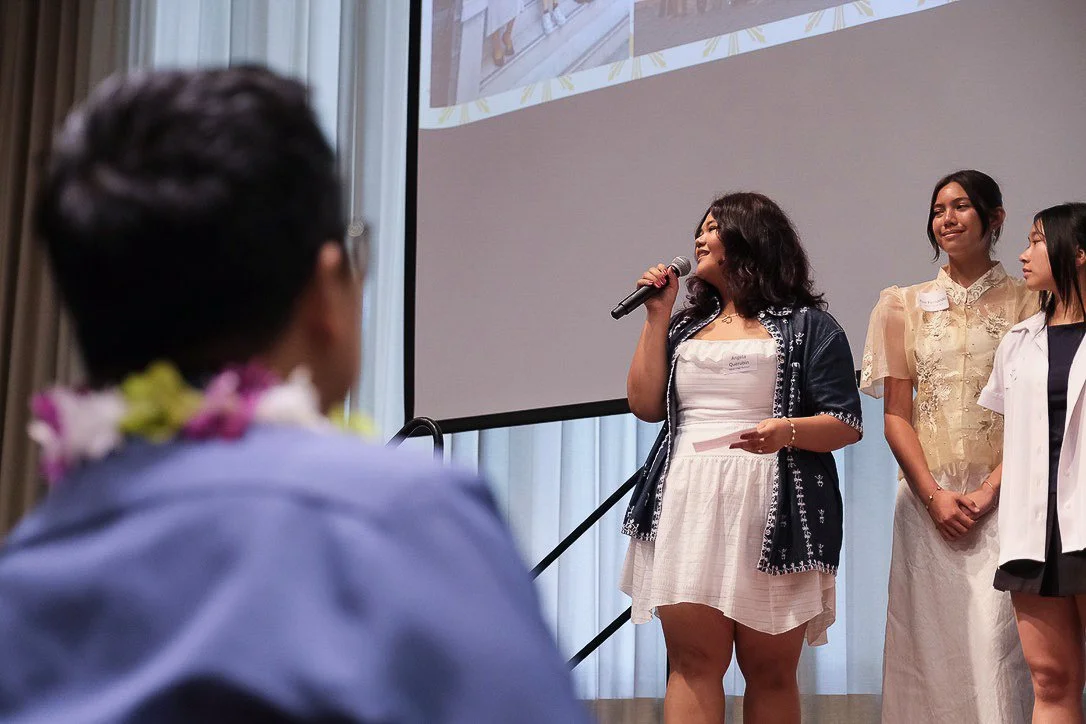
06. Student Ambassador Showcase
April 17, 2027
Your research isn't just a paper — it's your pitch. Last year's cohort presented to state senators, three consuls general, the Superintendent of Hawaiʻi's public schools, and a member of Congress. You'll stand alongside your Sister-State delegation and pitch the recommendations your research built.
— Public speaking can sound intimidating. We’ll help you shape your story, practice it, and walk into the room ready.
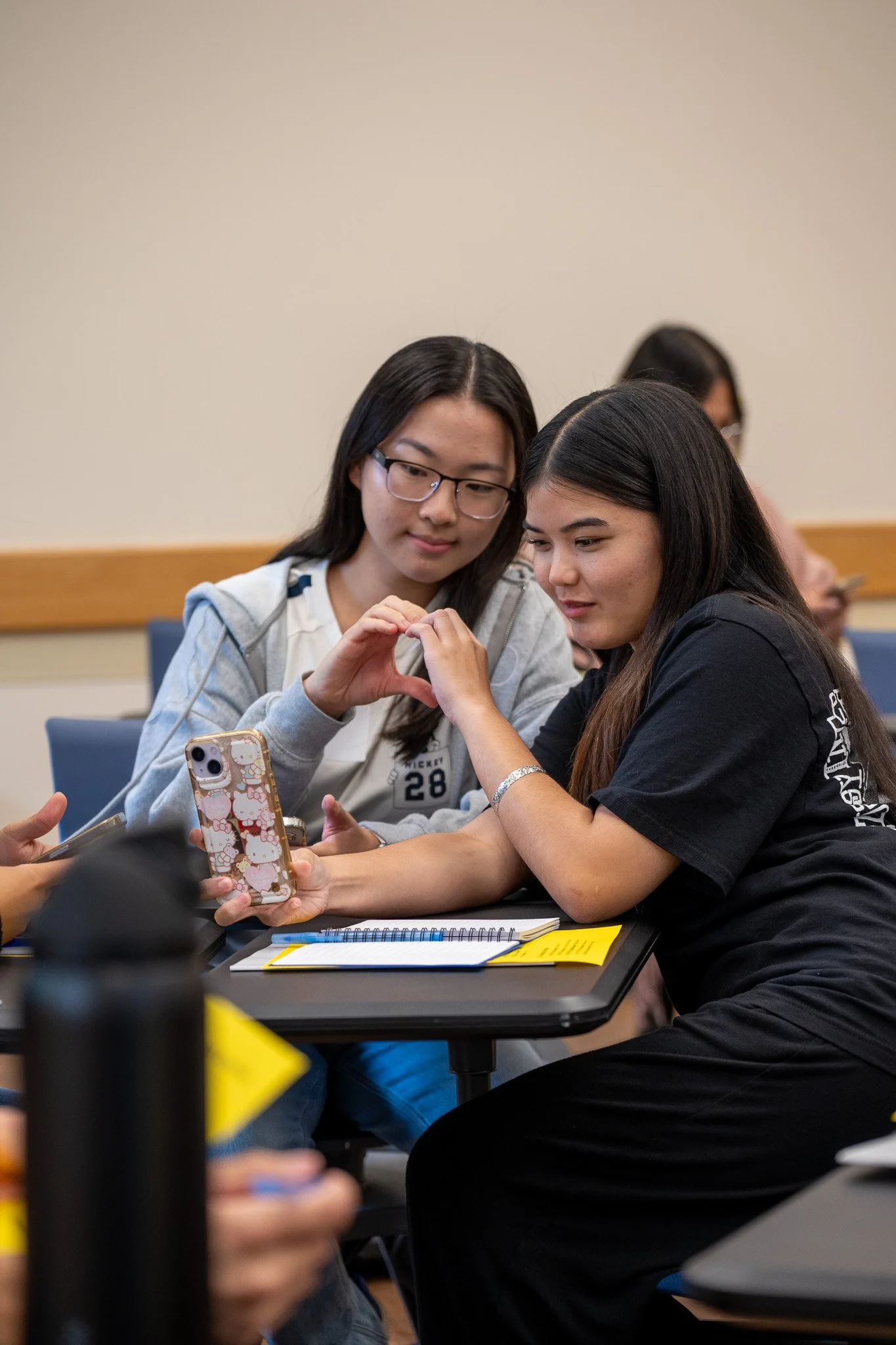
07. Alumni
May 13, 2027
The trip ends. Being a Student Ambassador doesn’t. You’ll bring what you learned back to your school and community, stay connected to the people you met, and help make the experience stronger for the students who come after you.
— The goal isn’t just to come home with memories. It’s to come home with something worth passing on.
MARK YOUR CALENDARS
Key program Dates
Sept 18
Virtual Info Webinar
OCt 23
Round 1: Student Applications Due
OCt 26
Recommendations Due
Nov 5-11
Round 2: Group Interviews
Nov 25
Student Selection Annoucement
Dec 17
Virtual Parent Meeting
Jan 5
Virtual Workshop #1
Jan 21
Virtual Workshop #2
FEb 5
Virtual Workshop #3
Feb 13-15
In-person Orientation
Mar 11
Virtual E-Travel Meeting
Mar 13-26
Study Tour
Travel
Apr 9
Virtual Research Meeting #1
Apr 15
Virtual Research Meeting #2
Apr 17
In-person Student Showcase
May 2
Final Deliverables Due
May 13
Virtual Alumni Meeting
ELIGIBILITY
Who can apply?
Five requirements. No exceptions, no guesswork.
Enrolled in grades 9–12 at a Hawaiʻi public high school

Available for all required program dates
Willing to travel to any of the three destinations
Have a personal email address (Gmail preferred)
Not a previous Sister-State Study Tour participant
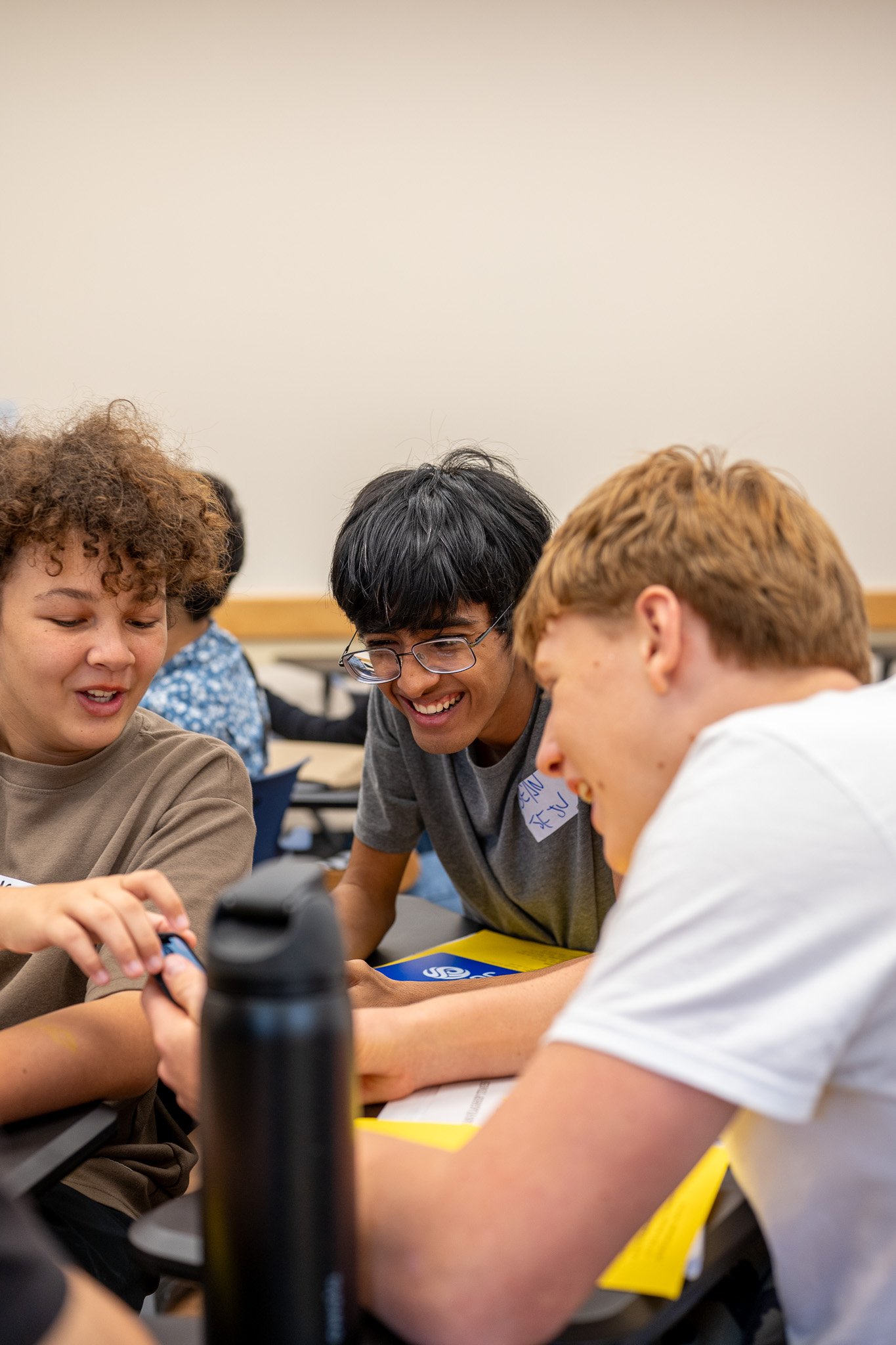
Not Eligible
Students attending charter, private, or independent schools aren't eligible for this particular program, but may apply for other PAAC Study Tour opportunities.
Check every box? That's step one. Here's what you're actually signing up for if you're selected.
READ THIS BEFORE YOU APPLY
Check every box? Then you can apply
It's the start of a real commitment. Here's exactly what’s expected of you when you apply.
Show up for every required meeting, orientation day, travel day, and post-tour activity
Turn in your assignments, reflections, surveys, and final projects on time.
Show up fully — in meals, school exchanges, cultural activities, and community visits, not just the fun parts.
Treat fellow students, chaperones, hosts, and community partners with respect.
Follow PAAC policies, your school's expectations, and the law, wherever you are.
Meet the unfamiliar with curiosity, flexibility, and respect — not everything will feel comfortable, and that's the point.
Represent your school, your community, and Hawaiʻi with integrity, wherever you go.
Come home and share what you learned.
Applying means committing to the whole experience — not just the flight
DESIGNED FOR ACCESS
The $500 cap changes who gets to say yes
State of Hawaiʻi support, provided in partnership with the East-West Center, allows PAAC to offer this experience at a fraction of its real cost — including international airfare, lodging, ground transportation, meals, and every scheduled activity.
Payment plans available
Need-based waivers considered case by case
Financial need should never keep an eligible student from applying
$8,800 actual value
$500
Max cost, all-inclusive
-
No. By applying, you confirm you're prepared to participate in whichever destination PAAC assigns based on program needs and delegation composition. Applicants cannot select or rank destinations.
-
Disclosing a disability, medical condition, or accommodation need does not automatically affect eligibility. PAAC makes reasonable efforts to accommodate disclosed needs, though some may not be feasible in an international group travel setting. Families must disclose all relevant needs by the stated deadline.
-
Yes. Payment plans and need-based waivers are available, and State of Hawaiʻi support through the East-West Center keeps the program affordable. Financial need should not prevent an eligible student from applying.
-
Ambassadors are expected to complete final reflections and projects, co-write a Global Perspectives Research Paper with their group and mentors, present their findings at the Community Presentation, and share what they learned with their school and community — supporting the program as alumni going forward.
-
All three Study Tours take place during Spring Break and the following week. Students should expect to miss approximately 3–4 school days during the first week of the fourth quarter.
Your Questions, Answered
STILL HAVE QUESTIONS?
Join us live on Sept 18, 3-4pm HST
A virtual info session for students, parents, and teachers. Ask anything — eligibility, cost, what the trip is actually like — before you apply.
Ready to represent Hawaiʻi?
This one's worth doing right, not fast. Have your transcript and recommender info nearby, and give yourself time to answer the written questions thoughtfully.
Applications close October 23, 11:59pm HST
This program is made possible through a partnership between PAAC and the East-West Center, funded by the State of Hawaiʻi

